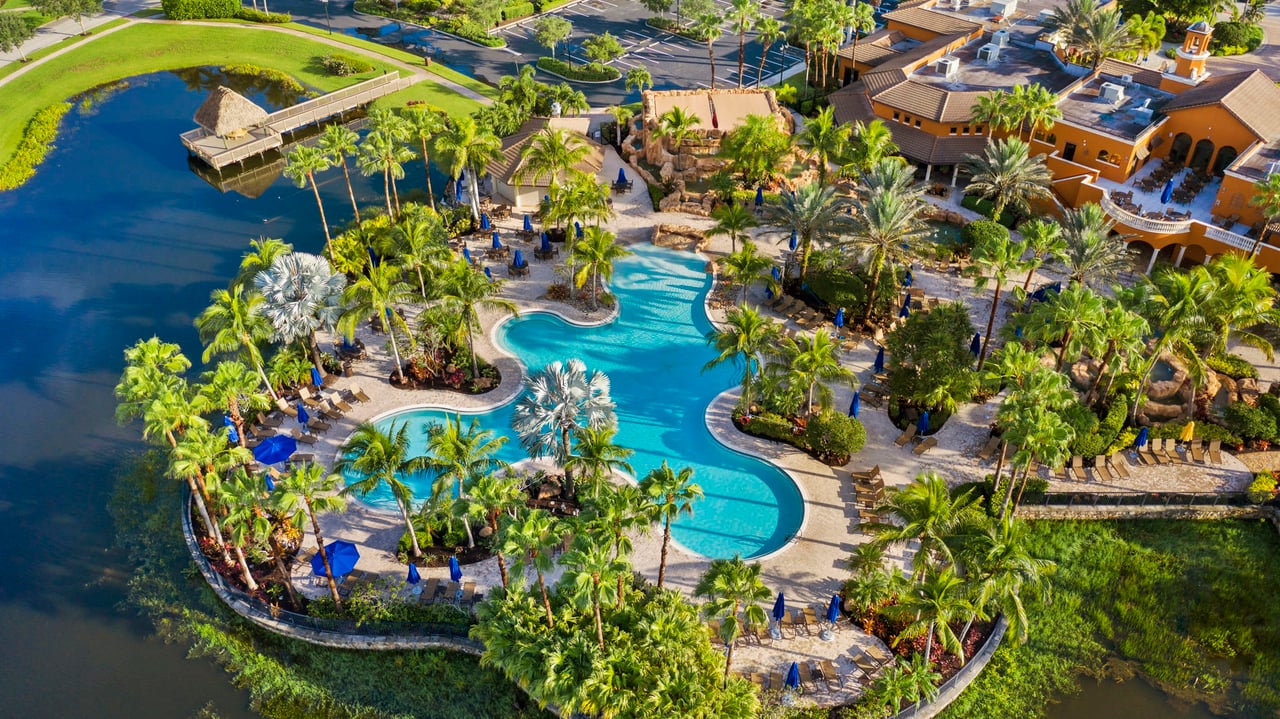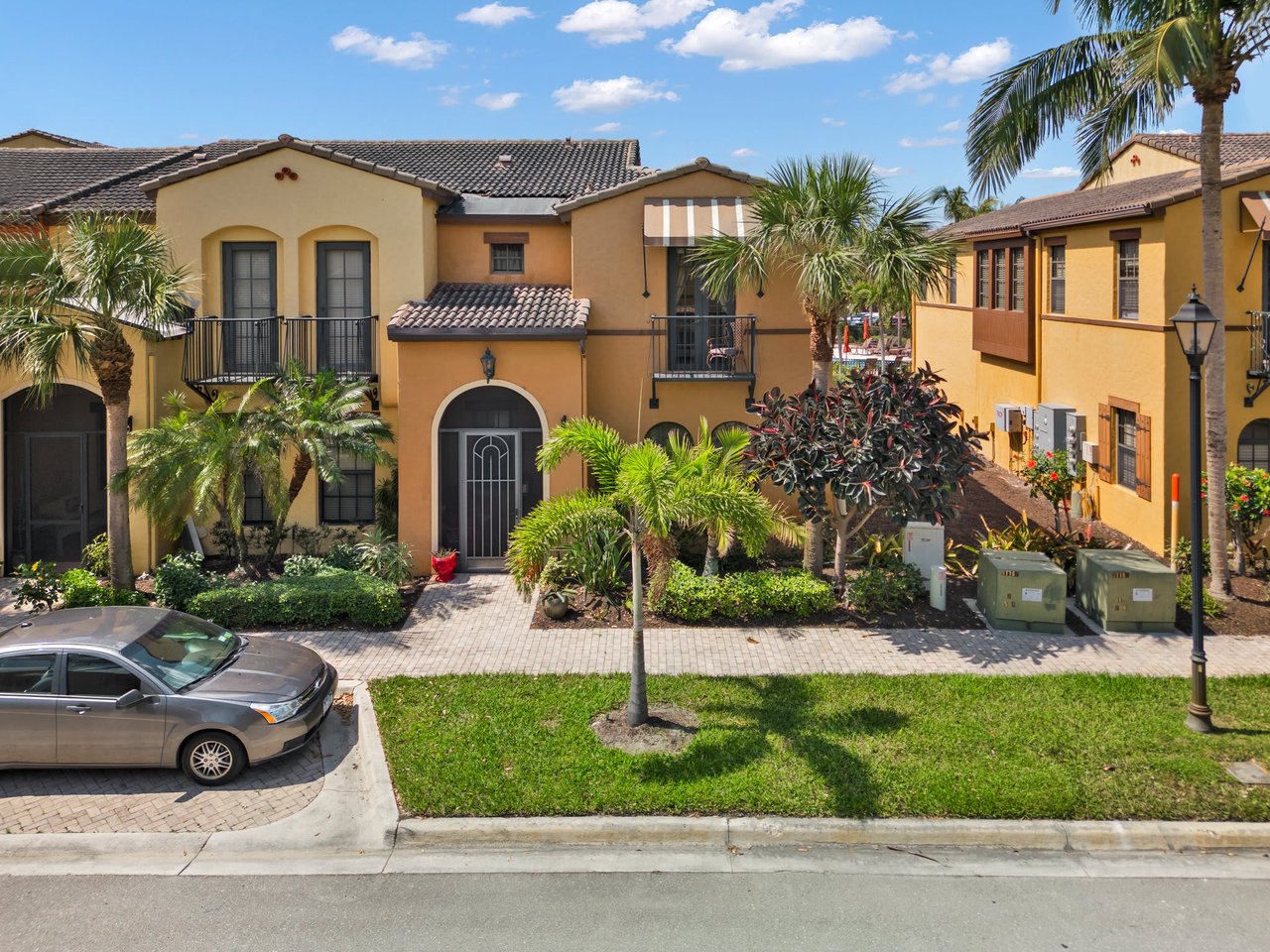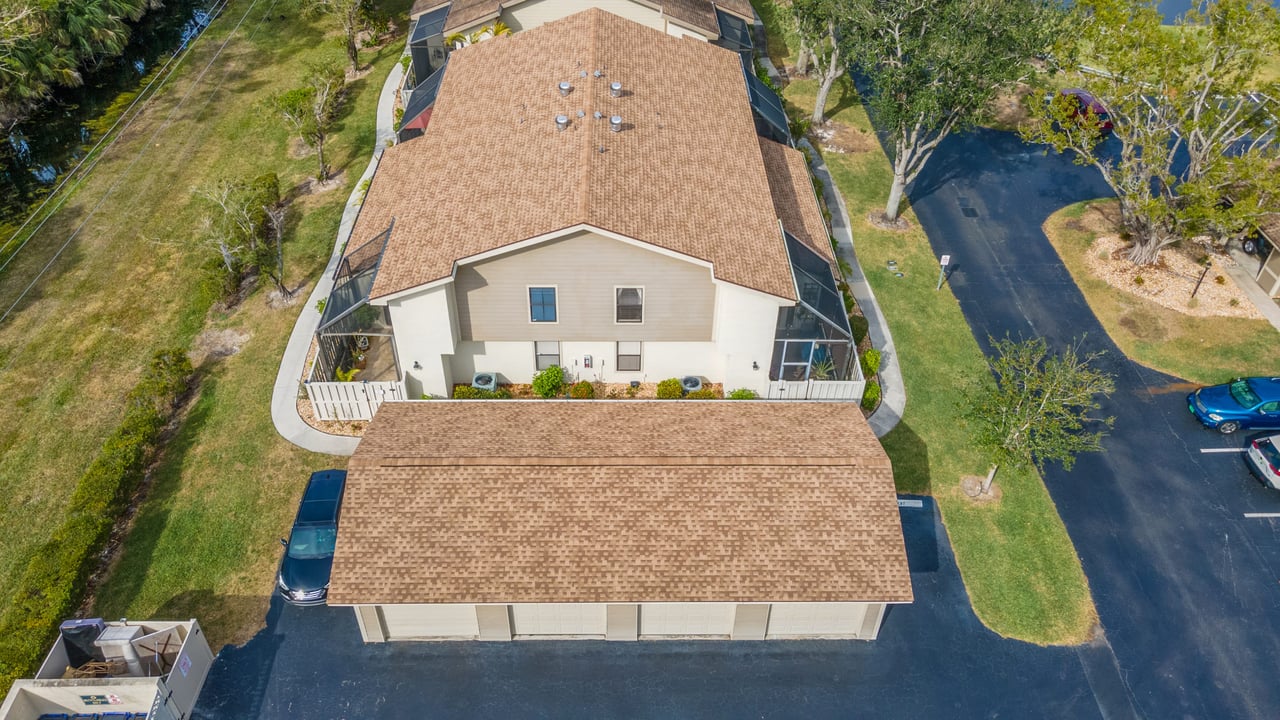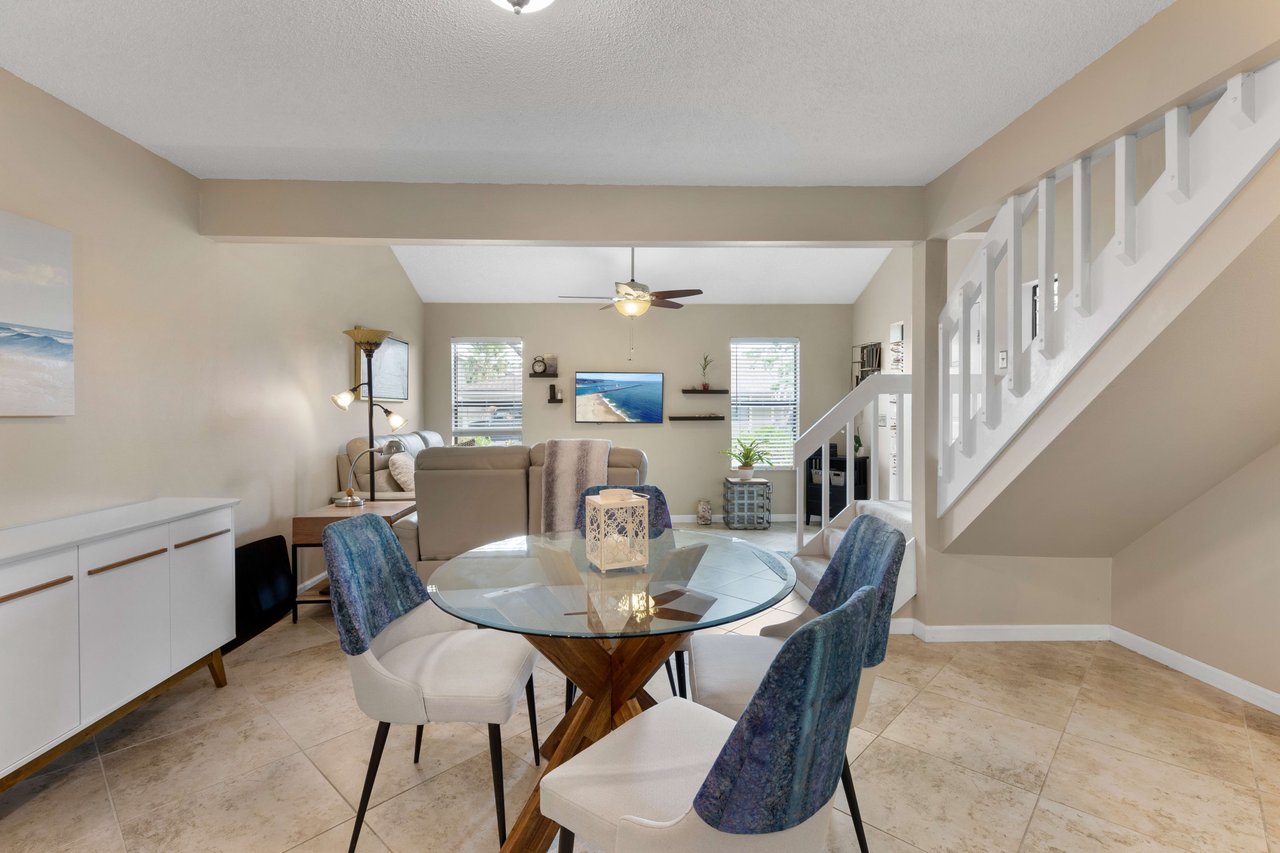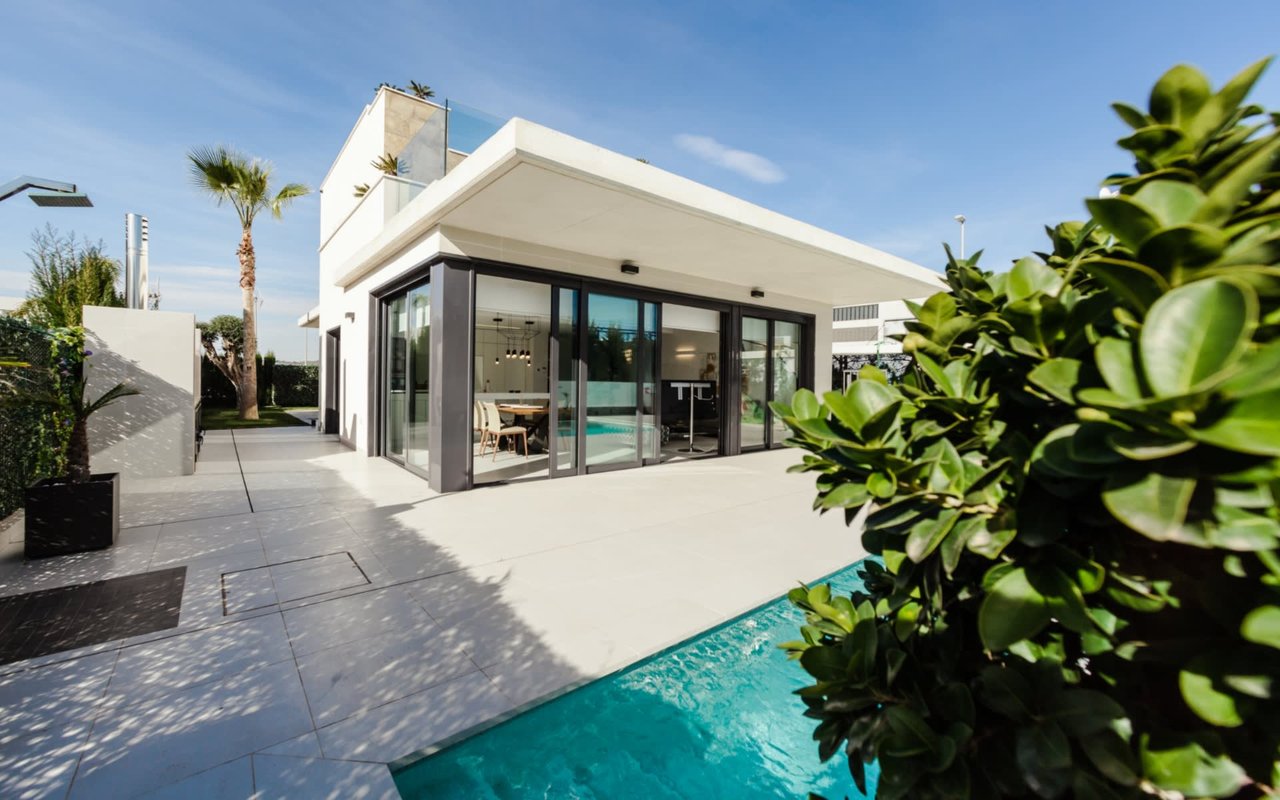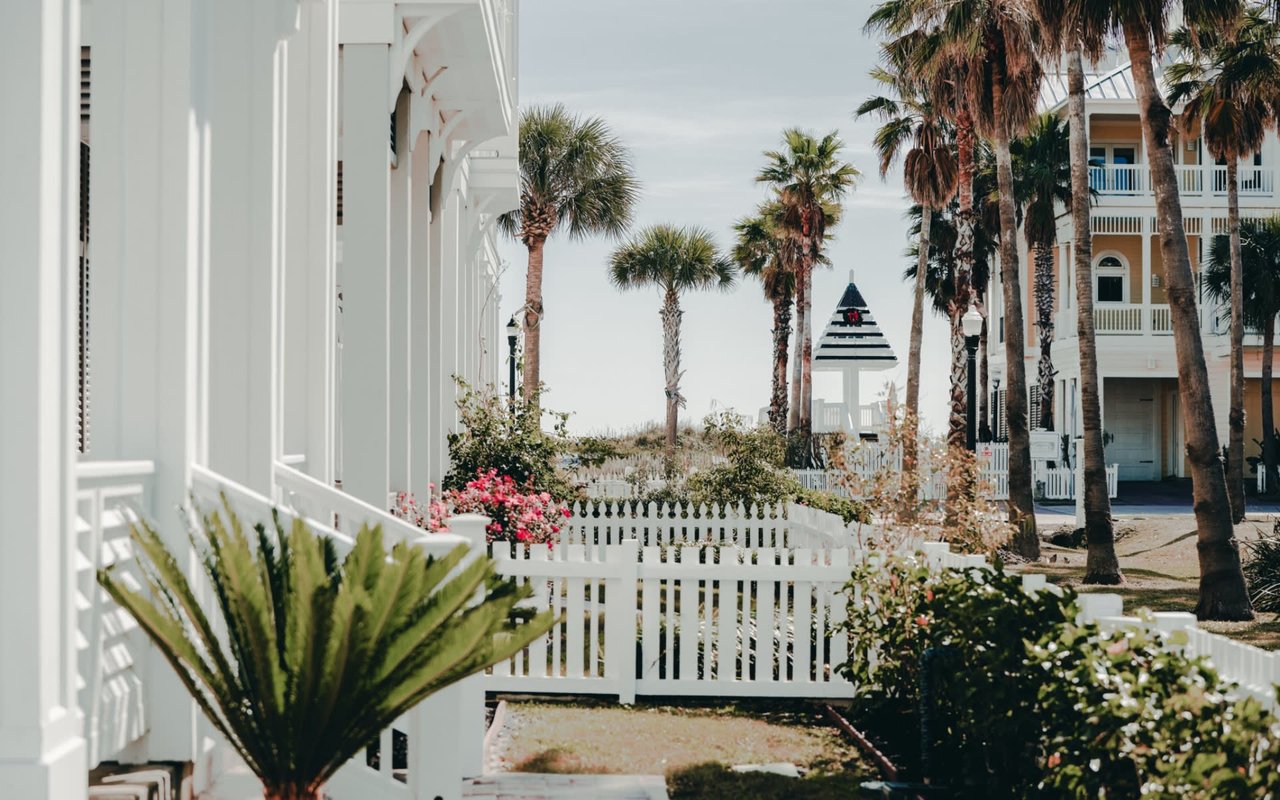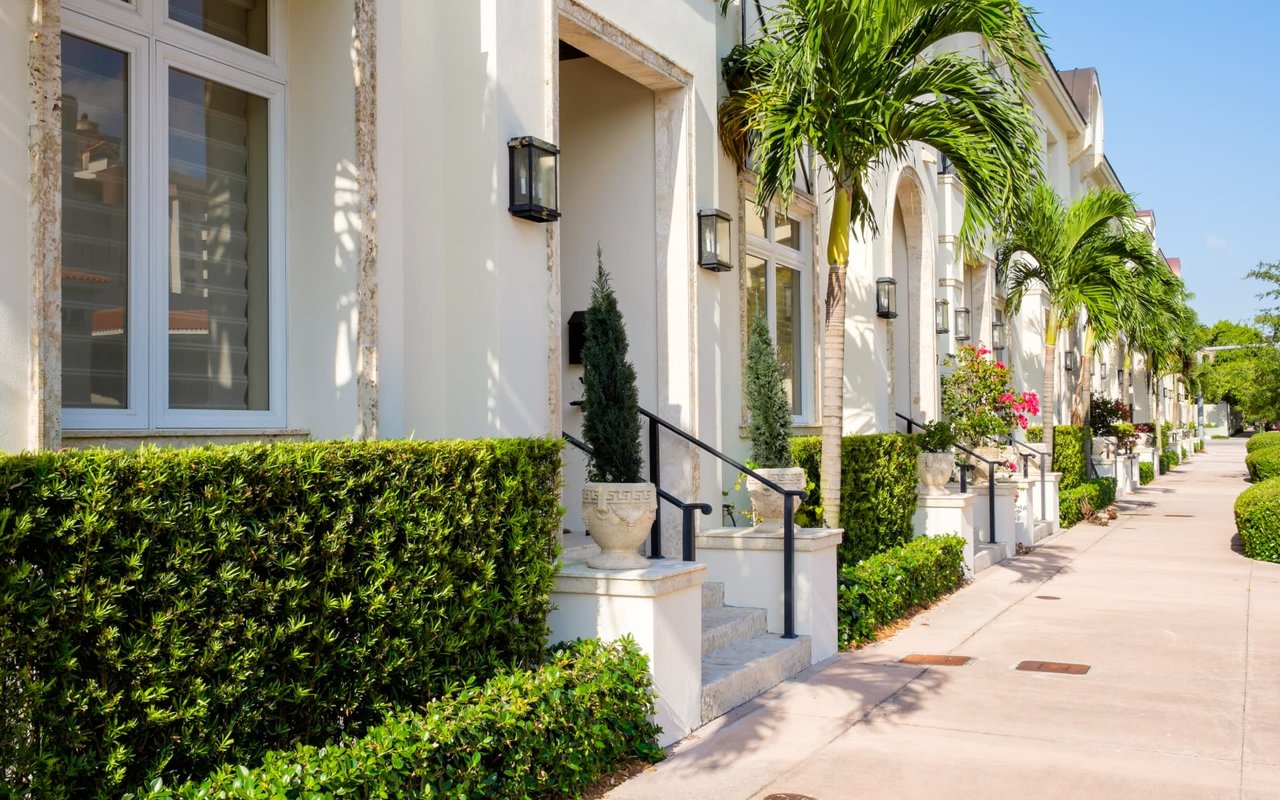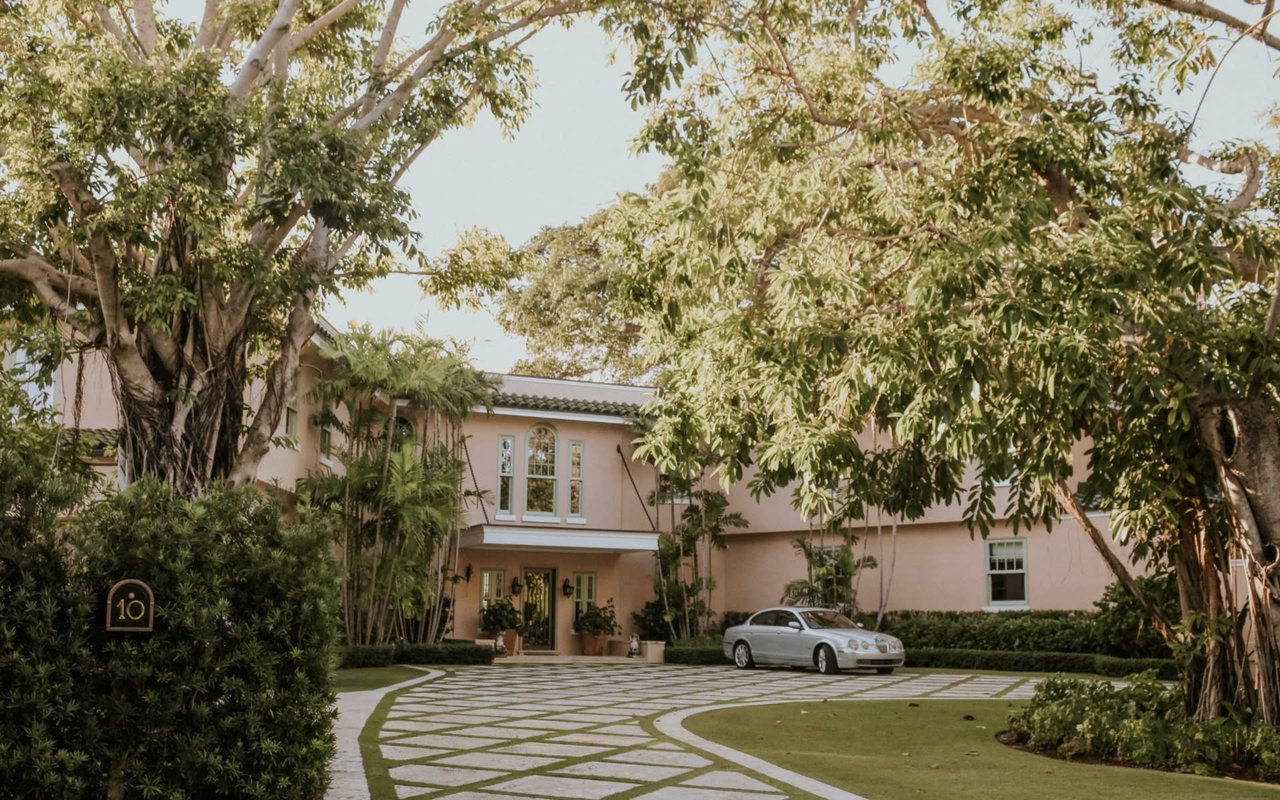
If you love the idea of Cape Coral but do not need a dock in your backyard, you are not alone. Many buyers want the city’s Gulf Coast setting, outdoor lifestyle, and growing everyday convenience without taking on canal-front maintenance. The good news is that living off the canals can still give you a very Cape Coral lifestyle, just with a different rhythm. Let’s dive in.
What living off the canals means
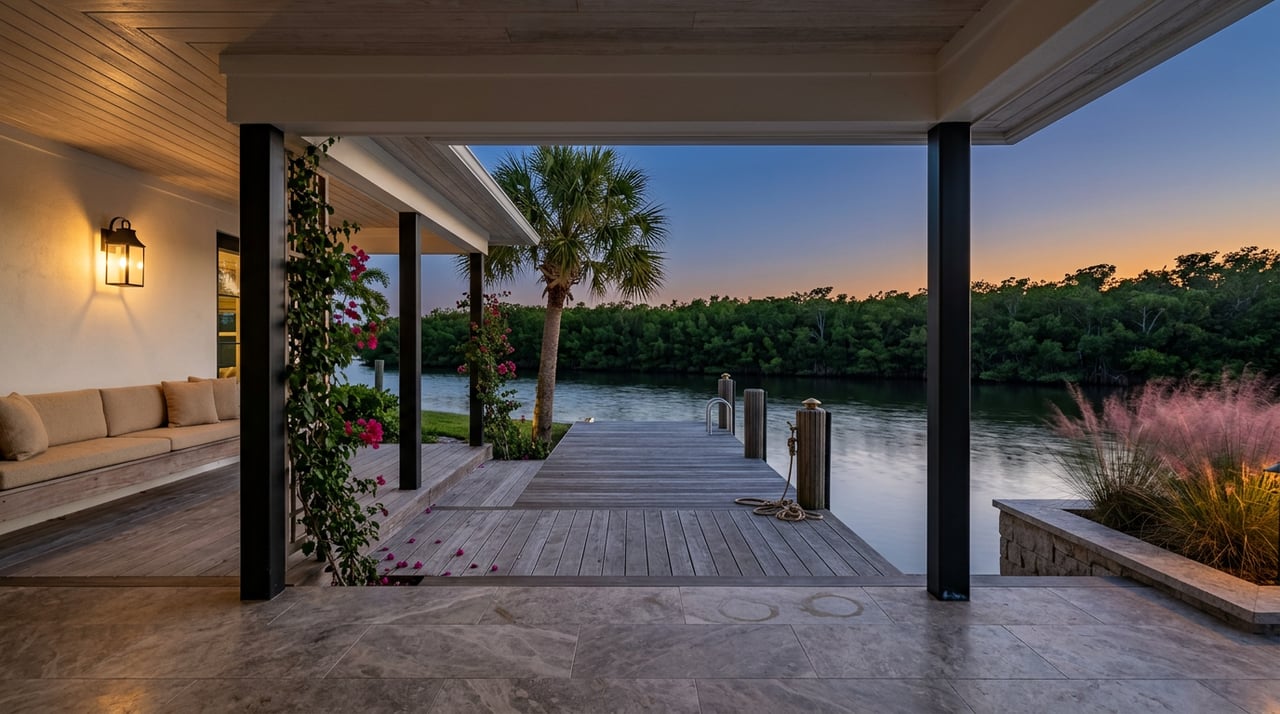
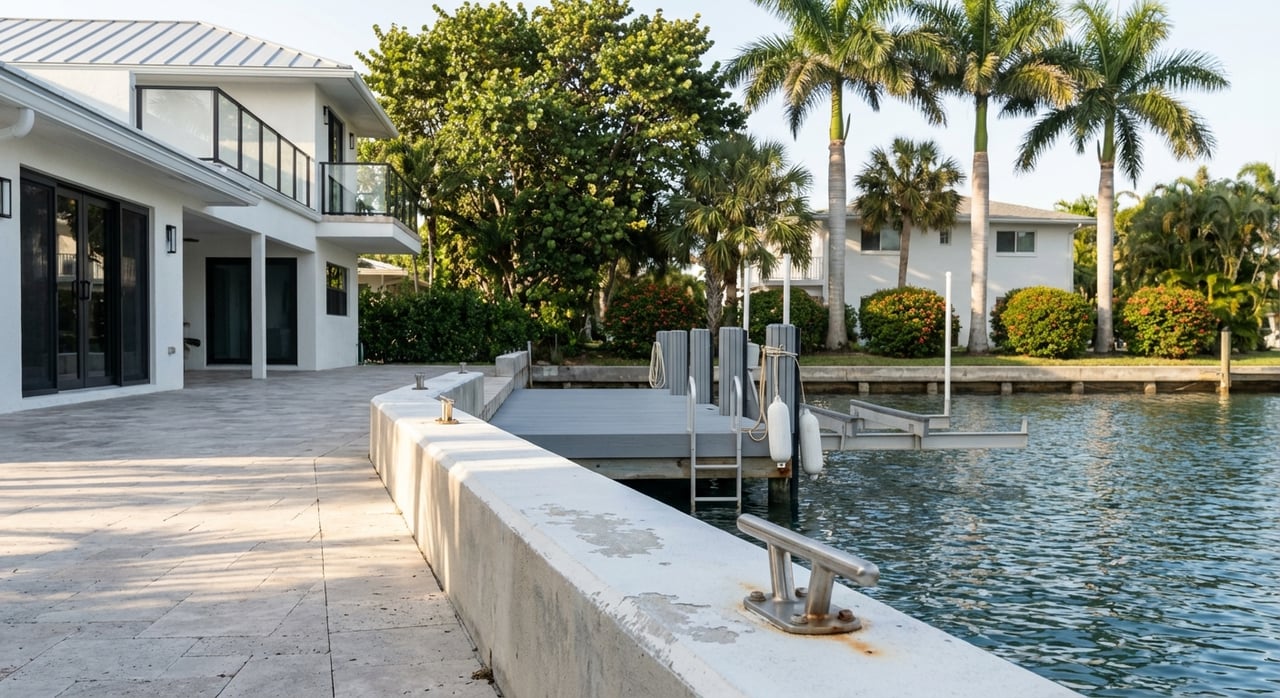
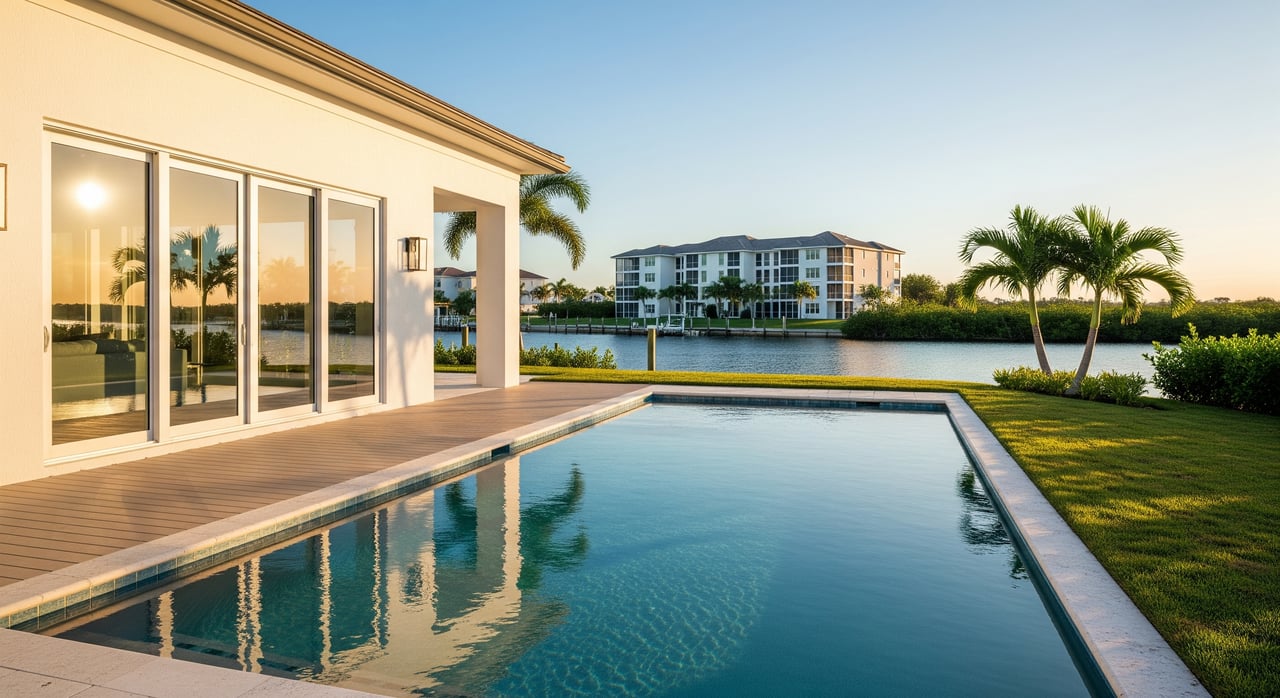
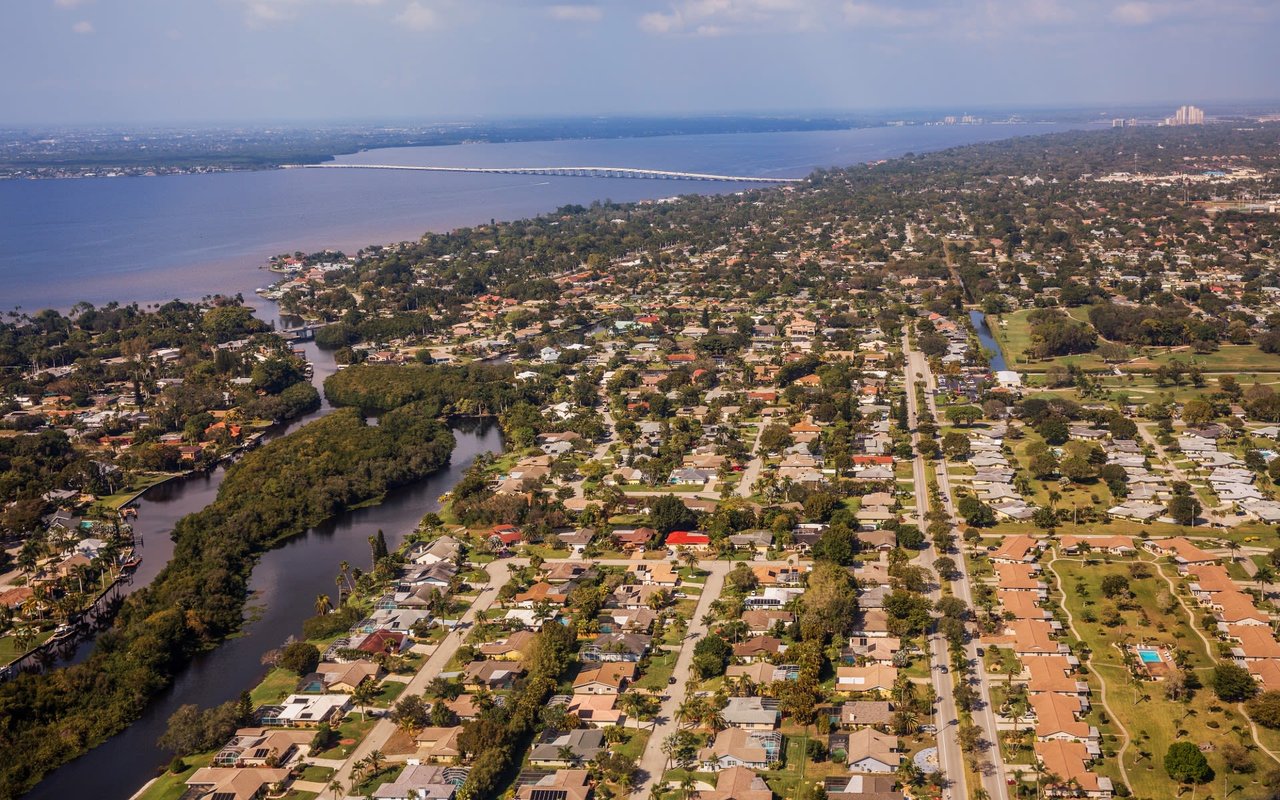
Cape Coral was designed as a canal city, and the city reports more than 400 miles of waterways, including about 300 linear miles of freshwater canals that also help with stormwater and flood control. That waterfront identity is a big part of how people picture Cape Coral.
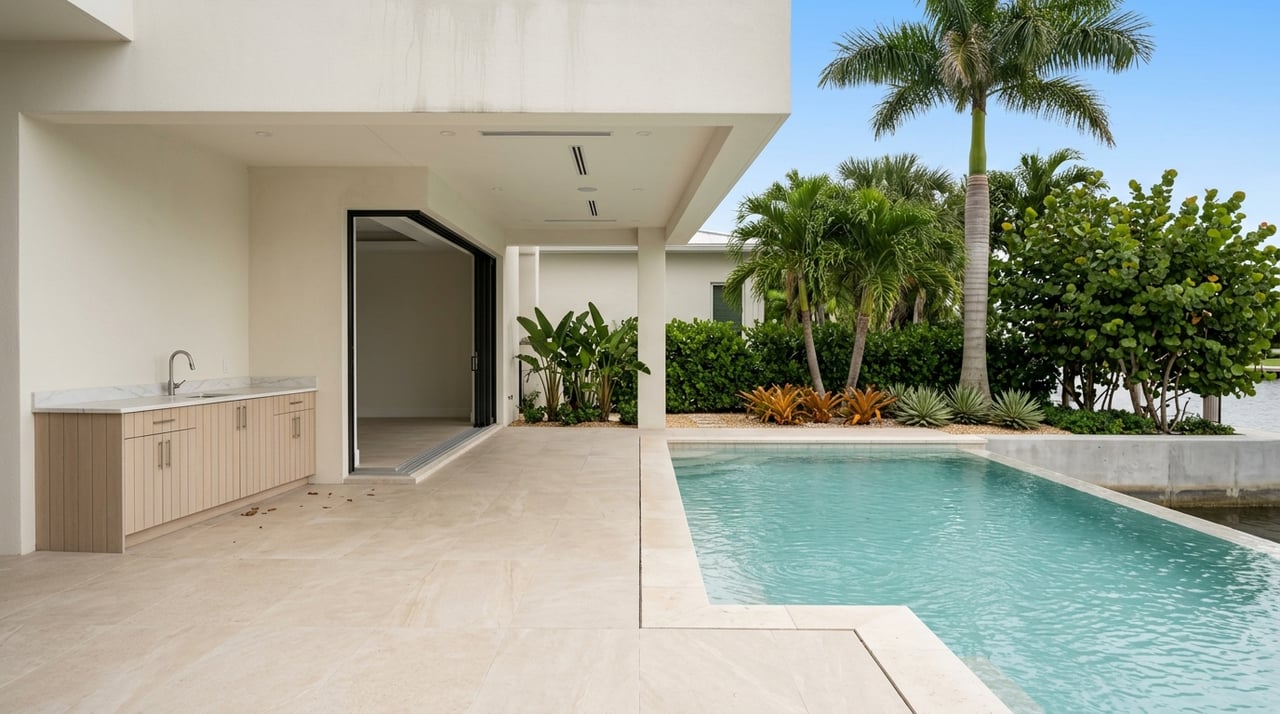
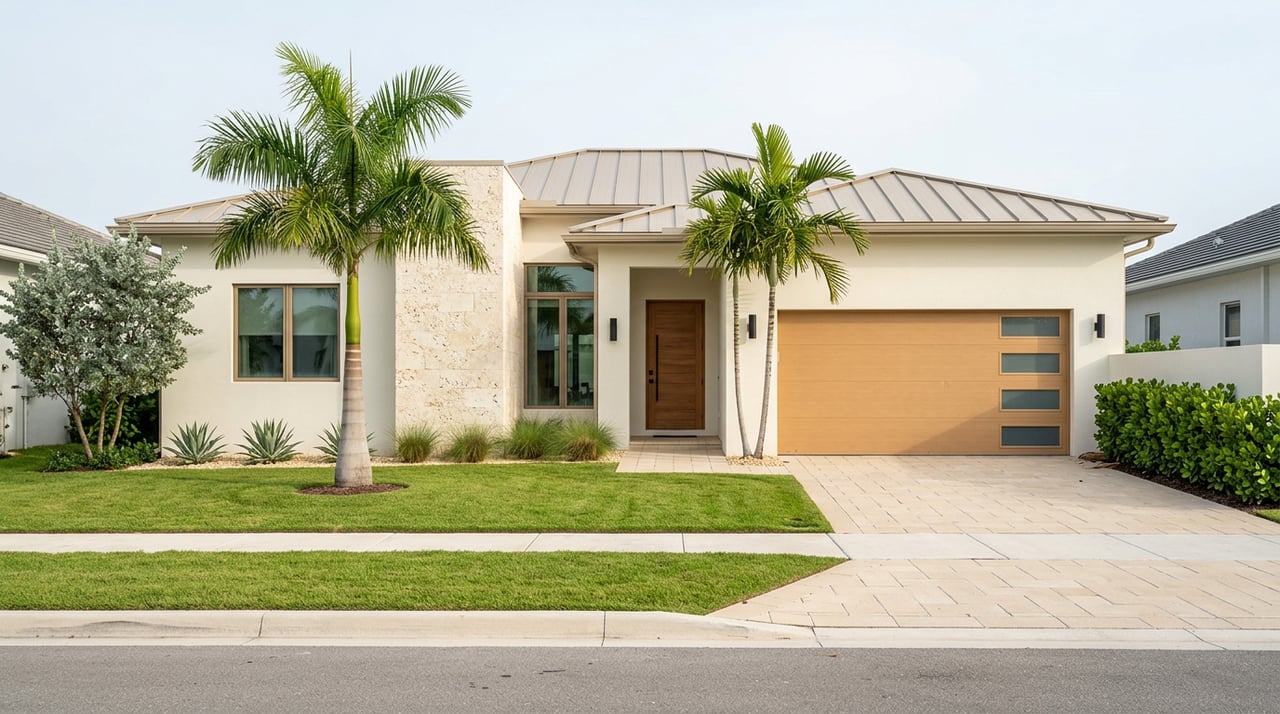
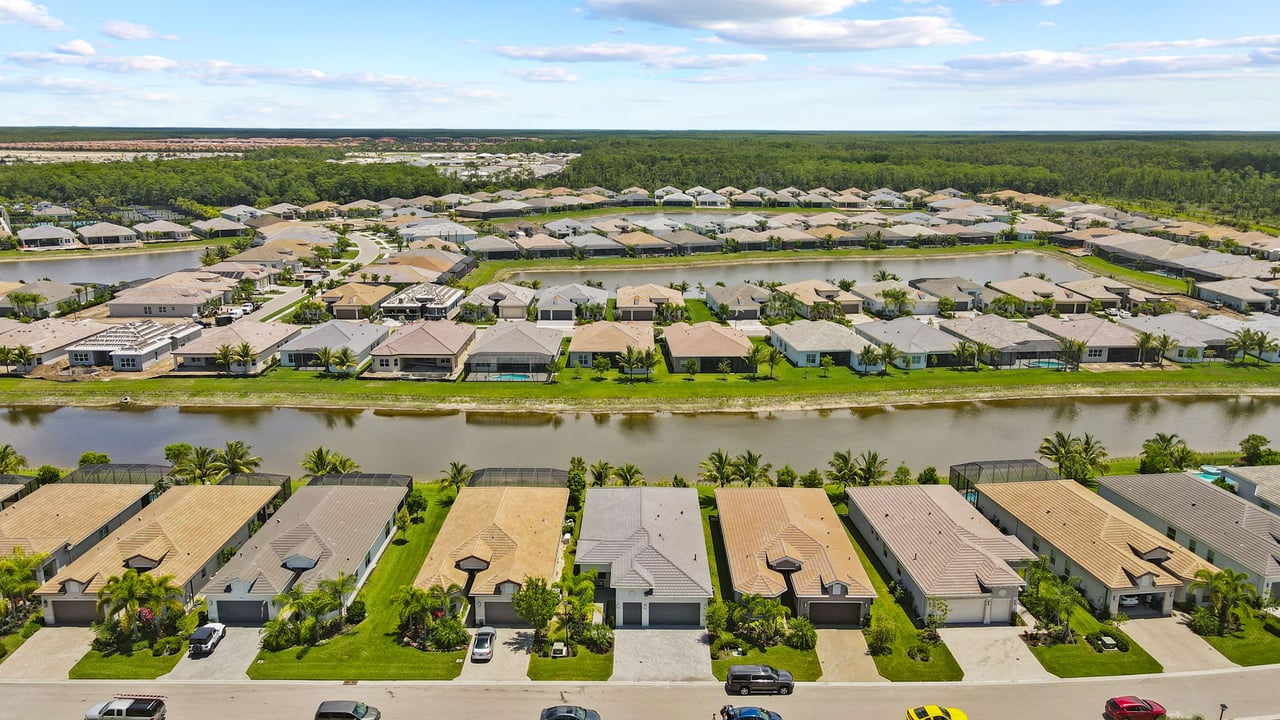
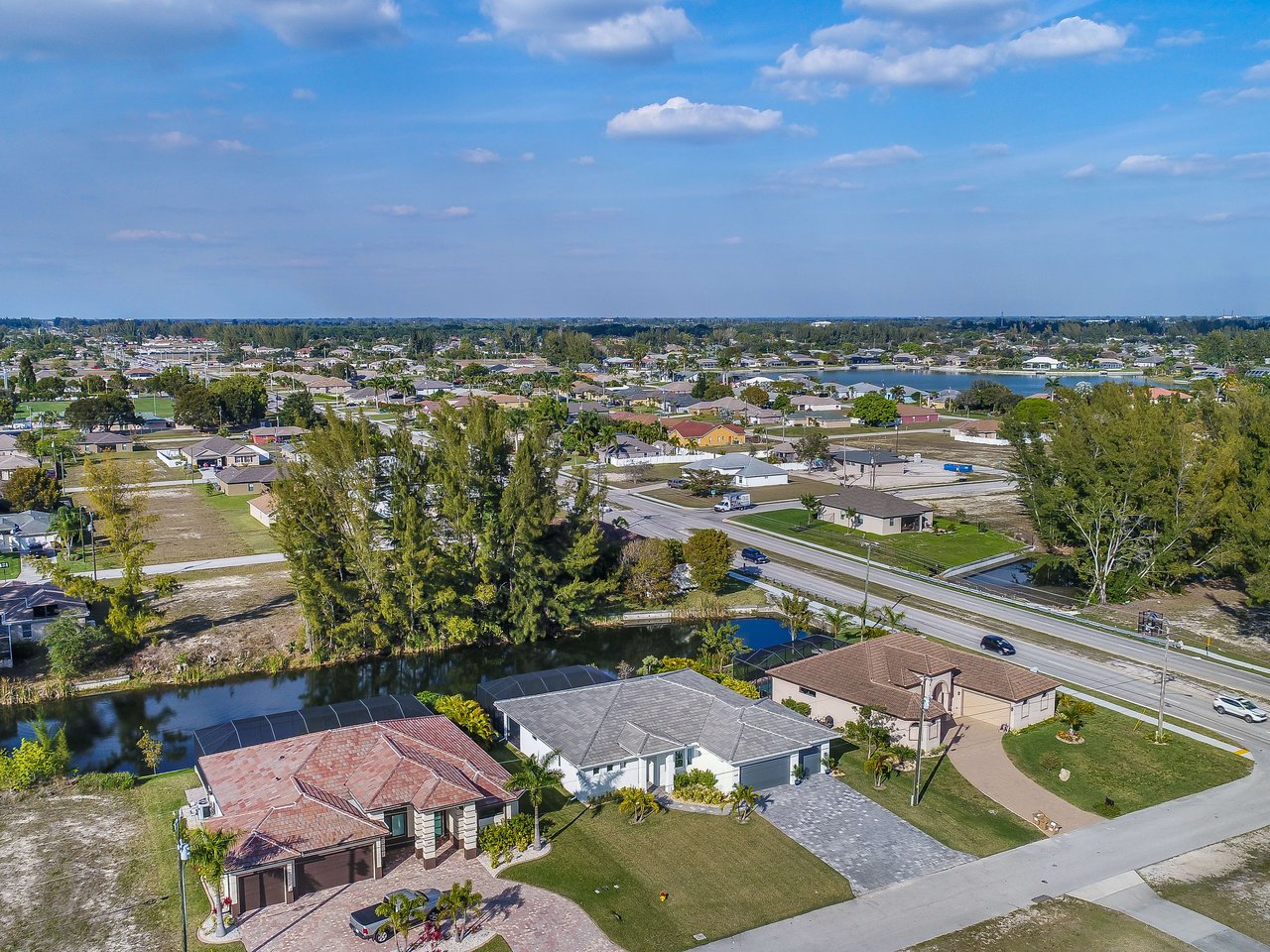
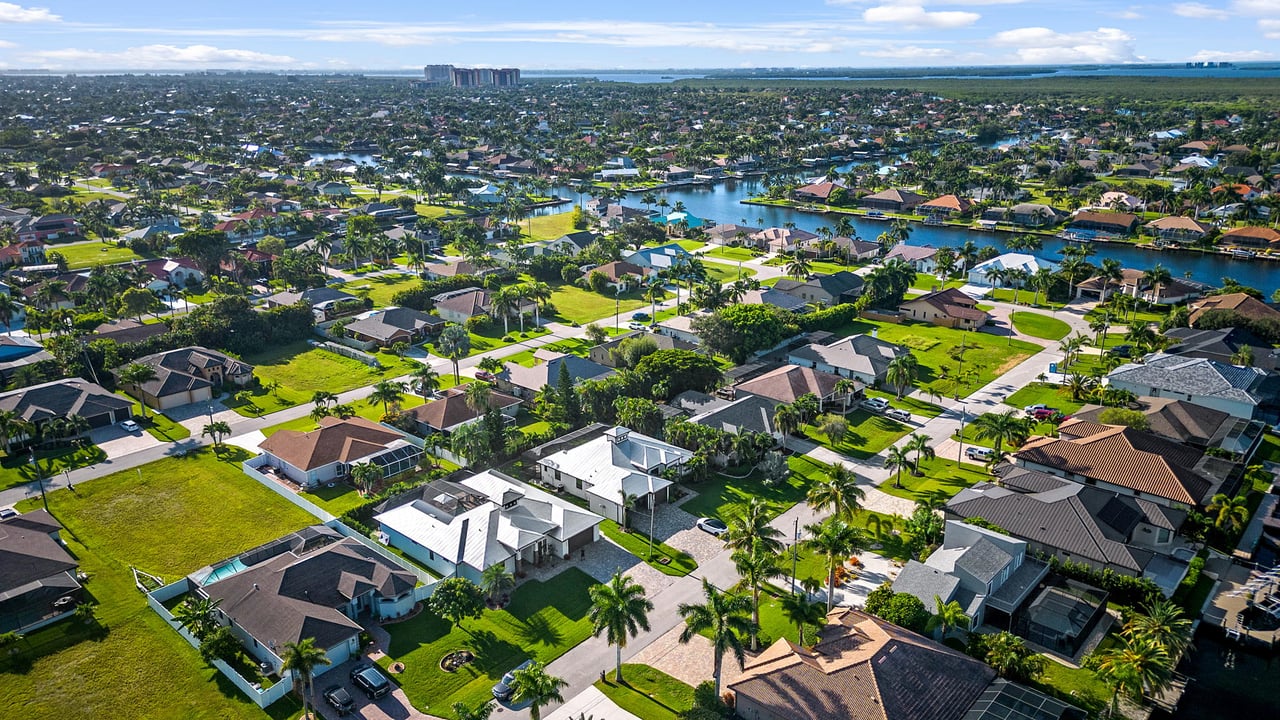
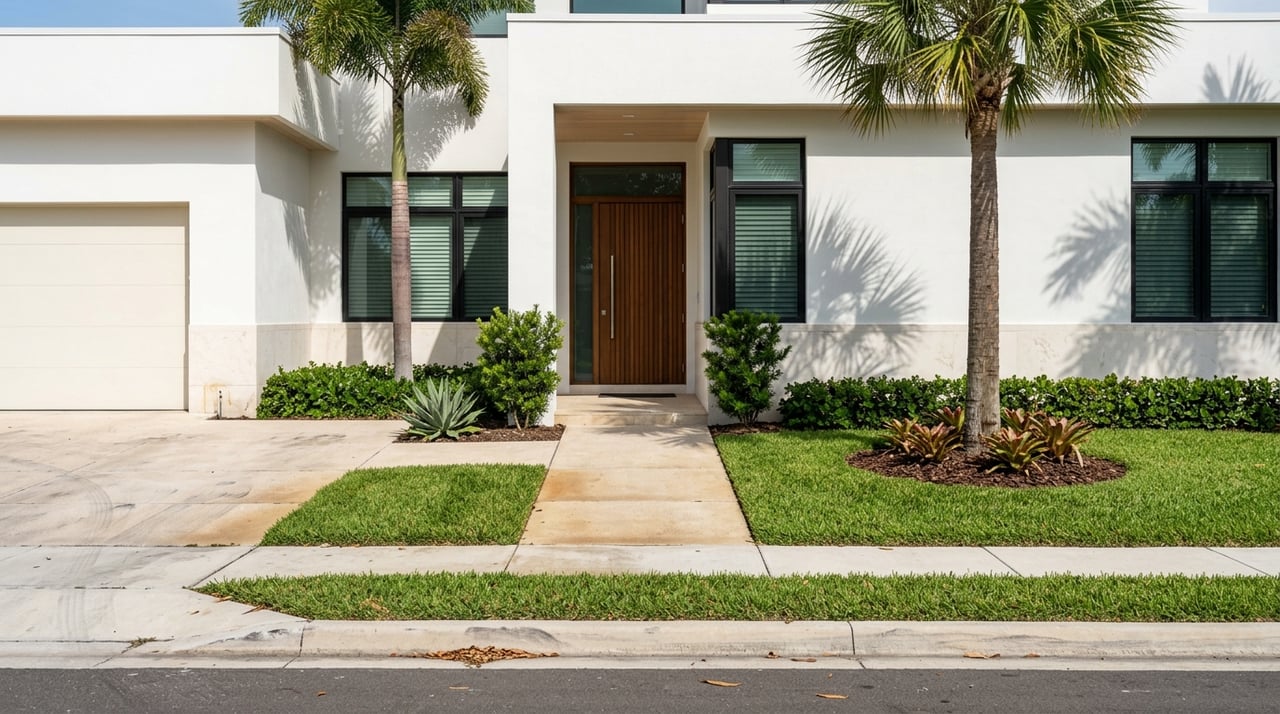
But living off the canals does not mean living outside the city’s character. It usually means living on a dry lot or inland parcel within the same city, without canal frontage, a dock, or direct shoreline responsibilities. For many buyers, that is a practical lifestyle choice rather than a compromise.
Cape Coral also spans about 120 square miles, and the city says it is only about half built out. That matters because inland neighborhoods are part of a large, still-evolving residential landscape, not a separate market disconnected from the rest of Cape Coral.
Why buyers choose inland Cape Coral
For some households, the biggest appeal is simplicity. Without canal frontage, you may avoid some of the upkeep tied to seawalls, shoreline planting, riprap, docks, and other waterfront-specific concerns discussed in the city’s waterfront guidance.
That can make day-to-day ownership feel more straightforward. If your goal is to enjoy Southwest Florida living with fewer waterfront chores on your list, an inland home can be a smart fit.
Another reason buyers look off the canals is flexibility. Many dry-lot areas are tied more closely to neighborhood streets, parks, shopping corridors, and everyday errands than to boating routines. If your weekends are more about walks, dining out, or family time at the park, that tradeoff may work well for you.
What homes are typically like
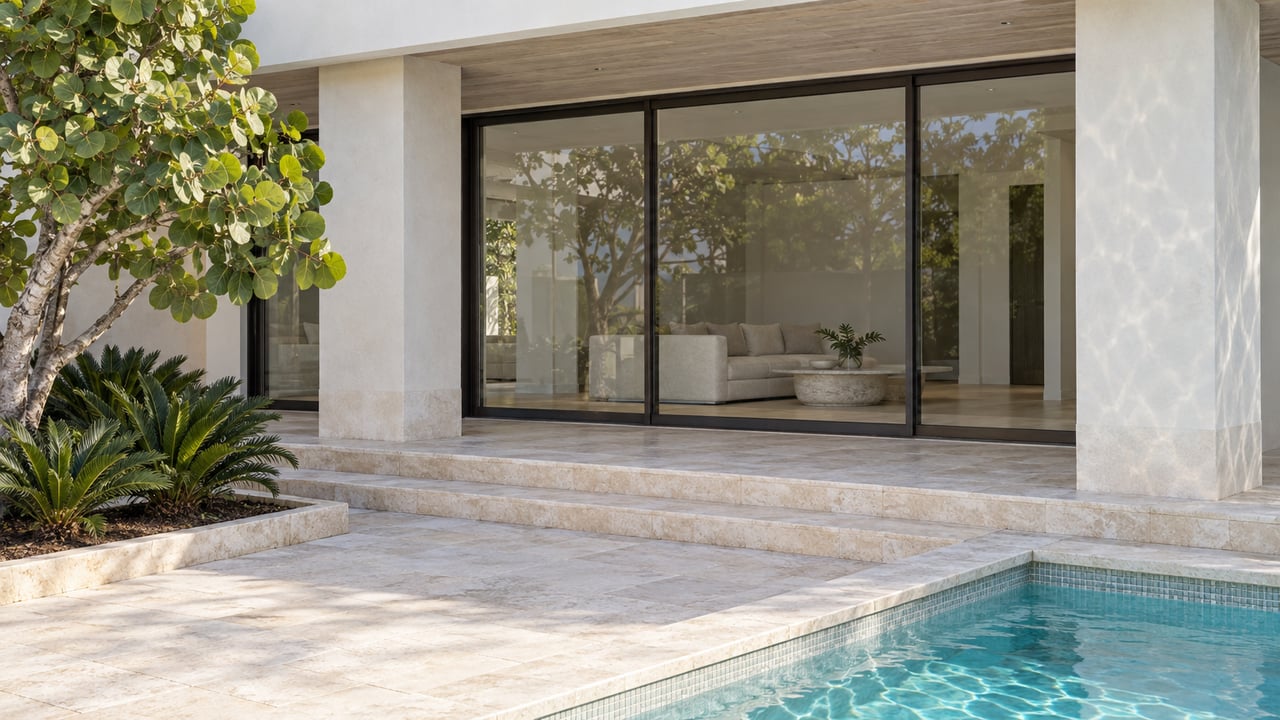
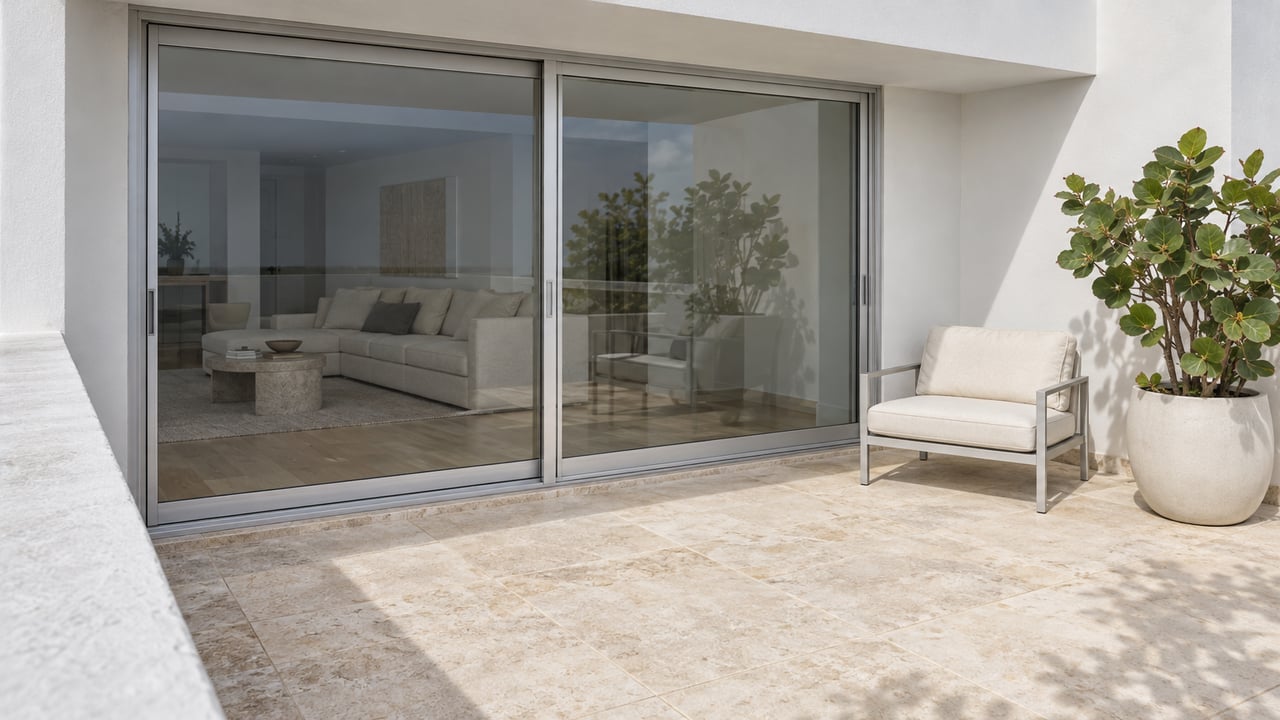
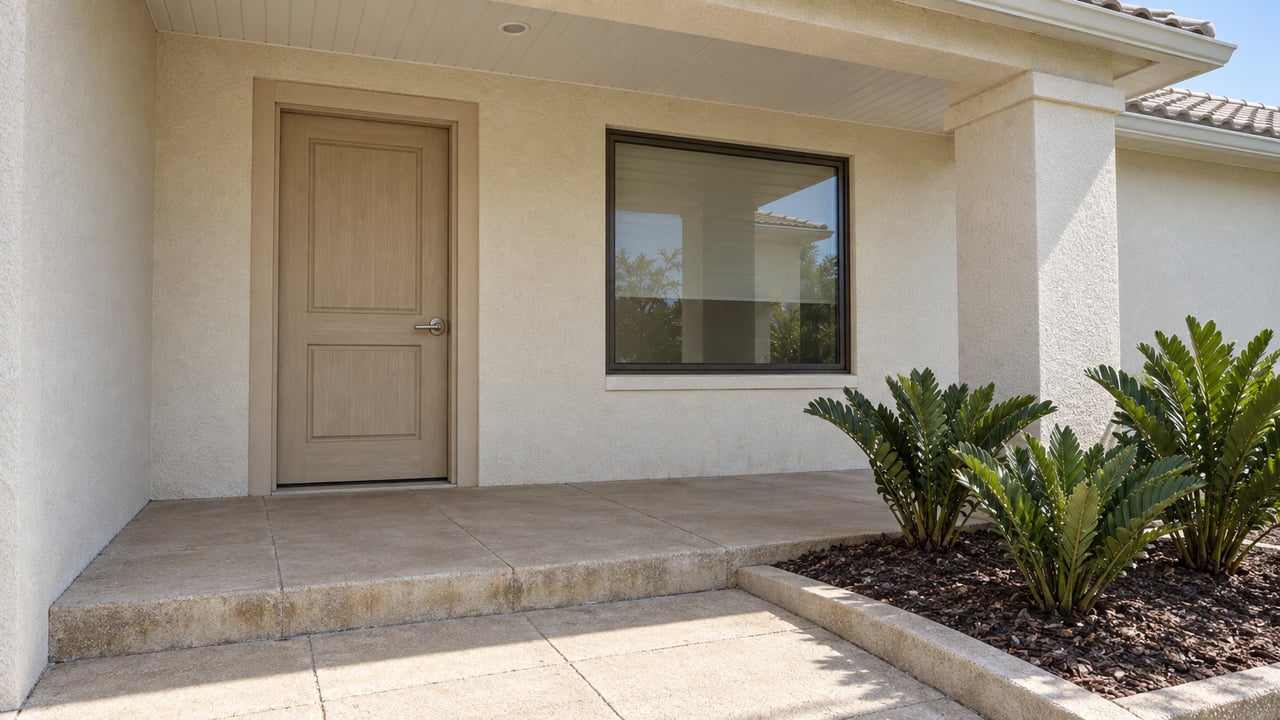
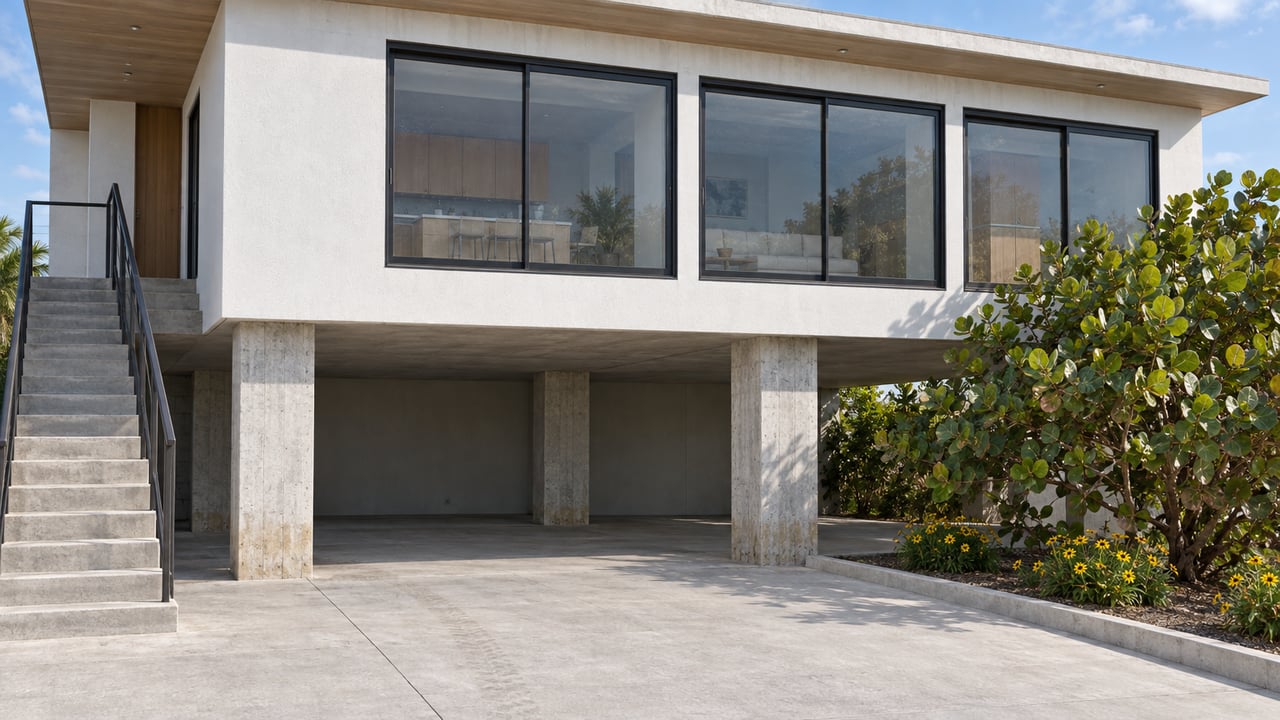
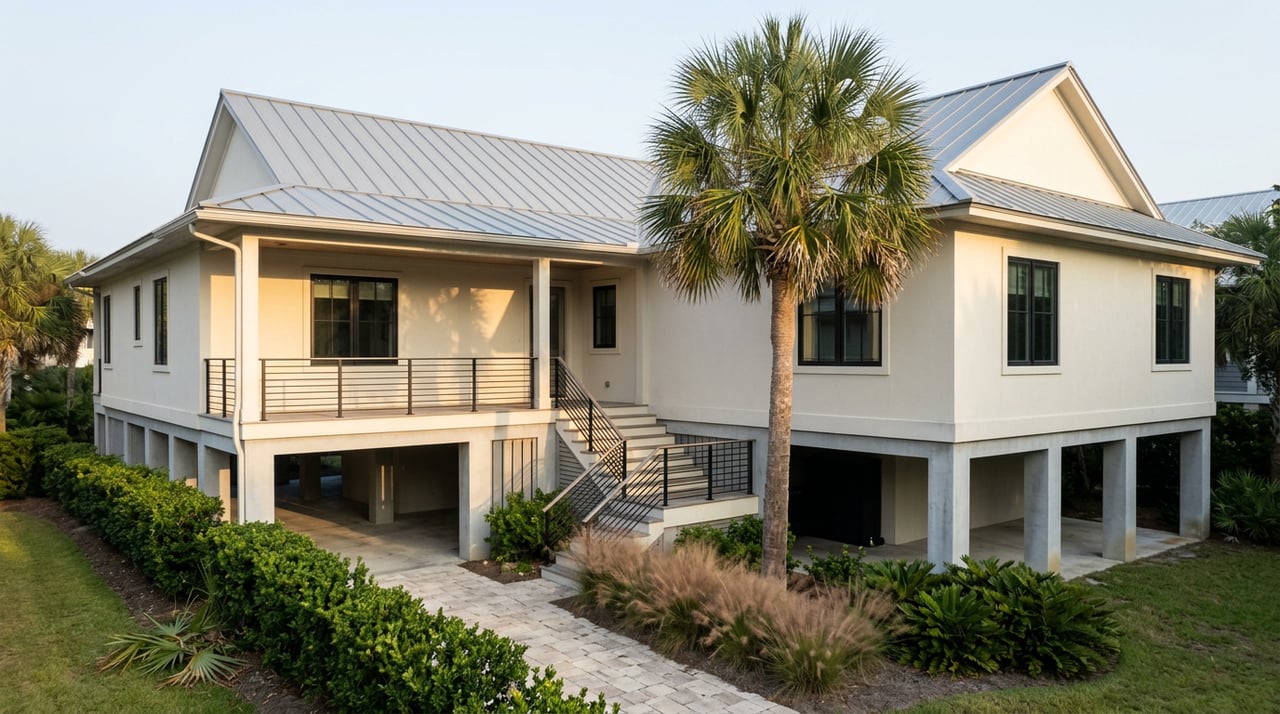
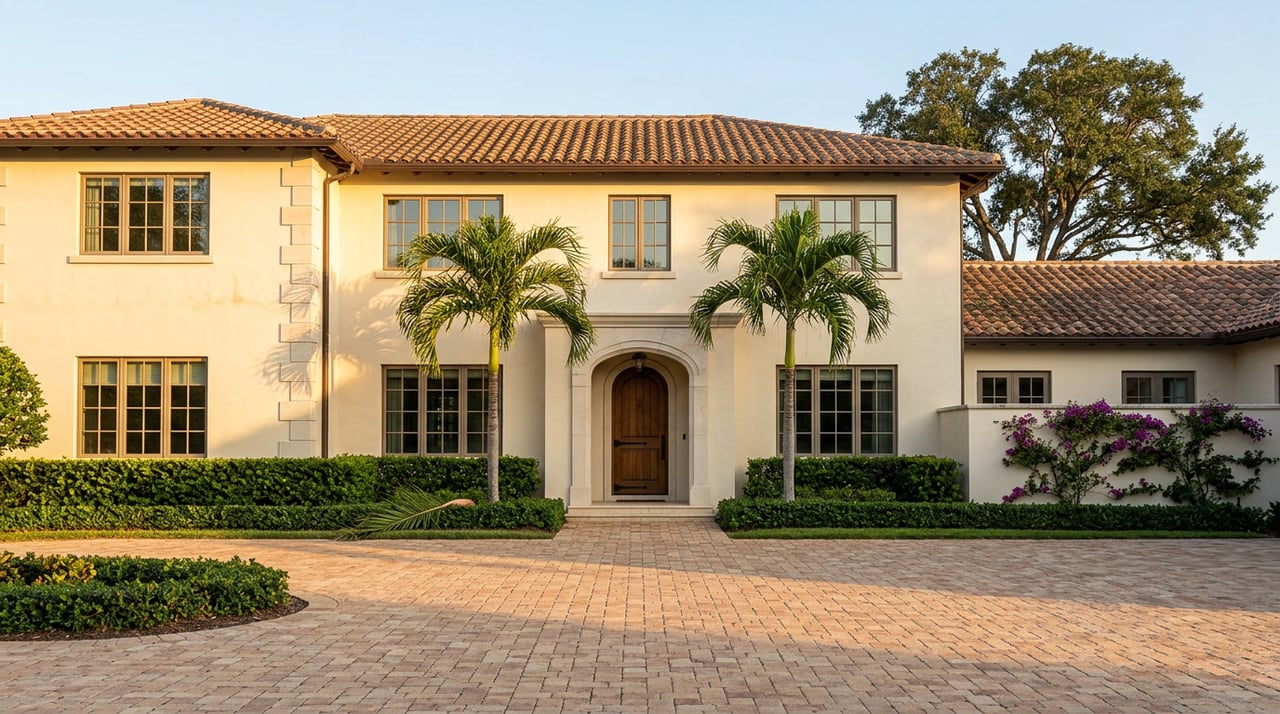
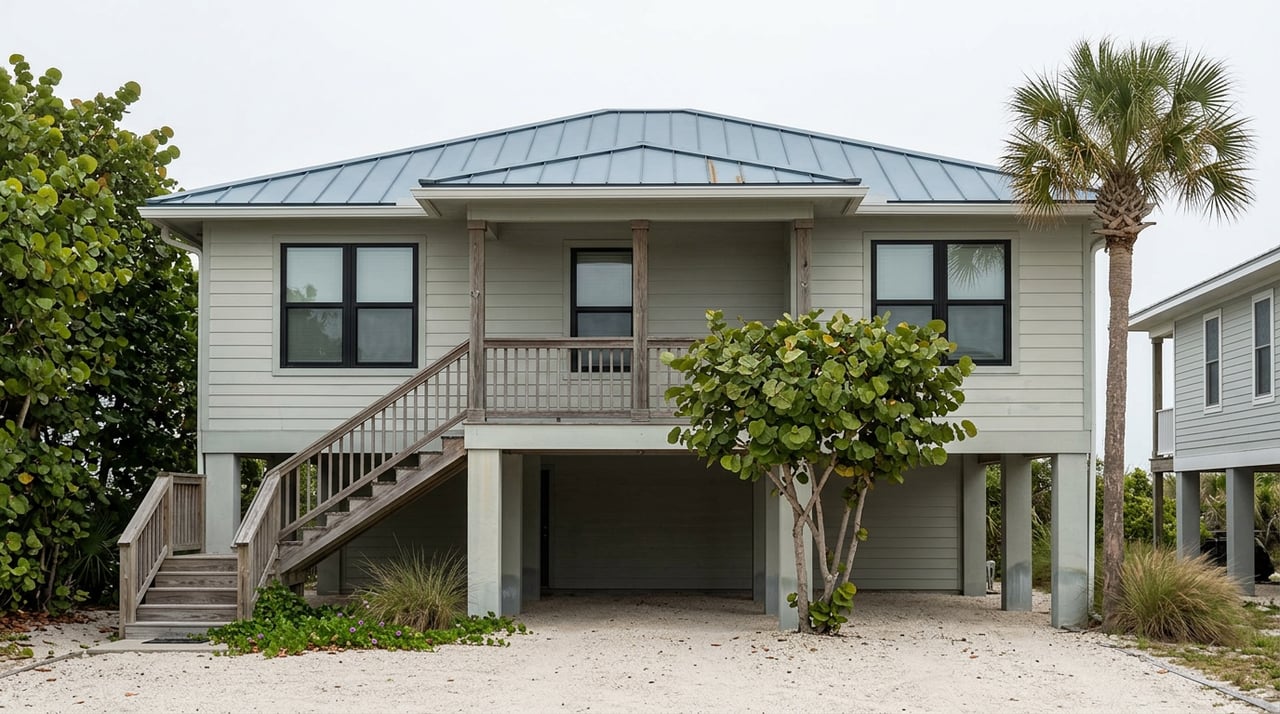
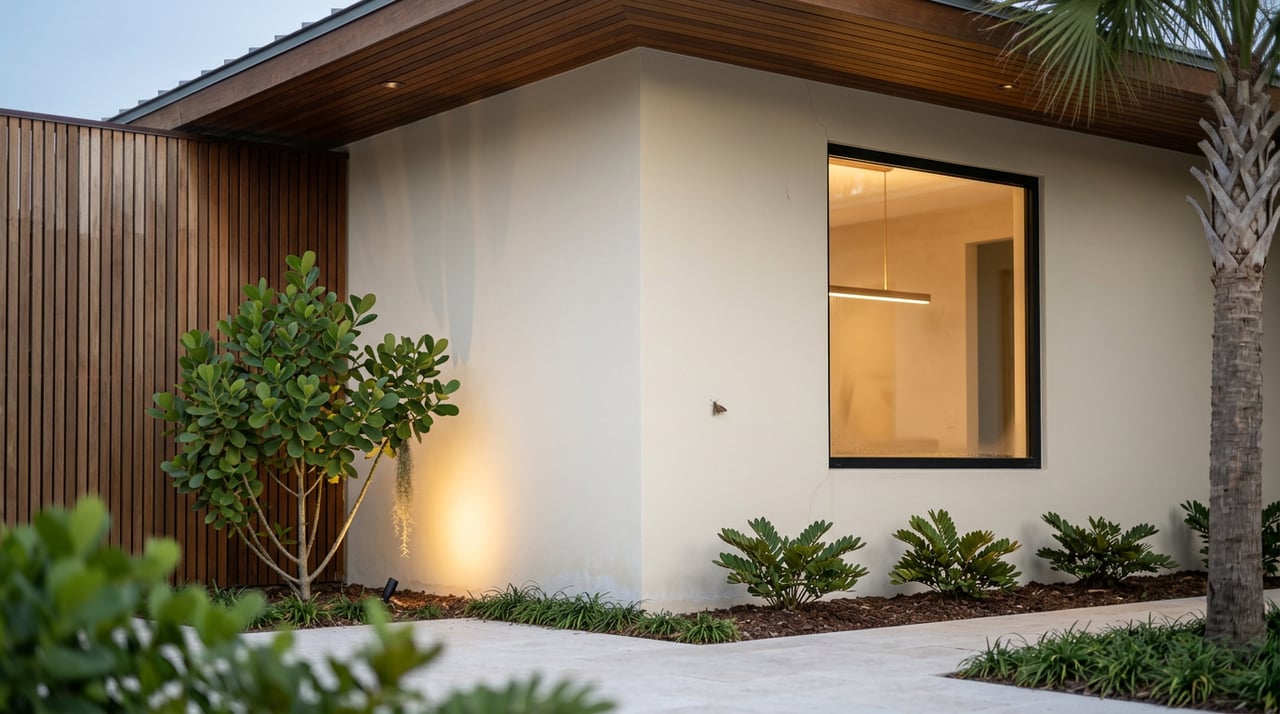
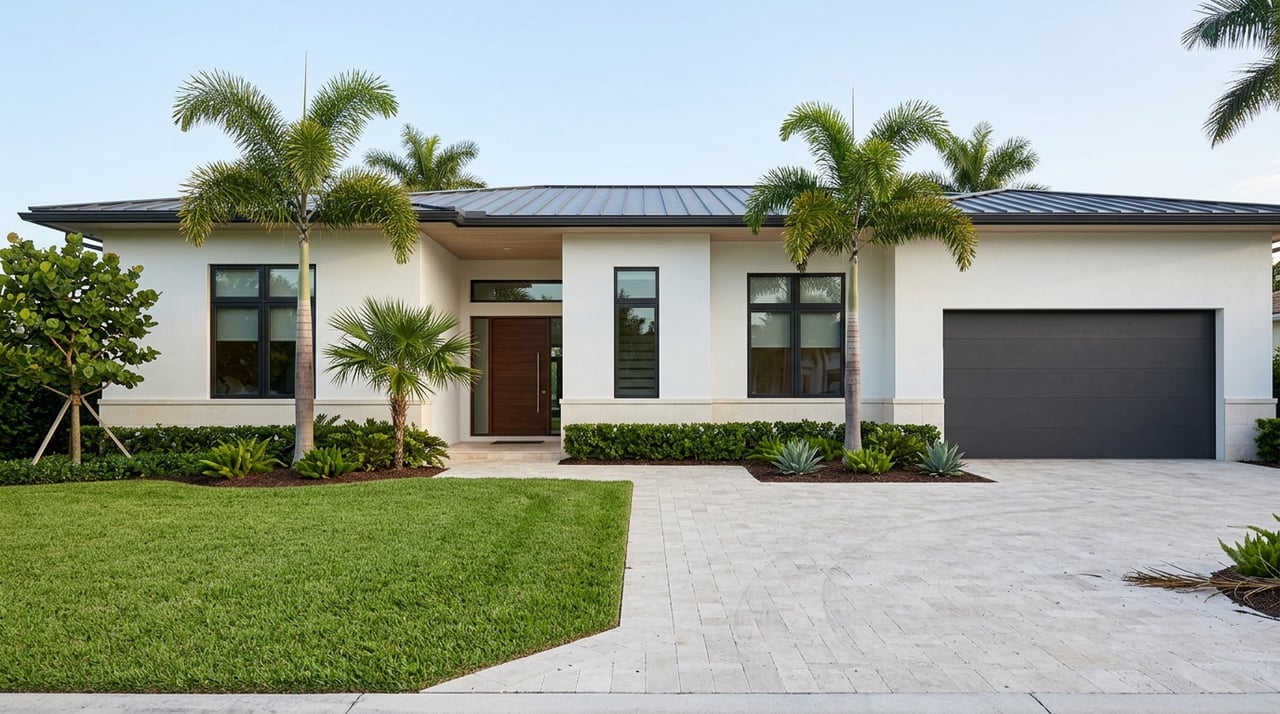
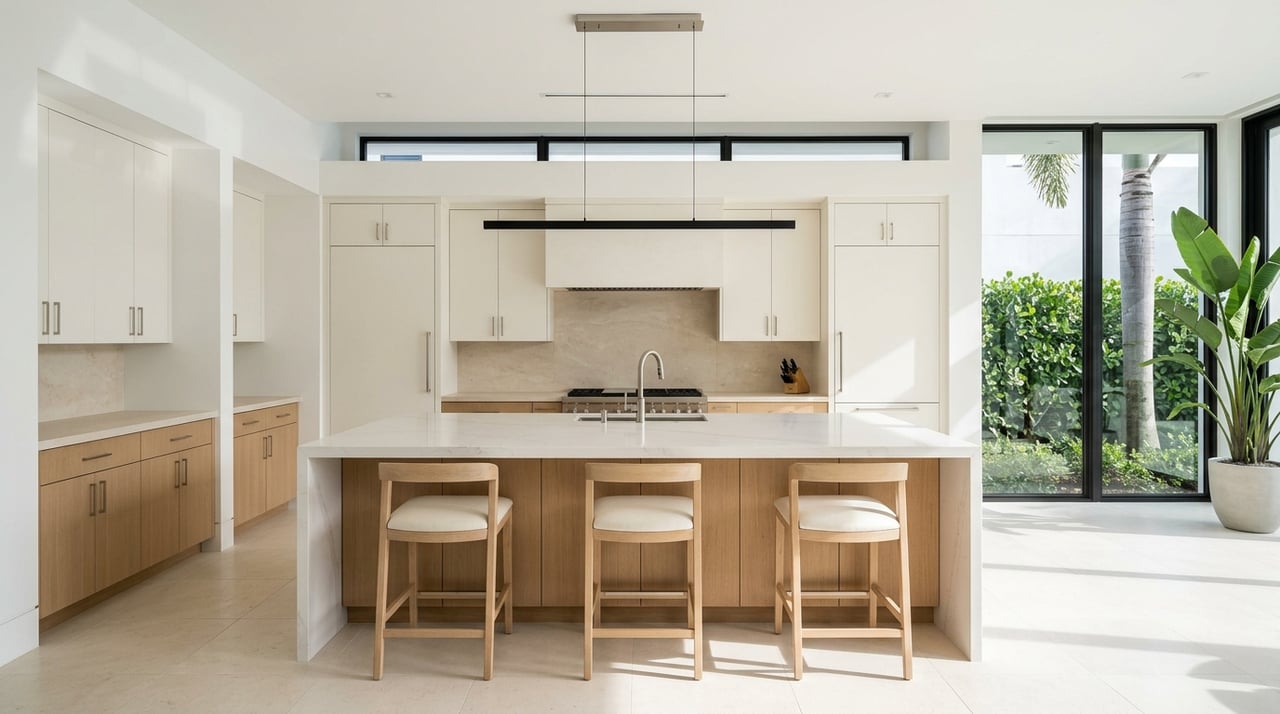
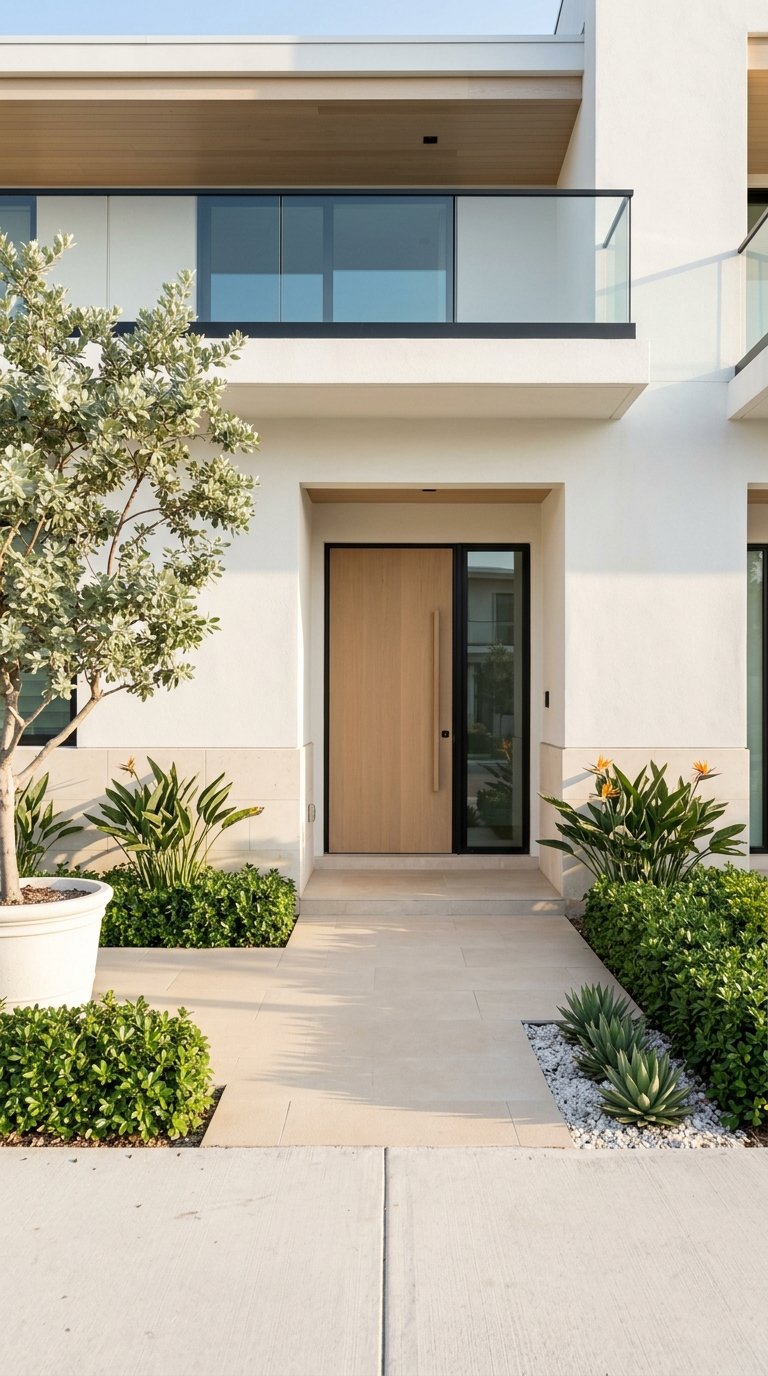
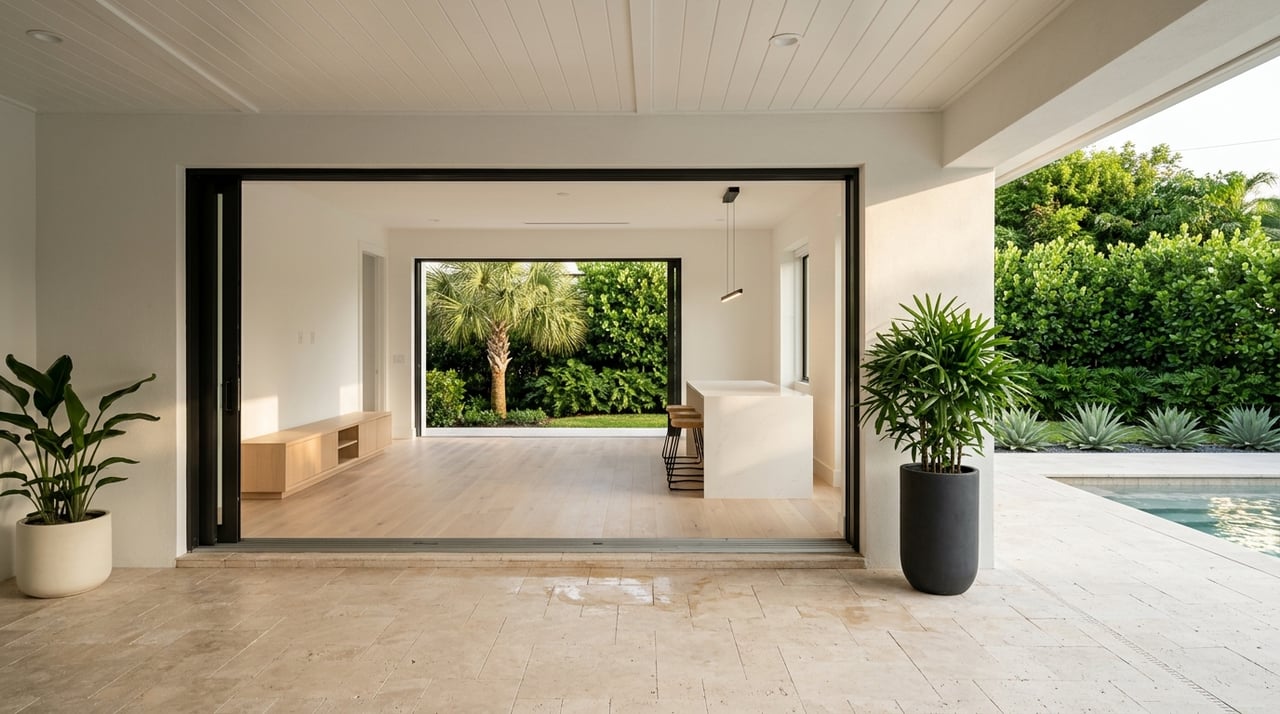
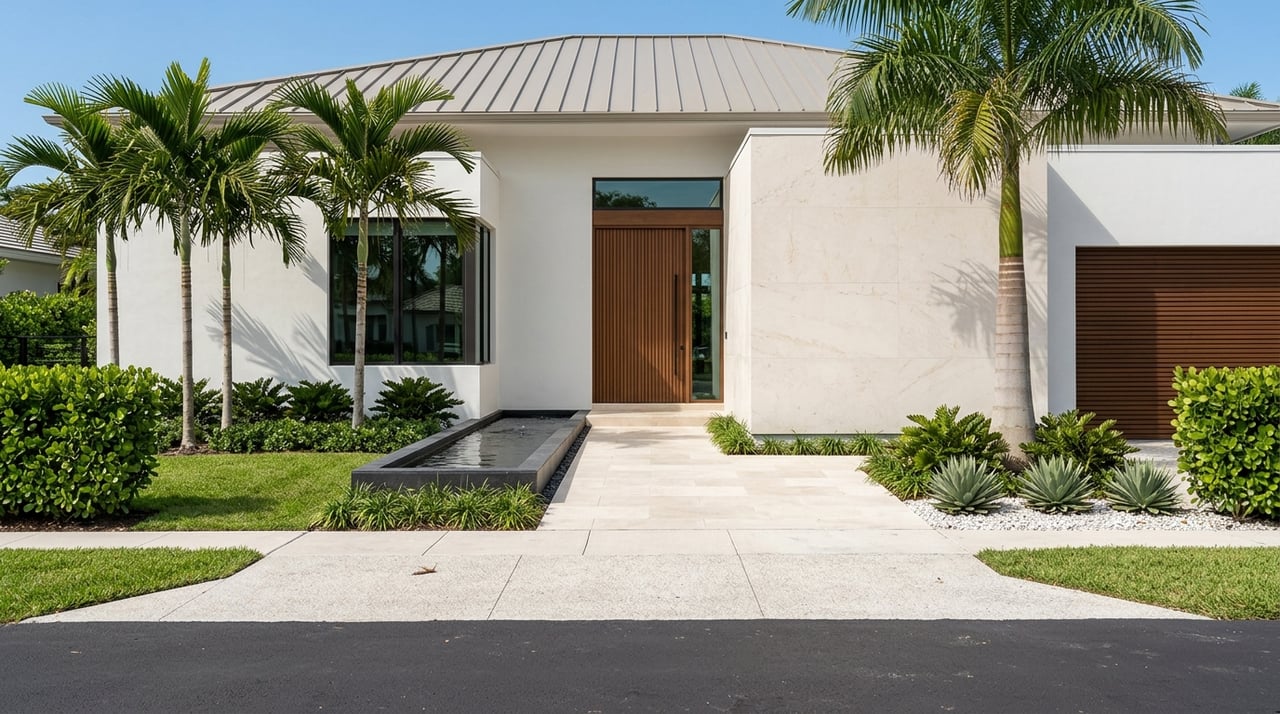
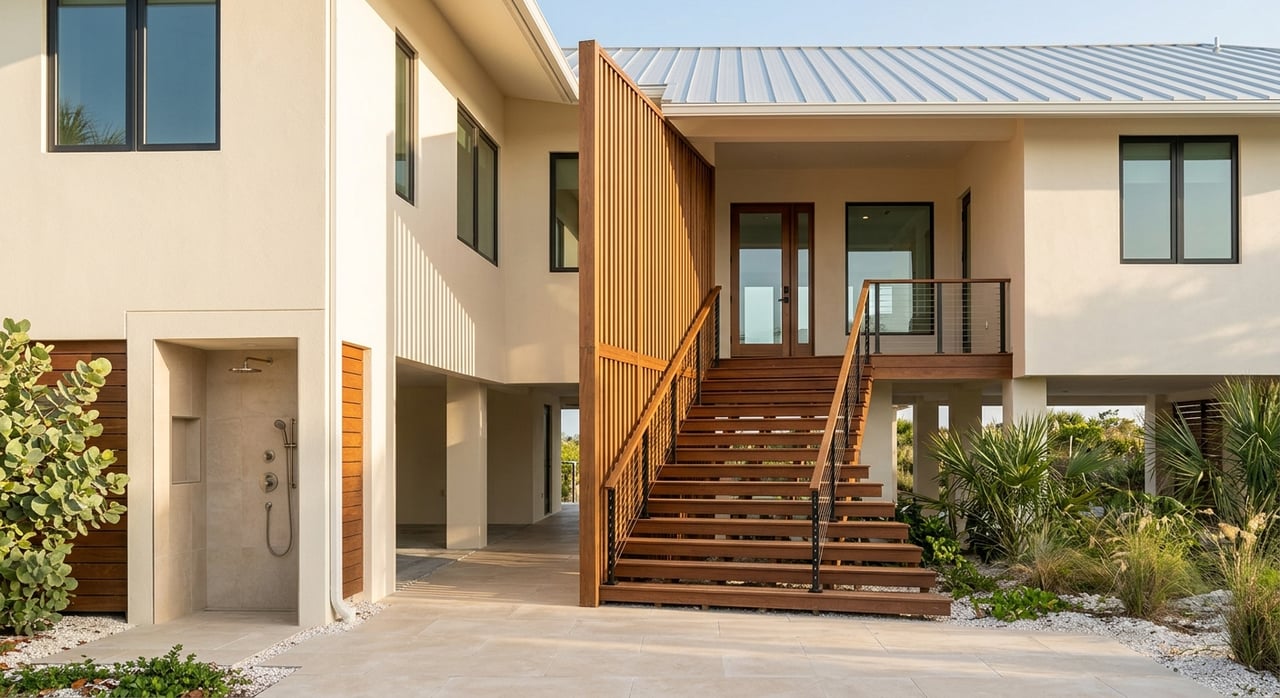
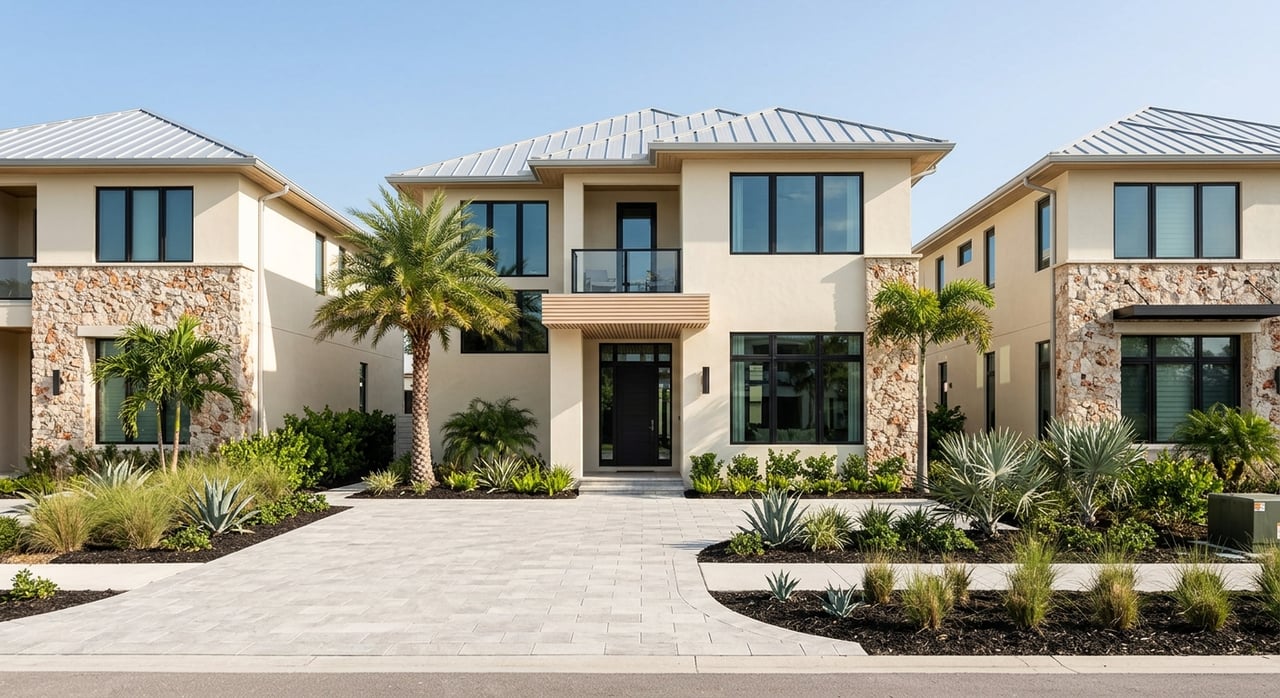
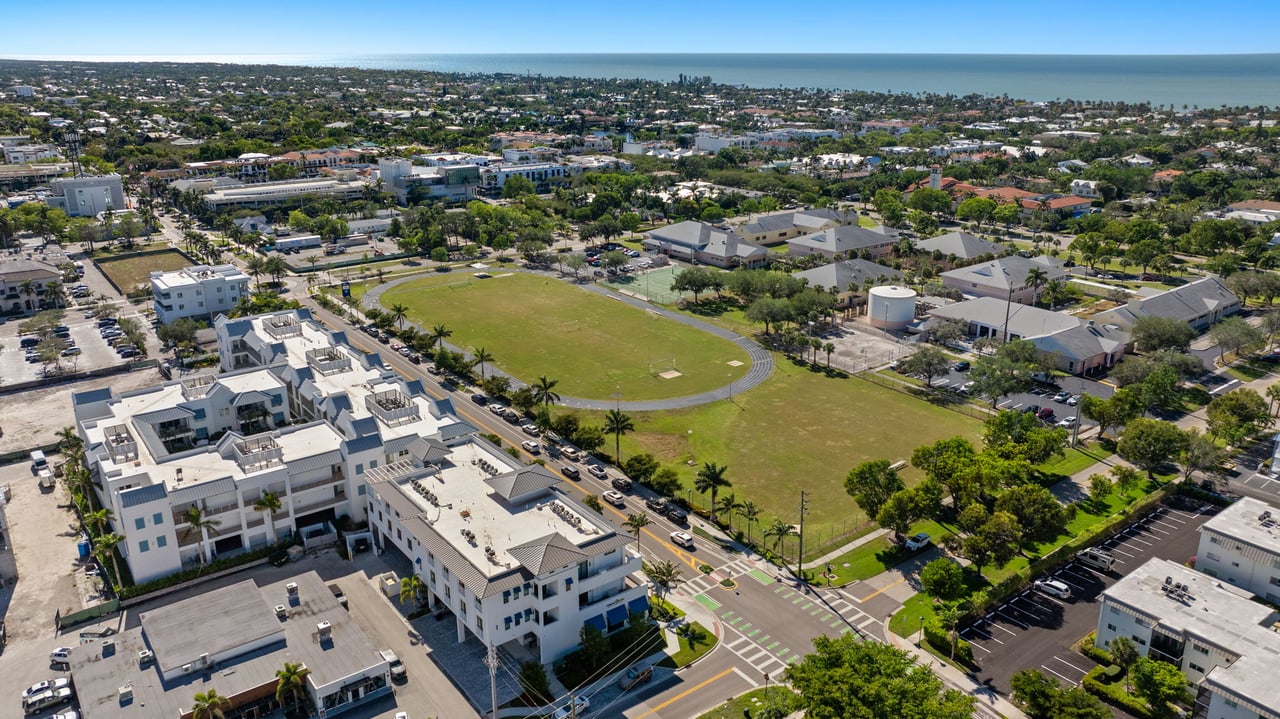
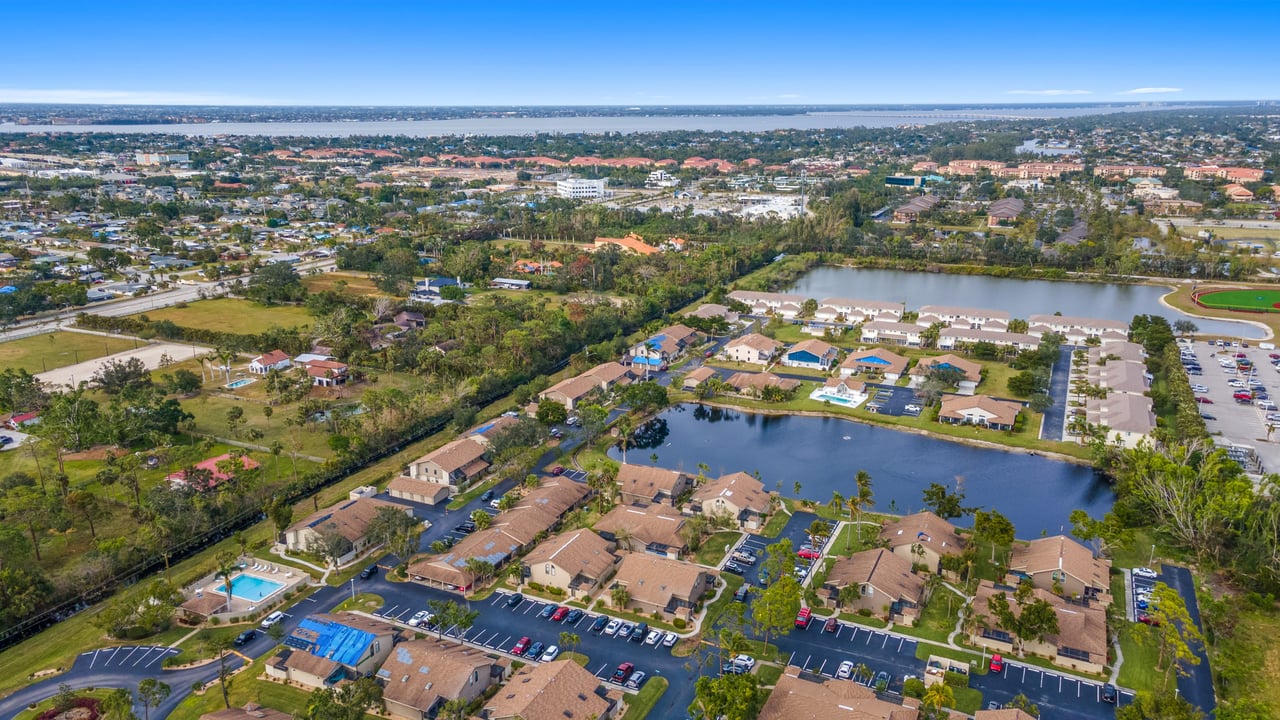
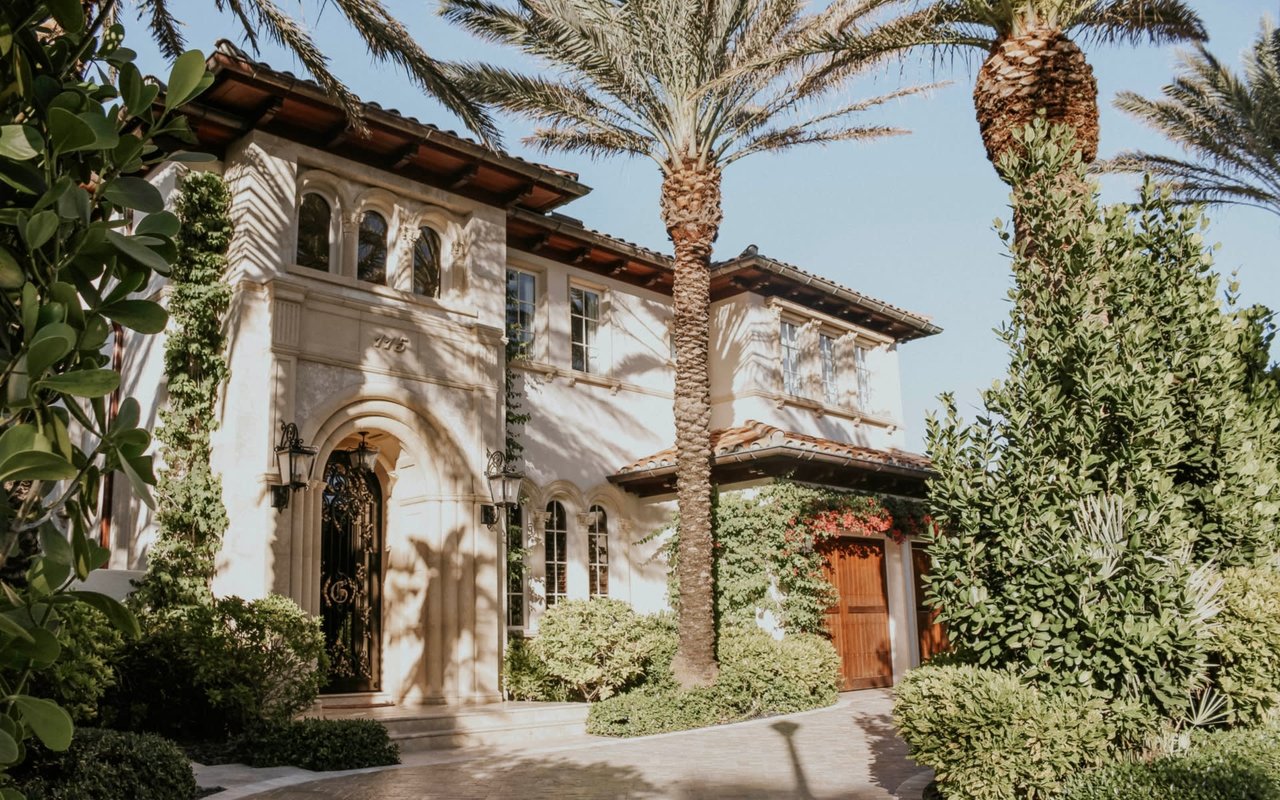
Cape Coral’s land-use and zoning framework points to a housing pattern that is often centered on detached single-family homes in single-family and low-density residential areas. In simple terms, many inland neighborhoods are made up of the kind of homes buyers expect when they picture suburban Cape Coral.
Multifamily and mixed-use housing tends to be more concentrated around downtown and corridor-style development areas. So if you are searching off the canals, you will often be looking at traditional residential streets rather than a marina-centered setting.
Cape Coral is also a strongly owner-occupied city. Census QuickFacts reports an owner-occupied housing unit rate of 77.2% for 2020 through 2024, which supports the idea that many neighborhoods are shaped by long-term homeownership.
The lifestyle tradeoff is often worth it
The clearest tradeoff is this: you give up private water access, but you may gain a more low-maintenance routine. You are still in a city known for water, sunshine, and outdoor living, yet your day-to-day experience may revolve less around canal management and more around how close you are to roads, parks, and retail.
That can be especially appealing if you are relocating, buying seasonally, or simply want a home base that feels easy to lock and leave. You still get Cape Coral’s setting and scale, but often with fewer waterfront-specific decisions to manage.
Parks and trails still shape daily life
One of the strongest arguments for living off the canals is that Cape Coral’s outdoor identity is much bigger than backyard boat access. Cape Coral Parks and Recreation maintains more than 39 locations across 1,595 acres, including playgrounds, athletic complexes, community centers, tennis amenities, a skate park, boat ramps, and Coral Oaks Golf Course.
That variety gives inland residents plenty of ways to enjoy the city without needing waterfront property. Your routine can still include green space, recreation, and time outdoors as part of everyday life.
Several local trails and walking areas stand out:
- Del Prado Linear Park has an approximately 2-mile sidewalk and fitness stations.
- Four Mile Cove offers a 6,600-foot nature trail and boardwalk with observation piers.
- Rotary Park is part of the Great Florida Birding Trail.
- Joe Coviello Park includes a scenic 1.7-mile hiking trail.
For many buyers, this is the real lifestyle shift. Instead of stepping out to a dock, you may be heading to a walking path, preserve-style trail, or nearby park.
Shopping and dining are expanding
Living off the canals does not mean living far from activity. Cape Coral’s commercial growth is increasingly corridor-based, which often works well for inland residents whose routines center on driving to errands, restaurants, and gathering spots.
South Cape remains an important hub. According to the South Cape CRA, it is the historic beginning of the city and now has more than 60 restaurants and more than 250,000 annual visitors.
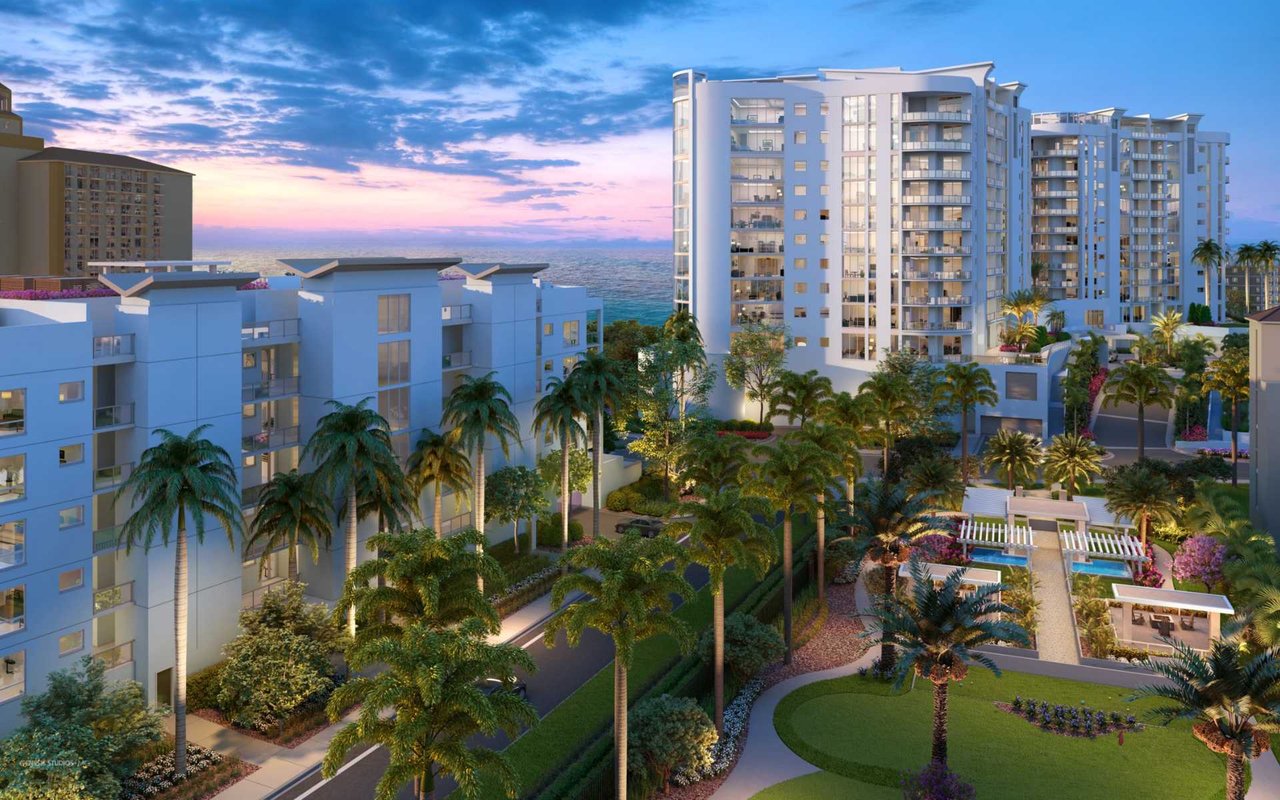
Downtown-related projects are also adding to that energy. Mixed-use developments such as Bimini Square and The Cove at 47th are bringing together retail, dining, residential, marina, and parking components in and around the downtown area.
Farther north and west, Coral Grove is another major piece of the city’s growth pattern. The city describes it as a 131-acre mixed-use town center on Pine Island Road between Chiquita Boulevard and Burnt Store Road, with plans for more than 350,000 square feet of retail, dining, and entertainment space.
The takeaway is simple: if you live inland, your lifestyle may be shaped less by the water behind your house and more by how easily you can reach these growing commercial nodes.
What commuting feels like
Whether you live on a canal or off one, Cape Coral still operates around major roads, corridors, and bridges. Local transportation patterns are shaped by Pine Island Road, Veterans Parkway, Cape Coral Parkway, Del Prado Boulevard, Burnt Store Road, and the connections into Fort Myers.
Lee County DOT oversees the Cape Coral and Midpoint Memorial bridge toll facilities, and the Midpoint Memorial Bridge connects Veterans Parkway in Cape Coral with Colonial Boulevard in Fort Myers. If you commute regionally, those connections matter just as much as your exact lot type.
LeeTran also serves Cape Coral through the Cape Coral Transfer Station and routes linking local stops with South Fort Myers Transfer Station and Coralwood Mall. Public transit exists, but the city remains largely car-oriented in how most residents move through daily life.
Flood diligence still matters
A dry lot can reduce waterfront-specific maintenance, but it does not remove the need to look closely at flood risk. Cape Coral’s flood protection guidance makes clear that flooding can happen from heavy rain and storm surge.
That is why inland buyers should still review property-specific details before making a decision. The most useful items to check are:
- Flood zone by address
- Base flood elevation
- Evacuation zone
- Hurricane guidance tied to your location
Cape Coral and Lee County both provide address-level flood and evacuation information. The city’s hurricane guidance also says residents should evacuate if they live in an evacuation zone, a mobile home or RV, a flood-prone or storm-surge area, or if they do not feel safe staying in place.
Who living off the canals fits best
This version of Cape Coral often works well for buyers who want the city’s setting without centering their purchase around boating or shoreline upkeep. That can include first-time buyers, local move-up buyers, seasonal owners, and relocators who want a more straightforward day-to-day ownership experience.
It can also make sense if you care more about access to roads, parks, retail, or trail systems than direct water frontage. In that case, a dry-lot home may align better with how you actually plan to live.
How to evaluate inland neighborhoods
When you tour homes off the canals, it helps to look beyond the house itself. Pay attention to how each area connects to the parts of Cape Coral you will use most.
A few smart questions to ask include:
- How close am I to the roads I will use every day?
- Which parks or trails are nearby?
- How easy is it to reach South Cape, Pine Island Road, or downtown areas?
- What flood and evacuation details apply to this address?
- Does this location support my year-round or seasonal routine?
Those questions often lead to better decisions than focusing only on whether a home is or is not on the water.
If you are weighing canal-front living against a dry-lot home in Cape Coral, the right answer usually comes down to how you want your days to feel. If you want a home that keeps you connected to the city’s outdoor lifestyle, growing commercial centers, and residential character without the extra layer of shoreline responsibilities, living off the canals may be exactly the fit you are looking for.
If you want help comparing Cape Coral neighborhoods and finding the right balance of lifestyle, convenience, and property upkeep, contact Haven Group FL for a private consultation.
FAQs
What does living off the canals in Cape Coral mean?
- It usually means owning a home on a dry lot or inland parcel within Cape Coral, without canal frontage, a dock, or direct shoreline maintenance.
Are inland Cape Coral homes still close to parks and outdoor spaces?
- Yes. Cape Coral Parks and Recreation maintains more than 39 locations across 1,595 acres, and the city includes trails, boardwalks, walking paths, athletic facilities, and other recreation amenities.
Is Cape Coral still car-oriented if you live off the canals?
- Yes. Cape Coral’s daily traffic patterns still revolve around major corridors and bridge connections, although LeeTran also provides fixed-route transit service in the area.
Do dry-lot homes in Cape Coral avoid flood concerns?
- No. A dry lot may avoid some waterfront-specific upkeep, but buyers should still check flood zones, base flood elevations, evacuation zones, and local hurricane guidance by address.
Are homes off the canals usually single-family homes in Cape Coral?
- Often, yes. Cape Coral’s land-use and zoning framework shows many single-family and low-density residential areas, while multifamily and mixed-use housing is more concentrated in downtown and corridor projects.