Thinking about a move to Fort Myers? The hardest part usually is not deciding if Southwest Florida fits your lifestyle. It is figuring out which part of Fort Myers fits your day-to-day life best. If you are comparing neighborhoods, commute patterns, school options, and the realities of living here full time, this guide will help you sort through the tradeoffs with more confidence. Let’s dive in.
Fort Myers Lifestyle Starts With Location
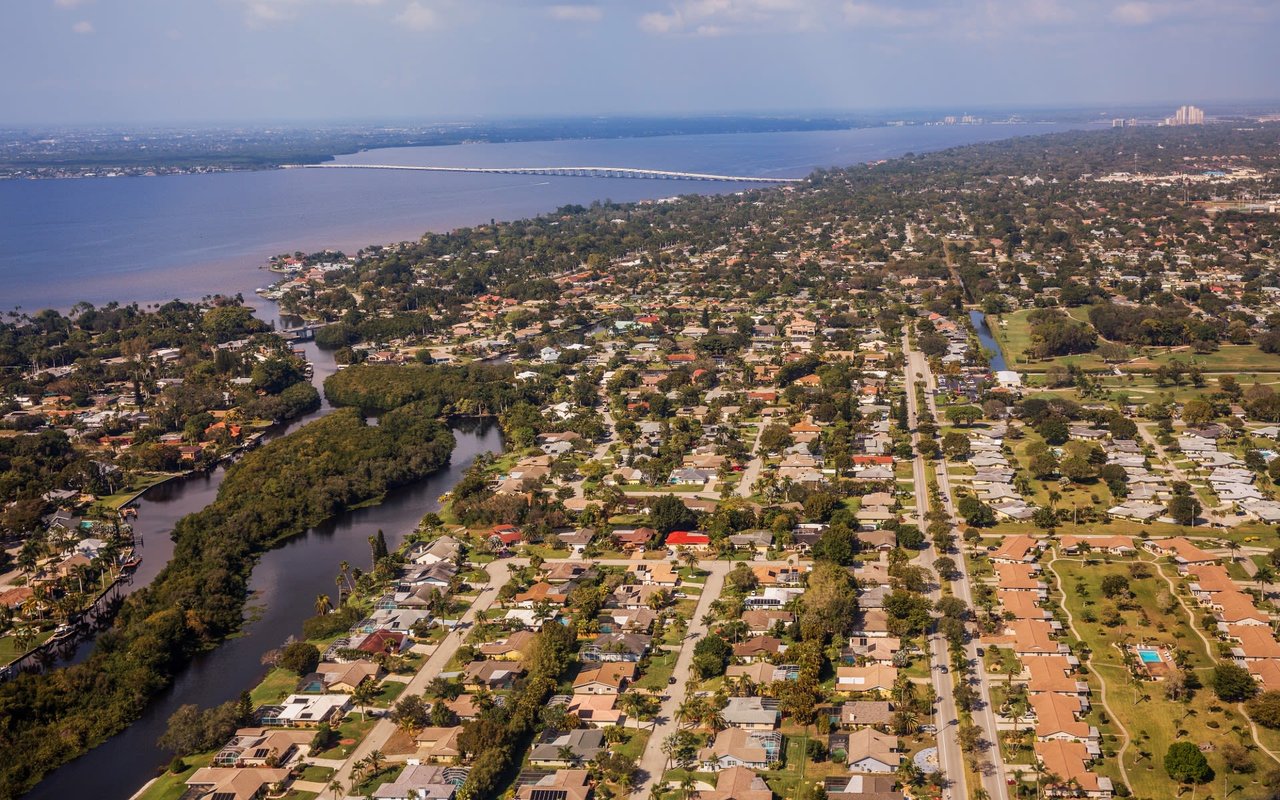
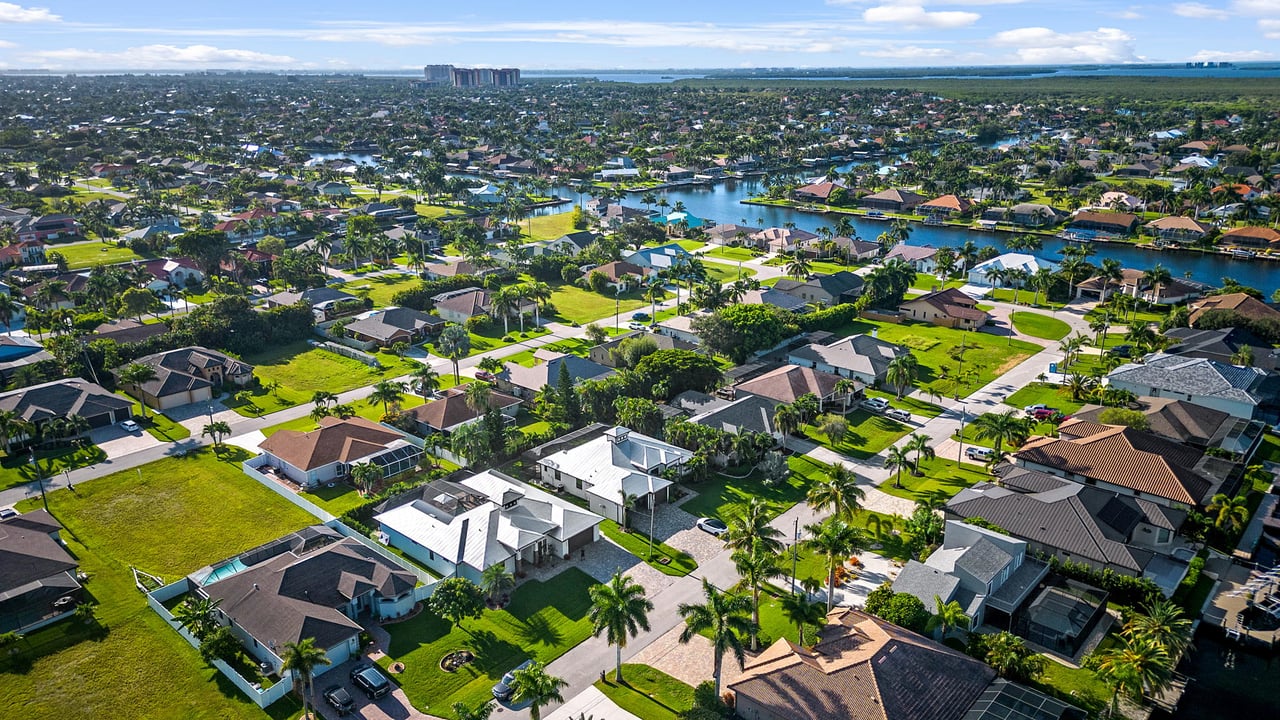
Fort Myers makes the most sense when you view it as a group of lifestyle zones rather than one uniform market. Your experience can feel very different depending on whether you want a walkable downtown routine, a historic central address, more inland space, or easier access to beaches and boating.
That is why relocation decisions here often come down to a few practical questions. How much driving do you want in a normal week? Do you want to be near restaurants and arts venues, or do you prefer a quieter setting with more land? And how important is airport access, healthcare, or school choice to your move?
Downtown Fort Myers and River District
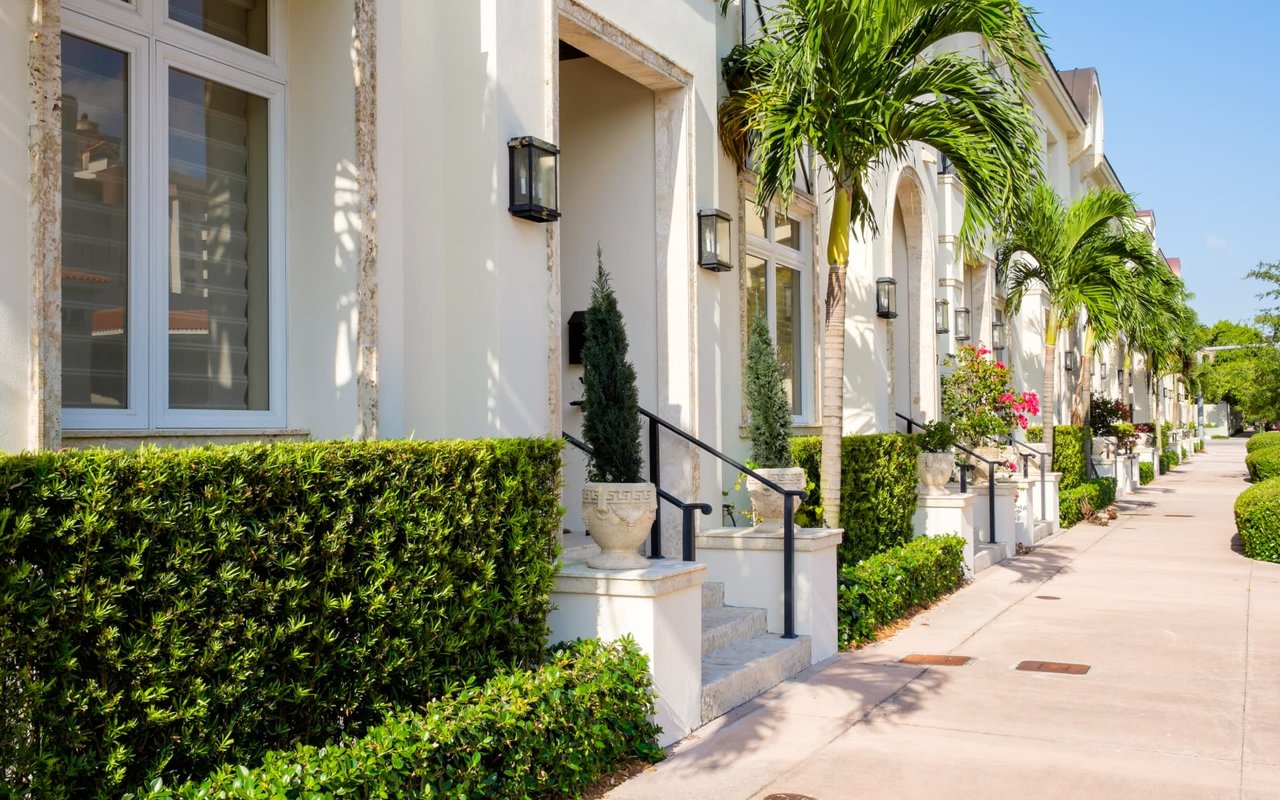
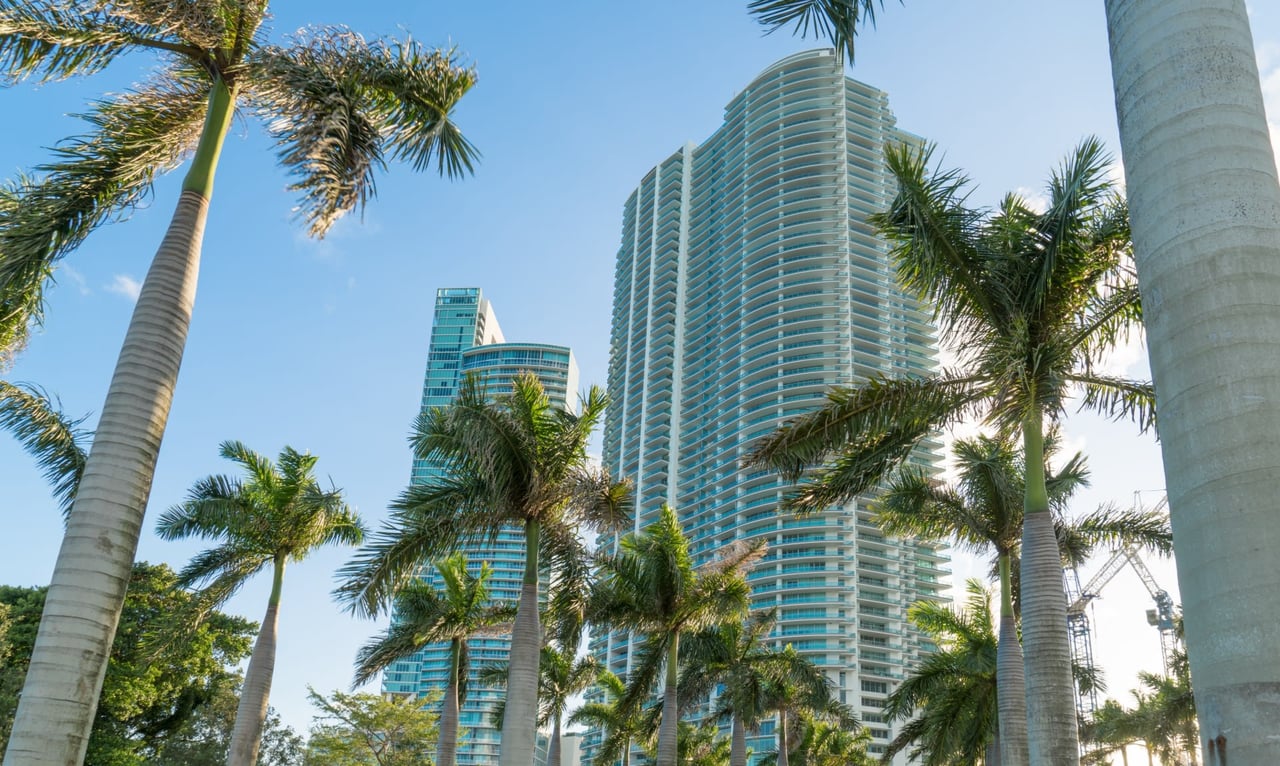
If you want a more walkable, urban feel, downtown Fort Myers and the River District stand out. Official local sources describe the area as the city’s historic and cultural core, with brick-paved streets, public art, river views, restaurants, shops, galleries, and cultural venues.
This area can be a strong fit if you picture your routine including coffee shops, dining out, local events, and an active arts scene. The River District is also home to destinations like the IMAG History & Science Center, Florida Repertory Theatre, Sidney & Berne Davis Art Center, and the Williams Academy Black History Museum.
For many relocators, the tradeoff is simple. You gain character, convenience, and a more connected feel, but you may give up some yard space and a quieter, lower-density setting.
McGregor Boulevard and Central Fort Myers
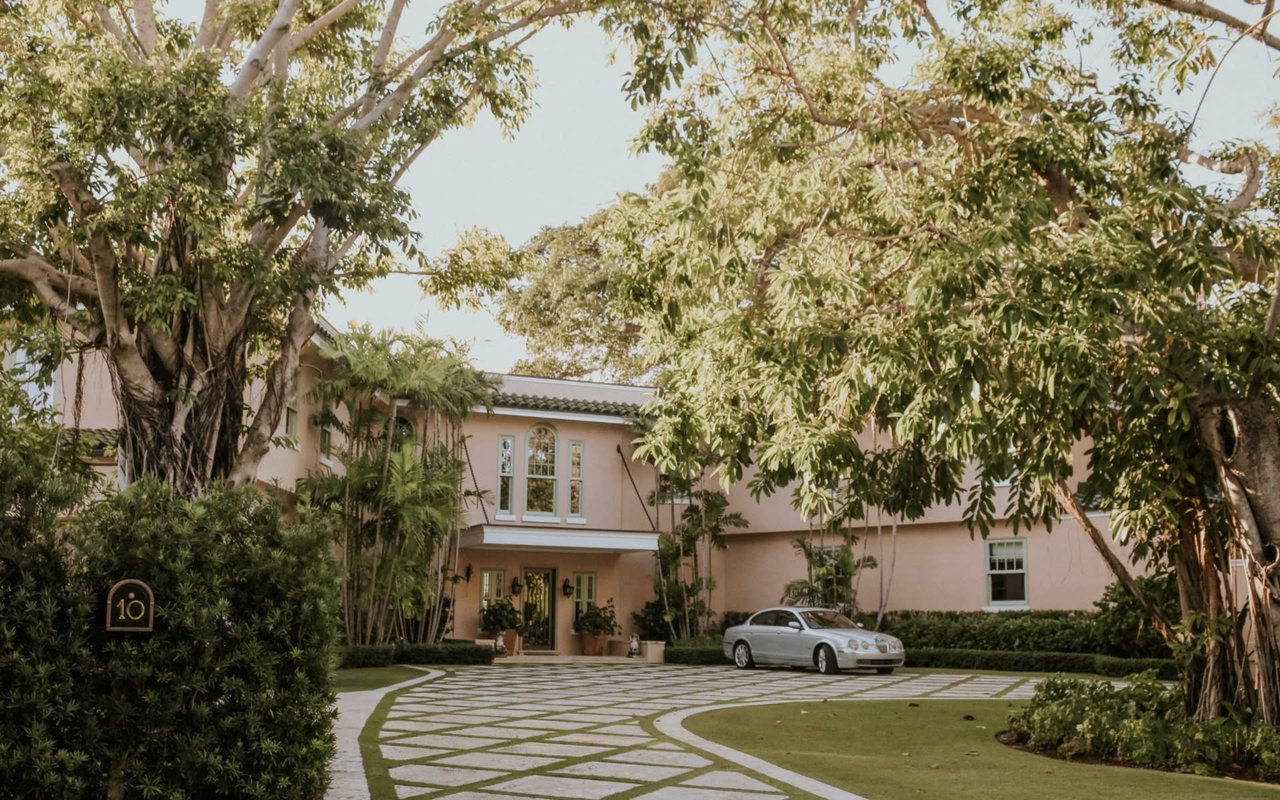
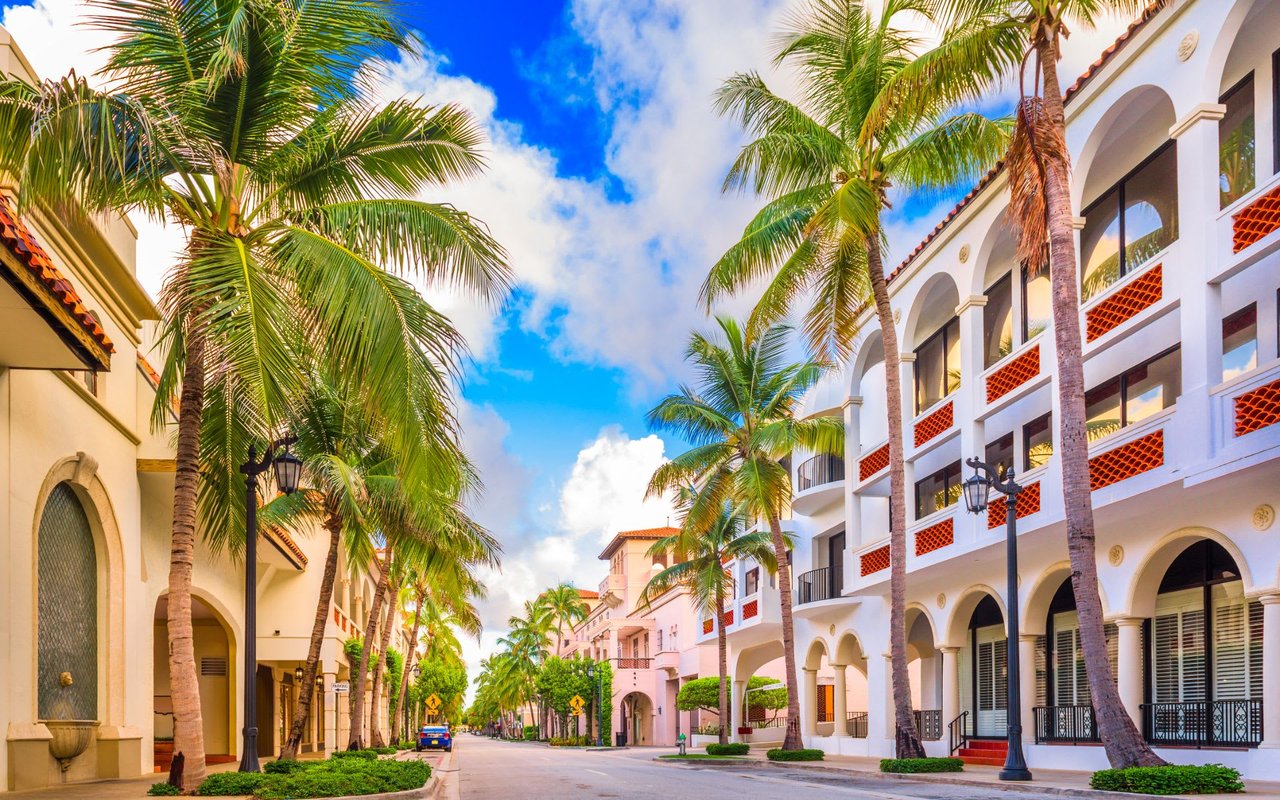
McGregor Boulevard offers a different kind of appeal. It is one of Fort Myers’ most recognizable corridors, known for royal palms, older homes, historic character, and access to landmarks like the Edison & Ford Winter Estates.
This part of Fort Myers often appeals to buyers who want a central location without choosing a fully downtown environment. You still get a strong sense of place, but with a more residential rhythm in many sections.
McGregor is also important from a driving standpoint. It links downtown with roads leading toward Sanibel, Captiva, and Fort Myers Beach, so it serves as both a lifestyle corridor and a practical access route.
Inland Areas for More Space
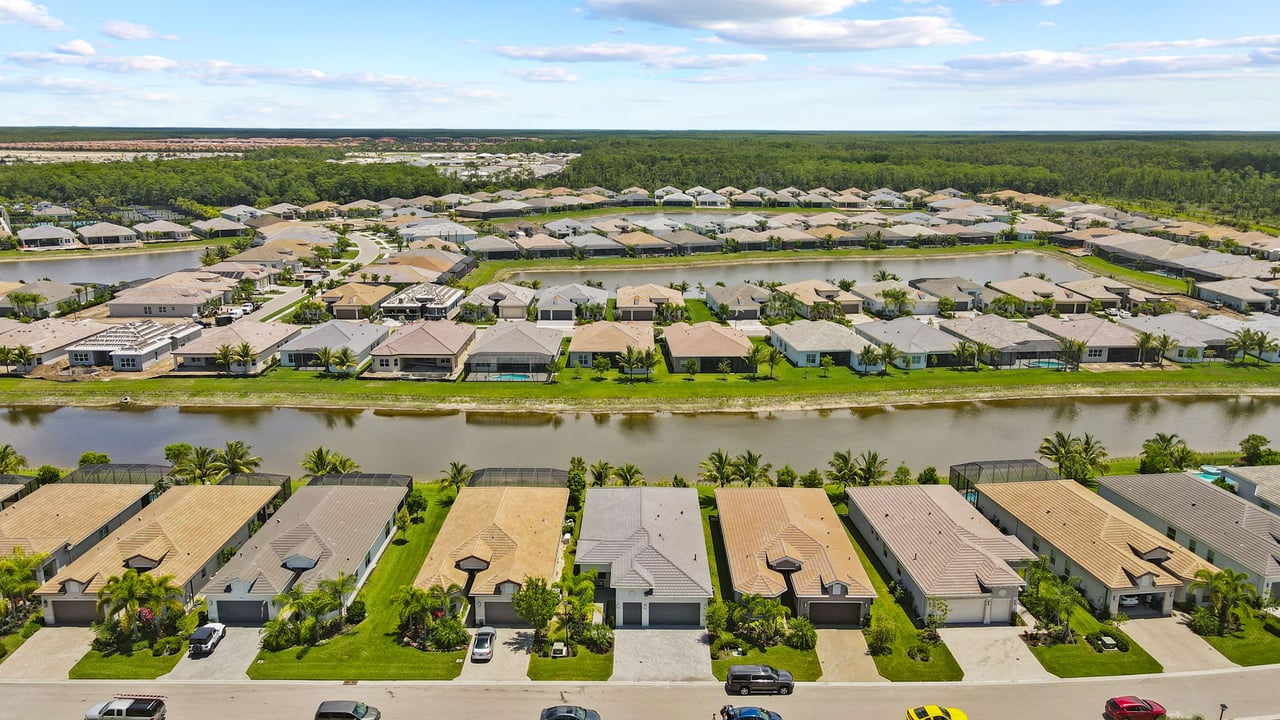
If your priority is more room and a less dense setting, the inland and suburban-style options may be worth a closer look. North Fort Myers is often described as a town-and-country area, with a mix of farming, ranching, preserves, paddling, and wildlife.
In the broader Lee County area, places like Alva, Buckingham, and Lehigh Acres are known for wider-open settings. These areas can appeal to buyers who want larger lots, a quieter pace, or a different value equation than what you may find closer to the water.
The tradeoff is usually more driving. If you choose more space inland, you should expect your home search to be closely tied to your typical routes for work, errands, healthcare, and recreation.
Beach-Adjacent Living Near Fort Myers
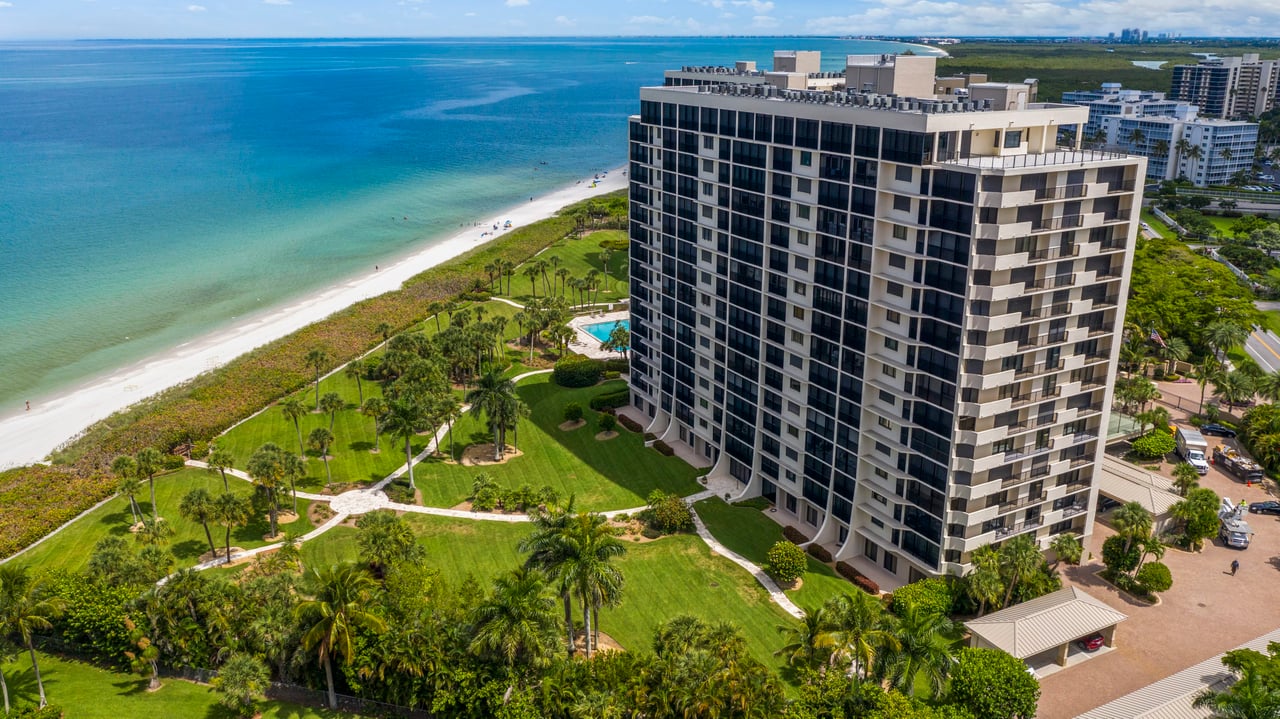
Some relocators are really choosing between Fort Myers itself and a beach-oriented lifestyle nearby. In that case, Fort Myers Beach and Sanibel often represent two very different experiences.
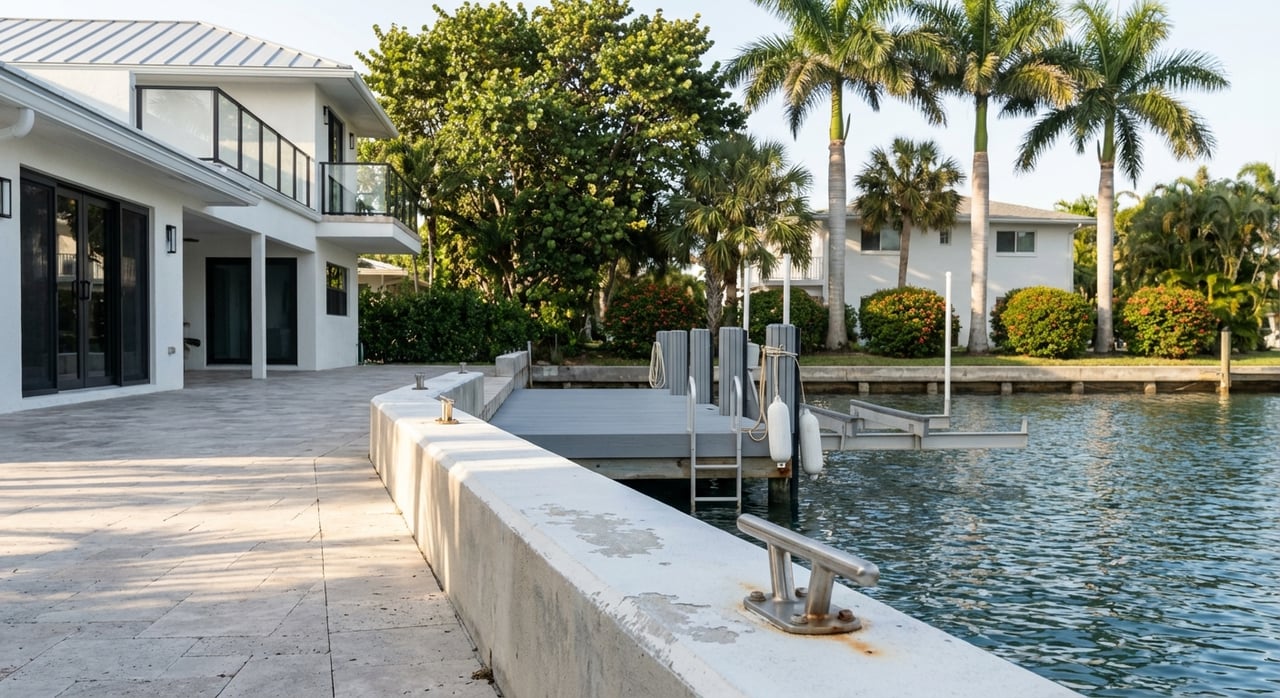
Fort Myers Beach is the more energetic option. Official area materials describe it as a lively beach town with restaurants, beach parks, boating access, rentals, tours, and resort activity.
Sanibel offers a quieter, more nature-forward feel. It is widely associated with shelling, beach walks, and a lower-key island pace. If Fort Myers Beach feels active and social, Sanibel tends to feel more focused on natural surroundings and time outdoors.
Commutes in Fort Myers Are Mostly Car-Based
One of the biggest relocation realities in Fort Myers is that daily life is still heavily car-oriented. Lee County transportation data show that driving alone is the most common commute option, while public transit use remains low.
The Florida Department of Health’s county dashboard lists Lee County’s mean travel time to work at 28.4 minutes in 2023. That gives you a useful baseline, but your actual experience will depend heavily on where you live compared with where you work and spend your time.
In practical terms, Fort Myers rewards buyers who map out their weekly routine before choosing a neighborhood. A home that looks perfect on paper may feel less convenient if it adds time to the drives you make most often.
Main Roads to Know
Fort Myers commuting becomes easier to understand once you know the main road network:
- I-75 is the primary north-south highway through Lee County
- U.S. 41 runs roughly parallel to I-75
- McGregor Boulevard connects downtown with routes toward Sanibel, Captiva, and Fort Myers Beach
- State Road 78 links the mainland with Pine Island while crossing Cape Coral
If you are relocating for work, travel, or a hybrid schedule, these road patterns matter. Where you buy should make sense not just for weekends, but for your most common weekday drives.
Public Transit and Backup Options
Public transit exists in Fort Myers, but it generally works better as a supplement than a primary plan for most households. LeeTran provides fixed-route service, ADA paratransit, transportation disadvantaged services, and an employer vanpool program.
Its transfer network includes hubs such as the Rosa Parks Transportation Center, Edison Mall, Fort Myers Beach Park and Ride, South Fort Myers Park and Ride and Transfer Station, and Lehigh Park and Ride. For some residents, these services can be a helpful backup option, especially for specific routes or occasional trips.
Still, most relocators should plan around driving first. That is especially true if you want flexibility across multiple neighborhoods, beaches, and shopping or dining areas.
Airport Access Matters More Than You Think
If you travel often, airport access can shape your home search more than expected. Southwest Florida International Airport, or RSW, is the region’s commercial airport and is located southeast of Fort Myers, about three miles east of I-75 and south off Treeline Avenue.
For frequent flyers, that can make nearby highway access a major convenience factor. Whether you travel for work, split time seasonally, or host out-of-town guests, the drive to RSW often becomes part of your long-term quality of life.
Page Field serves a different role. It is the general aviation airport in Fort Myers and is identified by the Lee County Port Authority as the closest airport to downtown Fort Myers and the beaches, though it does not offer commercial airline service.
Schools in Lee County Require Early Planning
If you are moving with children, it is smart to treat school planning as an early step in your search. Lee County Public Schools handles new enrollment online through the Focus Parent Portal, and the district directs families to gather documents, log in or create an account, and use the Choice Application during the annual open-enrollment window.
The key takeaway is that school placement should not be assumed based only on neighborhood name or general reputation. In Lee County, address-based attendance and the district’s school-choice process both matter.
That structure can be helpful for families who want to explore different academic formats or specialized programs. It also means timing and verification are important during your relocation process.
Notable School Options to Research
Some relocators may want to look more closely at specific district offerings in and around Fort Myers, including:
- Fort Myers High School, which lists an International Baccalaureate program and was reported by the district in January 2026 as earning Gold distinction on the 2025 AP School Honor Roll
- Edison Park Creative and Expressive Arts School, which reflects the district’s arts-focused options
- South Fort Myers High School, a Cambridge and Career Academy magnet with pathways including Automotive & Construction, Health & Safety, Technology, and Hospitality & Tourism
The most useful move is to verify the options that fit your household directly through the district’s enrollment and choice process before you narrow your home search too far.
Healthcare and Everyday Services
Relocating with confidence is not just about the house. It is also about knowing your daily services are in place. Lee Health is the area’s major health system and reports four acute care hospitals: Lee Memorial Hospital, HealthPark Medical Center, Gulf Coast Medical Center, and Cape Coral Hospital.
Lee Health also notes that Gulf Coast Medical Center is a Level II Trauma Center, HealthPark has a 24/7 emergency room, and Golisano Children’s Hospital includes Lee County’s only pediatric ER. For many buyers, that depth of care is an important part of evaluating a full-time move.
Utility setup is another practical item that deserves attention before closing. The City of Fort Myers Utilities Department handles new service setup, solid waste service, bill pay, service-off requests, rates and fees, and water-quality information for city-served properties.
Because utility service can vary by address and jurisdiction, it is wise to confirm whether a home is served by city or county utilities before you move forward.
Weather and Seasonal Reality
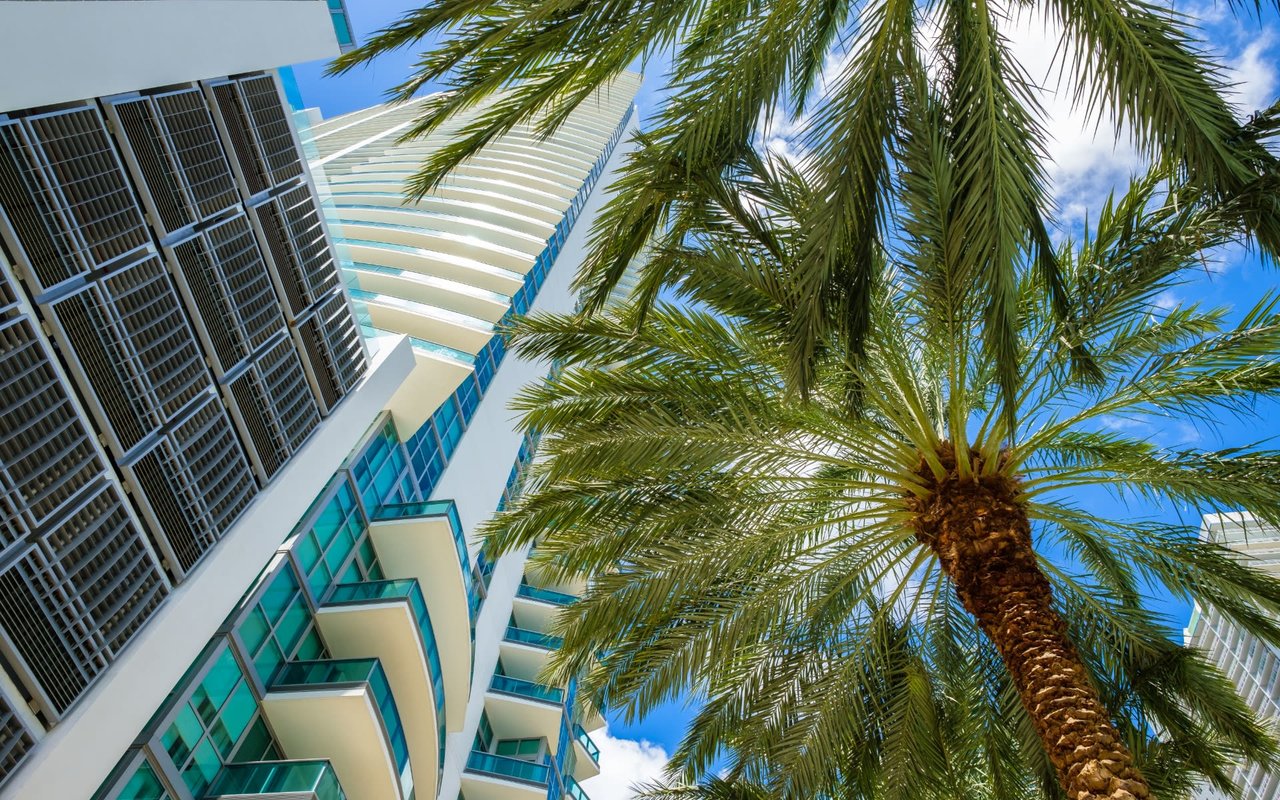
Fort Myers offers the warm-weather lifestyle many buyers want, but it helps to be realistic about what that means year round. NOAA climate normals for Fort Myers Page Field show an annual average high of 84.9°F, an annual average low of 65.8°F, and 57.41 inches of annual precipitation.
Summer is hot, humid, and rainy. July and August average highs run about 91.6°F to 91.7°F, and the wettest stretch is typically June through September.
If you are moving from a four-season climate, this is a real adjustment. Your routines, home-maintenance priorities, and outdoor schedule may all shift once you experience a full Southwest Florida summer.
Hurricane Season Is Part of Local Life
Atlantic hurricane season runs from June 1 through November 30, and the City of Fort Myers encourages residents to prepare early and have a plan. For full-time residents and seasonal owners alike, storm readiness is simply part of living here responsibly.
That can include reviewing insurance details, understanding your property’s needs, and planning ahead before a storm is on the radar. If you are relocating from outside Florida, this is one of the most important lifestyle adjustments to understand clearly.
How To Choose the Right Fort Myers Fit
If you want a simple way to think about your options, this shorthand can help:
- Downtown often fits buyers who want walkability, dining, and arts access
- McGregor often fits buyers who want a historic, central feel
- Inland and suburban areas often fit buyers who want more space and do not mind more driving
- Beach-adjacent areas often fit buyers focused on boating, beach time, or a resort-style or nature-first setting
The right choice depends on your version of daily convenience. For one buyer, that means being close to downtown restaurants and cultural venues. For another, it means easier airport access, more land, or a quieter setting that still keeps the coast within reach.
A thoughtful relocation plan starts by matching your home search to your real routine, not just to a map. If you want help narrowing neighborhoods, commute tradeoffs, and lifestyle priorities in Fort Myers, Haven Group FL offers private, concierge-style guidance designed to make your move feel clear, organized, and low-friction.
FAQs
What is the best area in Fort Myers for walkability and dining?
- Downtown Fort Myers and the River District are the clearest fit if you want walkability, restaurants, arts venues, and a more urban day-to-day routine.
What is commuting like for people relocating to Fort Myers?
- Fort Myers is largely car-oriented, and Lee County’s mean travel time to work was 28.4 minutes in 2023, so your neighborhood choice should reflect the drives you expect to make most often.
What roads matter most when choosing a Fort Myers neighborhood?
- I-75, U.S. 41, McGregor Boulevard, and State Road 78 are key routes that shape access across Fort Myers and surrounding Lee County areas.
What should families know about schools when moving to Fort Myers?
- Lee County Public Schools uses online enrollment and a choice process, so you should verify school options by address and district application procedures early in your home search.
What airport do most Fort Myers residents use for commercial flights?
- Most residents use Southwest Florida International Airport, or RSW, which is located southeast of Fort Myers near I-75 and Treeline Avenue.
What is the weather like year round in Fort Myers?
- Fort Myers is warm most of the year, with an annual average high of 84.9°F, hot and humid summers, and the wettest months usually falling between June and September.
What do new residents need to know about hurricane season in Fort Myers?
- Hurricane season runs from June 1 through November 30, so early planning, property readiness, and routine storm preparation are part of local life.
What should buyers verify about utilities before moving to Fort Myers?
- Buyers should confirm whether a property is served by city or county utilities, since service setup and providers can vary by exact address and jurisdiction.