You found a home you love in Estero, then noticed a line item called a CDD fee. What is it, how long does it last, and how should you budget for it? You deserve a clear, simple explanation before you make a decision. In this guide, you will learn how CDDs work in Estero, where fees show up on Lee County tax bills, payoff options at closing, and the steps to verify exact numbers for any property. Let’s dive in.
What a CDD covers in Estero
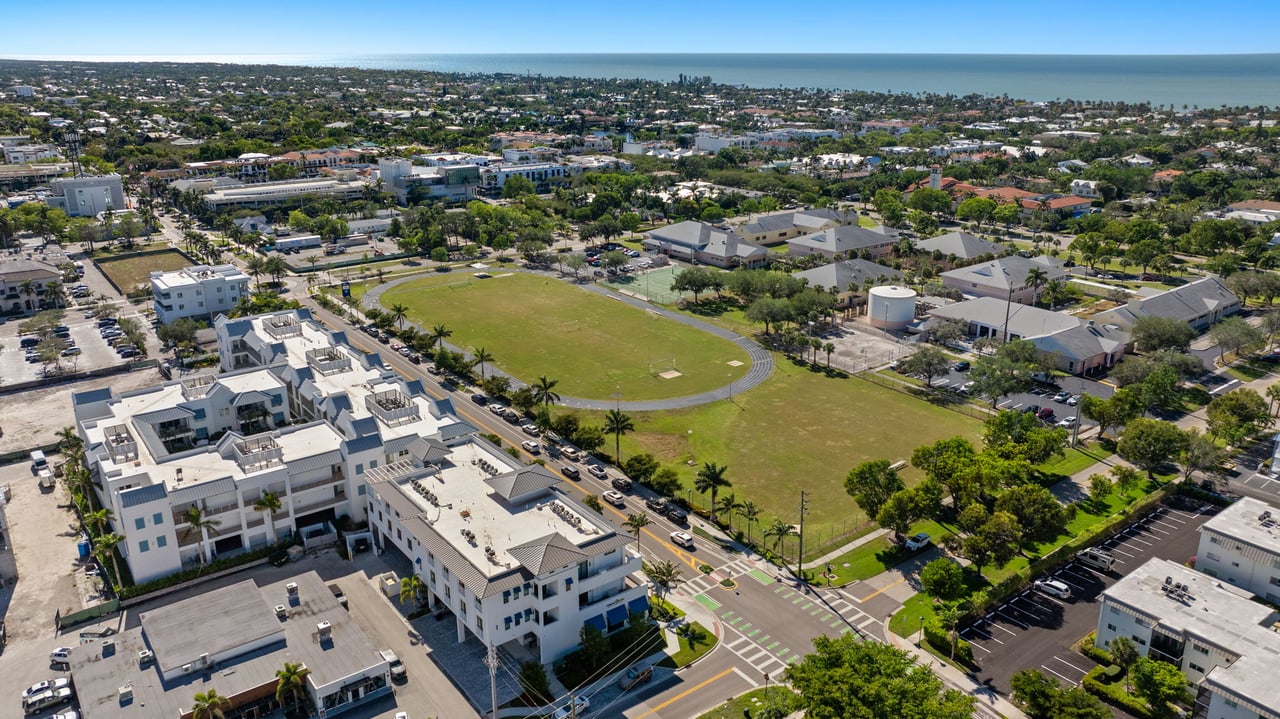
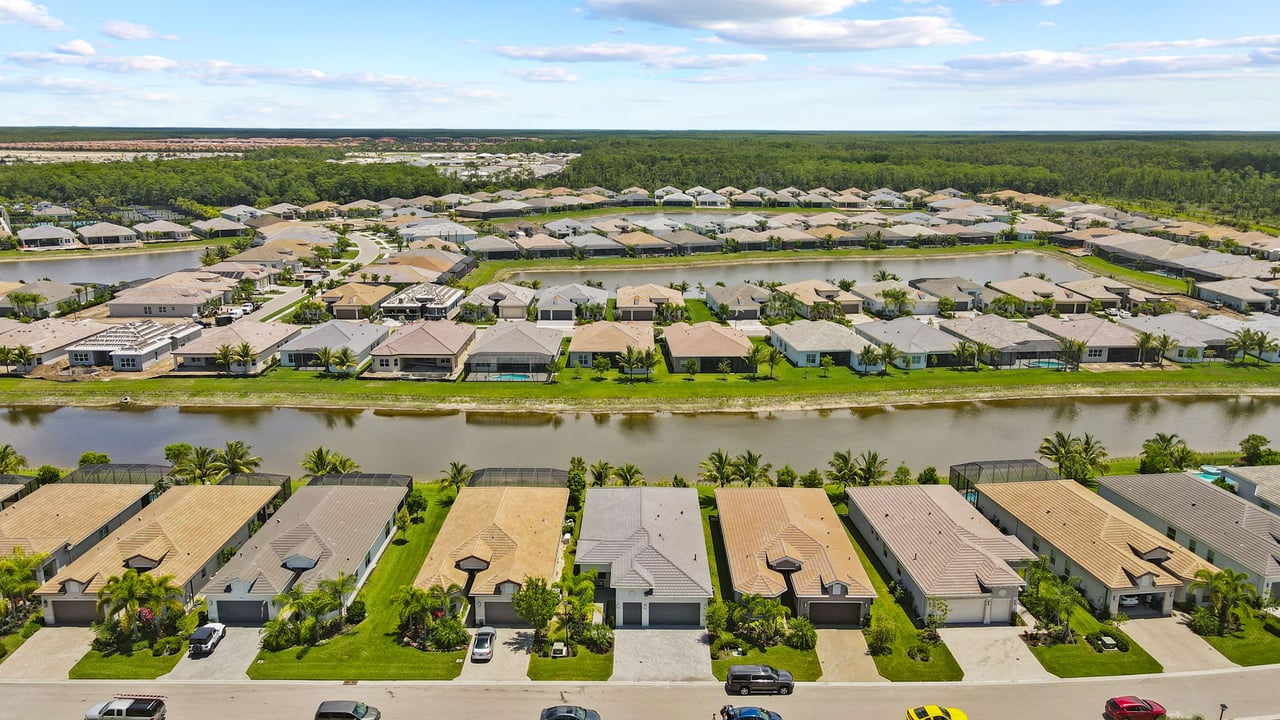
A Community Development District, or CDD, is a local government unit created under Florida law to plan, finance, build, and maintain community infrastructure and amenities. You can review the legal framework in Florida Statutes, Chapter 190. In master planned communities, developers often use CDDs to fund roads, water and sewer, stormwater systems and lakes, streetlights, landscaping, and shared recreation or amenity centers.
CDDs are run by a board of supervisors. A district manager, attorney, engineer, and bond trustee handle administration and finances. Over time, board seats typically shift from the developer to resident elections.
Two parts of a CDD fee
CDD assessments usually include two components. Knowing the difference helps you understand what can be prepaid and what is ongoing.
Debt service assessments
These annual charges repay bonds that financed initial infrastructure. Debt service continues until the bonds assigned to a property are paid off or defeased. Some districts allow you to prepay this portion, which can remove future debt service from your bill for that parcel.
Operations and maintenance (O&M) assessments
O&M covers ongoing upkeep for district assets. That can include landscaping, pool and amenity operations, utilities, insurance, repairs, and district management. O&M is an annual charge that usually continues as long as the district operates, even if the debt service is paid off.
Where CDD fees appear on your Lee County tax bill
In Lee County, most CDD charges are collected as non ad valorem assessments on the annual property tax bill. You will see them grouped under non ad valorem or special assessments, often labeled with the district name. To view current year amounts for a specific property, check the Lee County Tax Collector for the tax bill and the Lee County Property Appraiser for parcel details.
Some districts bill certain O&M items directly rather than placing them on the tax bill. The district’s budget and assessment documents specify the collection method, so always verify how a specific community handles billing.
Assessment amounts can vary by unit type. For example, single family homes, villas, and condos within the same community may have different allocated assessments.
Can you pay off CDD debt?
Many districts allow prepayment of the remaining debt service on a parcel. The formula and timing are set by the bond documents and state law. The official payoff must come from the district’s bond trustee or district counsel or manager. If you prepay, it generally eliminates the debt service portion going forward for that parcel.
Prepayment does not remove O&M unless the district specifies otherwise. The district may continue to levy O&M annually.
At closing, your title or closing agent can obtain a formal payoff letter, include the payoff on the settlement statement, and ensure any required lien releases are recorded with Lee County. Recorded payoff releases and district documents can be found through the Lee County Clerk of Court & Comptroller.
Budget like a pro
When you compare Estero communities, add CDD assessments to your monthly carrying costs. Convert annual amounts to a monthly figure by dividing by 12. For example, a 2,400 dollar annual assessment equals 200 dollars per month. Include both debt service and O&M if both apply.
Plan for change. O&M assessments can adjust based on budgets and board decisions. Debt service is typically a fixed schedule until bonds mature, but boards can levy new assessments for future capital projects if needed.
Lenders often treat CDD assessments as recurring obligations during qualification. Expect to provide documentation of annual amounts, and ask your lender if escrow or specific disclosures are required.
CDD vs HOA in Estero communities
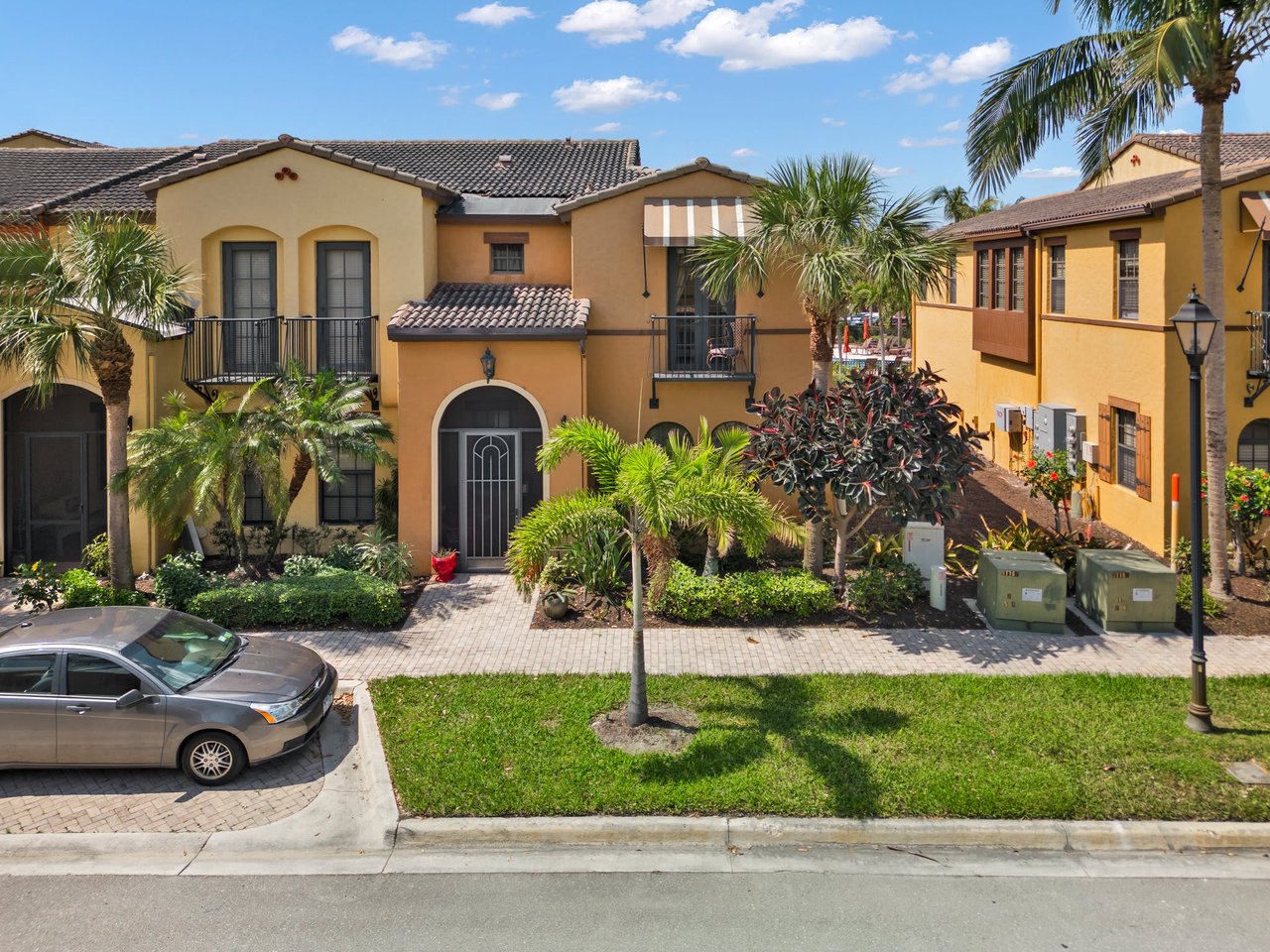
Some neighborhoods have both an HOA and a CDD. The CDD may fund public style infrastructure and district owned amenities, while the HOA manages architectural standards or private amenities. There can be overlap, so avoid assumptions. Ask for a clear breakdown of what each fee covers, and confirm whether services you value are funded by the HOA, the CDD, or both.
How to verify a property’s CDD in Lee County
Use official sources to confirm exact figures and collection methods for any property in Estero.
- Review parcel data and assessment links through the Lee County Property Appraiser.
- View the current year tax bill and non ad valorem line items through the Lee County Tax Collector.
- Search recorded district documents, bond information, and payoff releases with the Lee County Clerk of Court & Comptroller.
- Confirm the legal framework under Florida Statutes, Chapter 190.
- Check the individual CDD’s website or its district management company for current budgets, assessment rolls, meeting minutes, and contact information.
Quick buyer checklist
- Request the seller’s most recent tax bill and any CDD disclosure for current debt and O&M amounts.
- Ask the listing agent for the district’s name, the district manager’s contact, and the district website if available.
- Confirm whether O&M is collected on the tax bill or billed directly by the district.
- Review the district’s adopted budget, assessment roll, and recent board minutes for planned changes or capital projects.
- Instruct your title or closing agent to obtain a CDD payoff letter if prepayment is part of your closing plan.
- Add annual CDD assessments to your monthly cost comparison and share them with your lender during pre approval.
Final thoughts and local guidance
CDD fees are common in Estero’s master planned communities. When you understand how debt service and O&M work, where to find exact numbers, and what can be prepaid, you can compare homes confidently and avoid surprises at closing.
If you want help verifying fees for a specific property or weighing HOA and CDD tradeoffs across neighborhoods, our team is here to make it simple. For concierge level guidance and a smooth purchase experience, connect with Haven Group FL.
FAQs
What is a Community Development District in Florida?
- A CDD is a special purpose unit of local government created under Florida Statutes, Chapter 190 to finance, build, and maintain community infrastructure and amenities.
Do CDD fees in Estero ever go away?
- Debt service ends when the related bonds are paid or defeased. O&M typically continues each year to fund operations unless the district is legally dissolved.
Can a homeowner stop a CDD from charging assessments?
- No. Assessments are set by the district board under state law and bond covenants. Individual homeowners cannot unilaterally change them.
Are CDD assessments tax deductible?
- Tax treatment varies based on federal rules and how the assessment is categorized. You should consult a tax advisor for guidance on deductibility.
Who collects CDD fees in Lee County?
- If levied on the tax bill, the Lee County Tax Collector collects them as non ad valorem assessments. If billed directly, the district enforces collection per its rules.
How do I compare two Estero communities with different CDDs?
- Request each district’s assessment roll and budget, identify what the CDD funds versus the HOA, convert annual amounts to a monthly cost, and factor in likely O&M changes.
How can I confirm how a specific CDD bills O&M?
- Review the district’s budget and assessment documents, check the current tax bill through the Tax Collector, or contact the district manager listed in official records.
What happens if the seller prepays CDD debt at closing?
- The title or closing agent obtains an official payoff letter and includes the payoff and any recording fees on the settlement statement. A lien release is recorded with the Lee County Clerk.