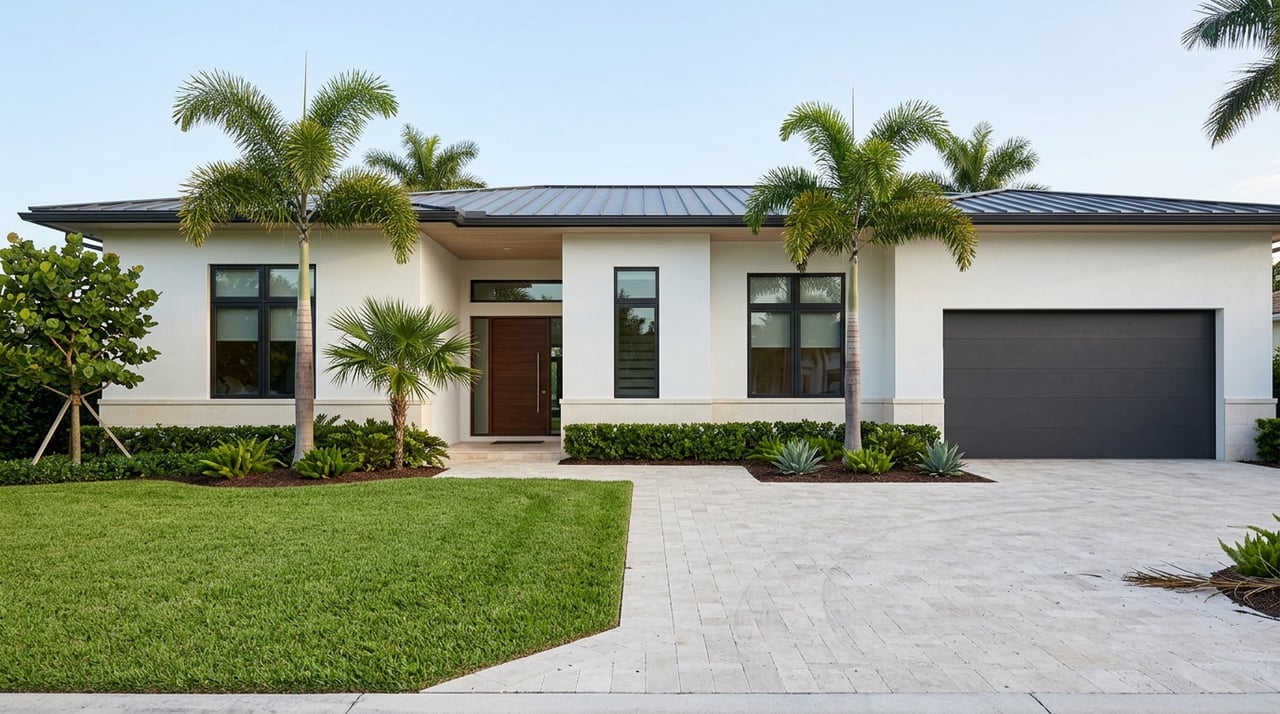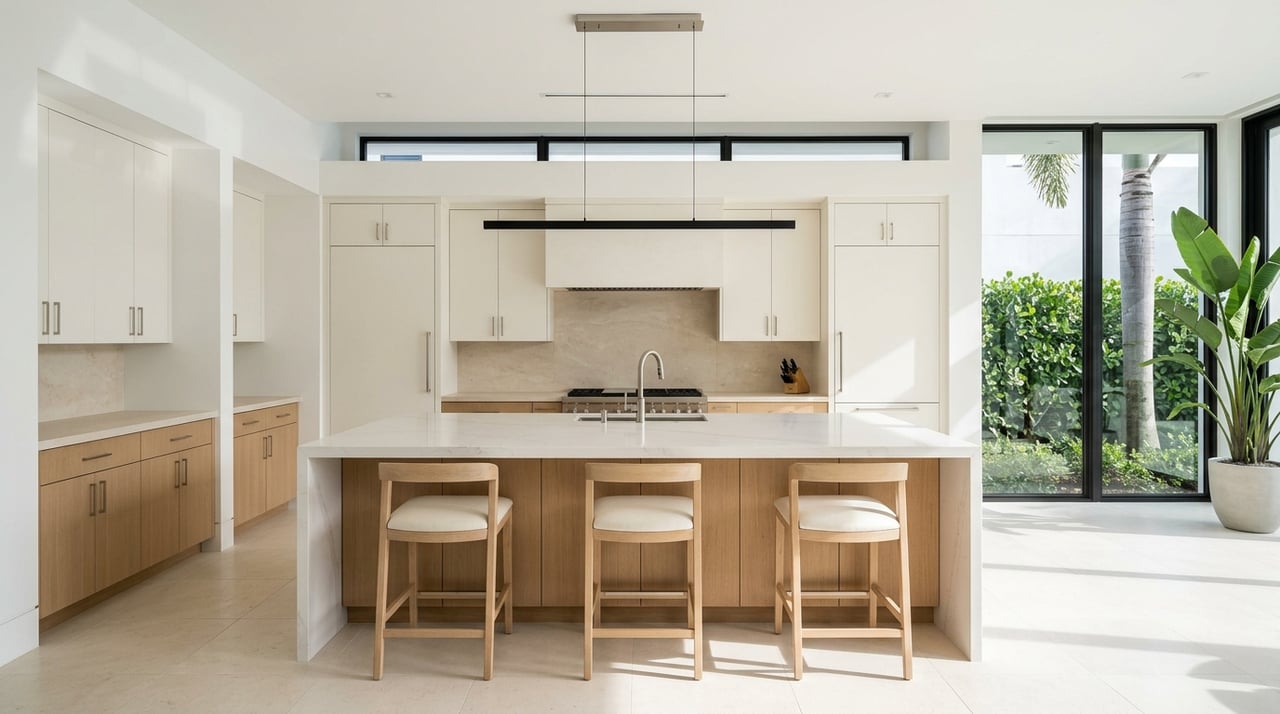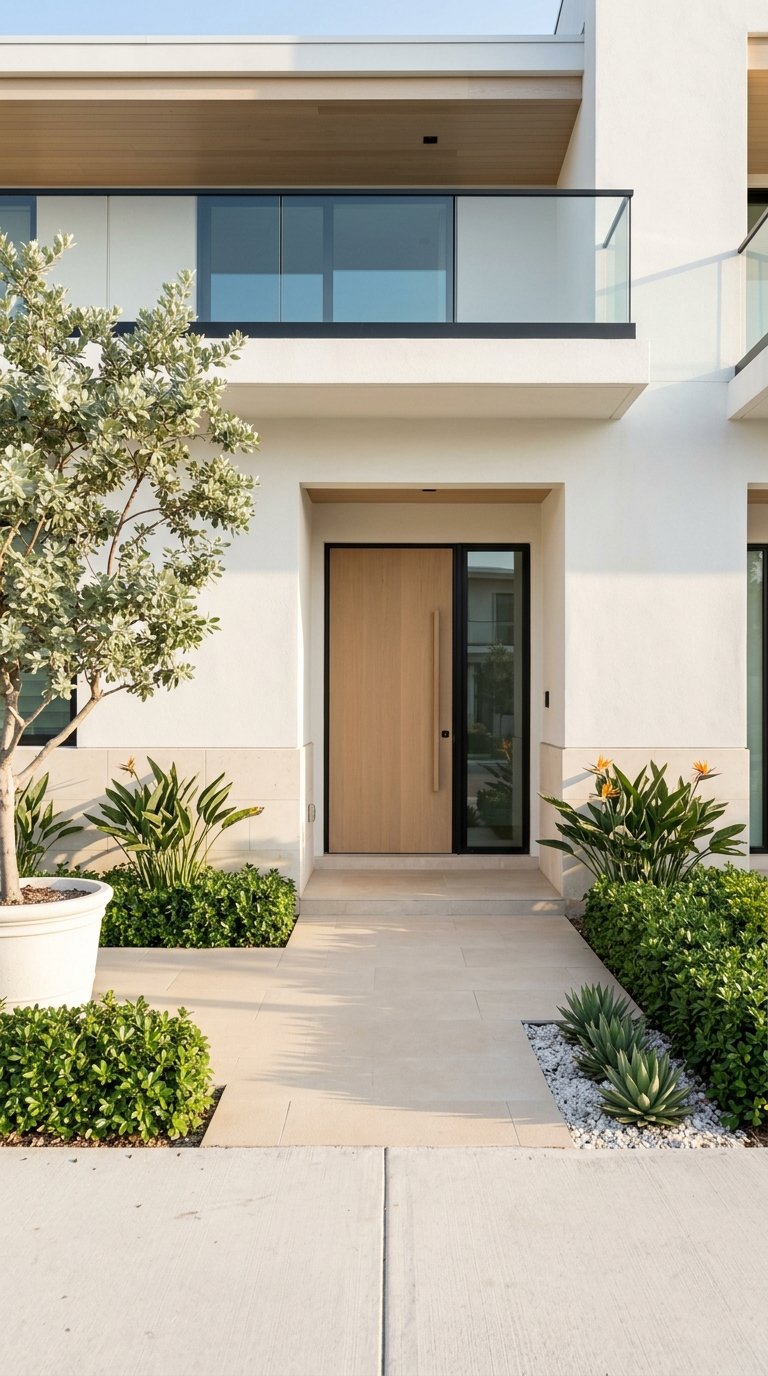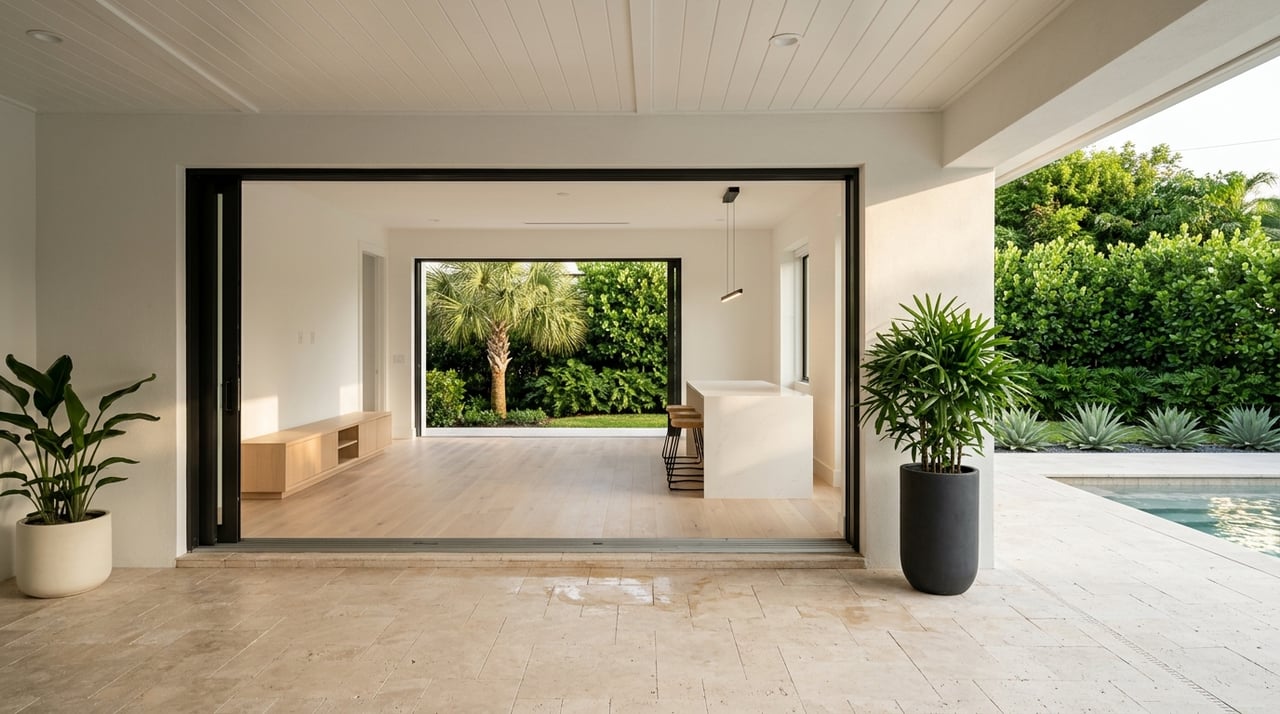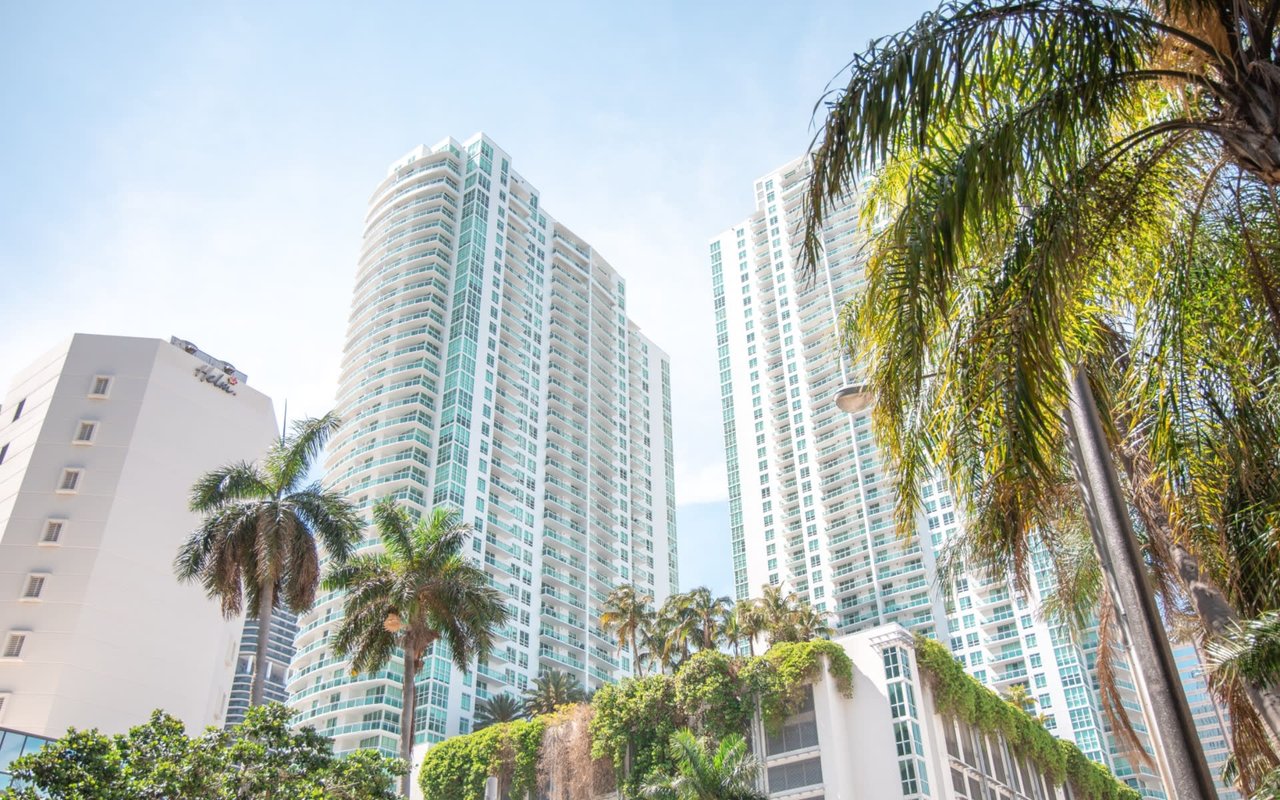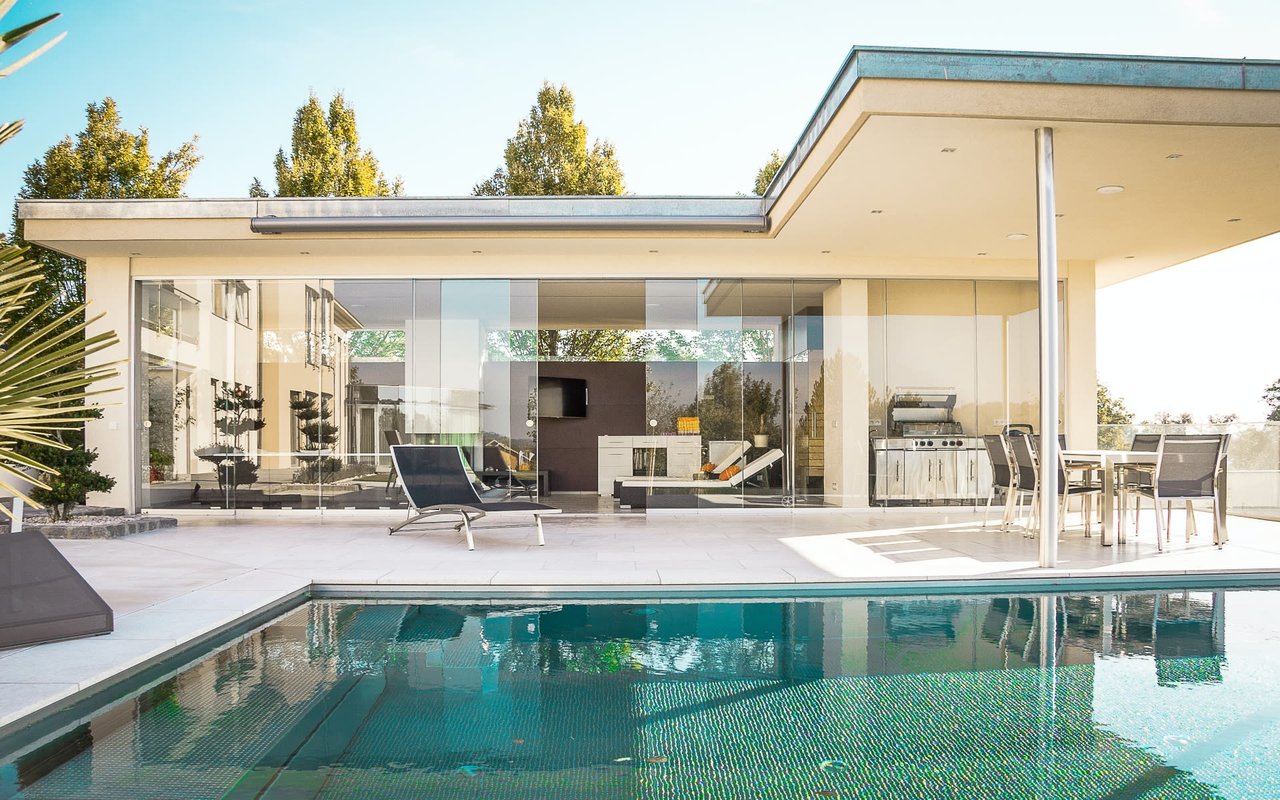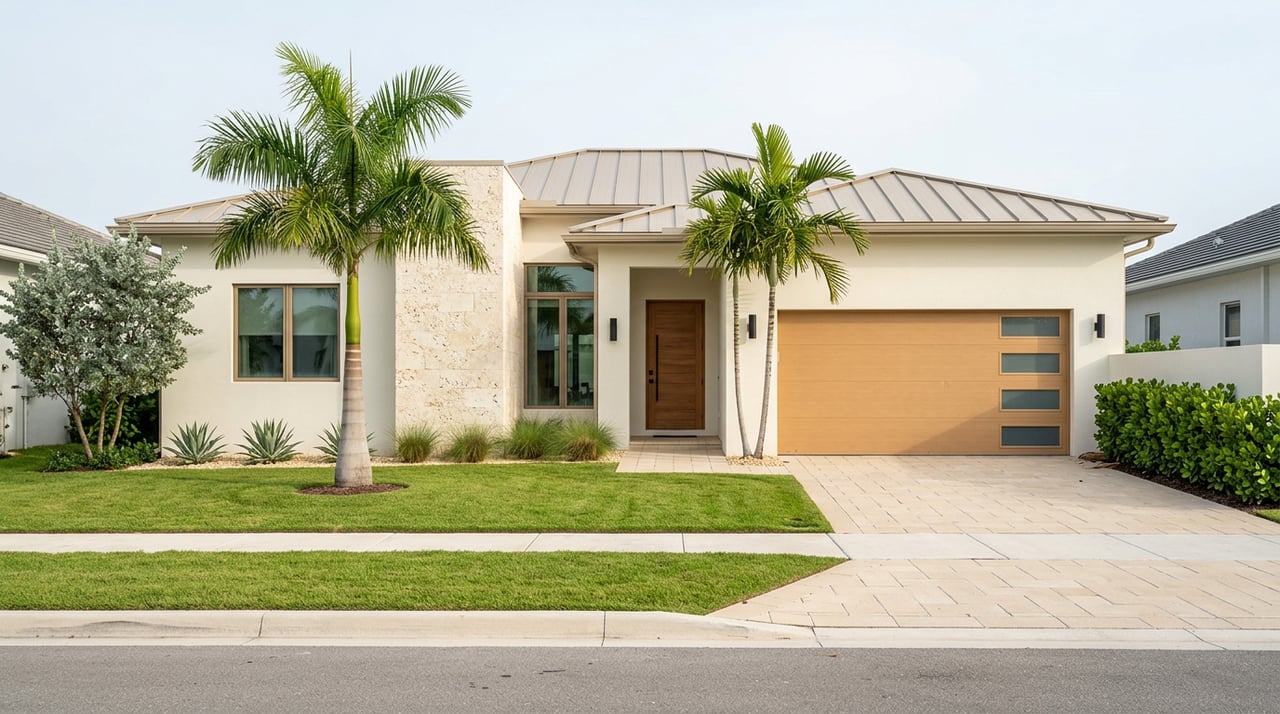
Trying to decide between a gated community and a village-style neighborhood in Estero? You are not alone. Each setting offers a distinct lifestyle, cost profile, and level of convenience. In this guide, you will see clear differences in amenities, fees, and everyday living so you can choose the right fit for your budget and routine. Let’s dive in.
Estero at a glance
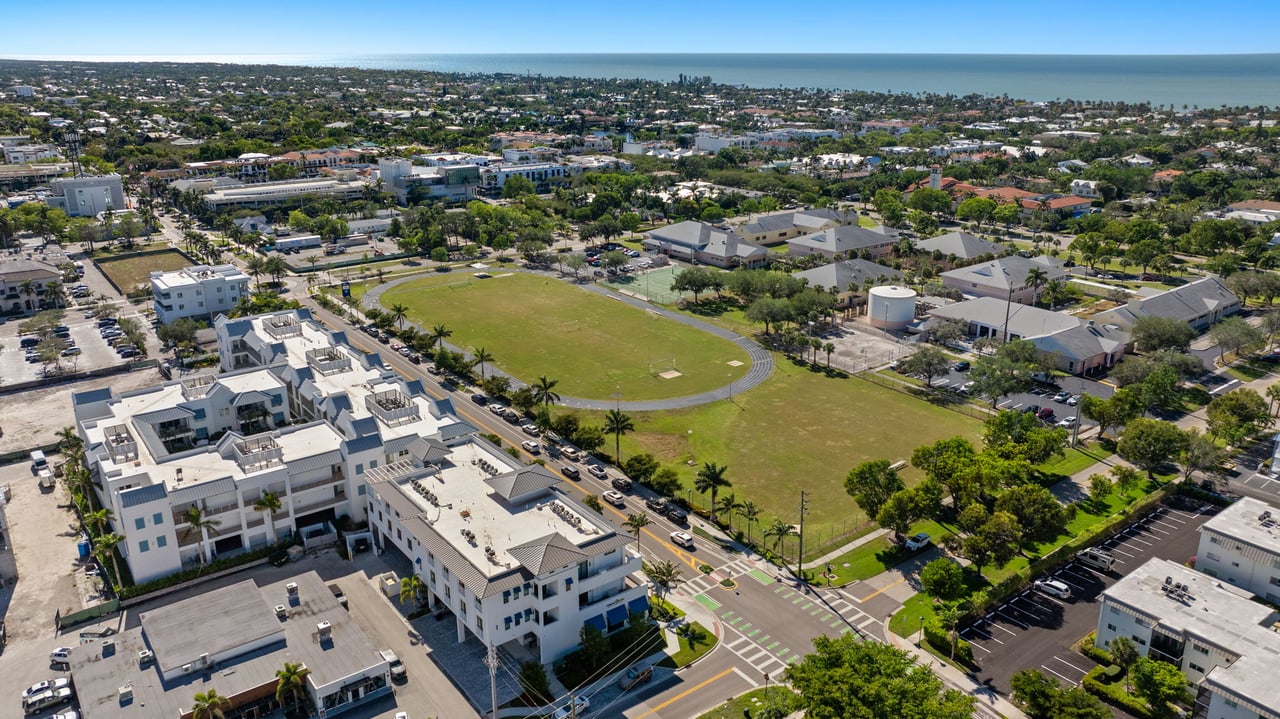
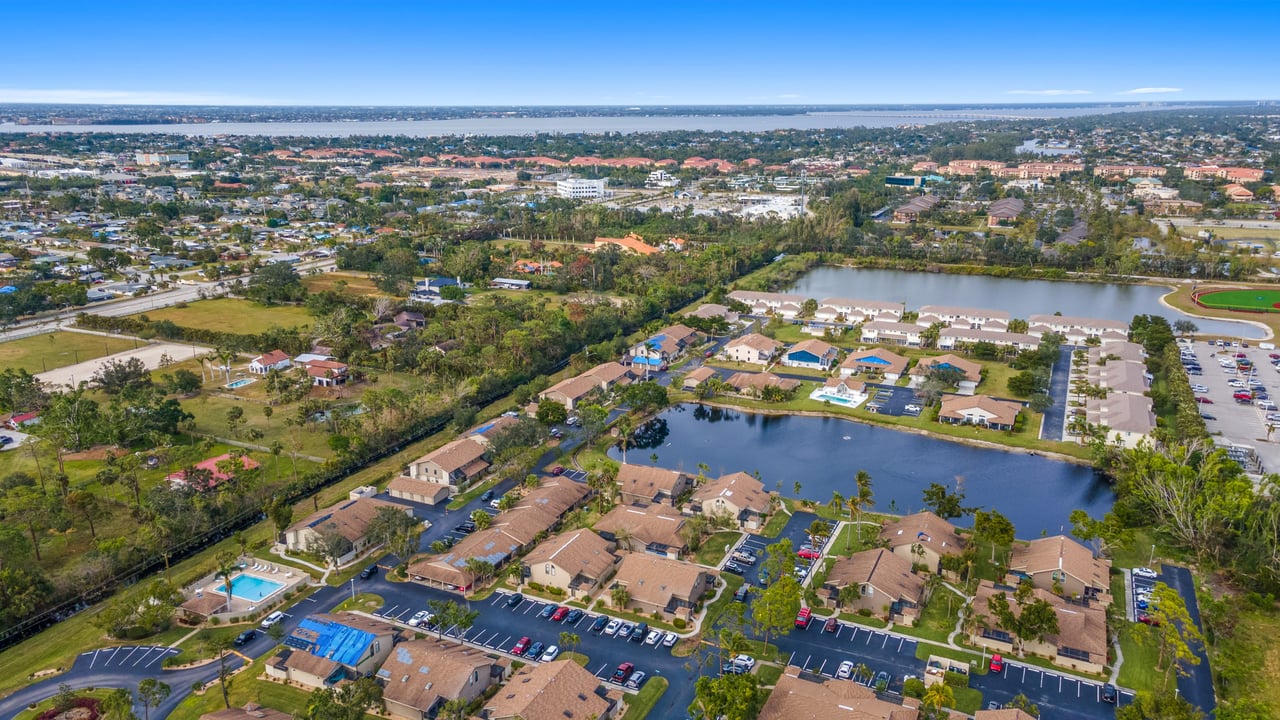
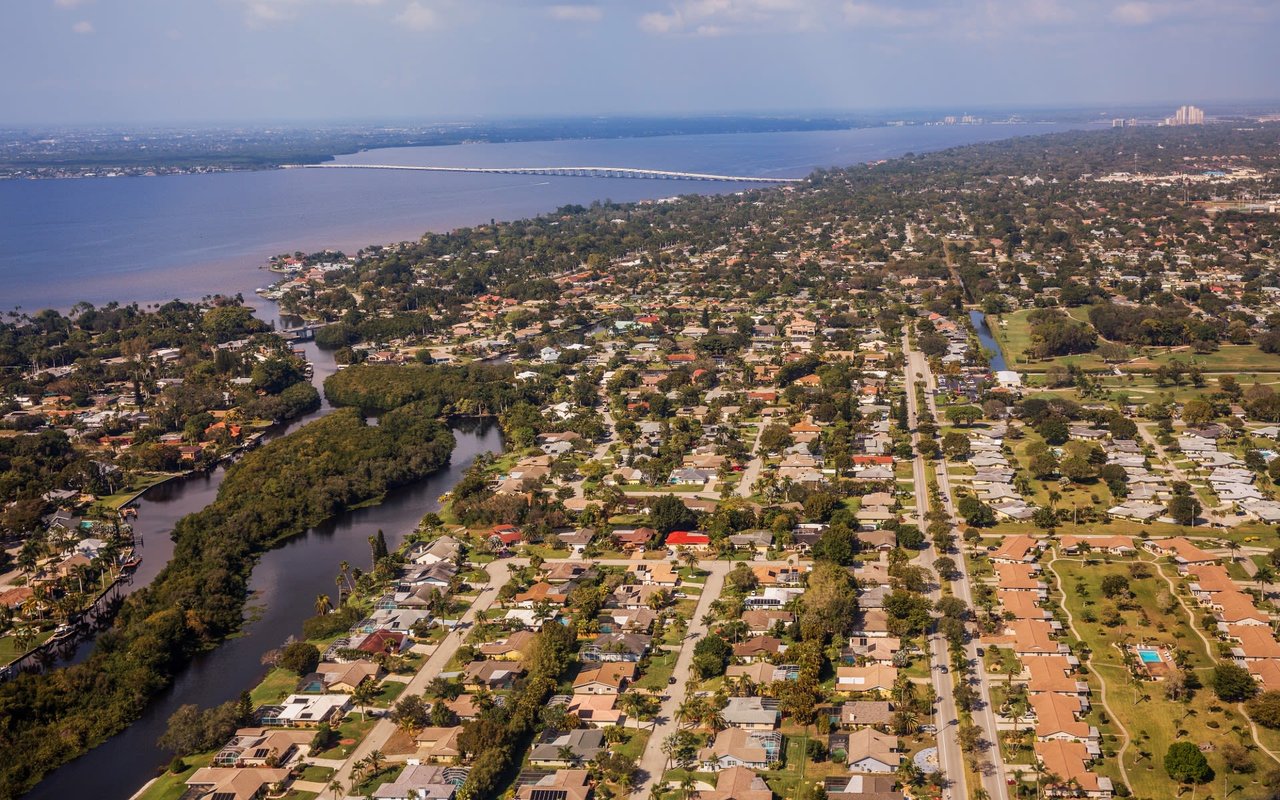
Estero blends luxury master-planned communities with older, non-gated neighborhoods near shopping, dining, and the Estero River. Some developments sit within the Village of Estero boundary while others are in nearby areas but feel like part of the same market. If location lines matter to you, review the official Village of Estero boundaries.
Recent market trackers put Estero’s median price in roughly the mid $400,000s to low $500,000s. That is a citywide midpoint. Gated golf and resort communities often trade above the median, while many older non-gated pockets can offer lower entry points. Expect wide variation across neighborhoods and product types.
Gated communities: what you get
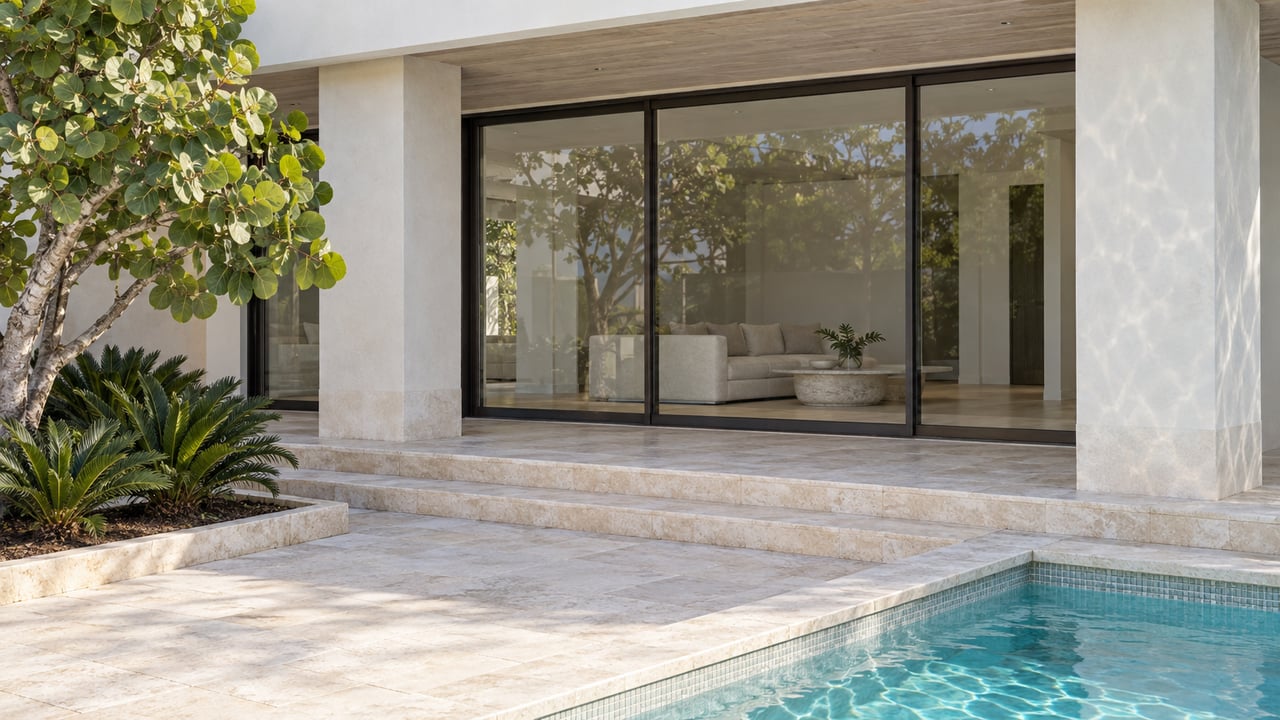
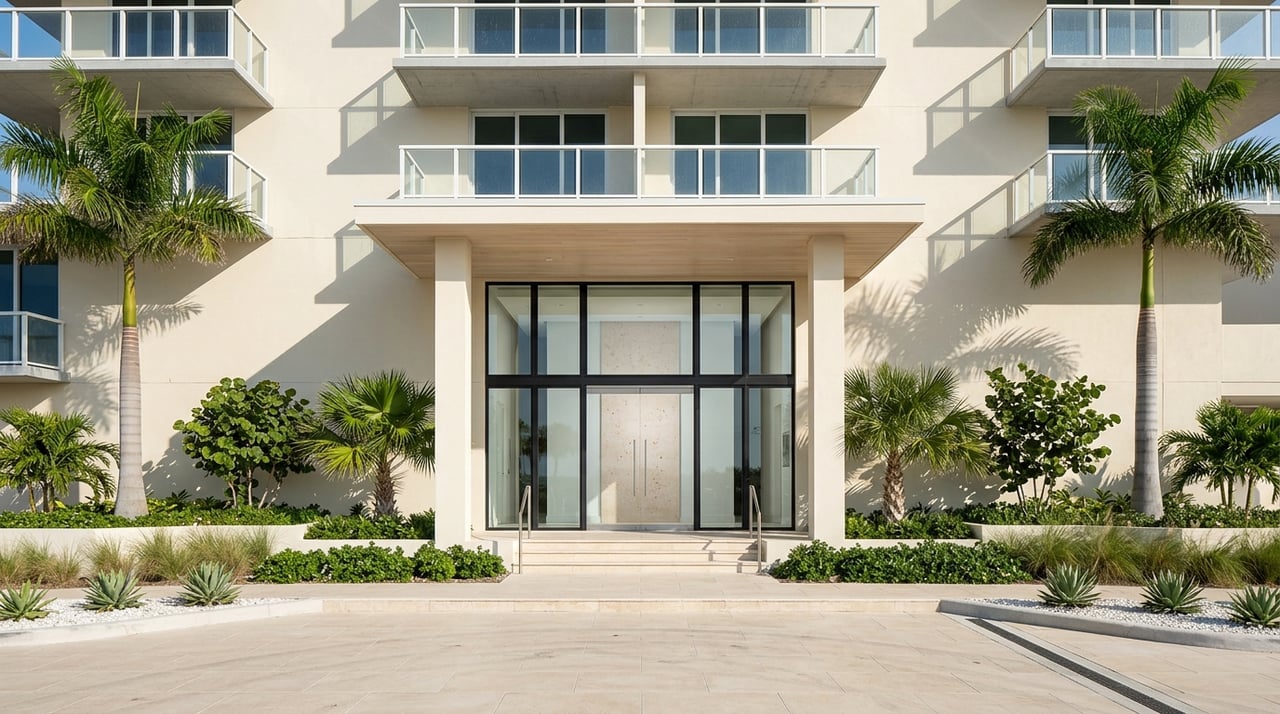
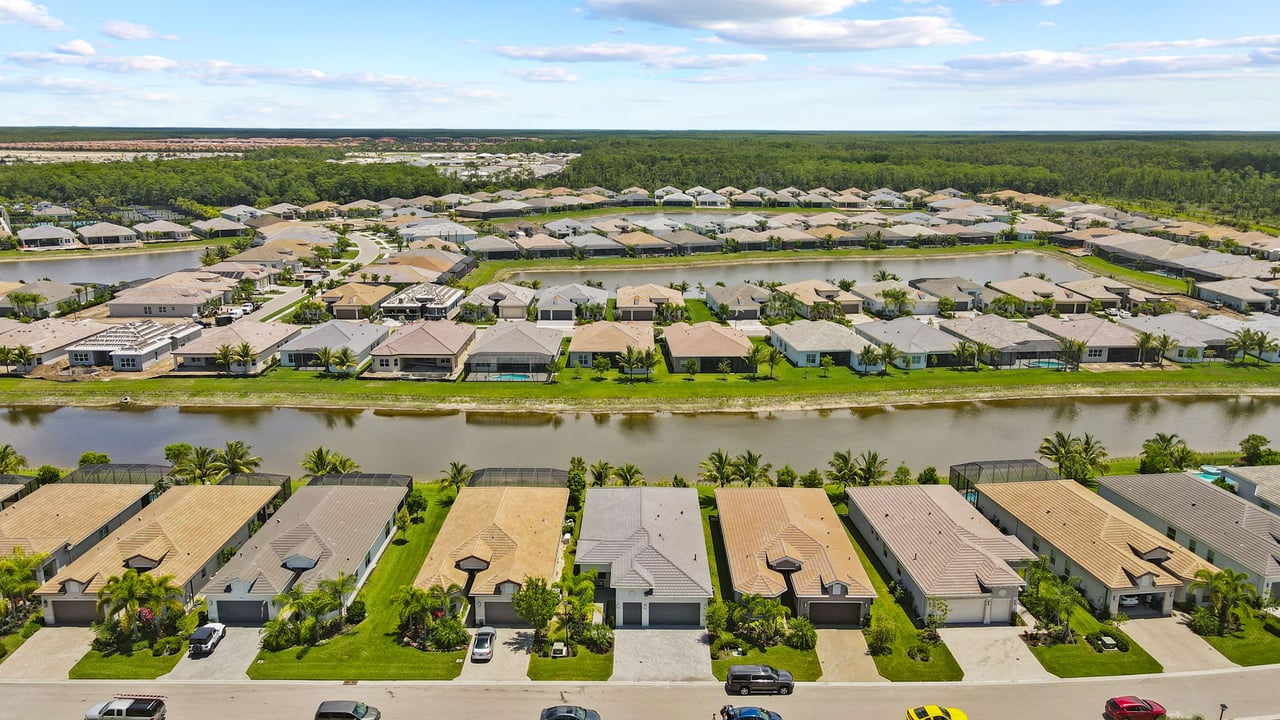
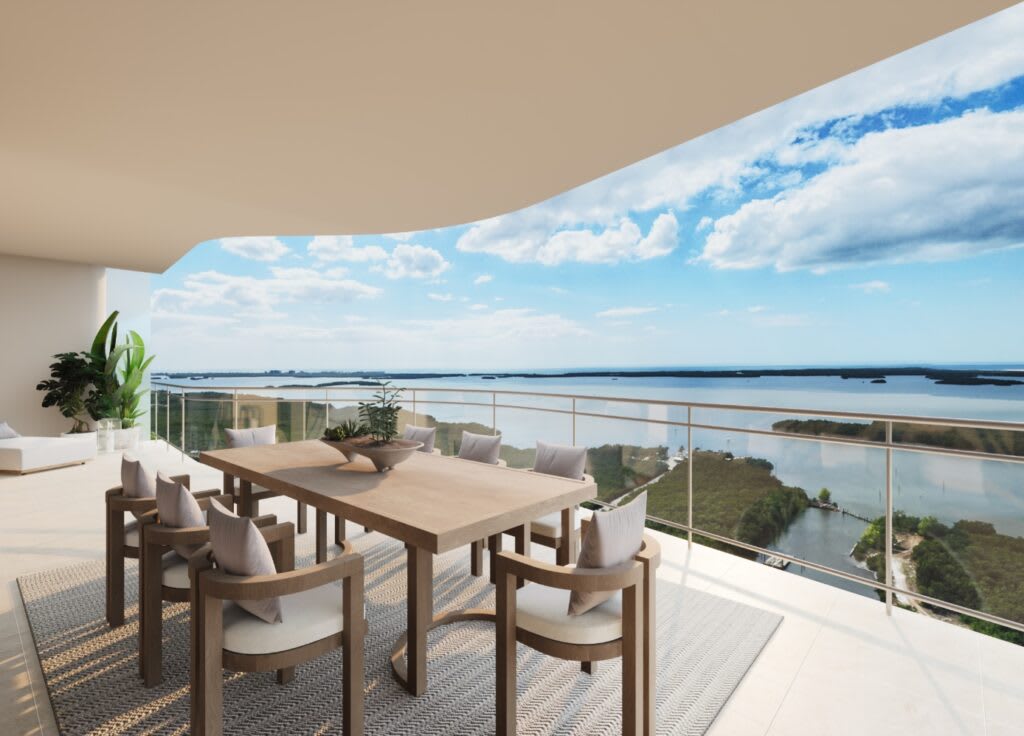
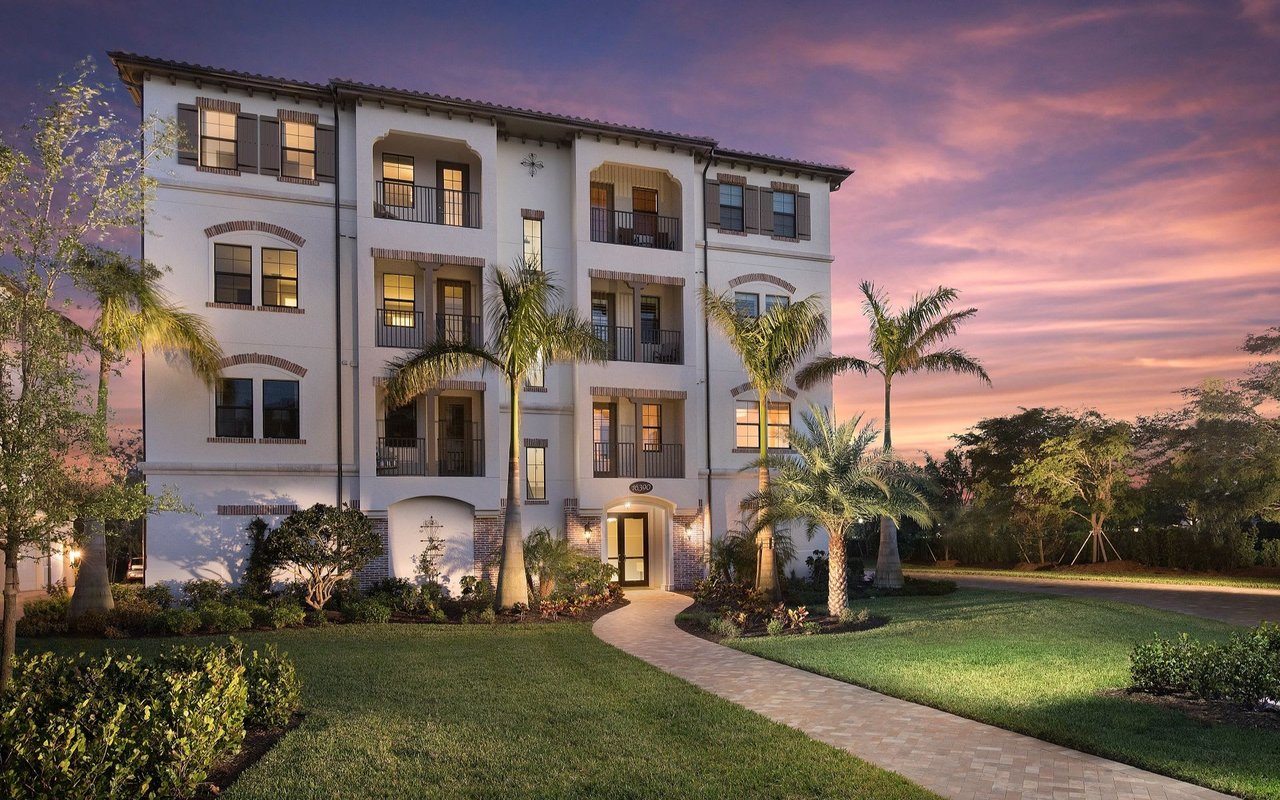
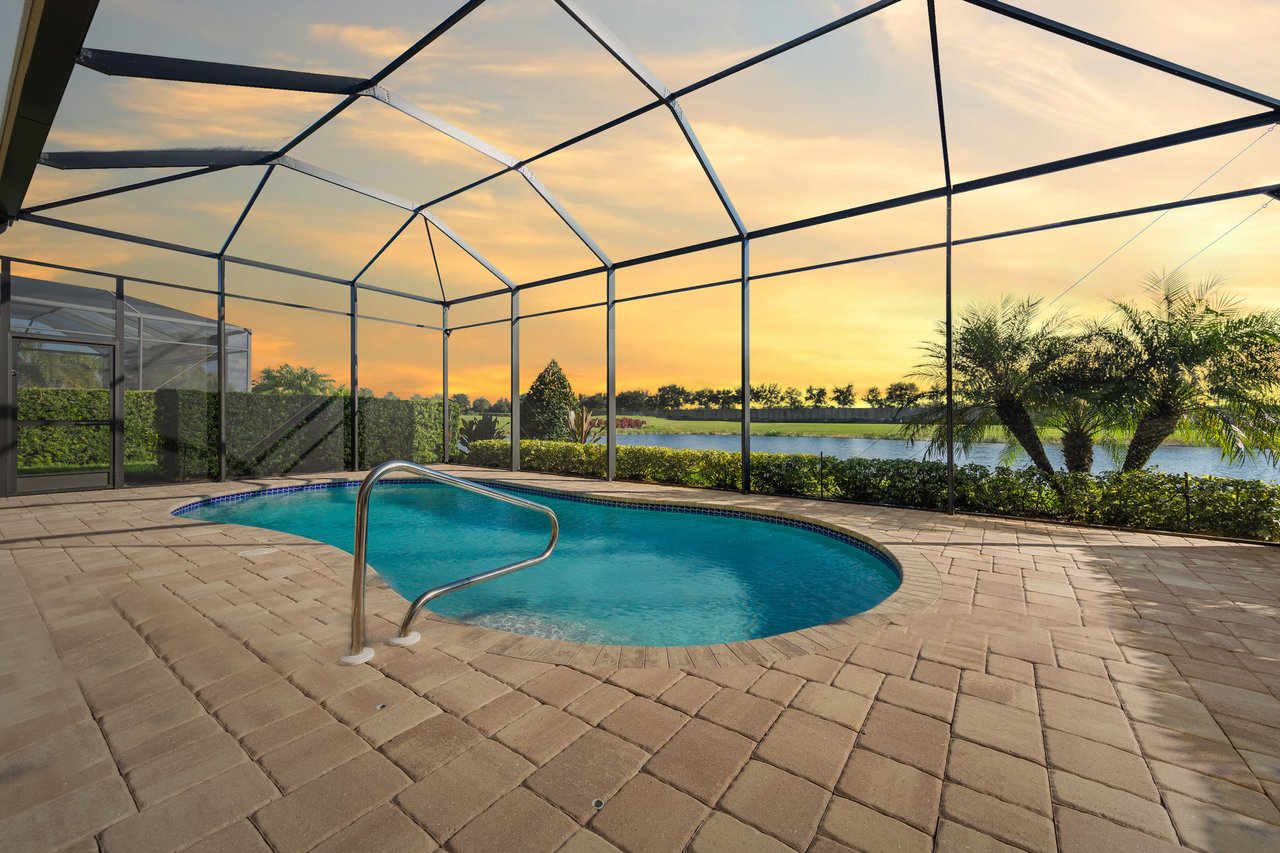
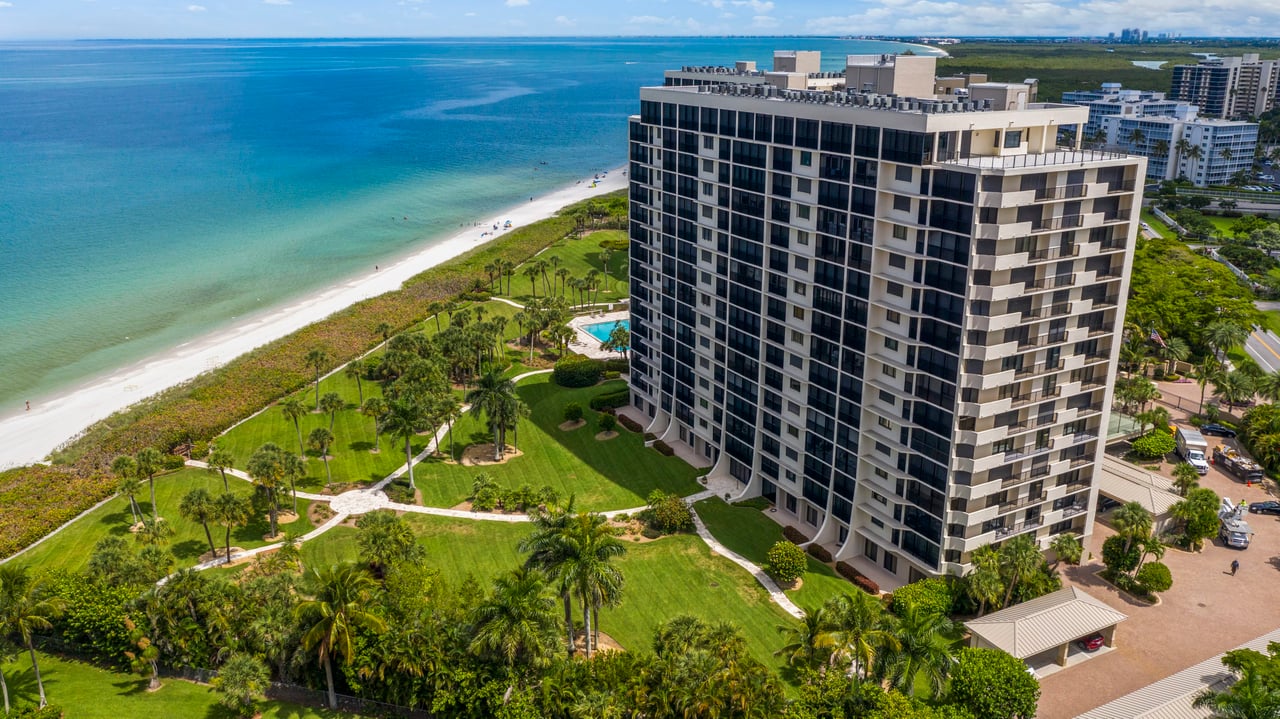
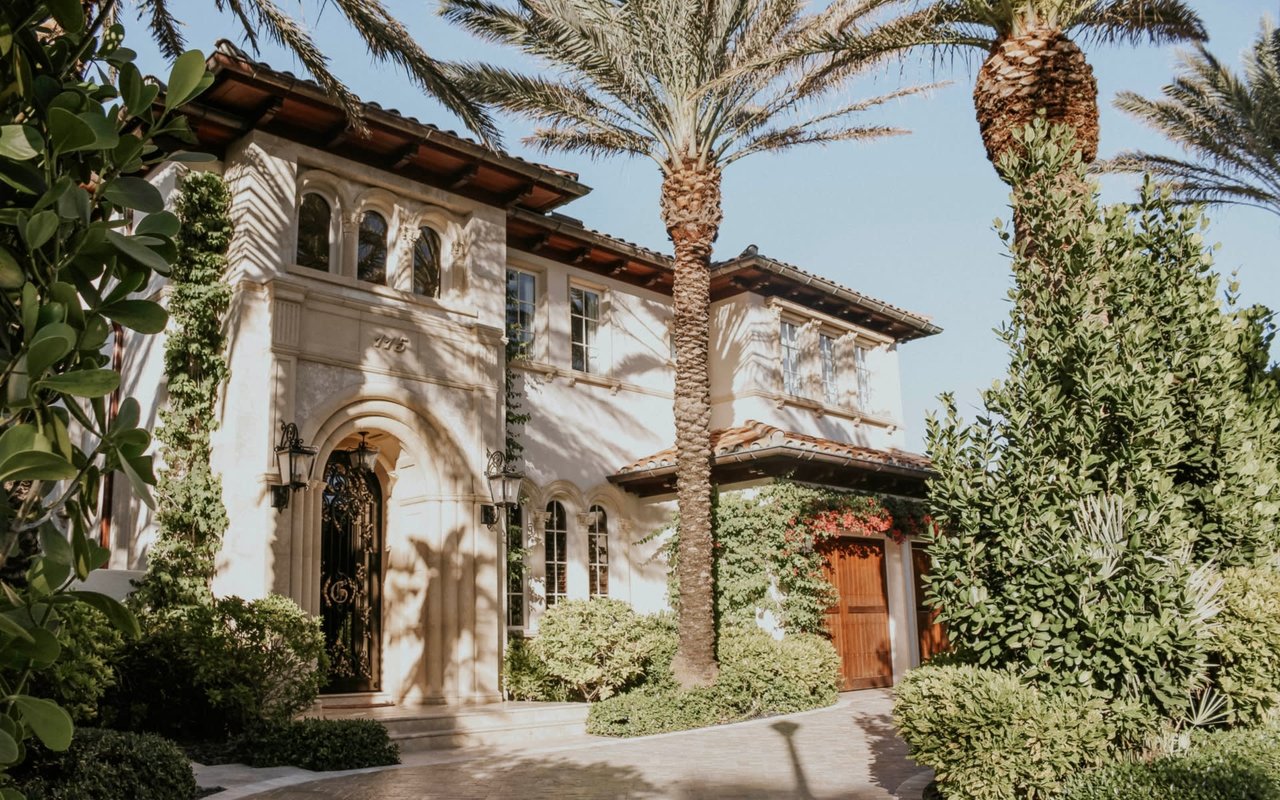
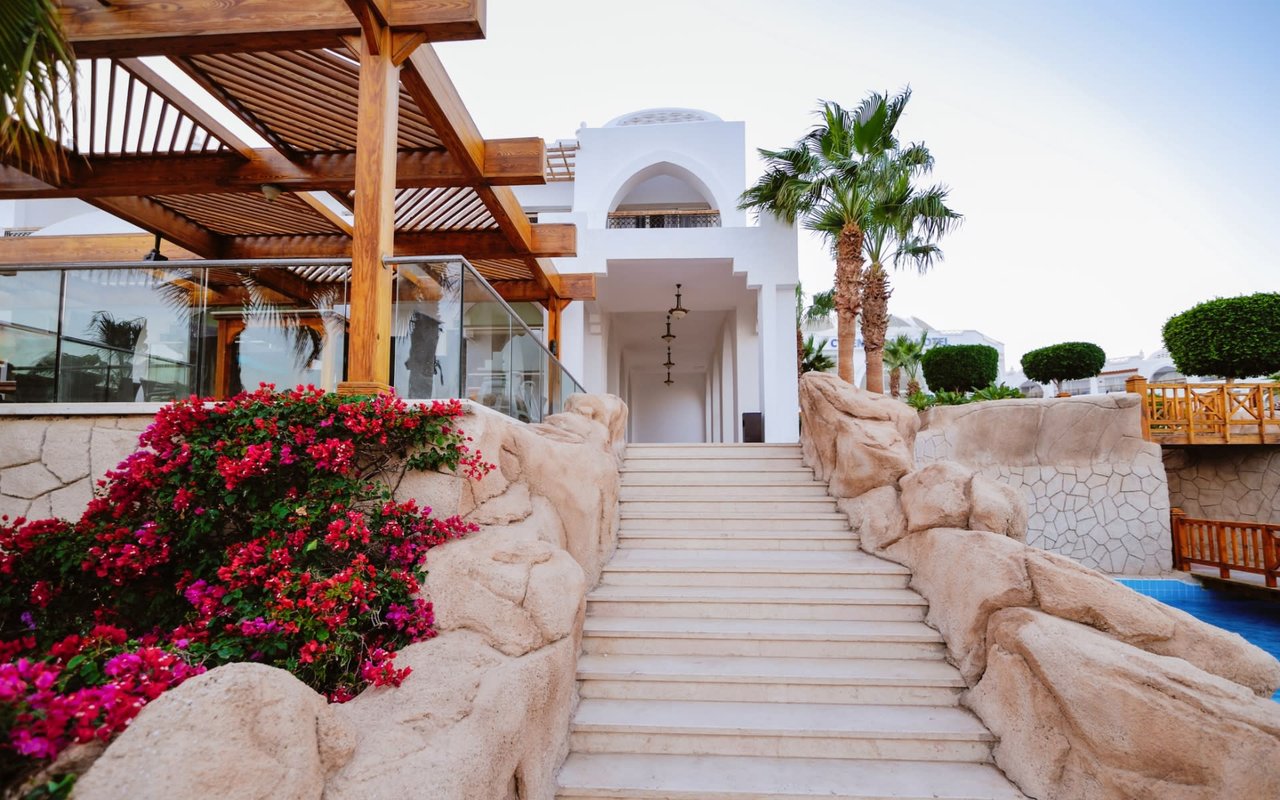
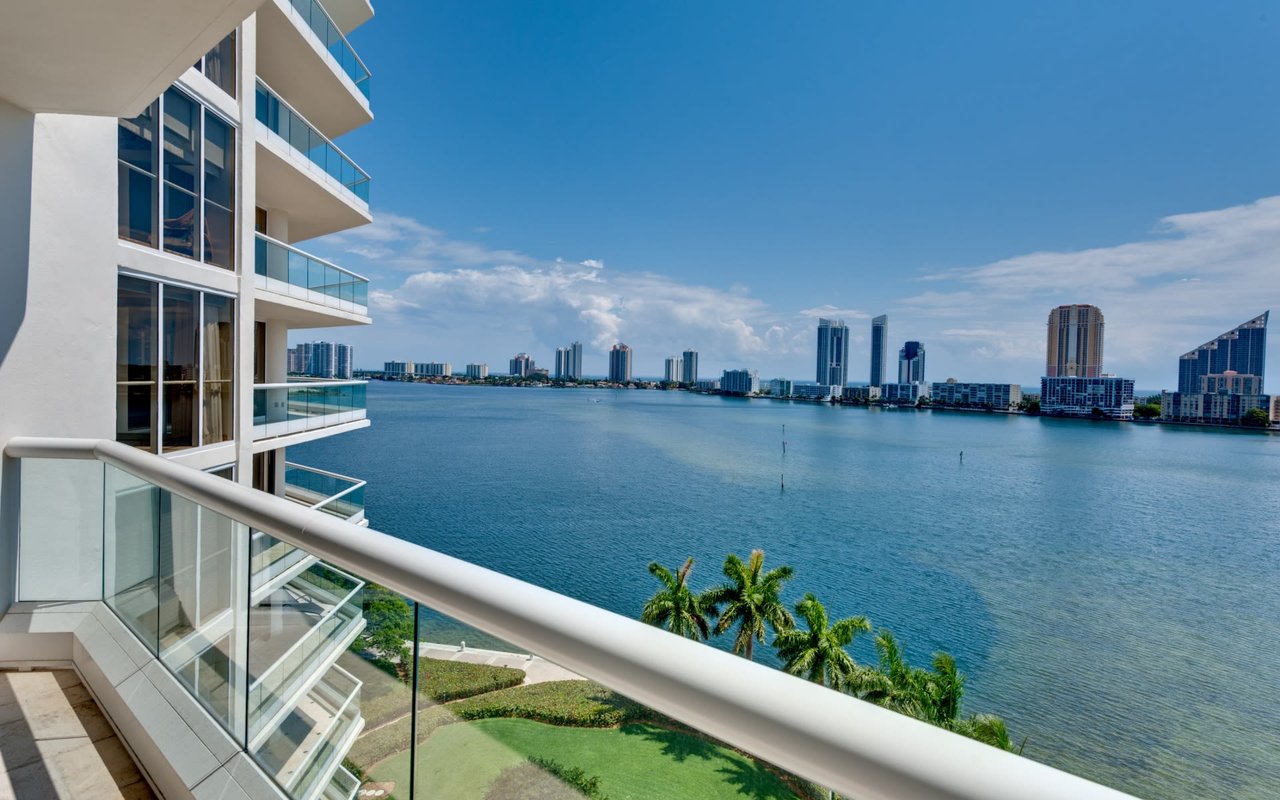
Gated master-planned communities in Estero focus on security, resort amenities, and low-maintenance living. Typical features include staffed gates, clubhouses, fitness and wellness centers, tennis or pickleball, and organized social events. Flagship options include the luxury waterfront setting at Miromar Lakes Beach & Golf Club, golf and social programming at Grandezza’s private club, and newer amenity hubs like Verdana Village.
Costs in gated settings
Gated communities usually involve higher ongoing costs than non-gated areas. You will often see three fee types:
- HOA dues. Collected monthly or quarterly for landscape, security, amenity staffing, reserves, and common-area upkeep under Florida’s HOA law (Chapter 720).
- CDD assessments. Some master plans use a Community Development District to finance infrastructure. CDD charges appear on the property tax bill as non-ad valorem assessments and cover bond repayment plus operations (Chapter 190 and the Florida CDD FAQ).
- Club dues. Golf or country-club access may require initiation fees and monthly dues. In some places membership is optional; in others it can be mandatory for certain properties. Confirm the club’s membership and transfer policy with the association or club documents.
Price and fee examples
- Miromar Lakes: Known for luxury lakefront and resort amenities; resale and new homes often range from the high six figures into the multi-million dollar tier, with a higher fee profile that reflects the offering. See the community’s amenities for context at Miromar Lakes.
- Grandezza: Condos and coach homes can start in the mid $200,000s, villas in the $400,000s to $800,000s, and estate homes can surpass $1 million. Golf membership is optional, and many sources note no CDD line item for owners. Review club programming at Grandezza’s club site.
- Verdana Village: Newer single-family homes commonly target mid $300,000s to $600,000+ with modern amenities and lifestyle programming. See a neighborhood overview from Verdana Village’s local guide.
- Bella Terra and Corkscrew Shores: Broad ranges by product type, with some phases including both HOA and CDD. Always verify the specific parcel’s assessment schedule.
Who prefers gated settings
You may lean gated if you want on-site dining and recreation, social calendars, and a lock-and-leave lifestyle with more services. Many second-home owners, active retirees, and buyers who prioritize resort amenities and security choose these communities. If you love the idea of fitness, golf, or courts a short cart ride away, gated will feel natural.
Village neighborhoods: what you get
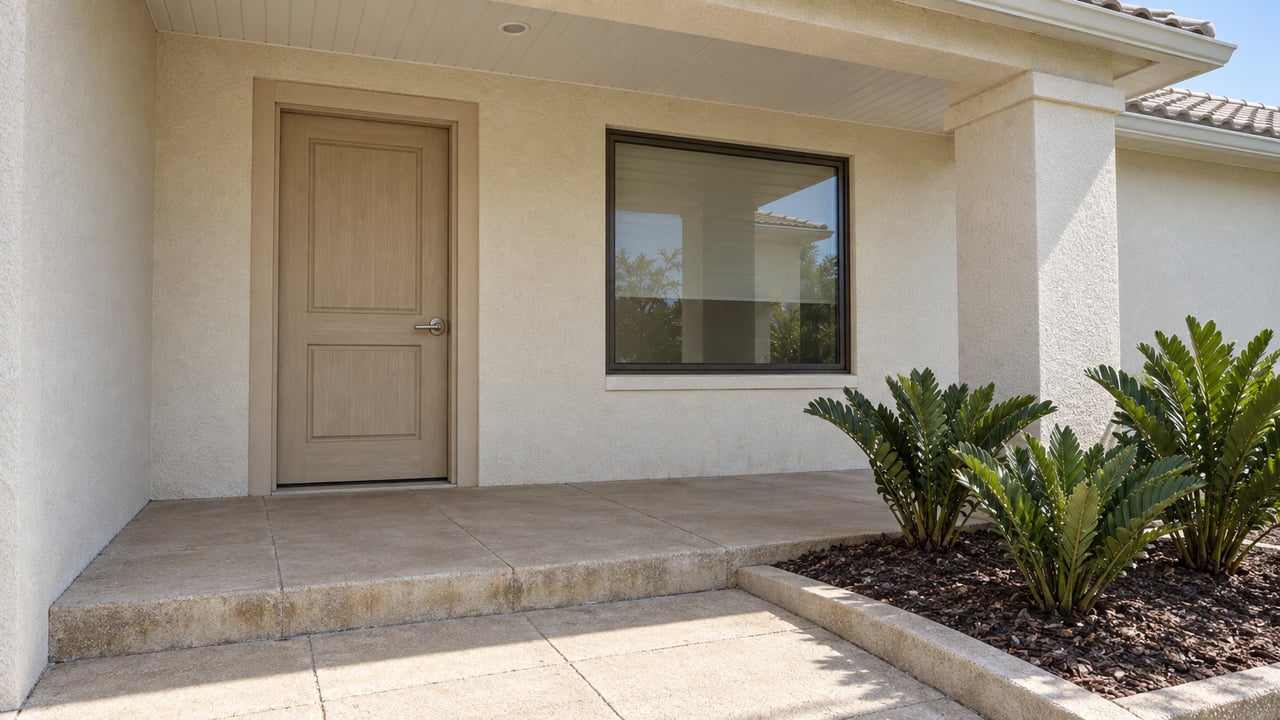
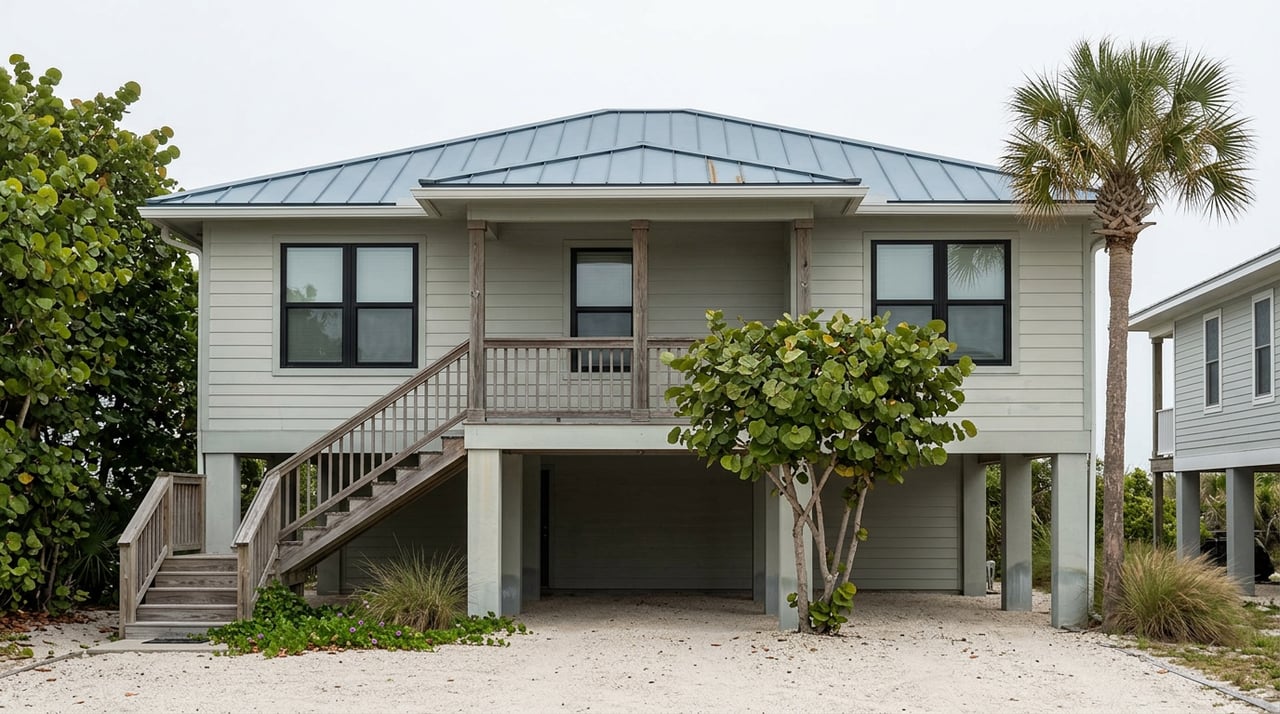
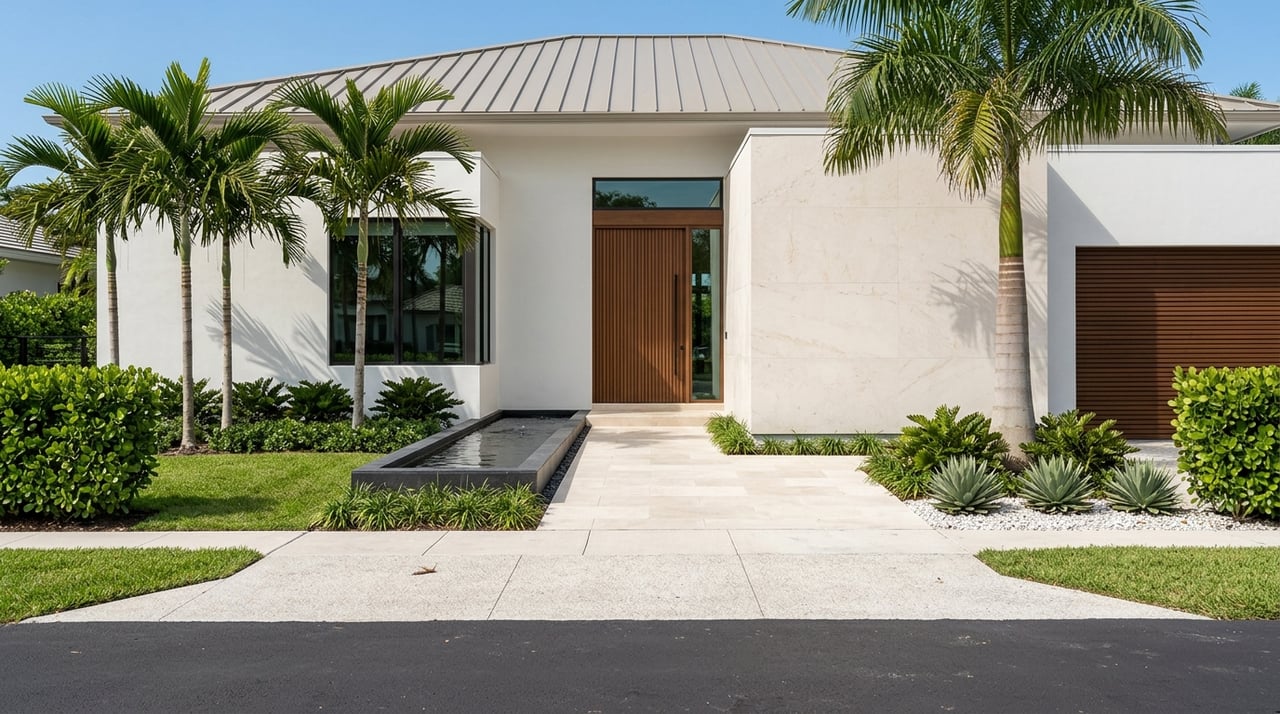
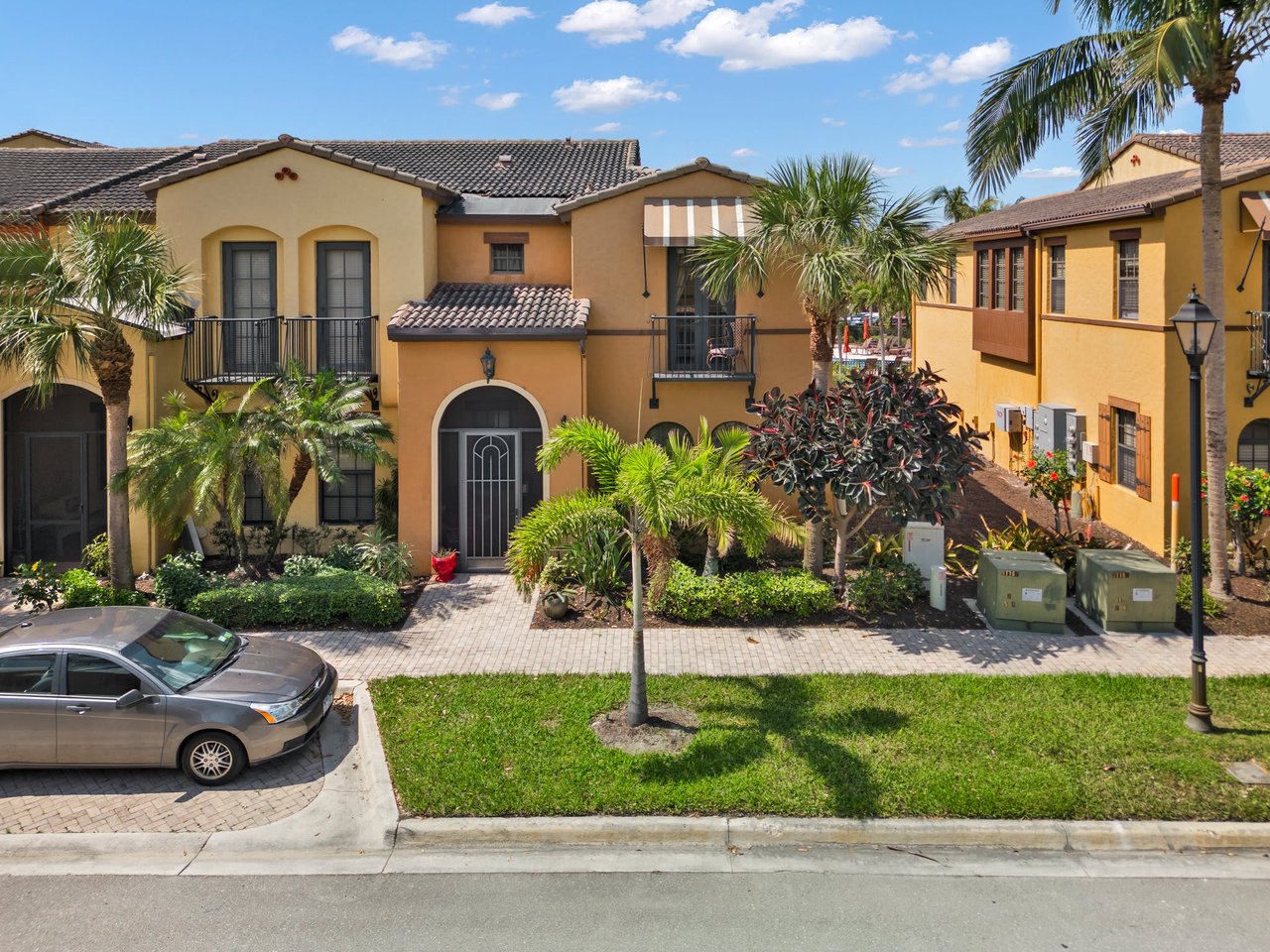
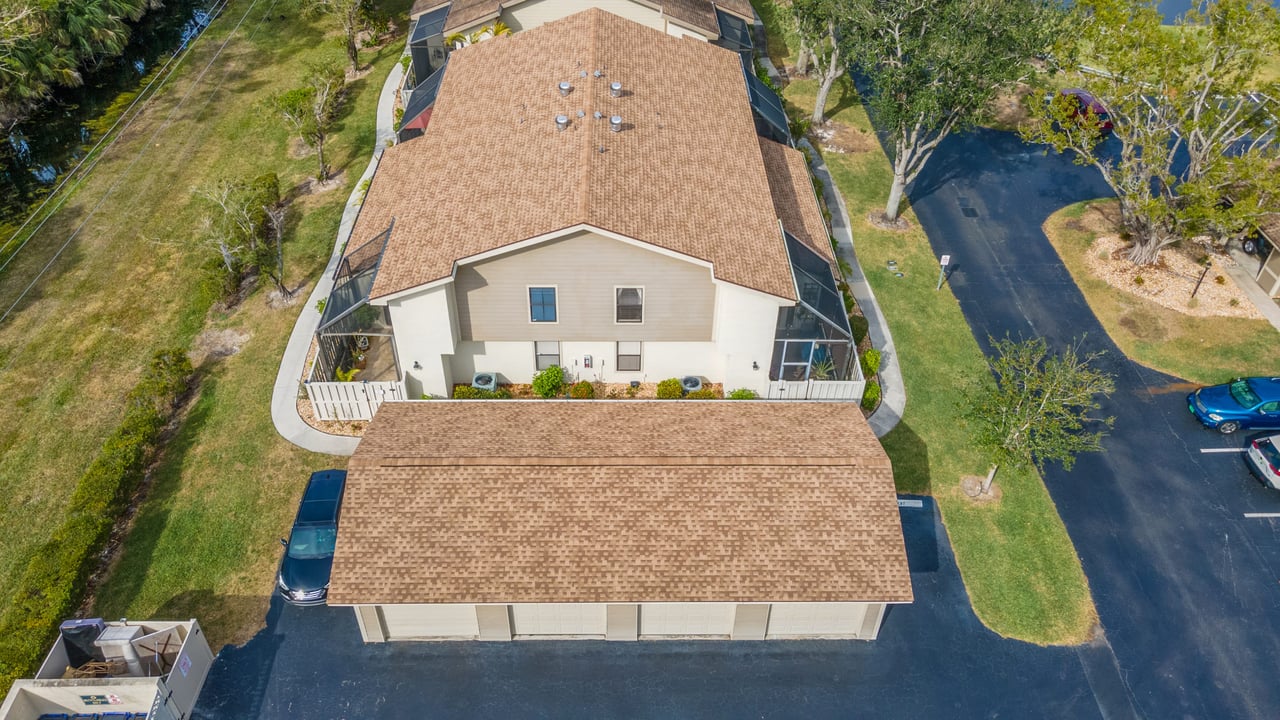
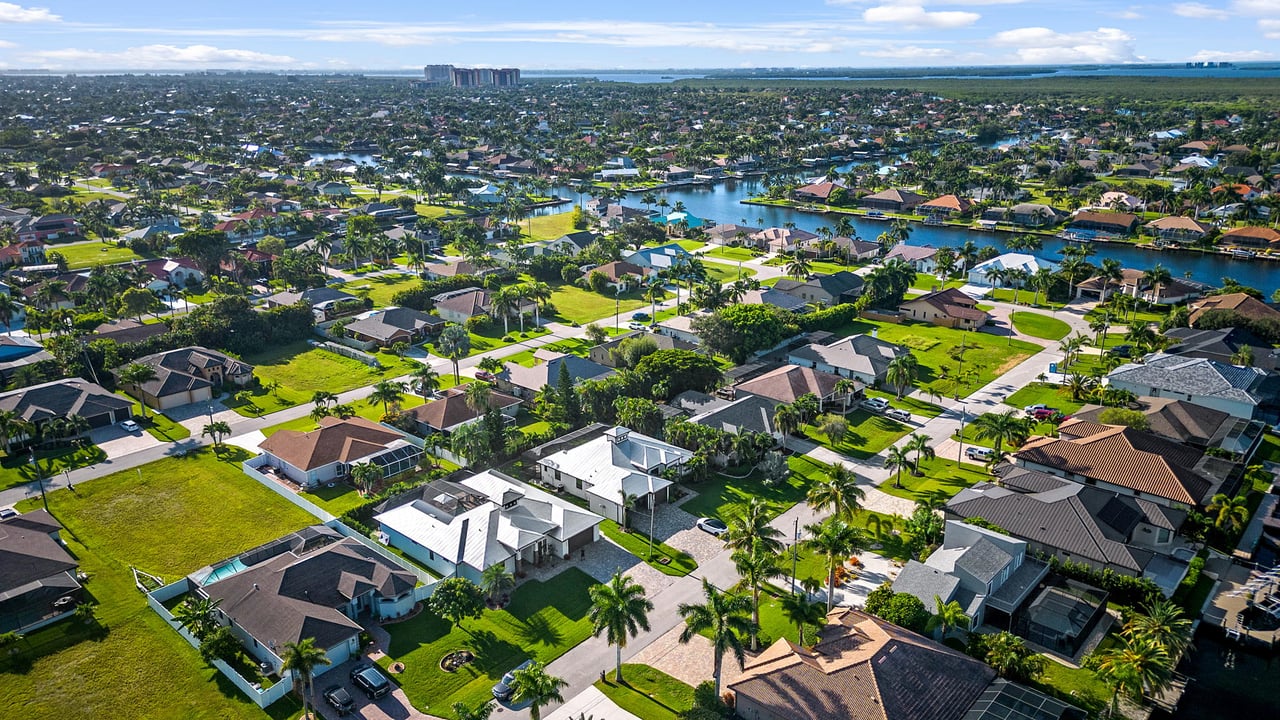
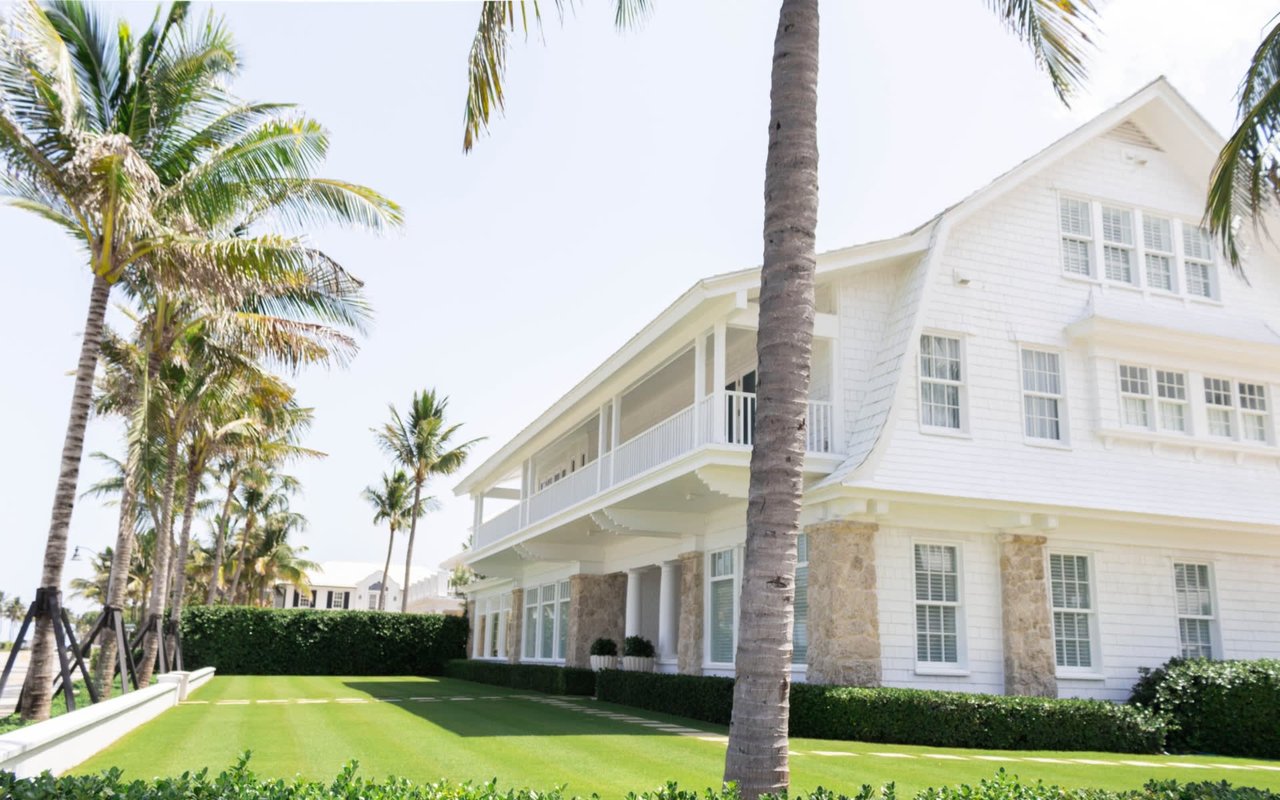
Village-style and non-gated pockets near Coconut Point, Miromar Outlets, FGCU, the Estero River, and the Village Center focus on simplicity and access. You will see conventional single-family streets and some older ranch-style homes, with smaller HOAs or no HOA at all. The tradeoff for fewer resort amenities is more freedom, lower recurring assessments, and easy access to retail and everyday services.
Costs in village settings
Recurring fees can be lighter here. Many properties have no CDD and either a modest HOA or none at all. You will manage your own lawn and exterior, and you will likely rely on public parks, fitness centers, and nearby beaches instead of private club facilities.
Gated vs village: quick comparison
| Setting | Lifestyle | Product types | HOA level | CDD likelihood | Club membership | Typical buyer profile | Sample communities |
|---|---|---|---|---|---|---|---|
| Luxury gated golf/resort | Full-service, amenity-rich, security-focused | Condos, coach homes, villas, estates | High | Sometimes | Optional or mandatory, verify | Second-home owners, active retirees, amenity-focused buyers | Miromar Lakes, Grandezza |
| Newer gated, non-golf | Modern amenities, courts, events | Single-family, some town/coach | Medium to high | Often | Usually optional | Families, professionals, younger retirees | Verdana Village |
| Village-style, non-gated | Simpler governance, easy access to retail | Older SFH, some small HOAs | Low to none | Rare | None | Value-focused and access-oriented buyers | Near Village Center and retail corridors |
Note: Prices and fees vary by product type and change over time. Always confirm the exact HOA, CDD, and any club dues for the property you are considering.
How fees work in Florida
Understanding how fees are billed helps you avoid surprises.
- HOA. Associations operate under Florida’s HOA statute (Chapter 720). Dues are billed by the association and cover common areas, reserves, insurance for shared elements, and services such as landscaping or manned gates.
- CDD. A CDD is a special-purpose local government authorized by Chapter 190. Assessments appear on your property tax bill and typically include bond debt service and an annual operations budget. For a plain-language overview, see the Florida CDD FAQ.
- Club. Separate club costs may include initiation, monthly dues, and food-and-beverage minimums. Review the club’s membership agreement and transfer rules during due diligence.
Your due diligence checklist
Before you make an offer, request and review:
- Association documents: CC&Rs, bylaws, rules, operating budget, reserve study, and recent meeting minutes. Florida law sets key rights and timelines under the HOA statute.
- CDD documents: adopted budget and assessment schedule, plus any bond materials. These show on the tax bill; cross-check numbers with association management and county records.
- Estoppel/resale certificate: confirms seller balances, transfer fees, and special assessments. Learn what an estoppel includes and why timing matters in this estoppel guide.
- Club materials: membership category, wait lists, initiation, and transfer policies. If membership is optional, confirm if it is capped.
- Insurance exposure: wind and flood. Lee County notes FEMA map updates that can affect requirements and costs; review the county’s flood map guidance for any address.
What to ask at a showing
- Security and access: How do guests, vendors, rideshare, and deliveries enter? Any restrictions on hours or frequent-visitor lists?
- Assessments: Any recent or pending special assessments? What is the current reserve balance and planned capital projects?
- Rules that matter day-to-day: Rental limits, pet policies, vehicle and parking rules, exterior changes, and noise or use restrictions.
- Cost line items: Exact HOA dues by sub-association, whether a CDD applies and its amount, and any club minimums.
- Estoppel timing and fees: When will management issue it and what are the costs? This helps you plan the contract timeline.
Which Estero setting fits you
Choose a gated community if you want resort-level amenities, social programming, and lower-maintenance living, and you are comfortable with higher recurring fees. Choose a village-style neighborhood if you want simpler costs and easy access to shopping and services, and you prefer to manage your own property needs. If you are weighing two or three areas, we can help you model total monthly costs and lifestyle tradeoffs using current association and CDD documents.
Ready to compare specific homes and communities with a clear cost breakdown? Connect with Haven Group FL for a private consultation and a tailored Estero shortlist.
FAQs
What is the difference between HOA and CDD in Estero communities?
- An HOA is a private association that bills dues for operations and rules under Florida’s HOA statute, while a CDD is a public district that bills non-ad valorem assessments on your tax bill for infrastructure and operations under Florida’s CDD statute.
What are typical home prices in Estero right now?
- Citywide medians often sit in the mid $400,000s to low $500,000s, with gated golf and resort areas trading higher and older non-gated pockets offering lower entry points. Always confirm current comps for your property type.
Are golf memberships mandatory in Estero gated communities?
- It depends. Some clubs are optional with capped memberships, while others may require membership for certain properties. Review the club’s membership documents and any transfer policies before you commit.
How can I estimate total monthly costs before I buy in Estero?
- Add HOA dues, any CDD assessments, club dues if applicable, utilities, and insurance. Confirm CDD details using the Florida CDD FAQ and check flood risk through Lee County’s flood map guidance.
Where can I confirm if a neighborhood lies within the Village of Estero?
- Use the official Village of Estero boundary map to verify location and planning context for any address you are considering.