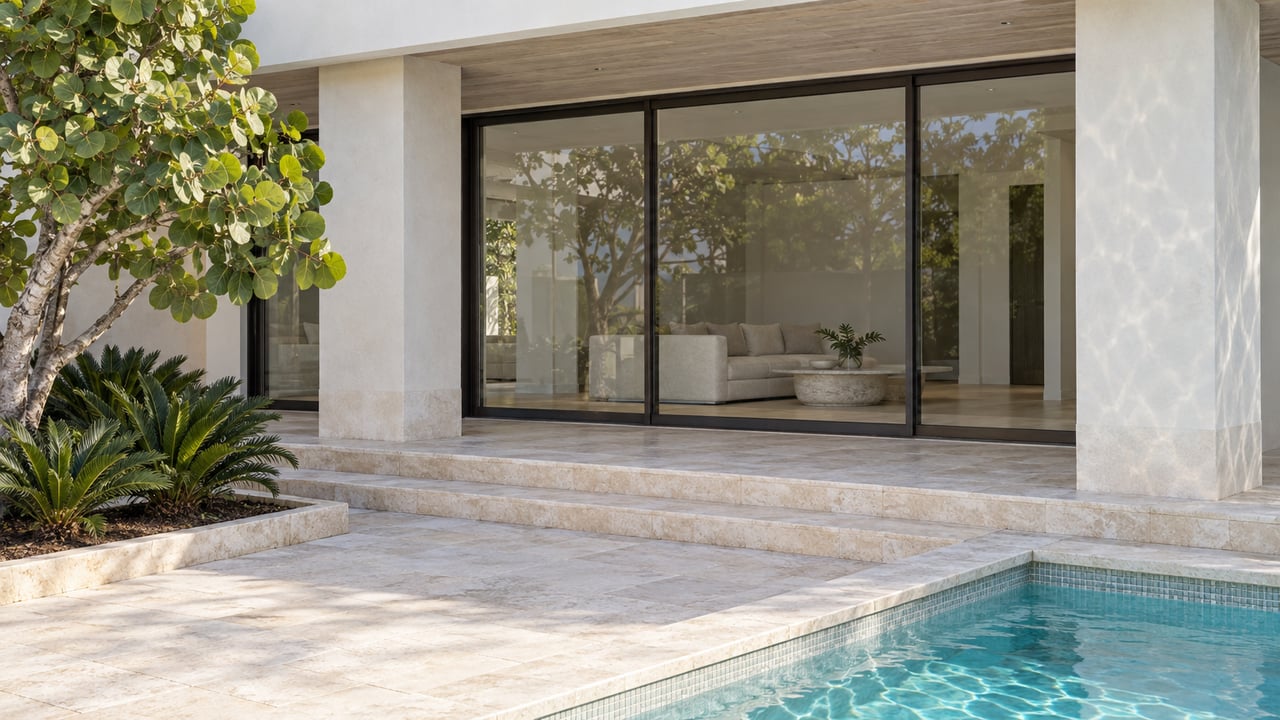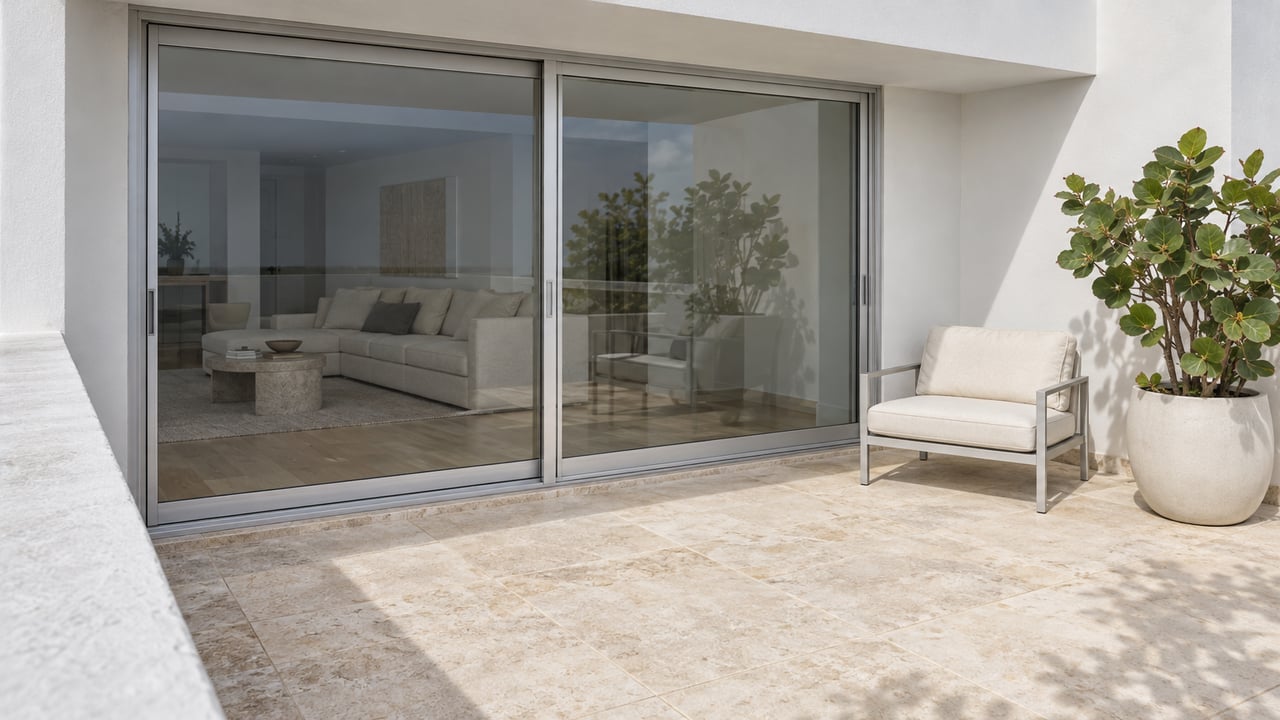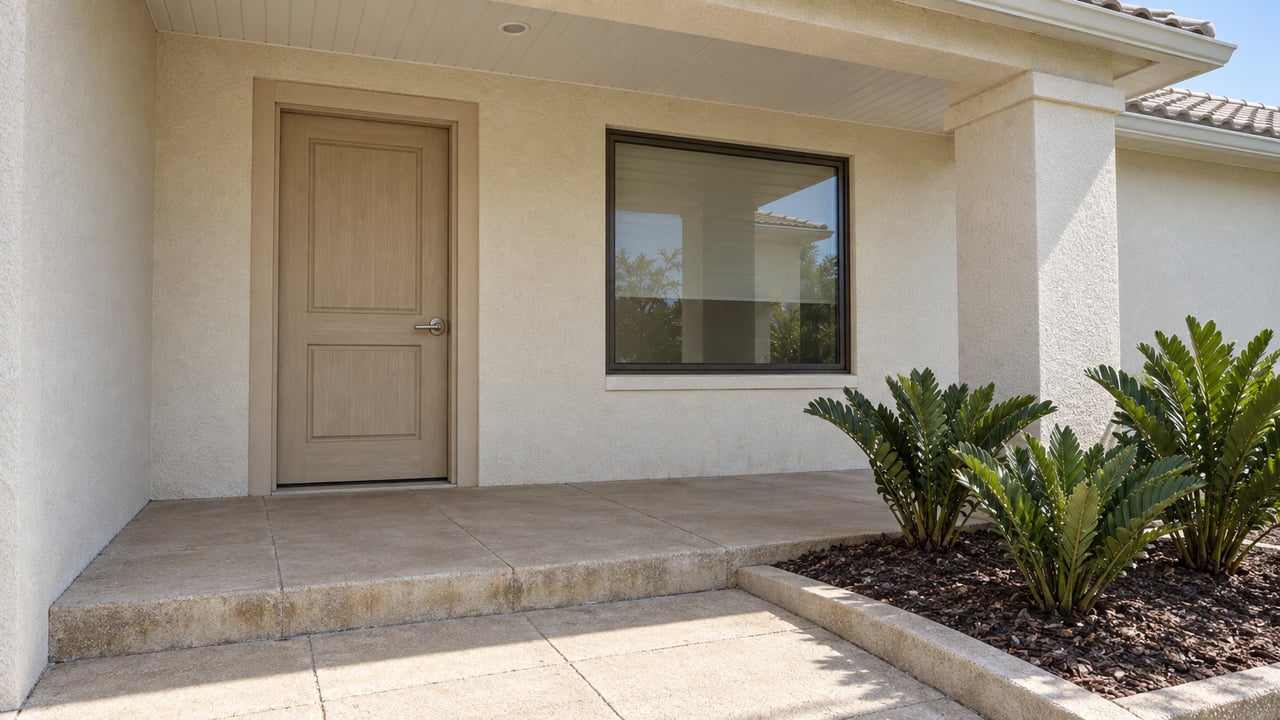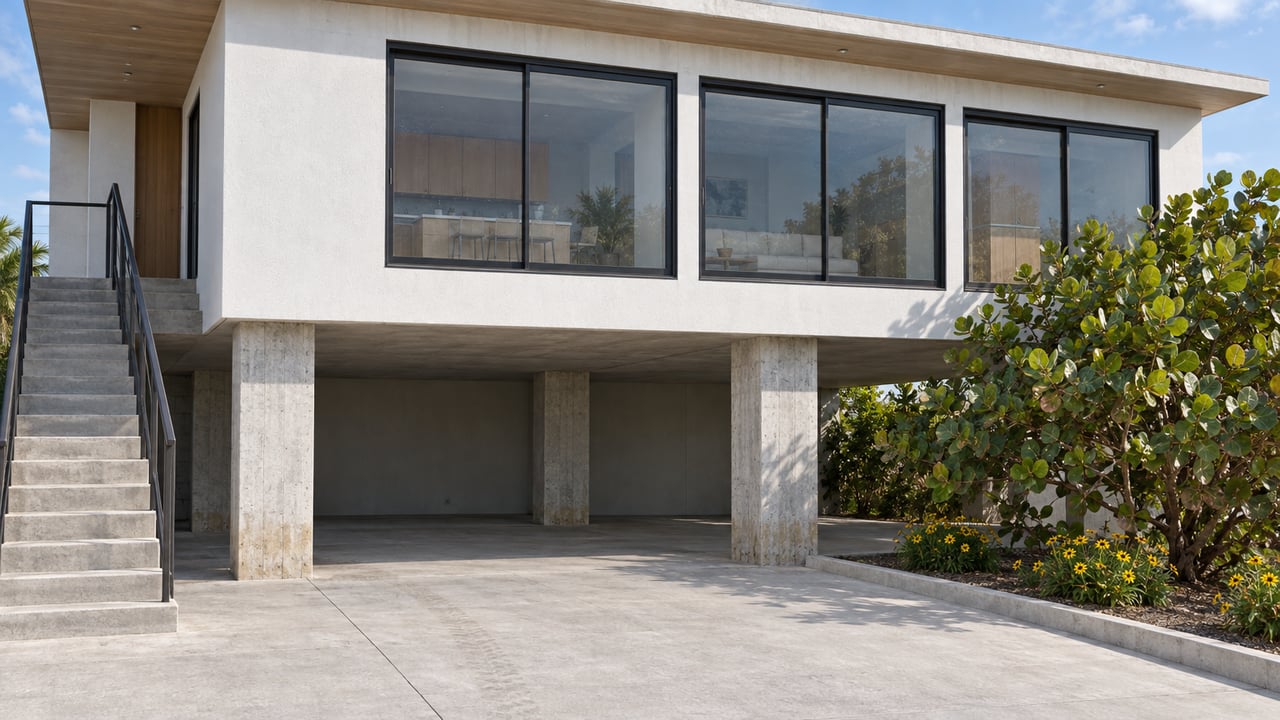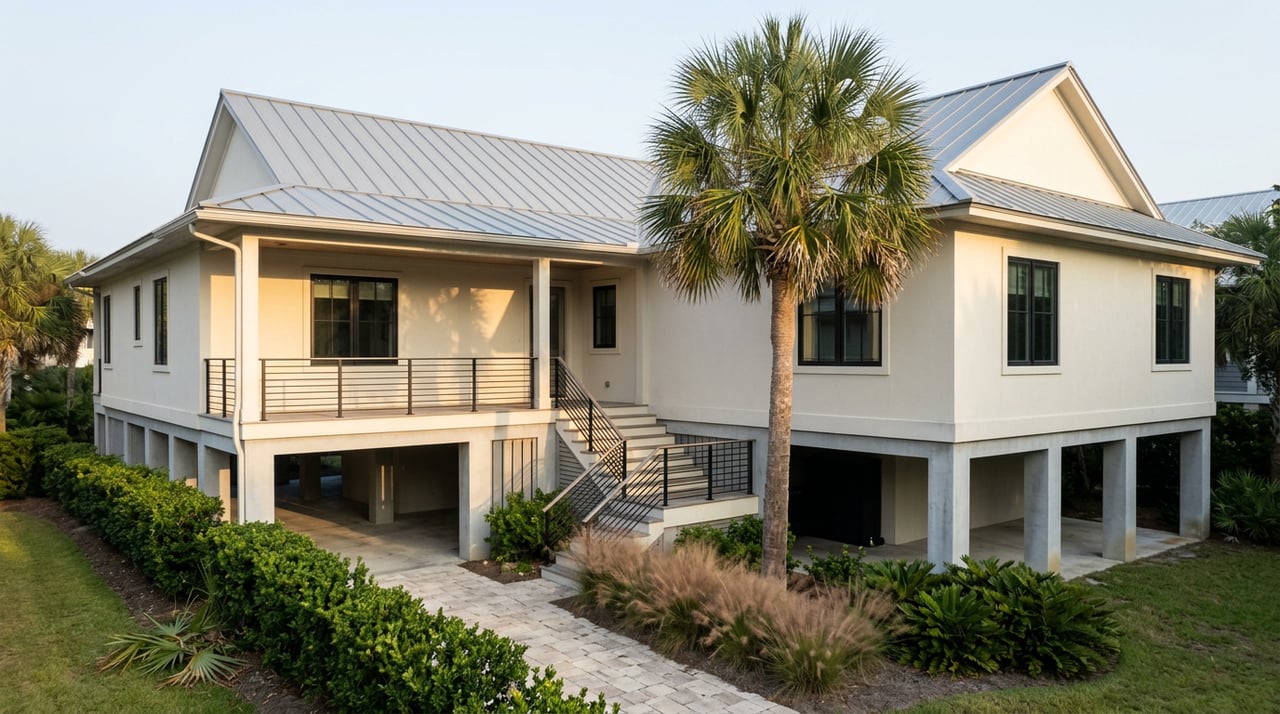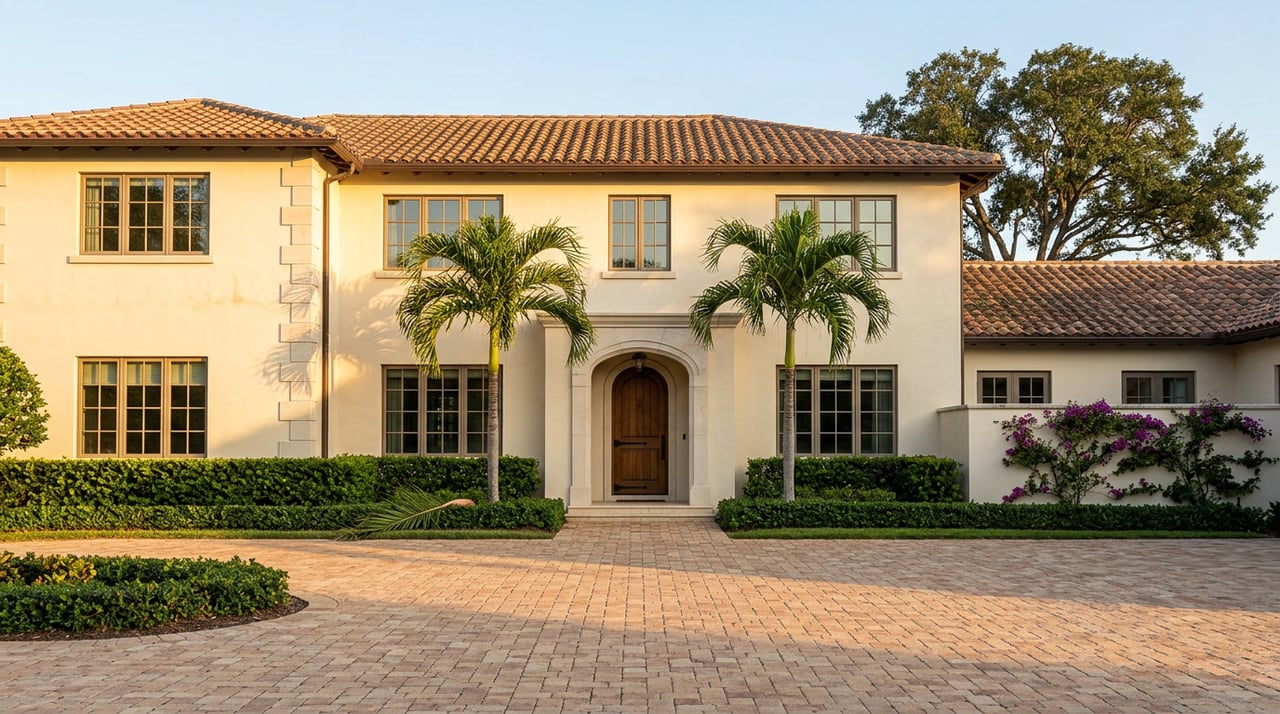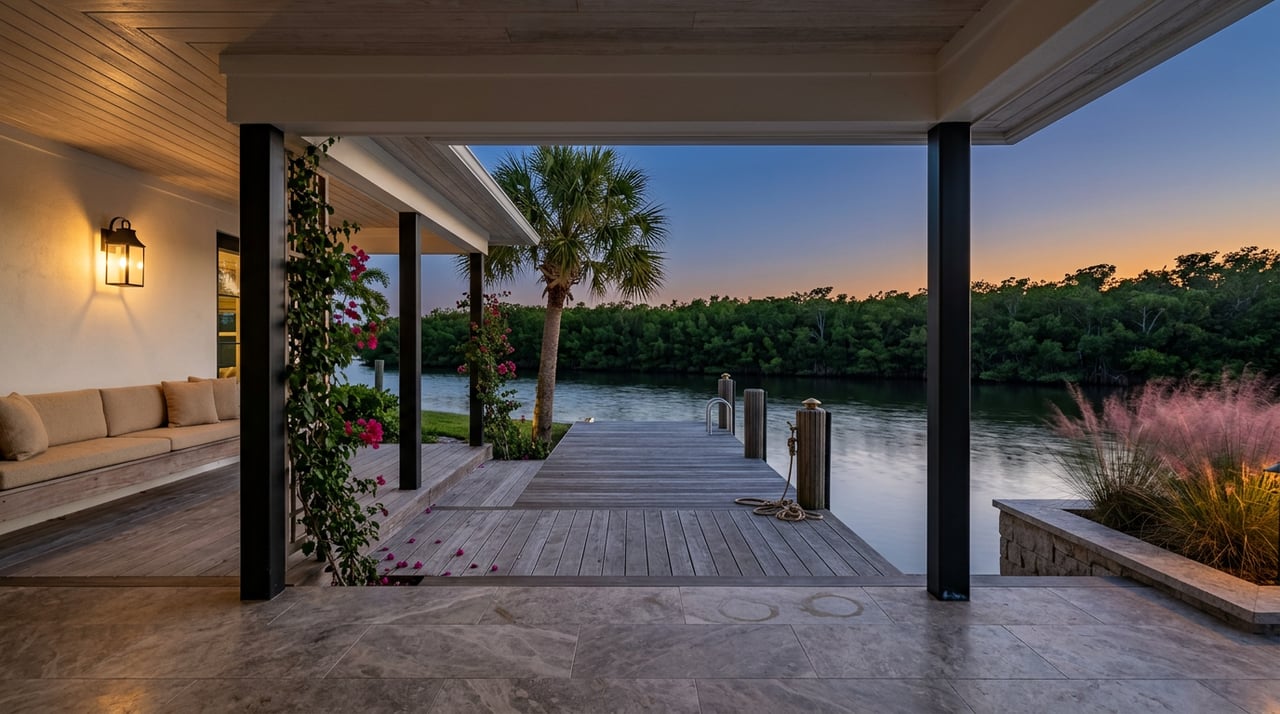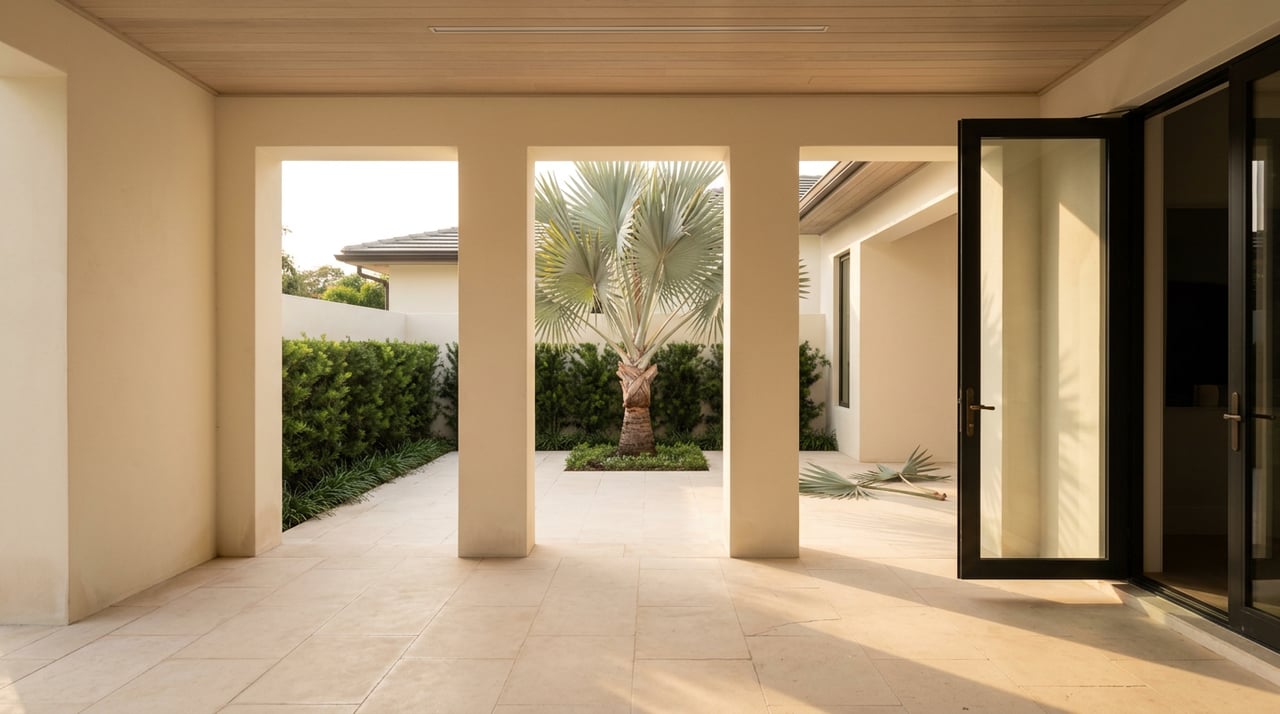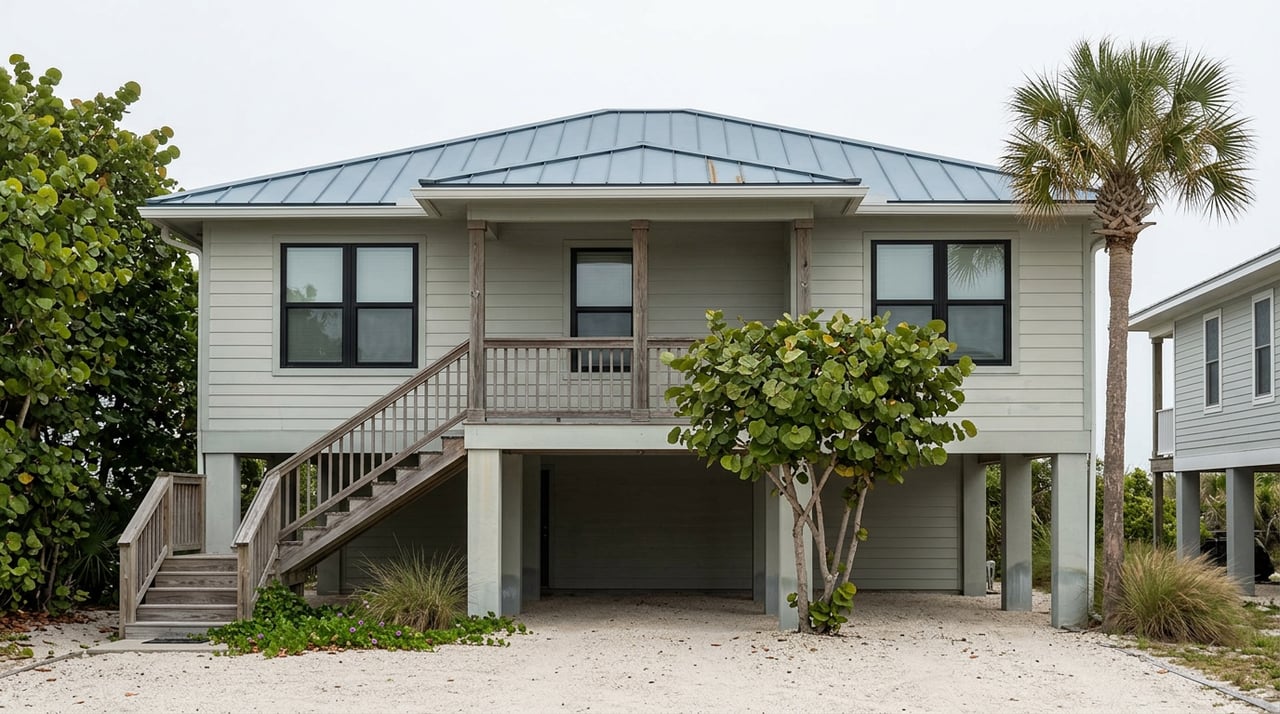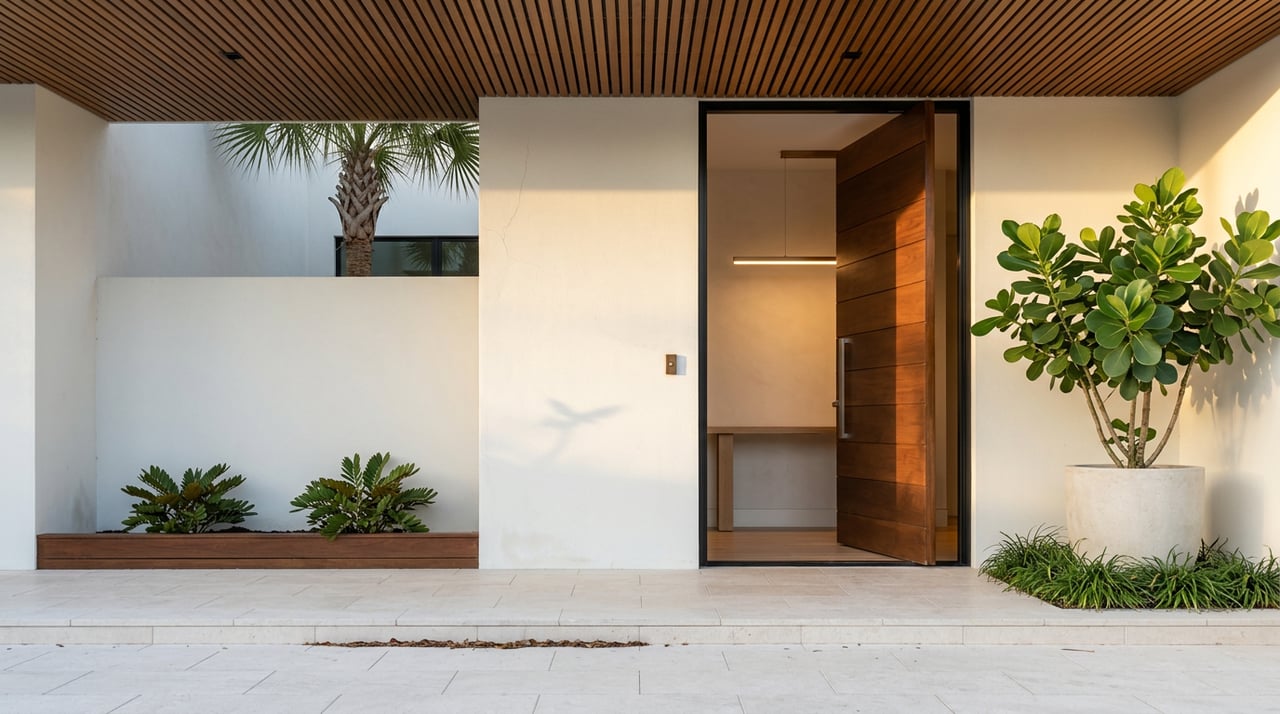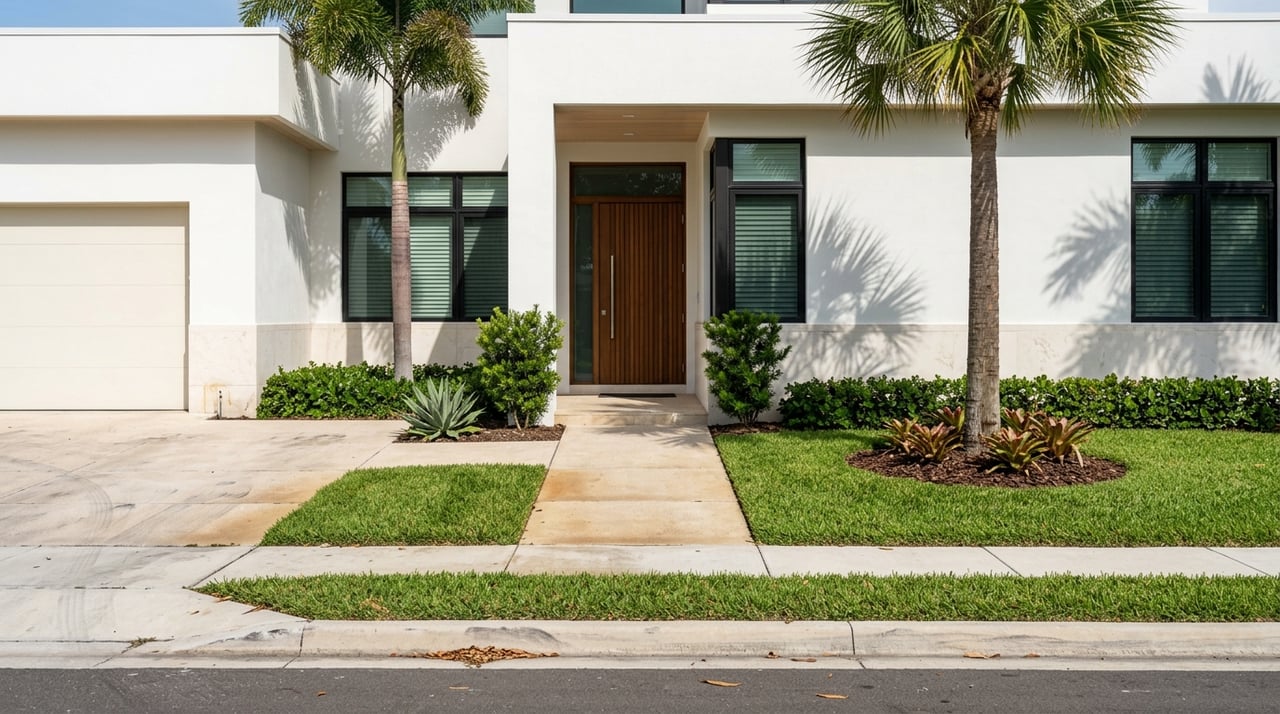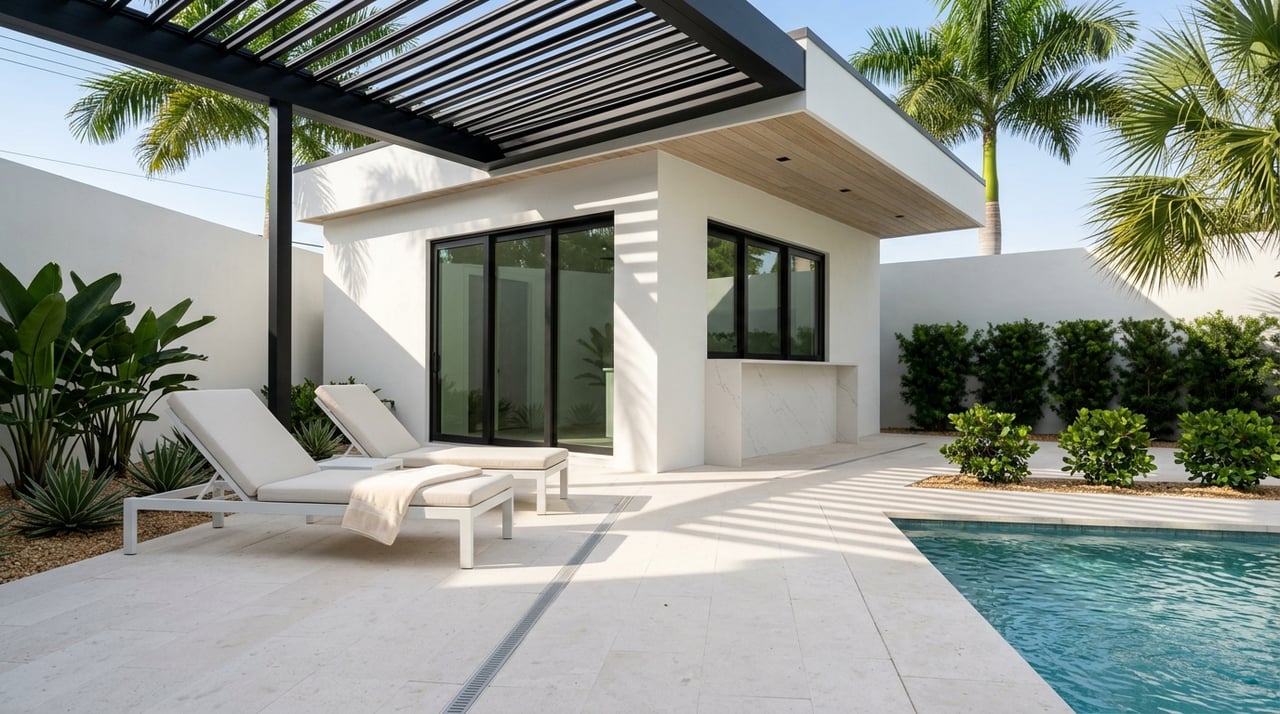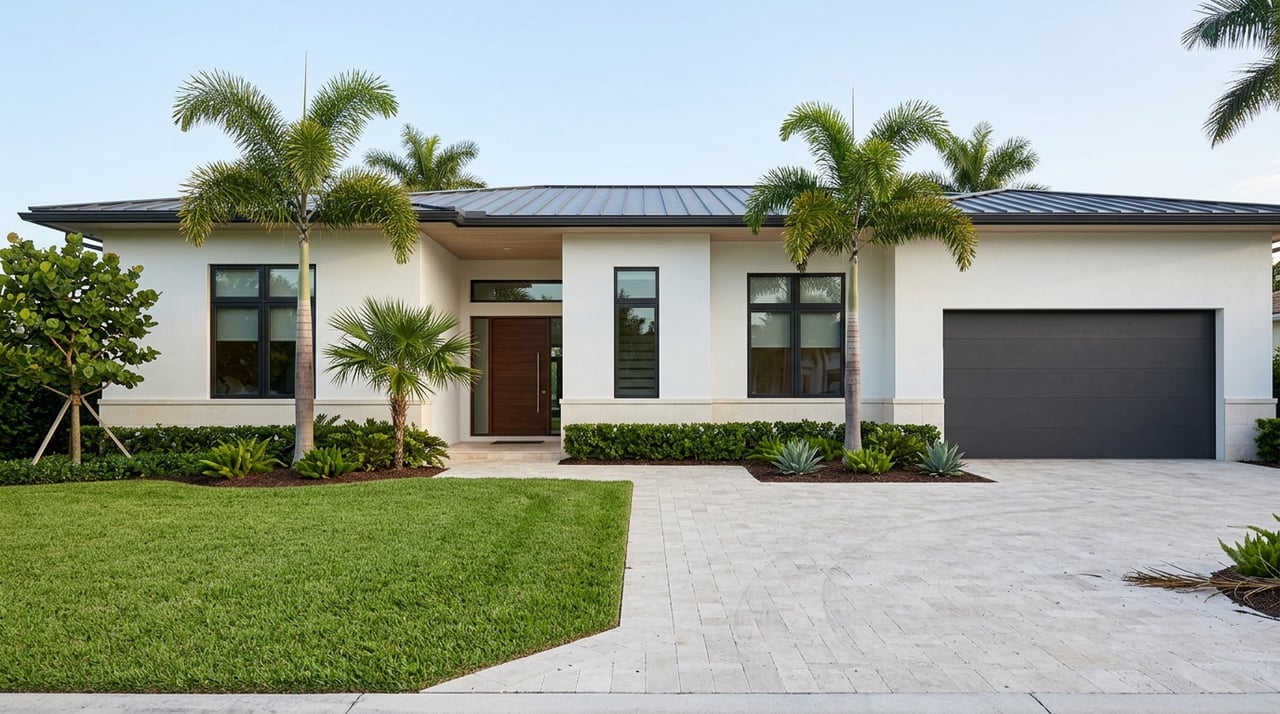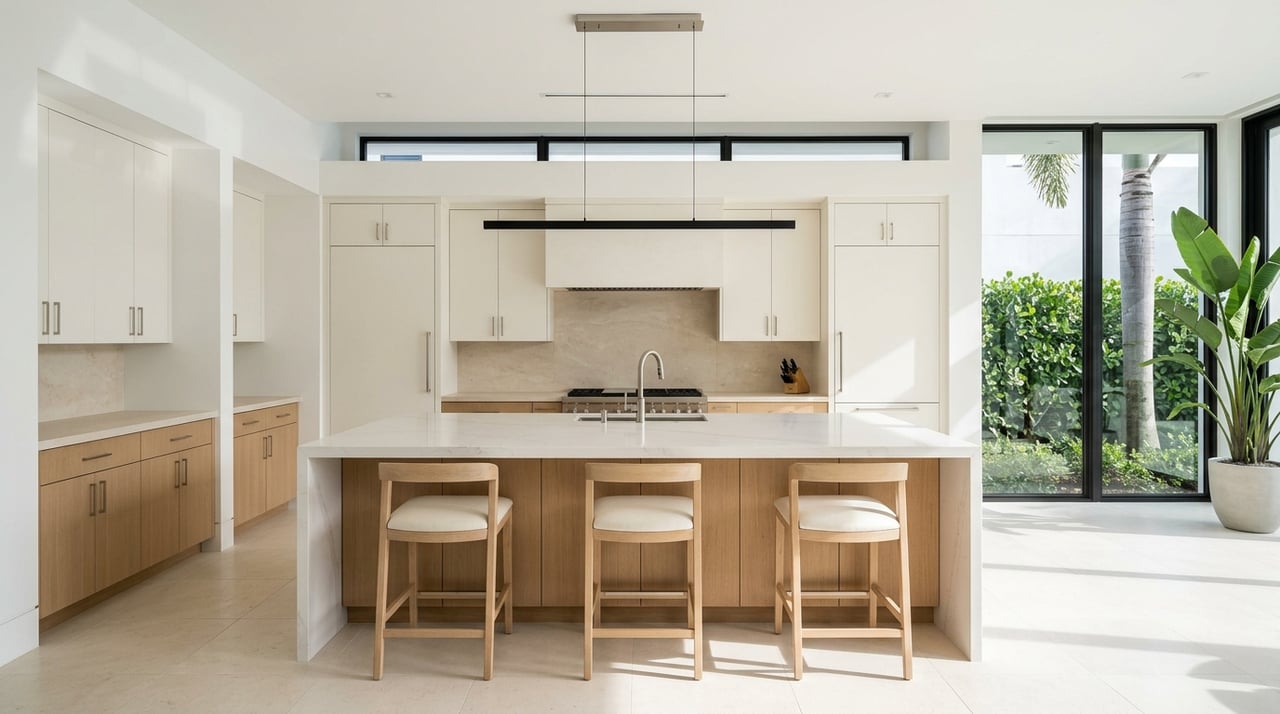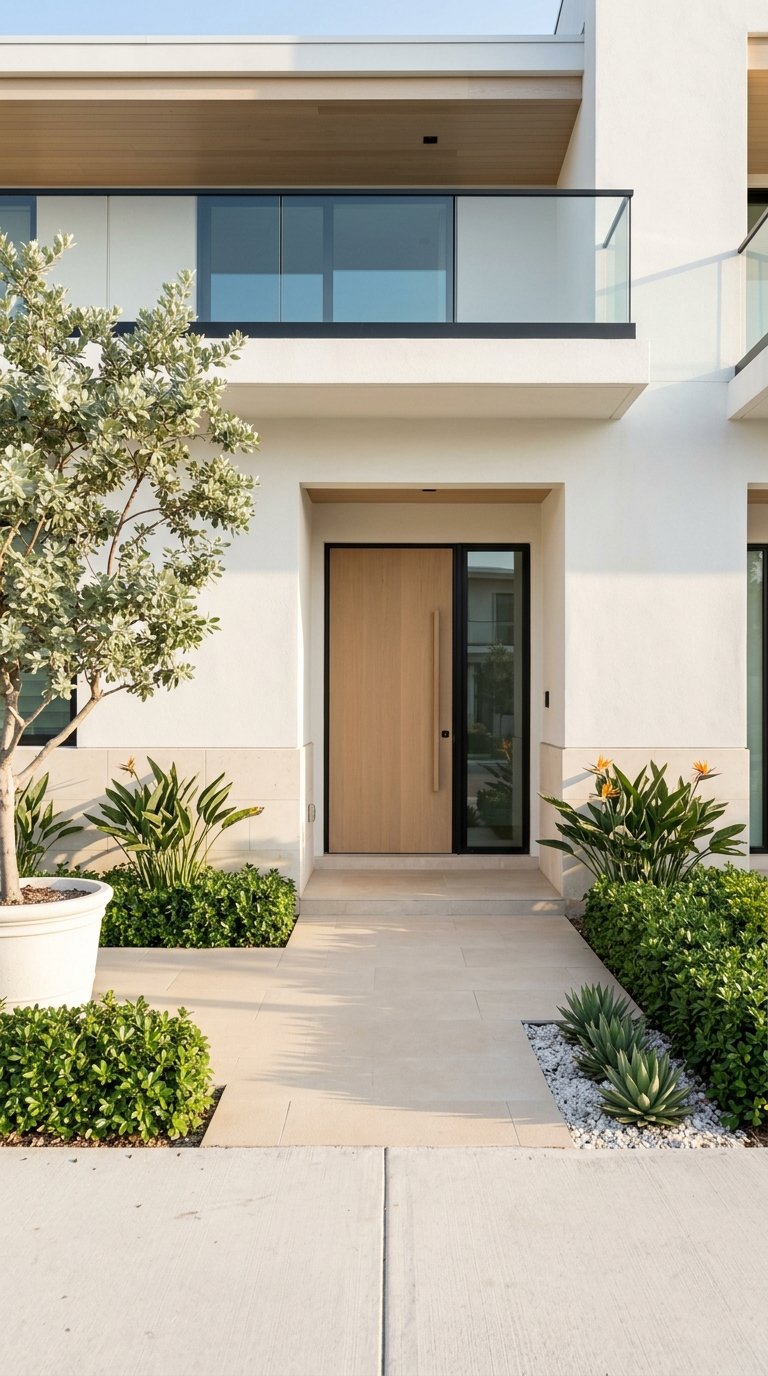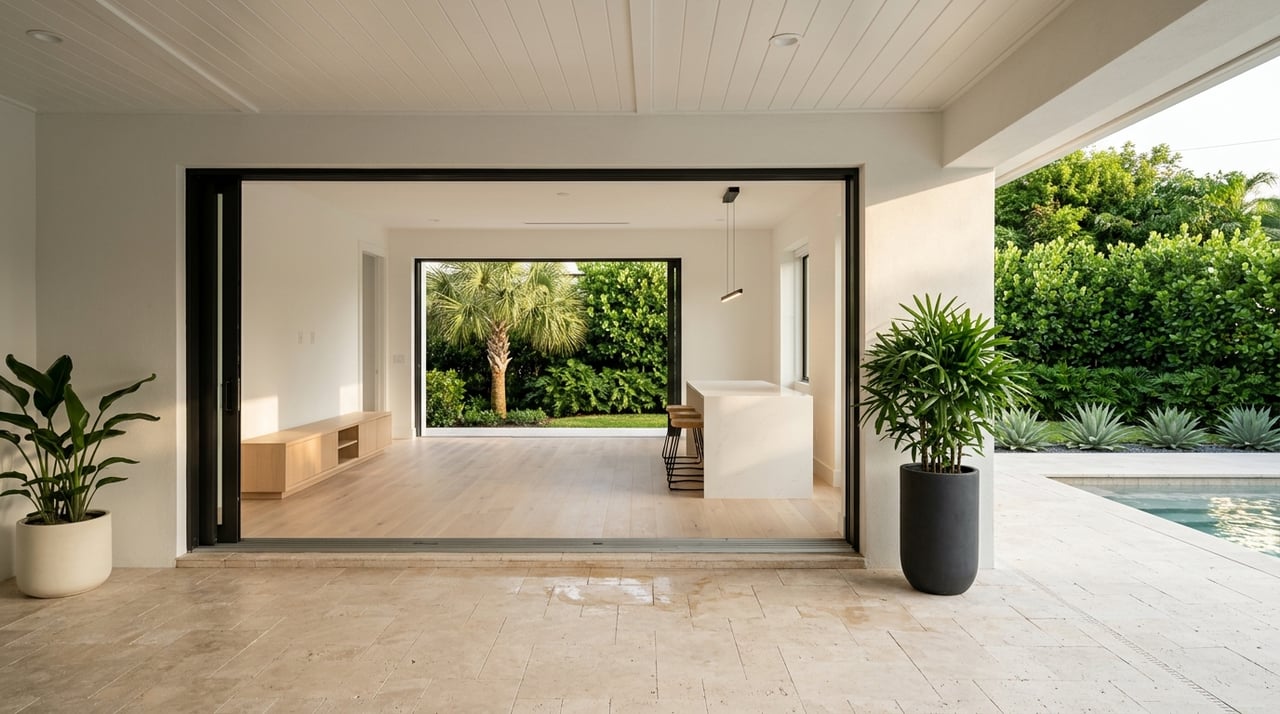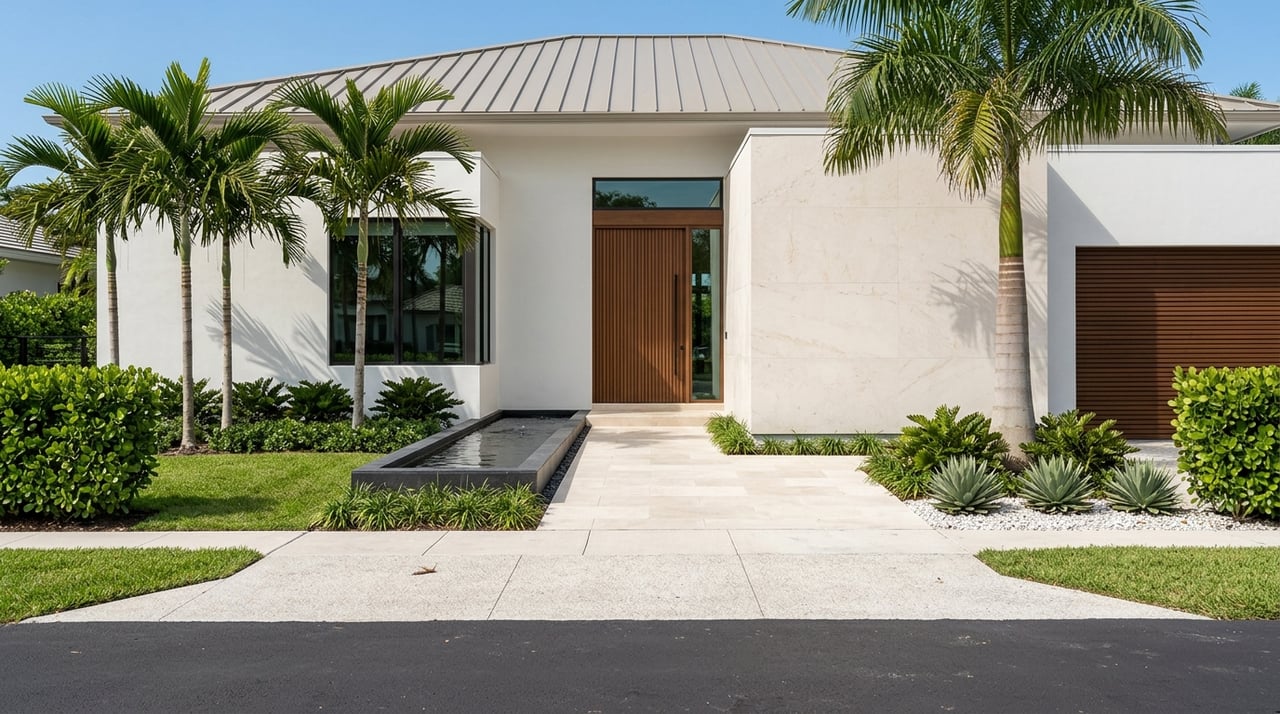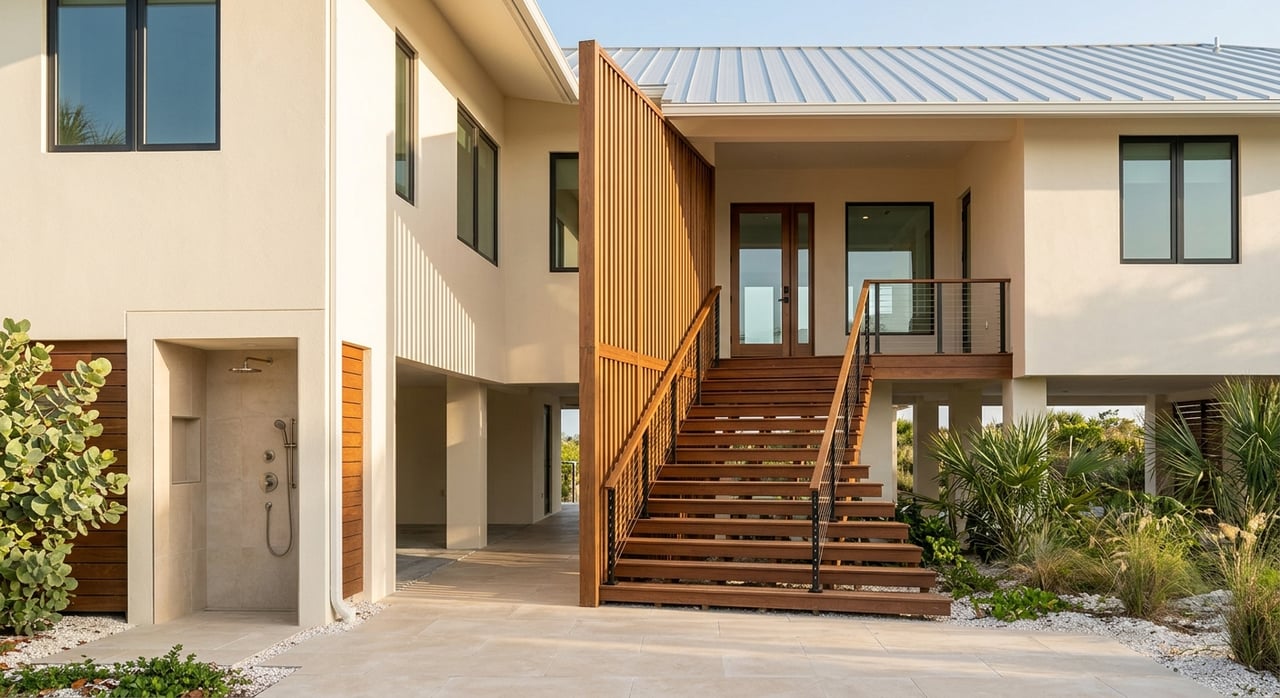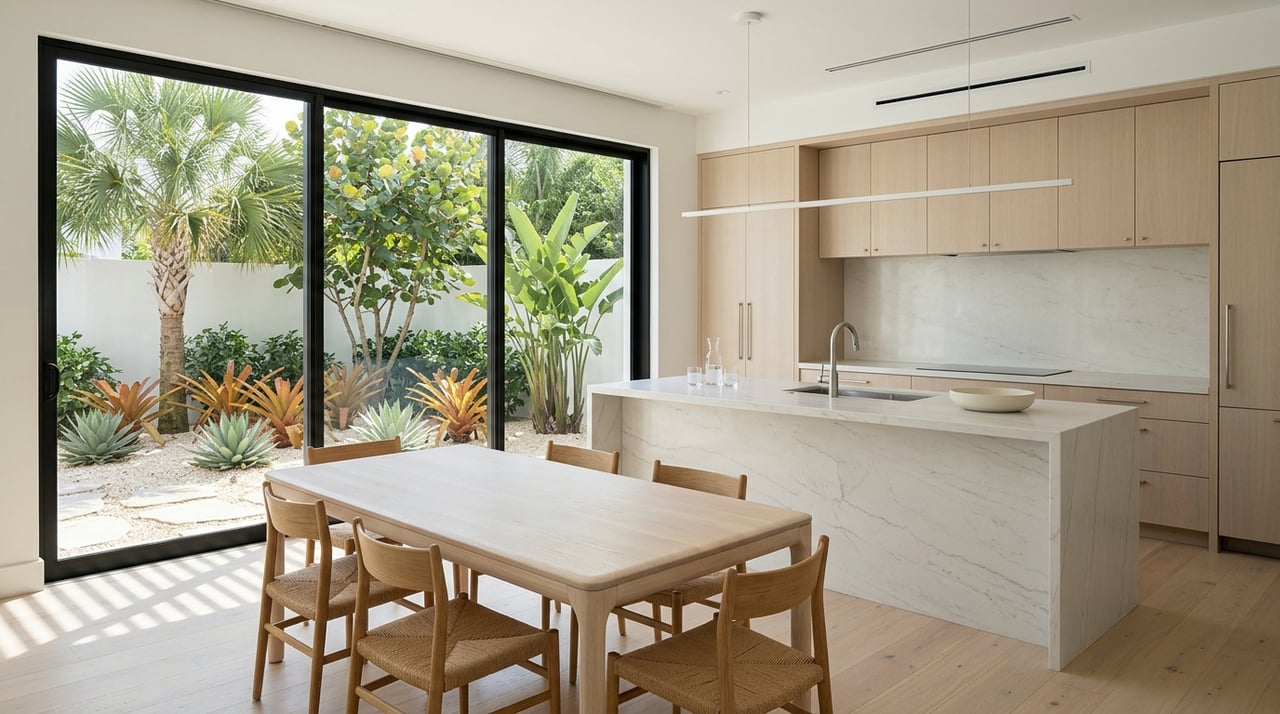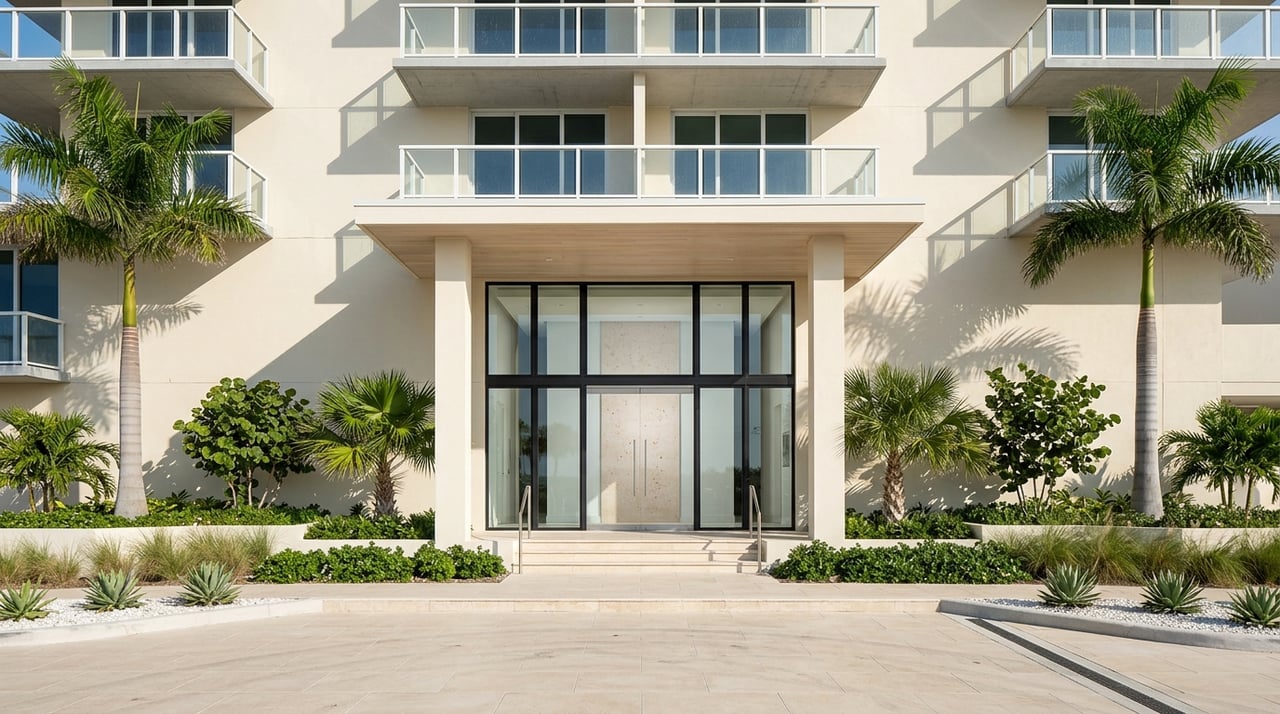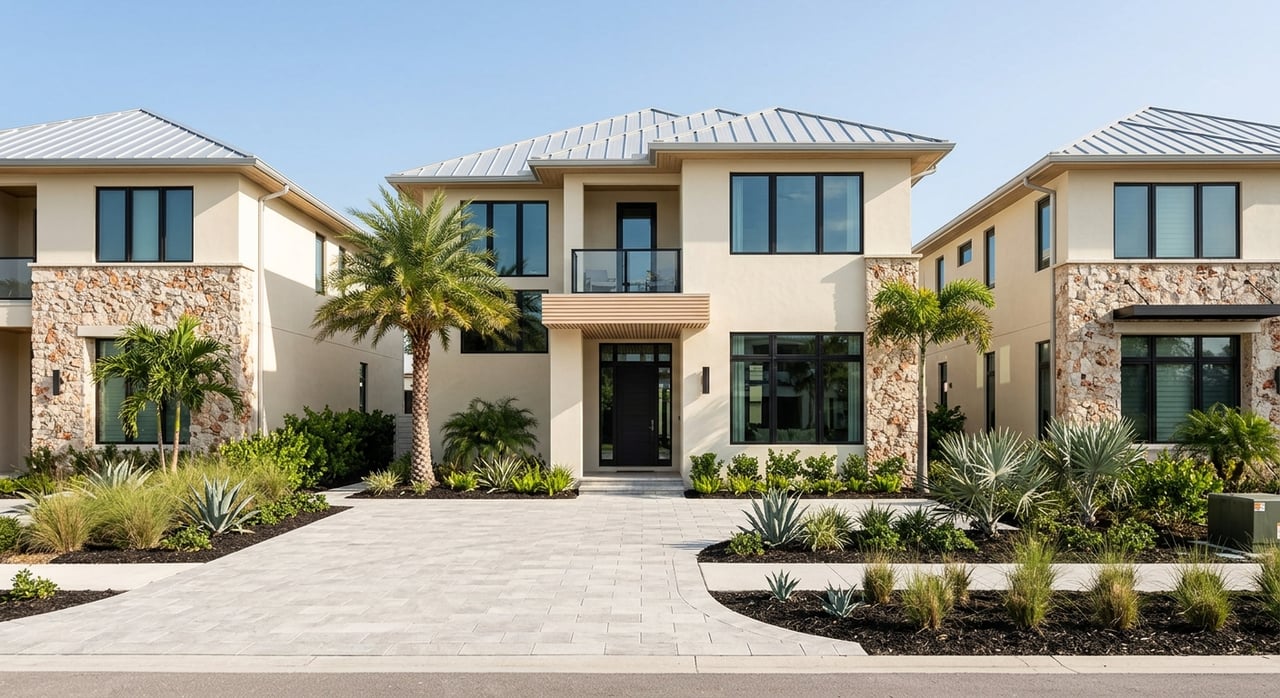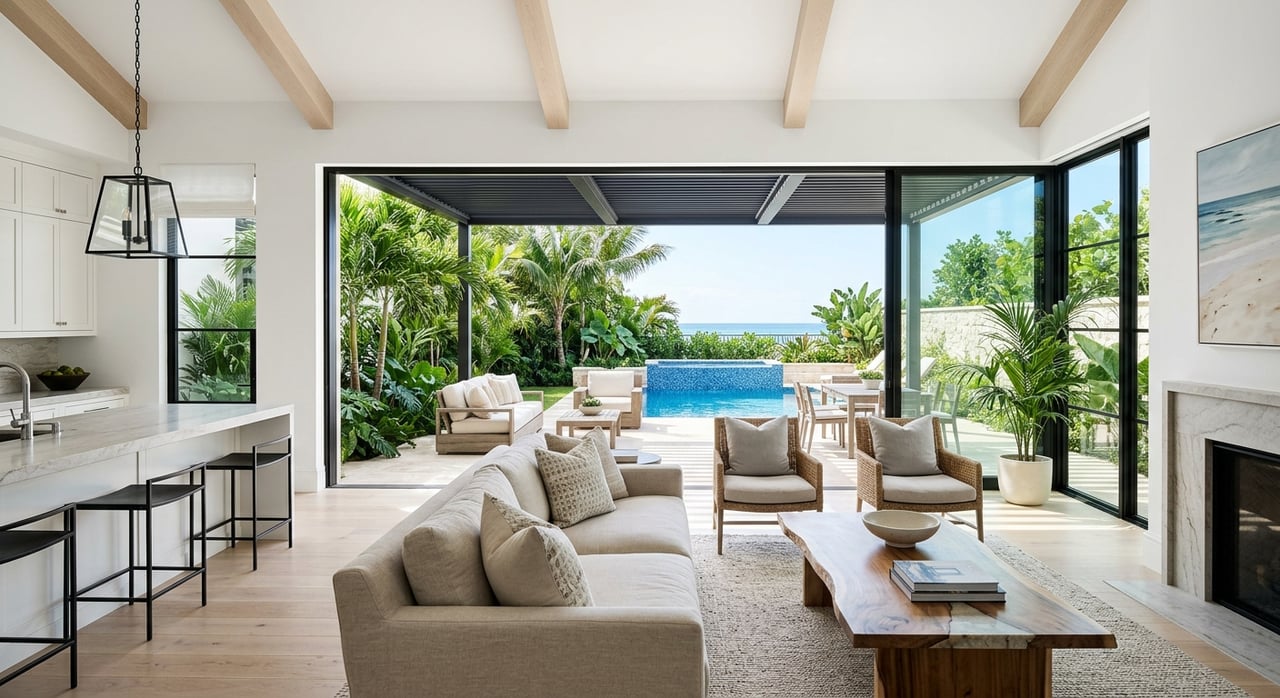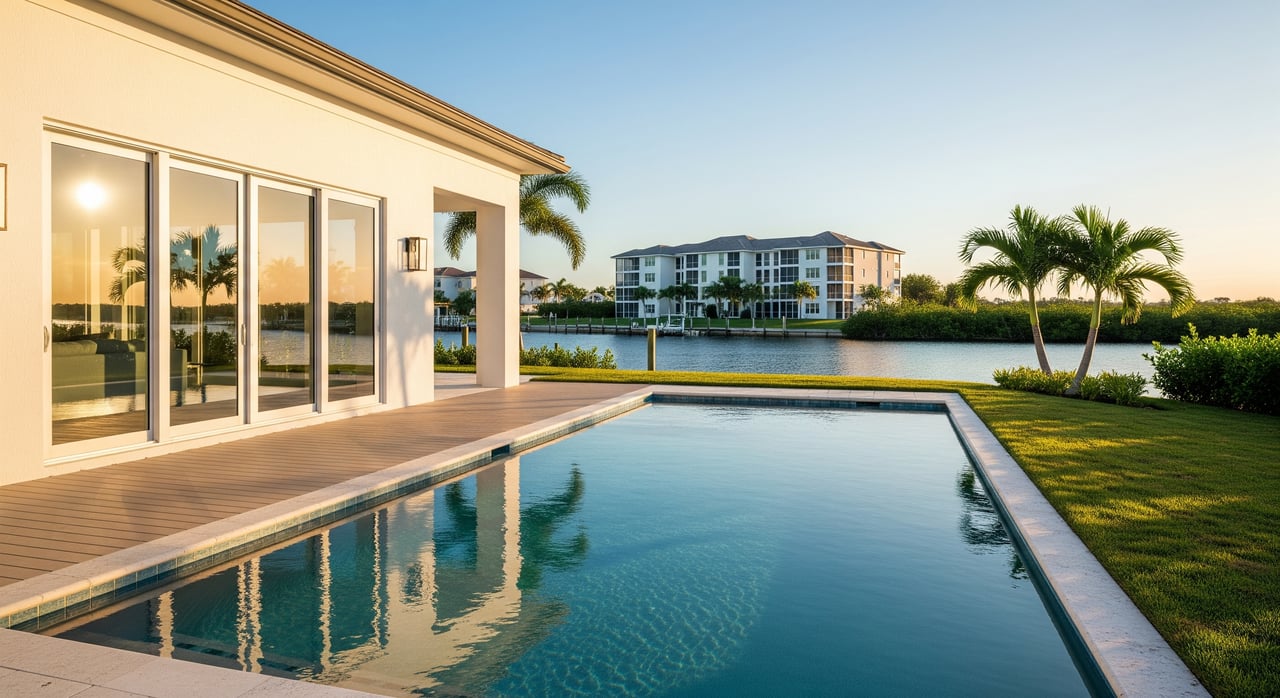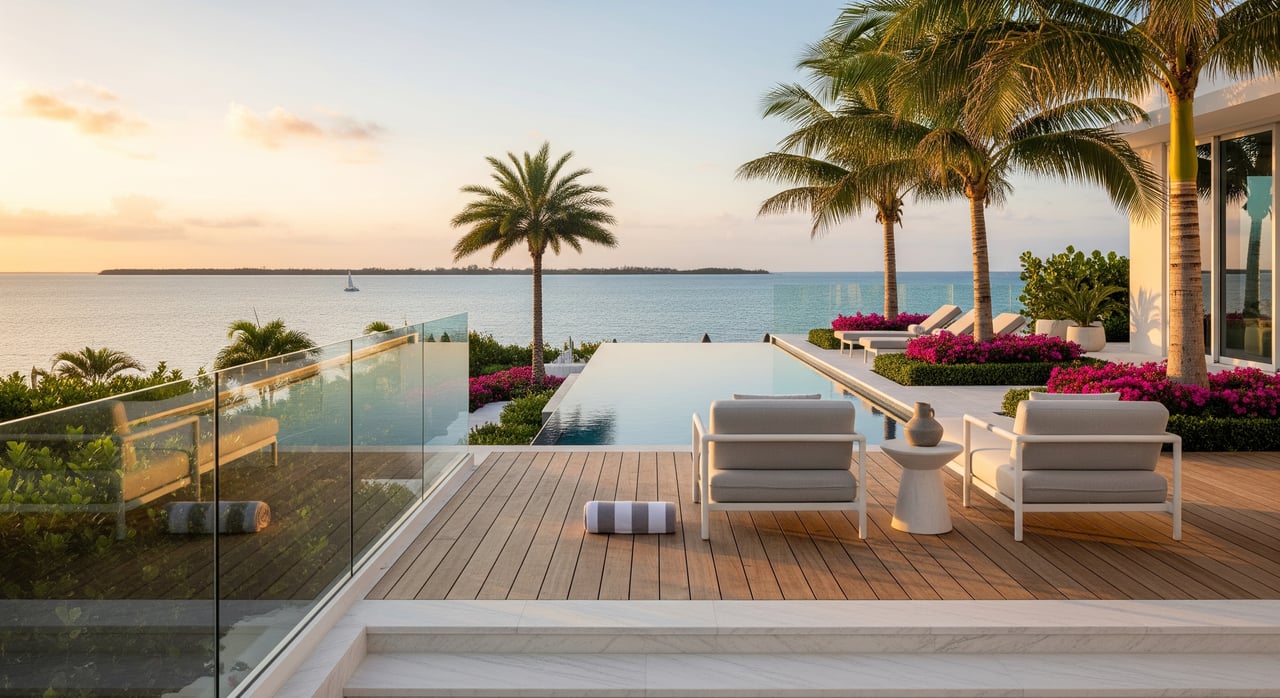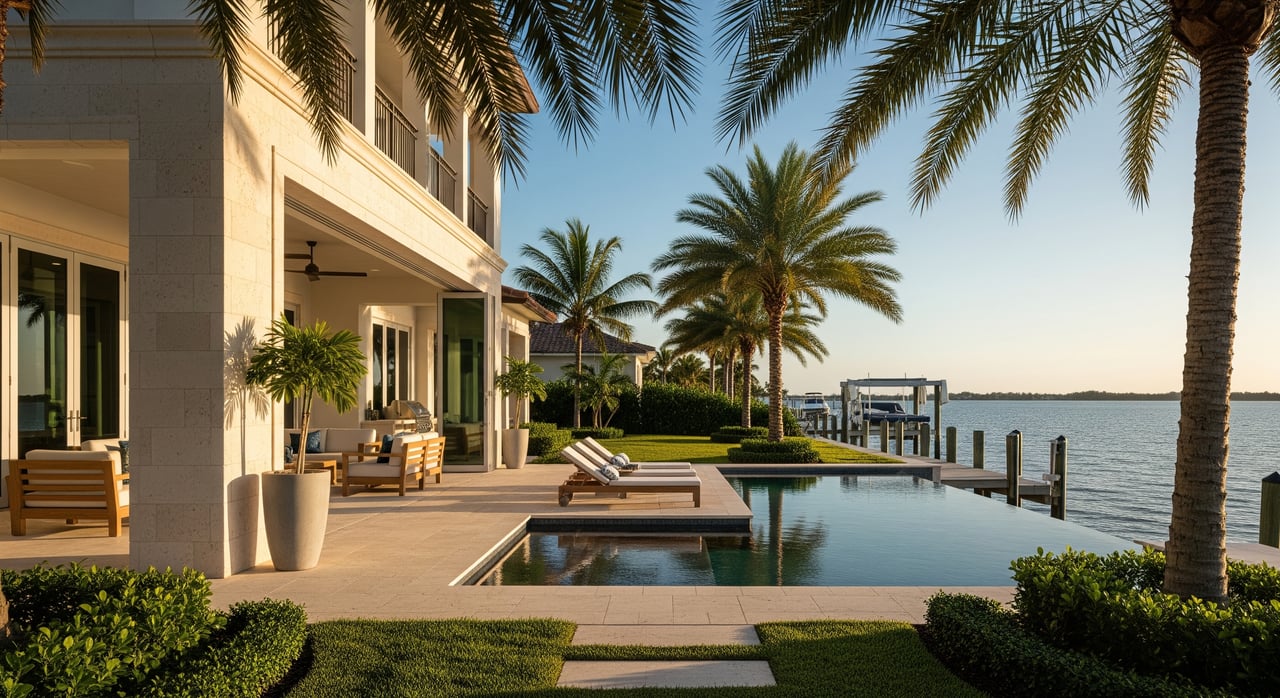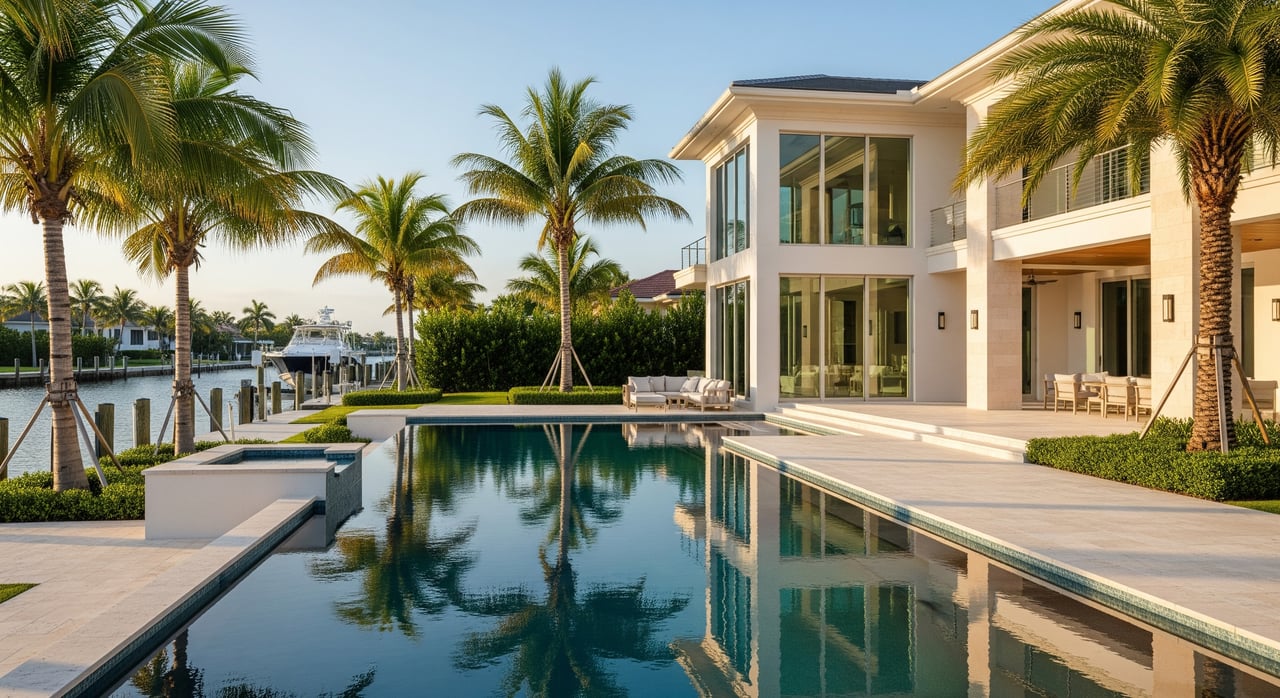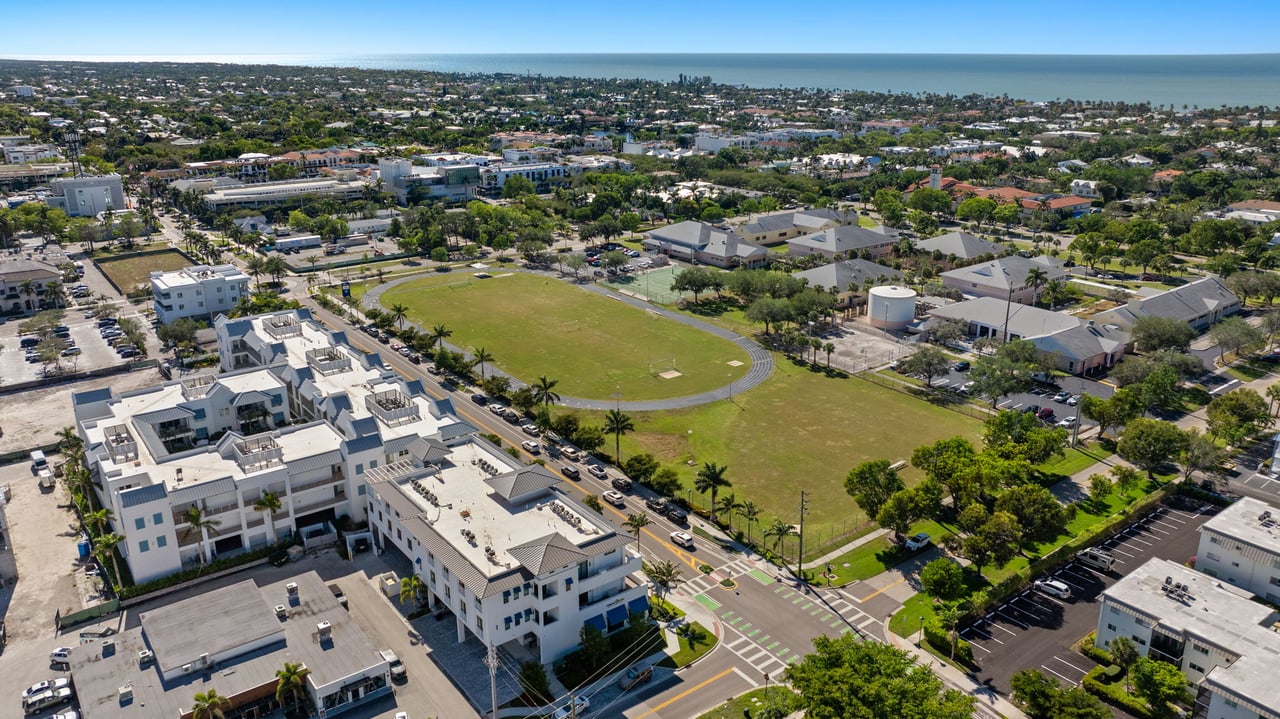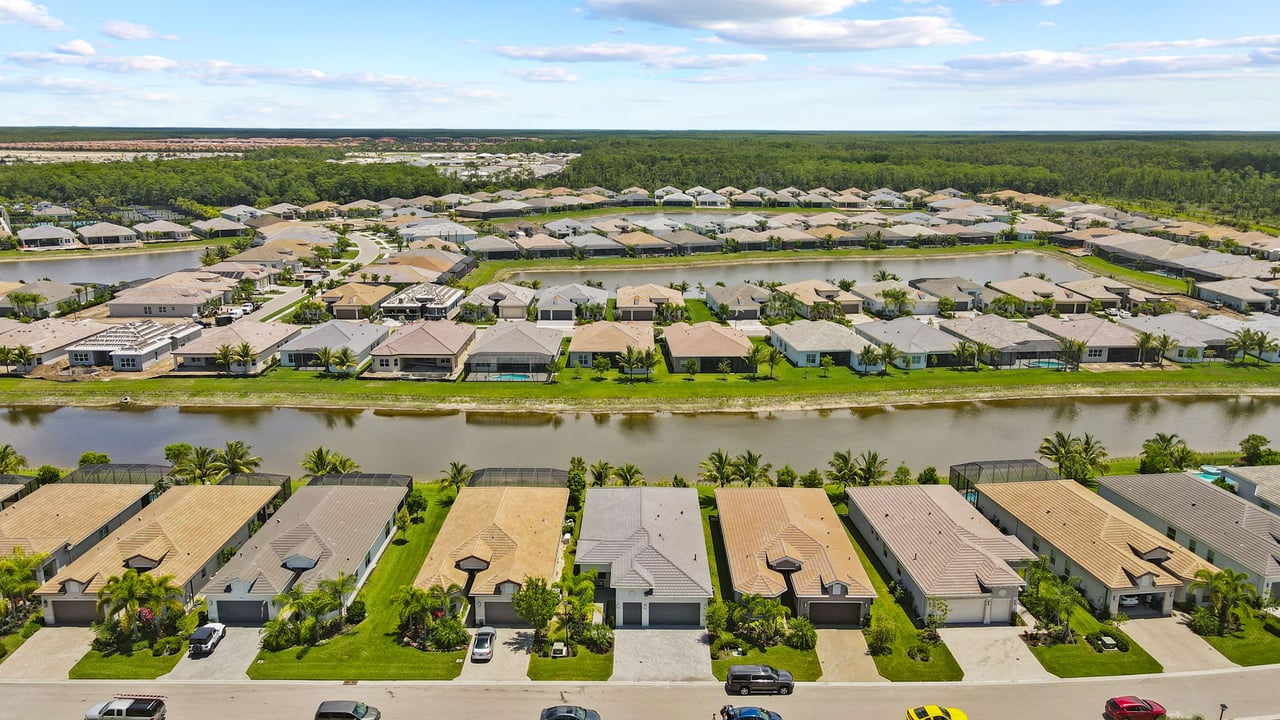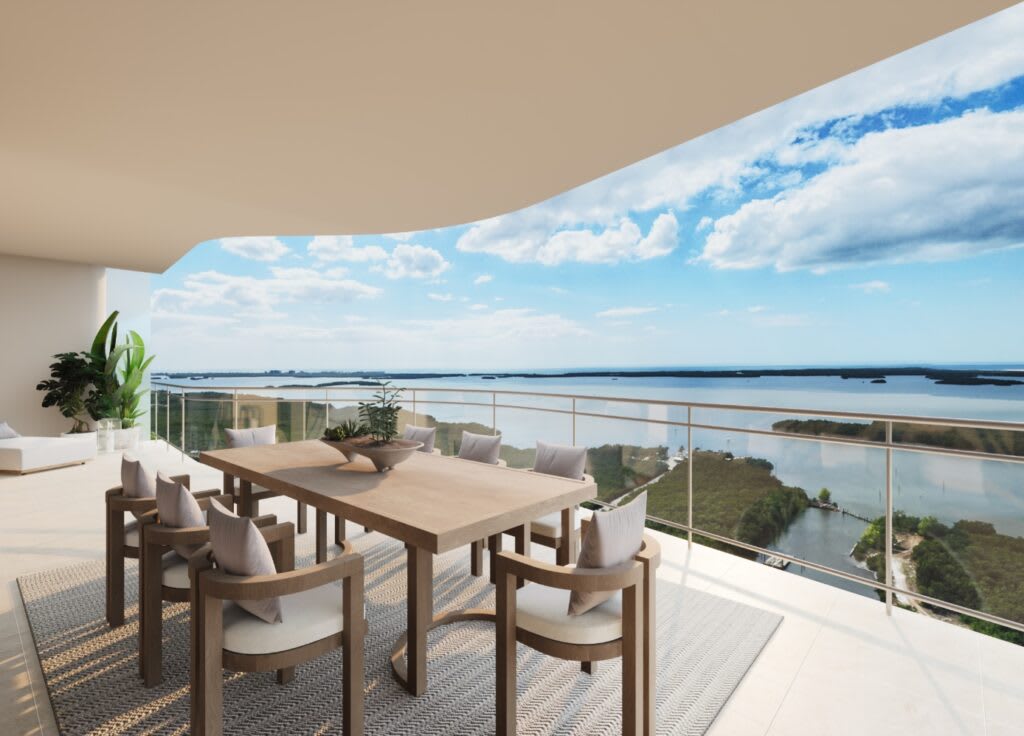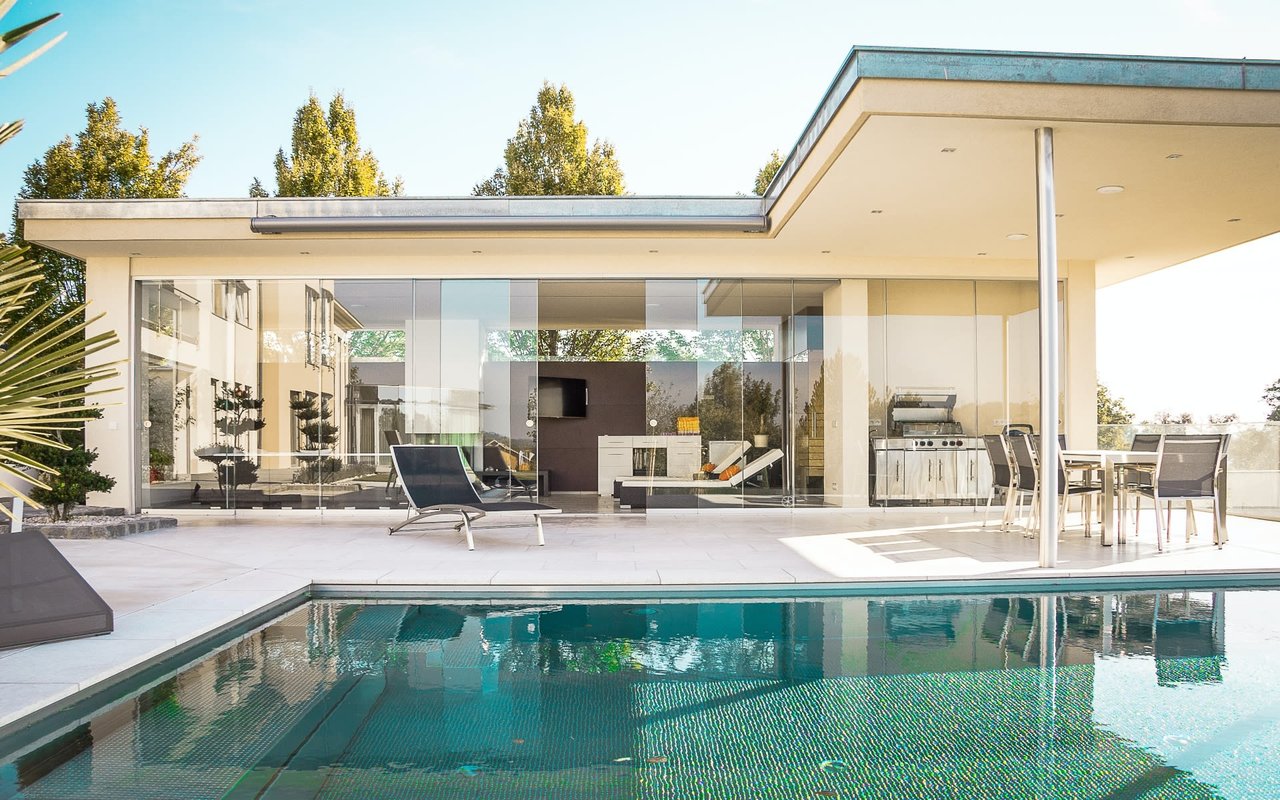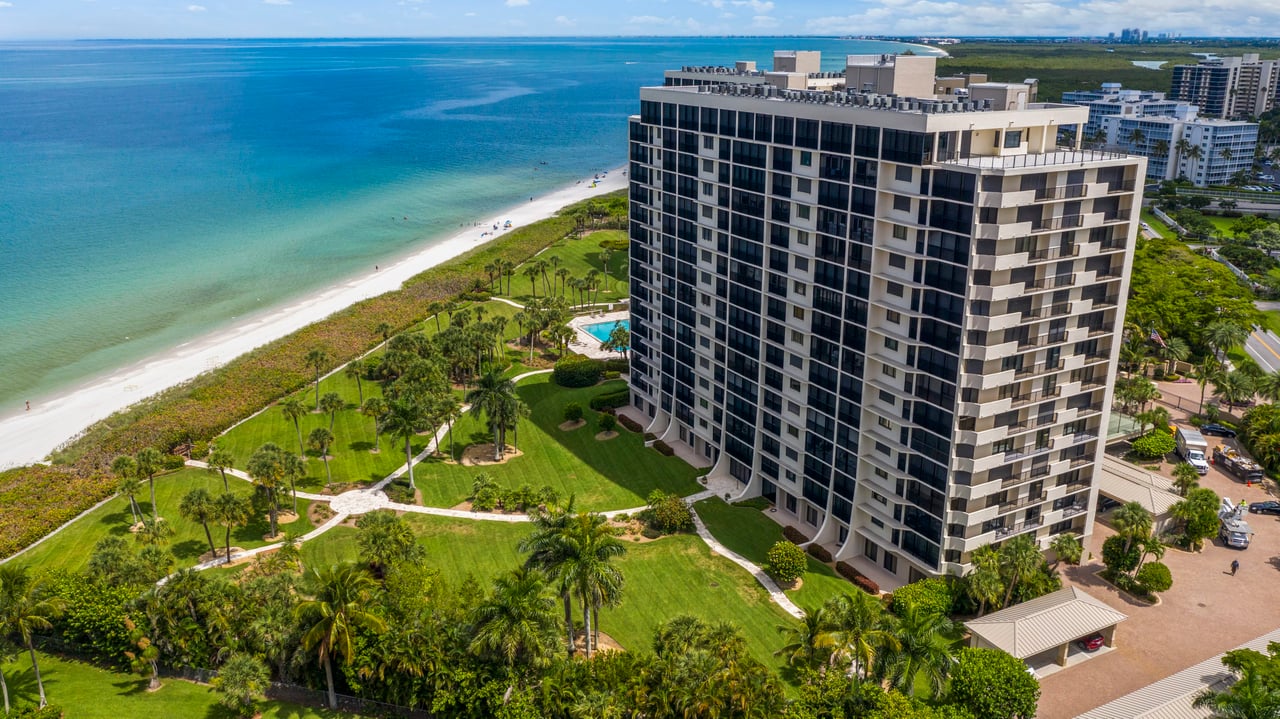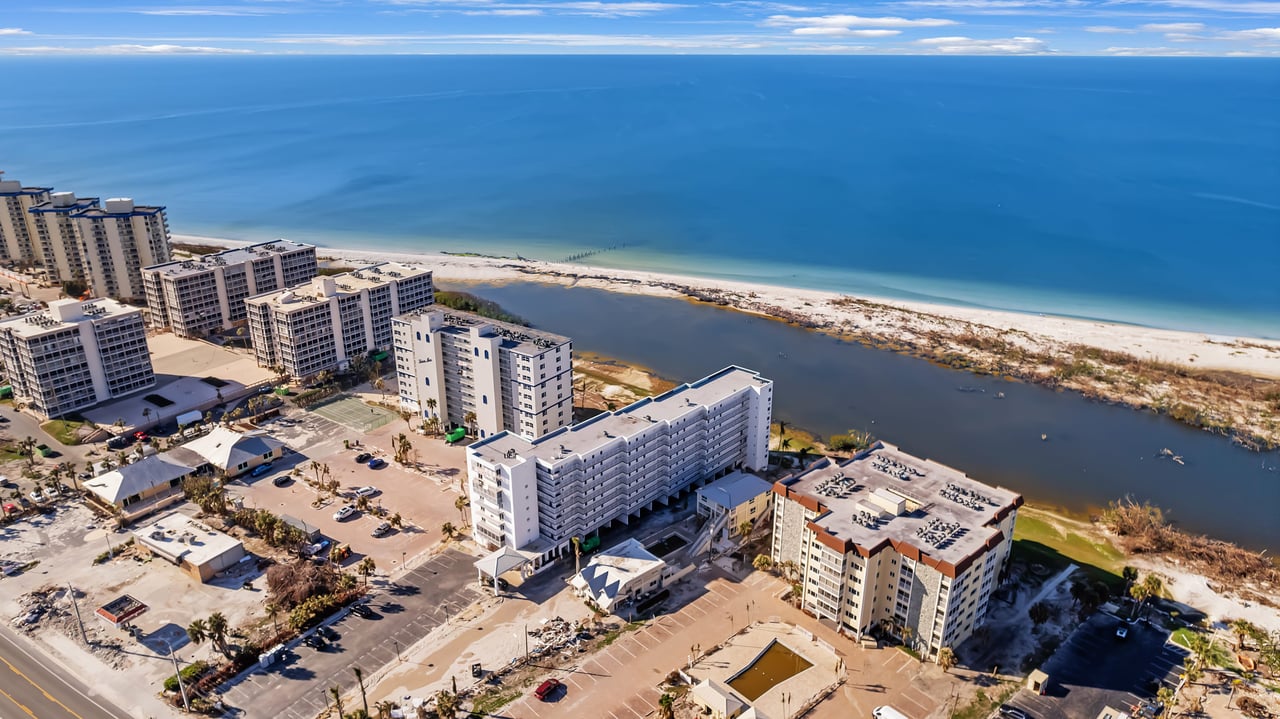
If you are selling a waterfront home in Cape Coral, you are not just selling square footage. You are selling access, outdoor living, shoreline condition, and the day-to-day experience of owning property on the water. In a market where buyers have options, the homes that stand out are the ones that feel well prepared, clearly priced, and easy to understand. Let’s dive in.
Why Cape Coral waterfront homes sell differently
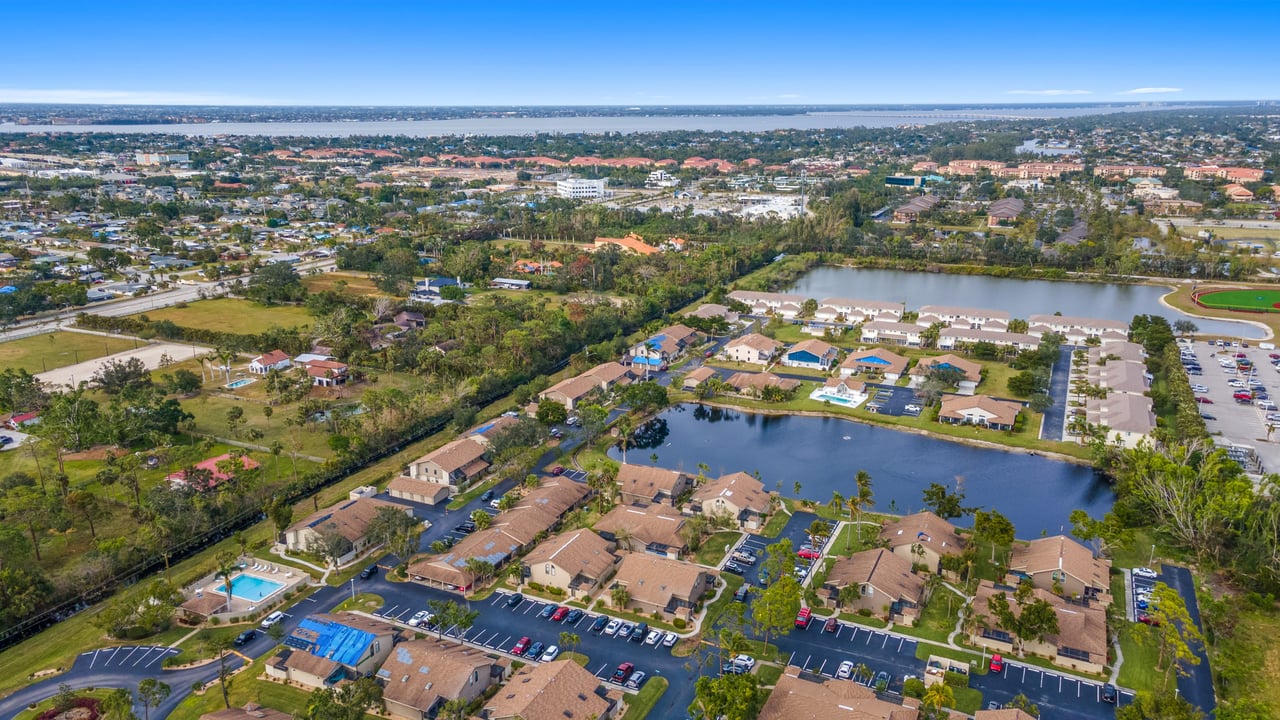
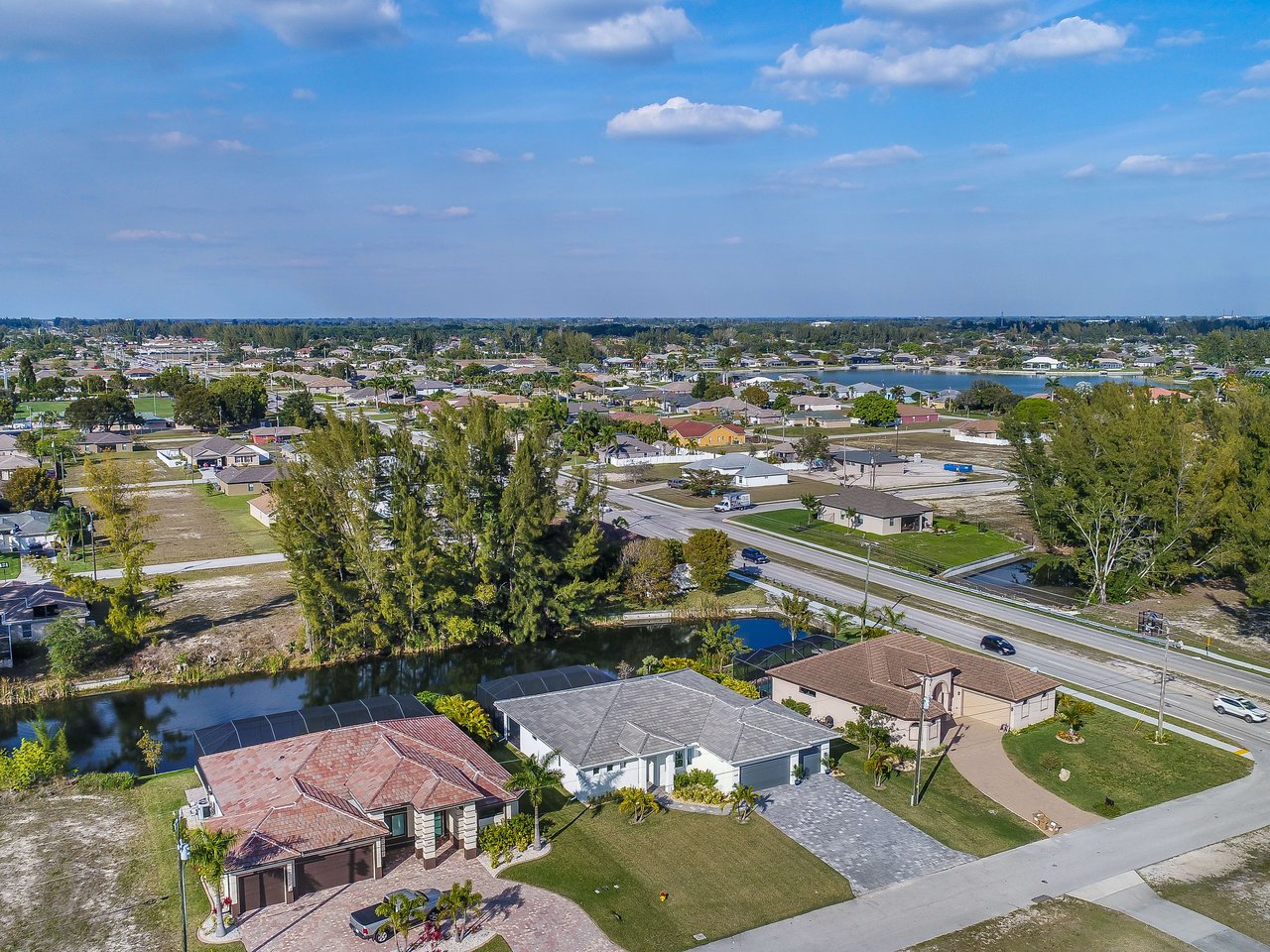
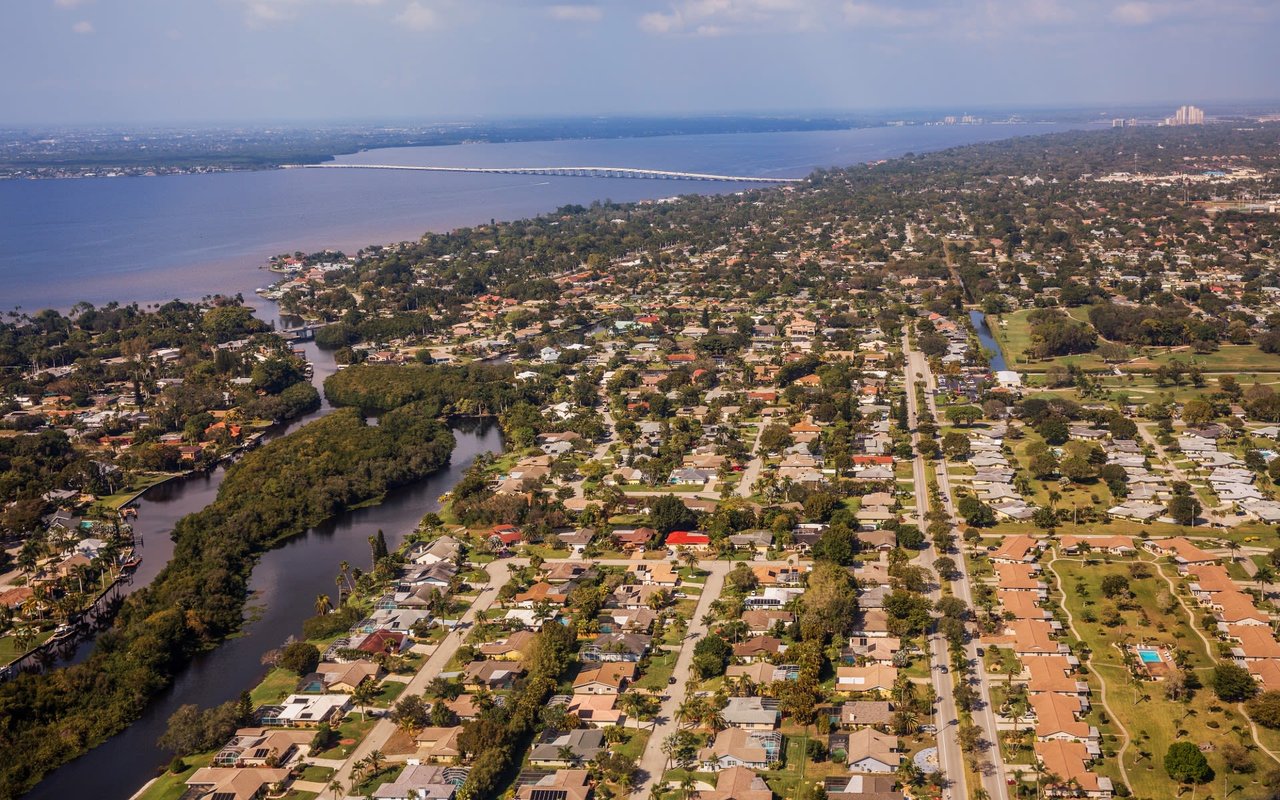
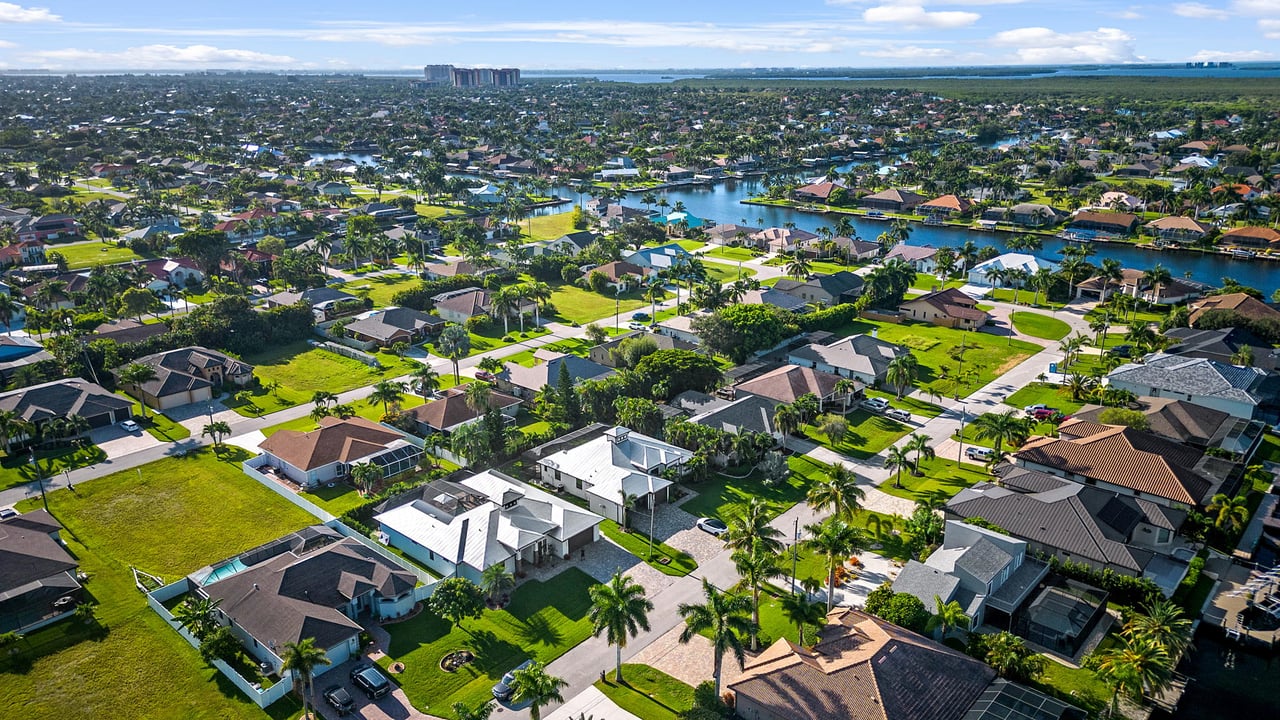
Cape Coral is built around the water. The city notes that it has more than 400 miles of waterways, including roughly 300 linear miles of freshwater canals, and many canals connect to tidal waterways, the Caloosahatchee River, and the Gulf.
That matters because buyers are usually looking at more than the view from the lanai. They want to understand what kind of canal they are buying on, how usable the dock is, what the shoreline needs, and how much upkeep the property may require. A strong sales strategy speaks to those questions early.
Buyers look at access and upkeep
For many buyers, the real value of a waterfront home is how the water fits into daily life. They may care about boating convenience, canal width, dock access, lift usability, and how quickly they can get where they want to go.
They also notice maintenance. If the shoreline looks overgrown or the dock area feels neglected, buyers may assume the property comes with more work than they want. That can soften interest before they ever ask about price.
Price with precision in a buyer's market
Cape Coral’s March 2026 market snapshot showed about 6,900 homes for sale, a median listing price near $420,000, a median of 75 days on market, and homes selling at about 97% of list price on average. Realtor.com also classified Cape Coral as a buyer’s market.
In that kind of market, waterfront sellers need to be especially careful with pricing. A waterfront address alone does not guarantee a premium if the access, dock setup, seawall condition, or documentation do not line up with buyer expectations.
The right comparables matter more
When you price a waterfront home, the best comparable sales are rarely just nearby homes with similar size. They should also reflect water-related features that buyers care about in Cape Coral.
That often includes:
- Canal type
- Water access and route
- Lot position
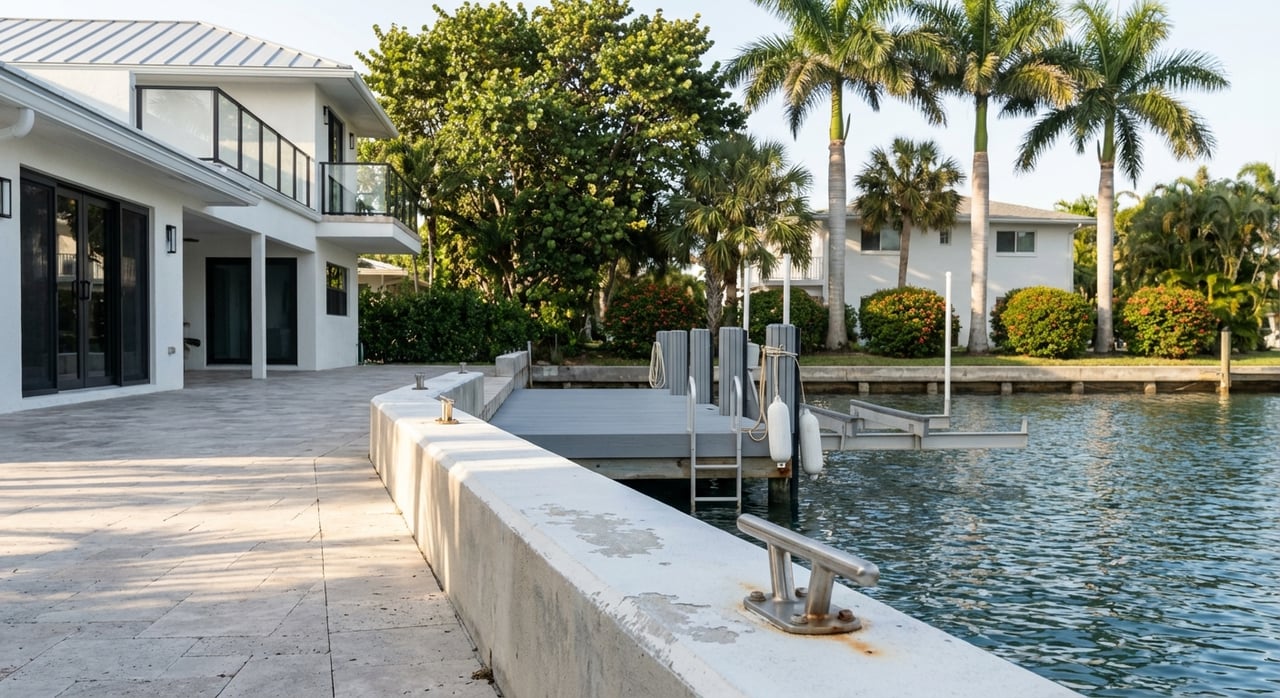
- Dock usability
- Lift presence
- Seawall condition
- Shoreline presentation
If your home has features that make ownership easier, that value should be clear in the pricing strategy and marketing story. If it has deferred maintenance or unclear records, that should be addressed before launch whenever possible.
Prepare the shoreline before you list
Waterfront prep goes beyond fresh paint and cleaned windows. In Cape Coral, the shoreline itself is part of the listing presentation.
The city’s Waterfront Living guide notes that seawalls are not required for properties on freshwater canals and discusses alternatives such as rip-rap, mangroves, and littoral plantings. That means buyers may see a range of shoreline conditions, and they will notice whether yours looks intentional and maintained.
Clean up what buyers see first
Before photos or showings, focus on the areas that frame the water. Buyers tend to make fast judgments based on the first few visual cues.
A smart pre-listing checklist includes:
- Remove shoreline clutter
- Trim overgrowth where allowed
- Clear algae or debris when possible
- Tidy dock surfaces and nearby hardscaping
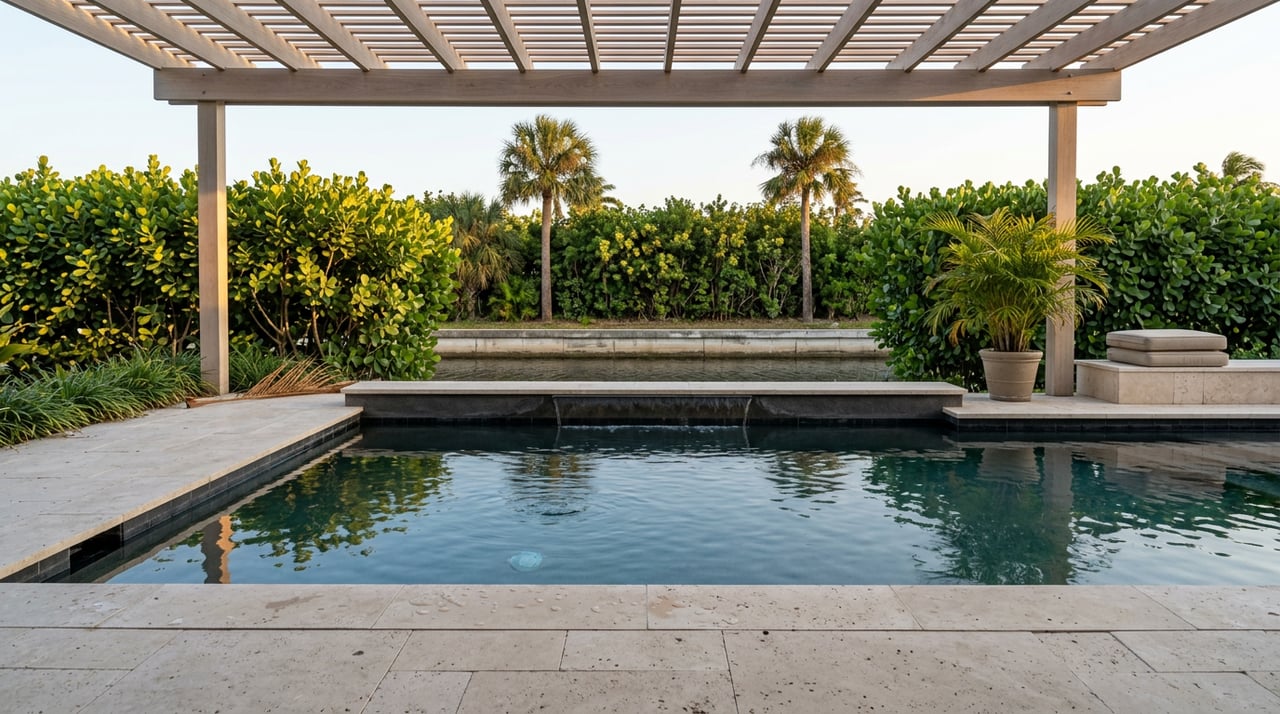
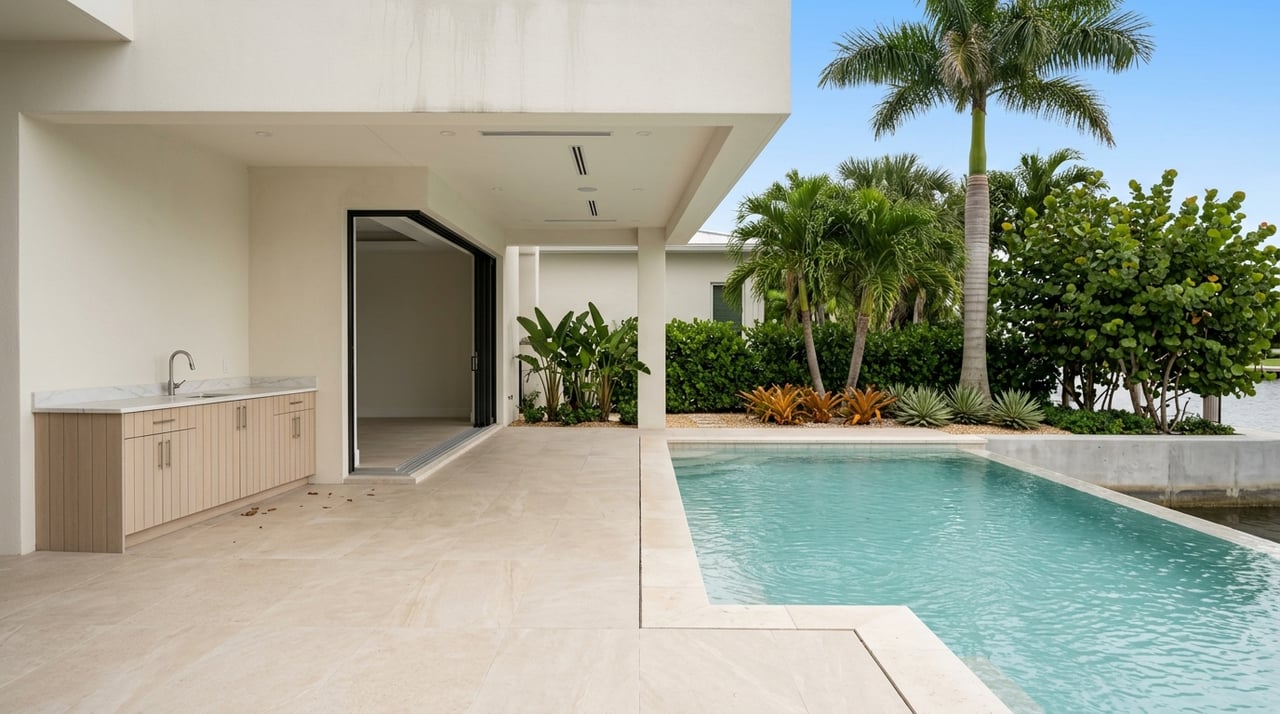
- Refresh patio and pool areas
- Keep grass clippings and trimmings out of the water
- Maintain a clean edge between lawn and shoreline
The city also recommends using a no-spray buffer near the shoreline and choosing low-maintenance plantings. For sellers, that can help the yard look more polished and easier to manage.
Know the mangrove rules
Cape Coral states that mangroves can be maintained up to 6 feet without a permit, while taller mangroves and removals require permits. If your property has mangroves, this is worth checking before you schedule cleanup.
The goal is simple: present the shoreline as an asset, not a question mark. Buyers respond well when waterfront features look purposeful and compliant.
Get dock and seawall records ready
One of the fastest ways to build buyer confidence is to have your waterfront paperwork organized before the listing goes live. These details often come up early, especially when buyers are comparing multiple waterfront options.
Cape Coral’s seawall guidance notes that a concrete dock can be included in a seawall permit. The city also states that a final signed and sealed survey is required before final inspection for certain wood dock work, and that some waterfront improvements may require additional state and federal approvals before construction.
Build a seller packet that answers questions
A strong listing packet for a Cape Coral waterfront home should include as much of the following as you have available:
- Permit history for dock or seawall work
- Current survey
- Records showing dock, lift, or shoreline additions were permitted
- Notes on repairs or upgrades
- Any available engineering or inspection documentation
This does two things. First, it helps your agent market the home with more confidence. Second, it reduces buyer hesitation when questions come in during showings, inspections, or contract negotiations.
Address flood and insurance questions early
In waterfront sales, flood-zone questions often show up sooner than expected. Buyers want to know what the flood zone is, whether flood insurance may be required, and whether the home has supporting documentation.
Cape Coral participates in the National Flood Insurance Program and the Community Rating System. The city says owners in A, AE, and V zones receive a 25% flood insurance discount, while owners in X zones receive a 10% discount.
Know what buyers will ask
Cape Coral’s flood-zone resources state that A, AE, and VE zones are high-risk or coastal high-hazard zones, and federally backed mortgages require flood insurance for structures in A, AE, or VE zones. Lee County also notes that elevation certificates are an important tool, and structures in Special Flood Hazard Areas or Coastal High Hazard Areas must have a FEMA Elevation Certificate to show compliance with required base flood elevation.
That means sellers should be ready to answer:
- What is the property’s flood zone?
- Is flood insurance required?
- Is there an elevation certificate?
- Does the home have seawall or dock permit records?
- Is the canal freshwater, tidal, or direct-access?
When you can answer those questions quickly, buyers tend to feel more comfortable moving forward. Clear information lowers friction and helps keep momentum strong.
Use visuals that sell the waterfront lifestyle
A waterfront listing should show the water immediately. Buyers searching for waterfront property are often making decisions in seconds, and the visuals need to explain both the setting and the usability of the home.
Zillow’s 2025 search review found growing interest in terms like lake, dock, river, waterfront, and beach. For Cape Coral sellers, that supports a marketing approach that goes beyond basic still photos.
Show the home in motion
The strongest waterfront marketing usually combines beauty with clarity. You want buyers to feel the lifestyle while also understanding how the property works.
For many Cape Coral listings, that means highlighting:
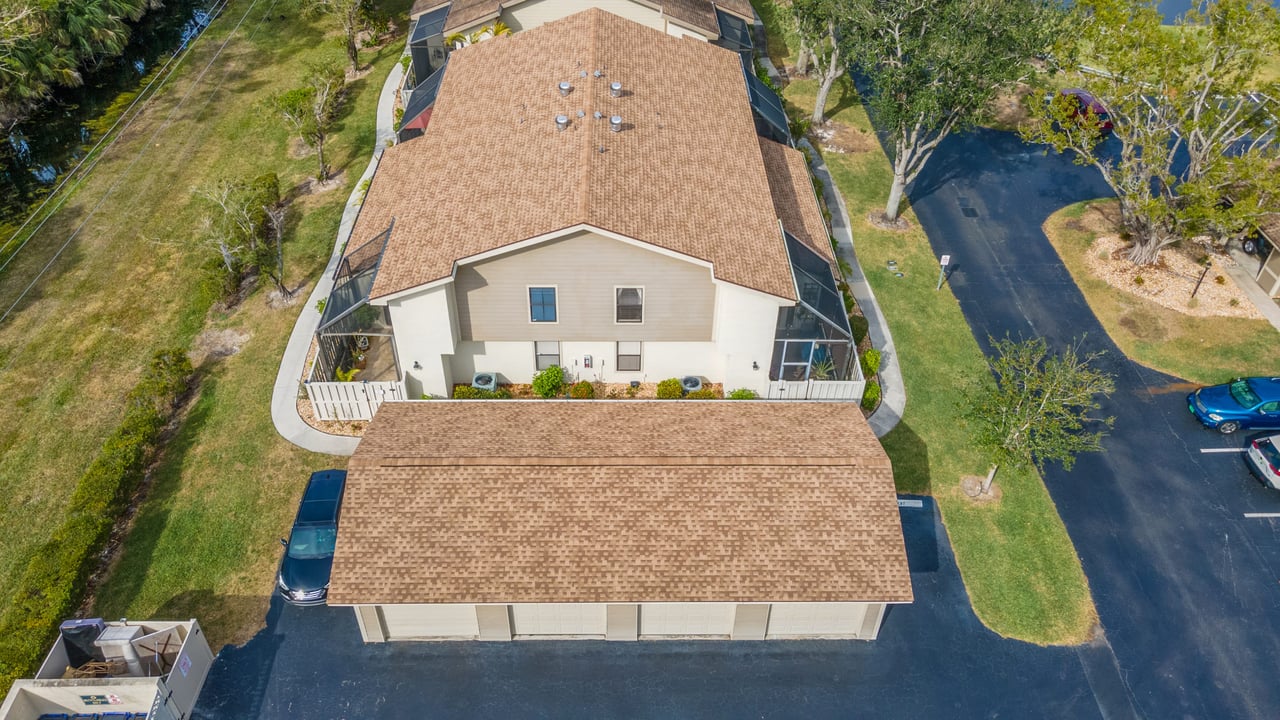
- Aerial views that show canal width and water position
- Dock and lift close-ups
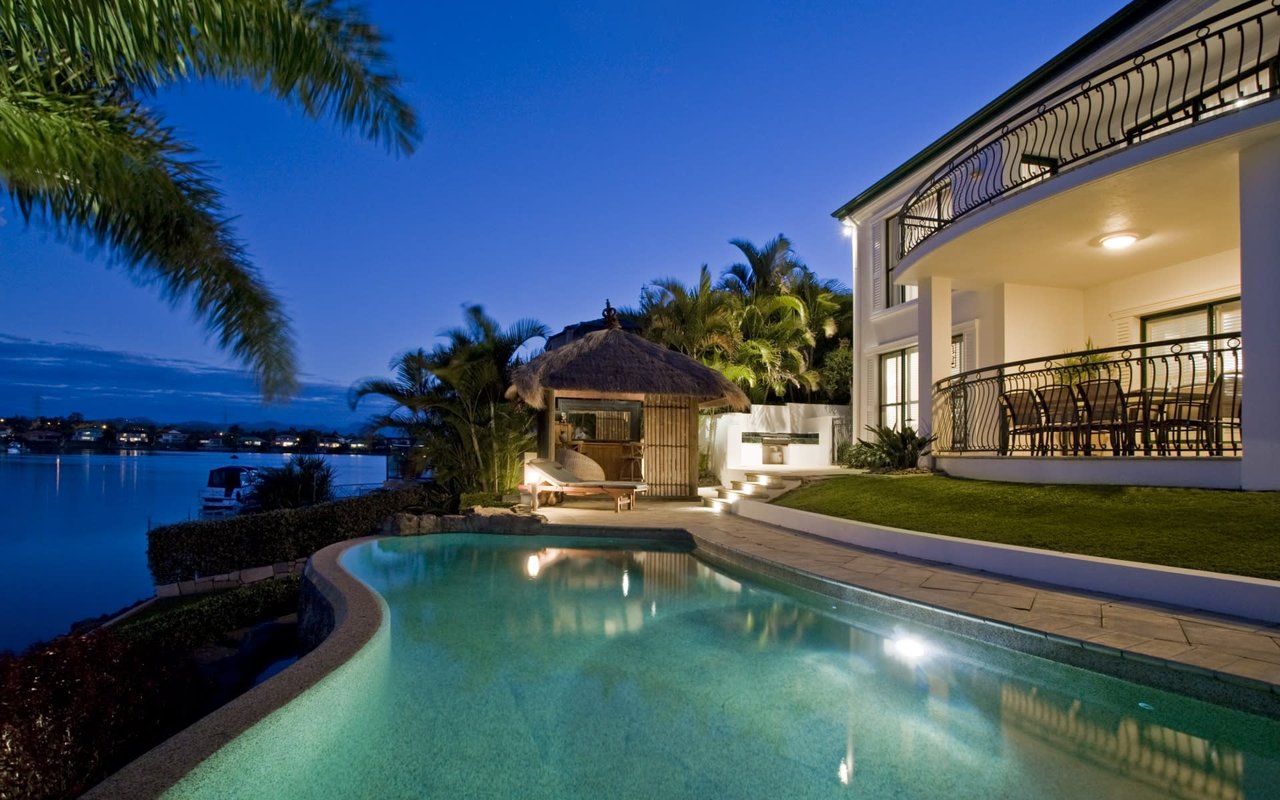
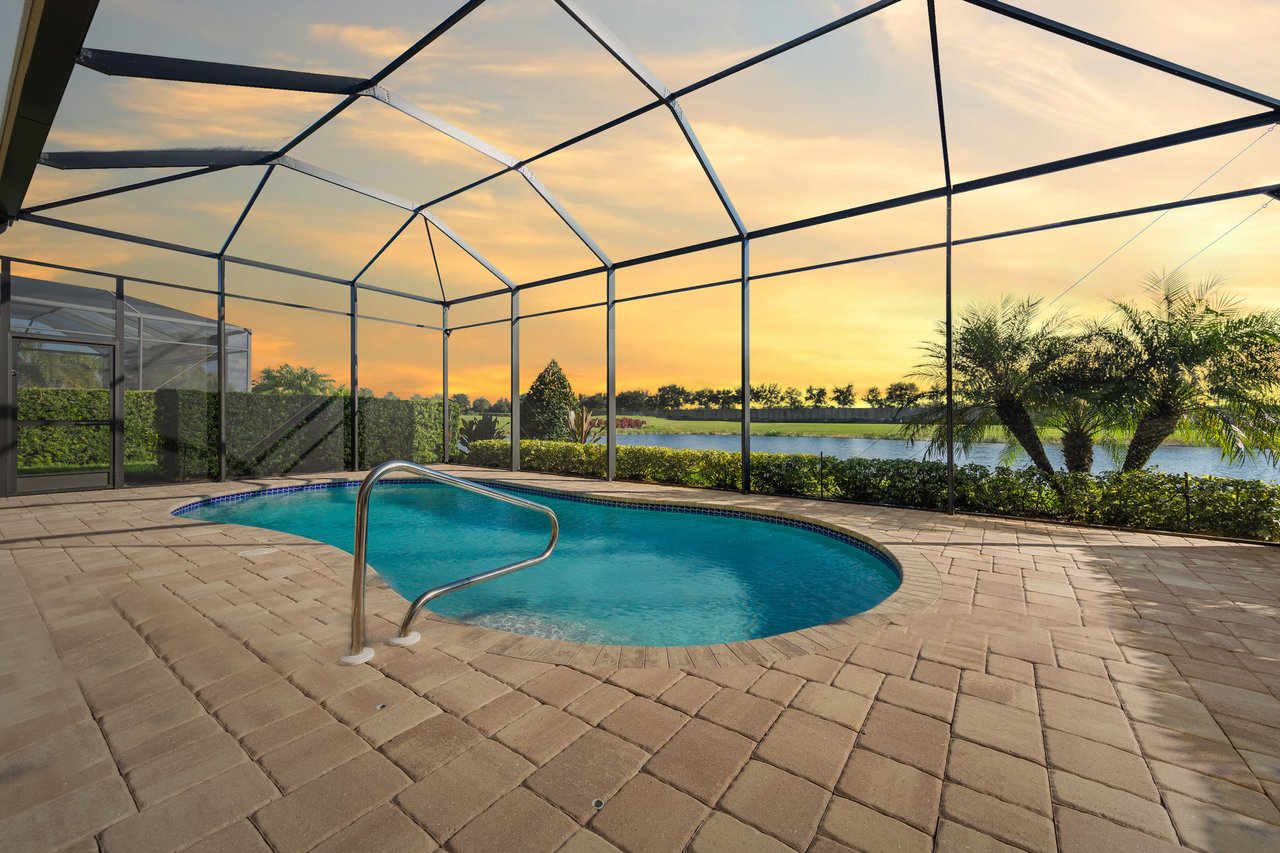
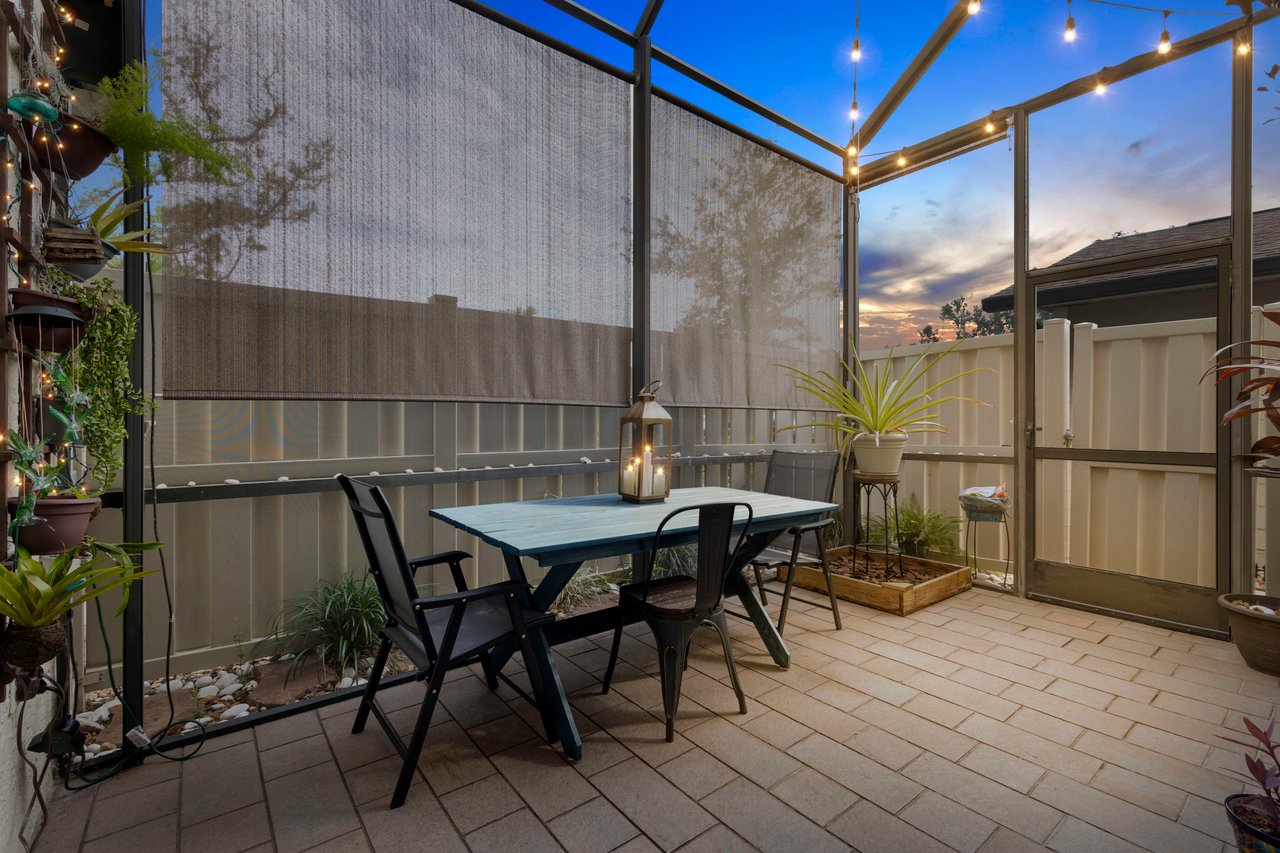
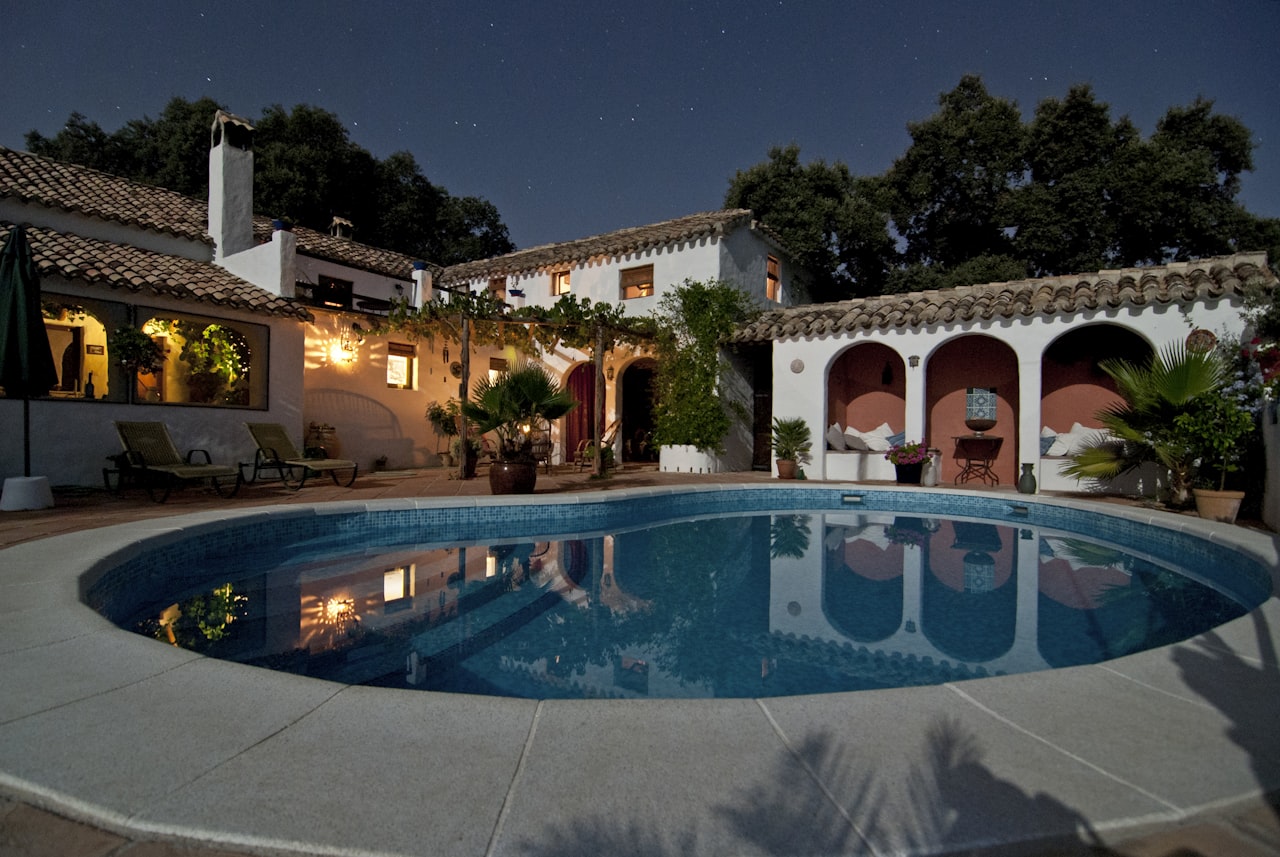
- Patio, pool, and water framing
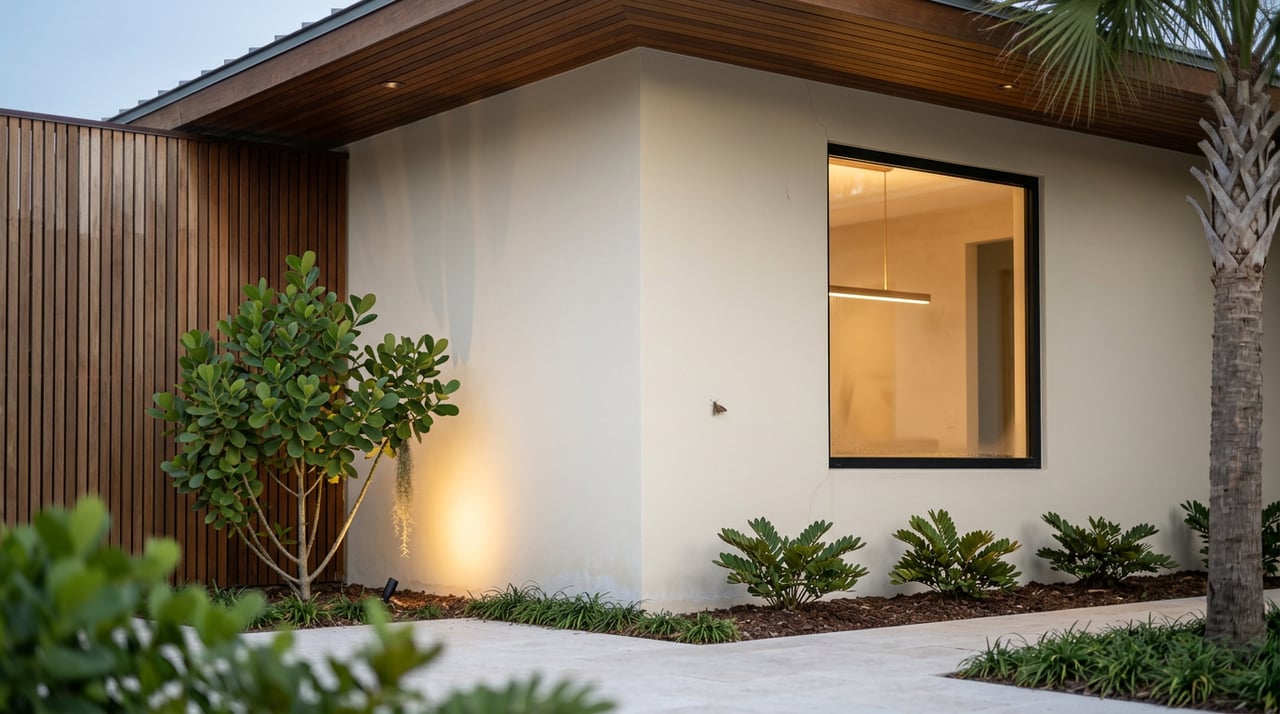
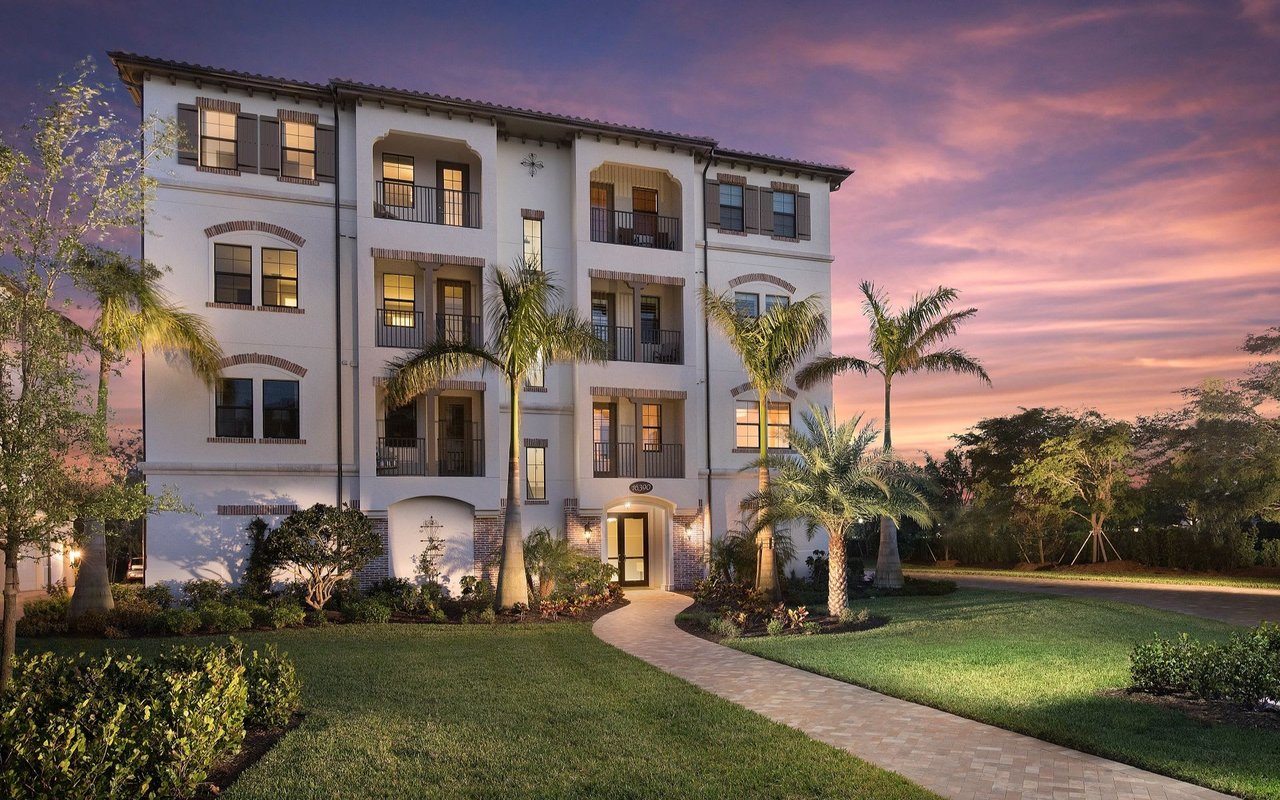
- Twilight exterior shots
- Short video walkthroughs
- Plain-language explanation of water access
This is where premium presentation can create real separation from competing listings. In a market with many homes for sale, polished visuals help your property earn attention and stronger showing activity.
Tell a story buyers can trust
The best waterfront listings do not rely on hype. They combine lifestyle appeal with practical certainty.
That story may include how the outdoor space functions, what type of canal the home sits on, how the shoreline has been maintained, and what records are ready for buyer review. When those details are presented clearly, the home feels easier to buy.
Focus on lifestyle plus certainty
A strong Cape Coral waterfront sales strategy usually centers on four ideas:
- Boating or water-access potential
- Usable outdoor living space
- Clean, intentional shoreline presentation
- Documentation that reduces buyer anxiety
That balance matters. Buyers may fall in love with the view, but they often decide with their comfort level around ownership, maintenance, and due diligence.
Why white-glove selling matters here
Selling a waterfront home often involves more moving parts than a standard residential sale. From dock records to flood documents to visual marketing, small details can shape buyer confidence and final results.
That is why many sellers benefit from a more hands-on, concierge approach. With the right planning, you can present the property at a higher level, answer questions before they become objections, and make the transaction feel more seamless from start to finish.
If you are thinking about selling a waterfront home in Cape Coral, the right strategy starts with preparation, presentation, and pricing discipline. For a private consultation, connect with Haven Group FL.
FAQs
How should you price a waterfront home in Cape Coral?
- You should look beyond square footage and compare homes with similar canal type, access, dock usability, lot position, and shoreline or seawall condition, especially in a buyer’s market.
What do buyers care about most in a Cape Coral waterfront home?
- Buyers often care about both the view and the usability of the water, including boating access, dock setup, shoreline condition, and how much maintenance the property may require.
What should you do before listing a waterfront home in Cape Coral?
- You should clean up the dock and shoreline, address visible overgrowth or clutter, organize permit and survey records, and prepare answers about canal type, flood zone, and waterfront improvements.
What flood documents matter when selling a Cape Coral waterfront home?
- Buyers may ask for the flood zone, whether flood insurance is required, and whether an elevation certificate is available, especially for homes in higher-risk flood areas.
What permits should you gather for a Cape Coral waterfront property sale?
- If available, gather permit history for the seawall, dock, lift, and other shoreline additions, along with a current survey and any related repair or inspection records.