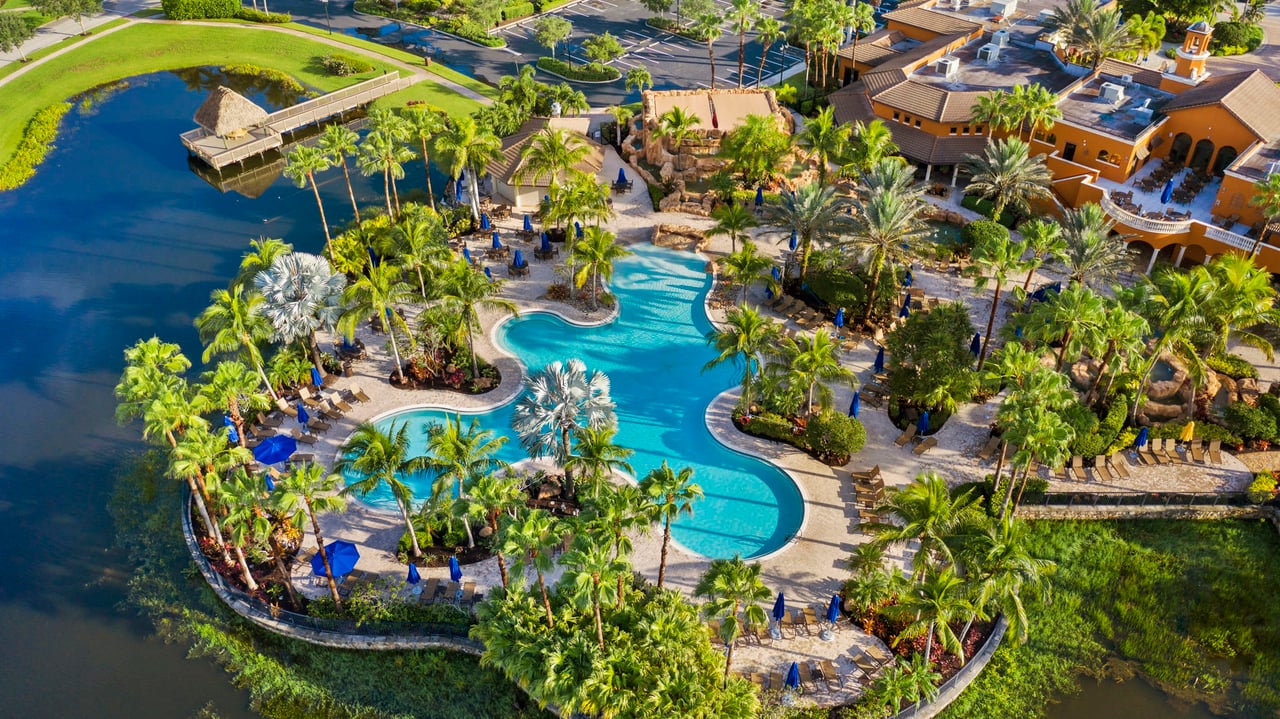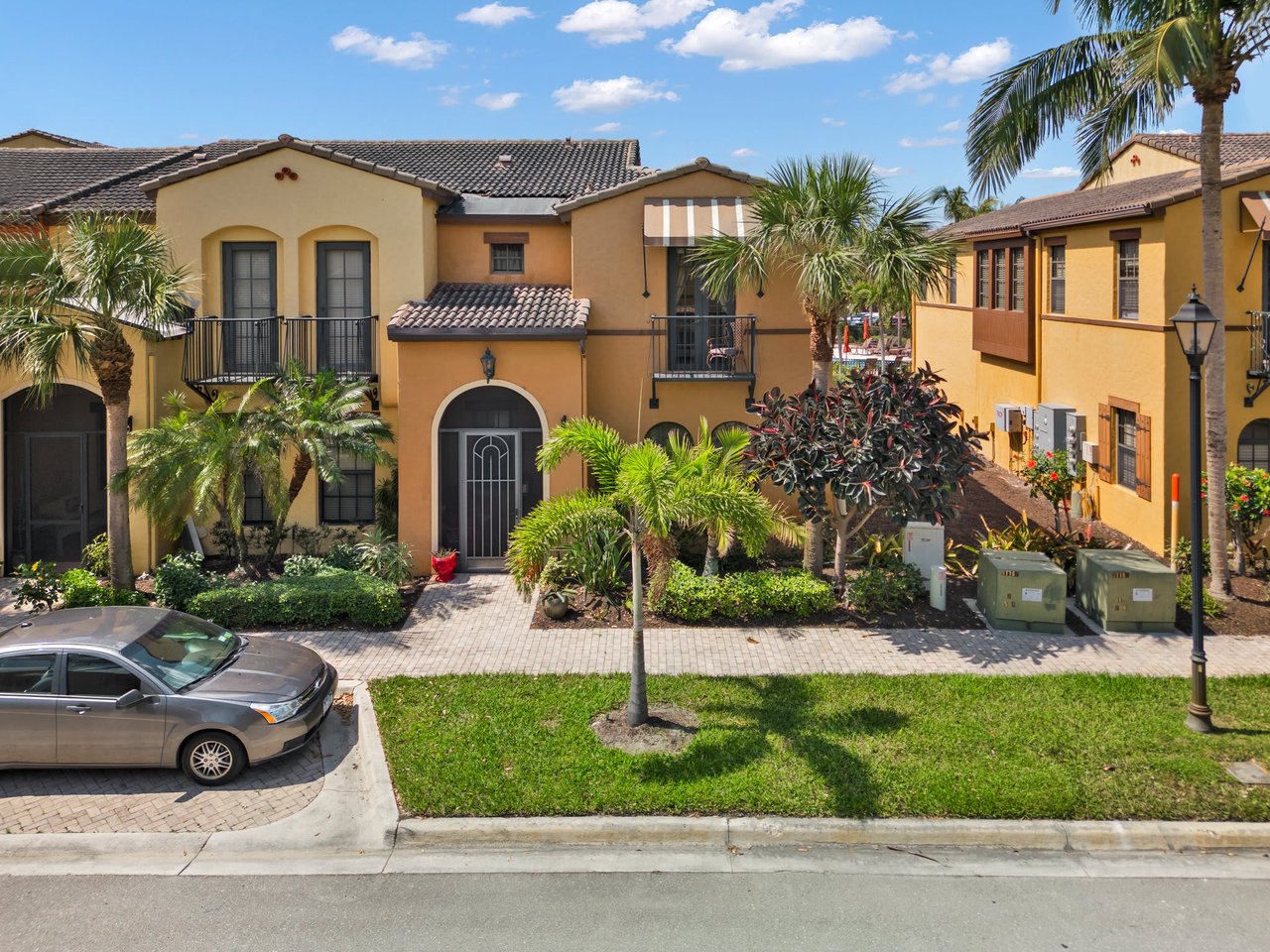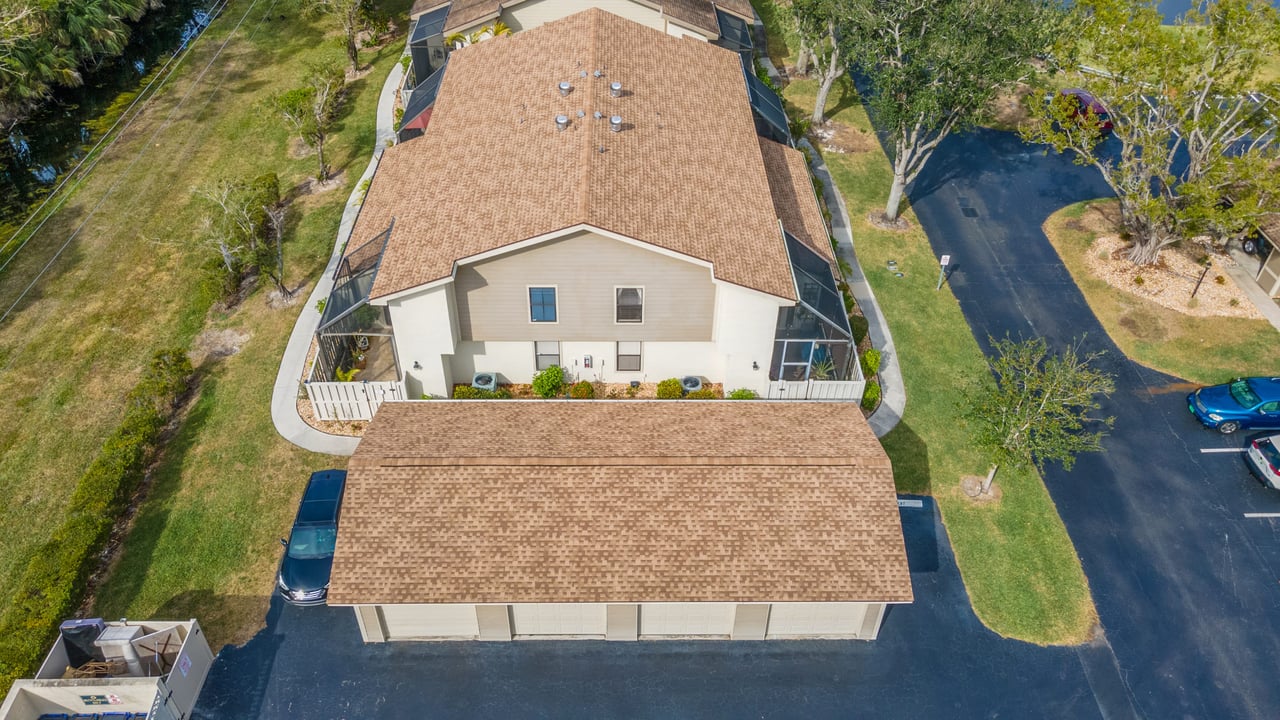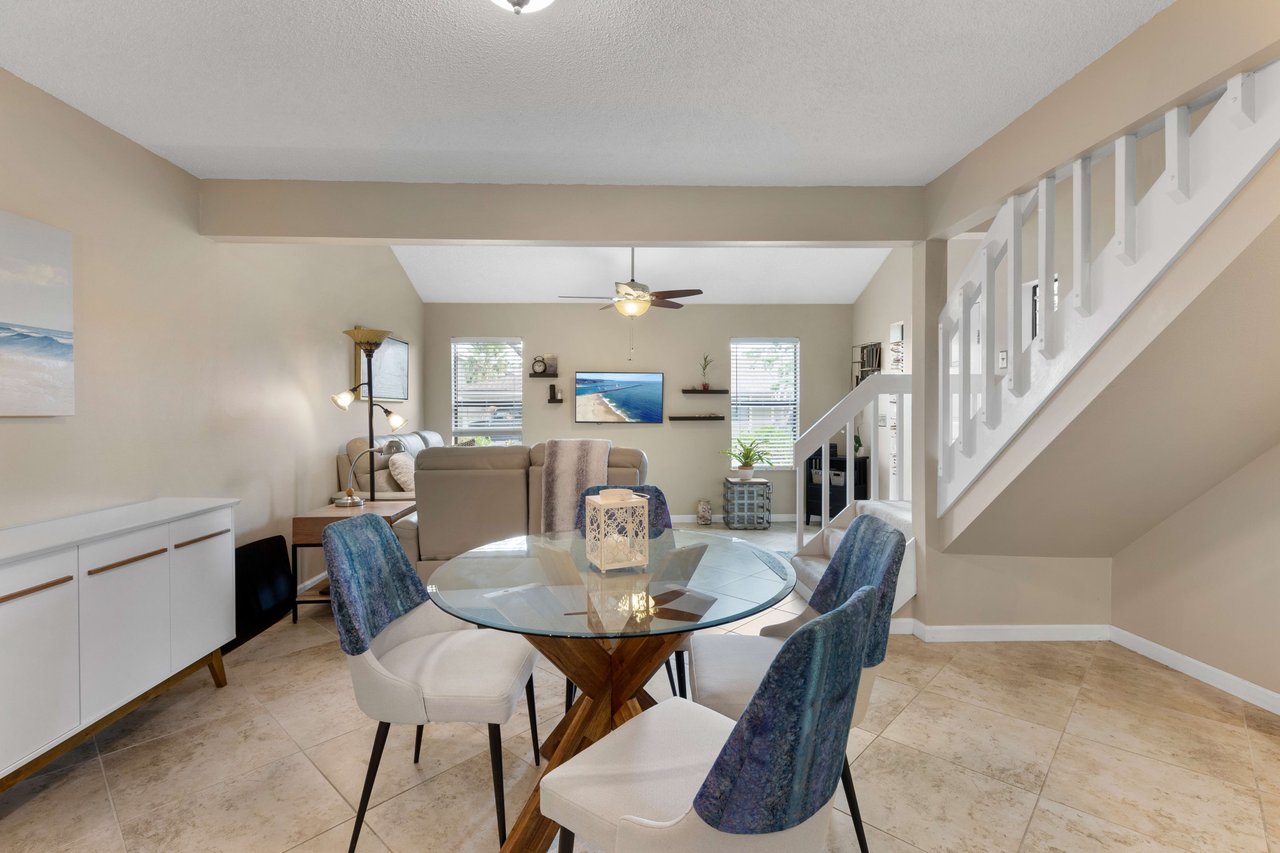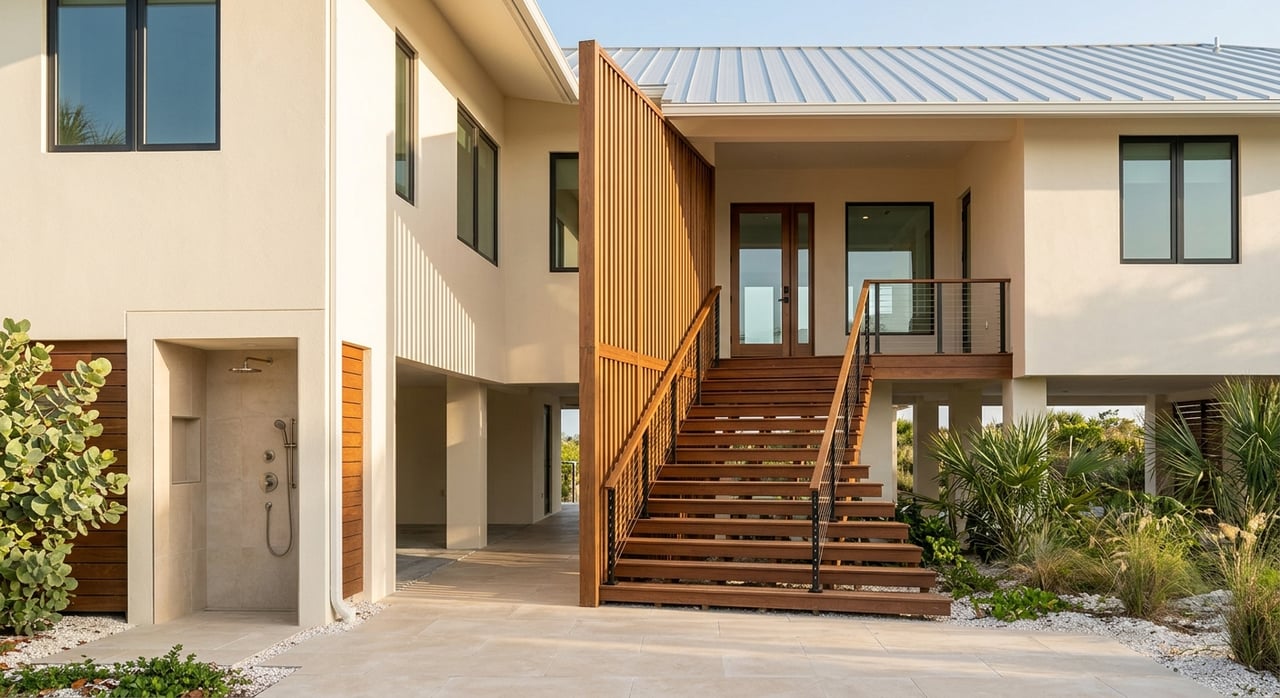
Dreaming about island life in Southwest Florida usually starts with one big question: which island actually fits the way you want to live? If you are considering Fort Myers Beach and the nearby islands, you are not just choosing a home. You are choosing your pace, your daily routines, and the kind of coastal experience you want most. This guide will help you compare Fort Myers Beach, Sanibel, and Captiva so you can understand what daily life really feels like and move forward with more confidence. Let’s dive in.
Fort Myers Beach: Lively and Walkable
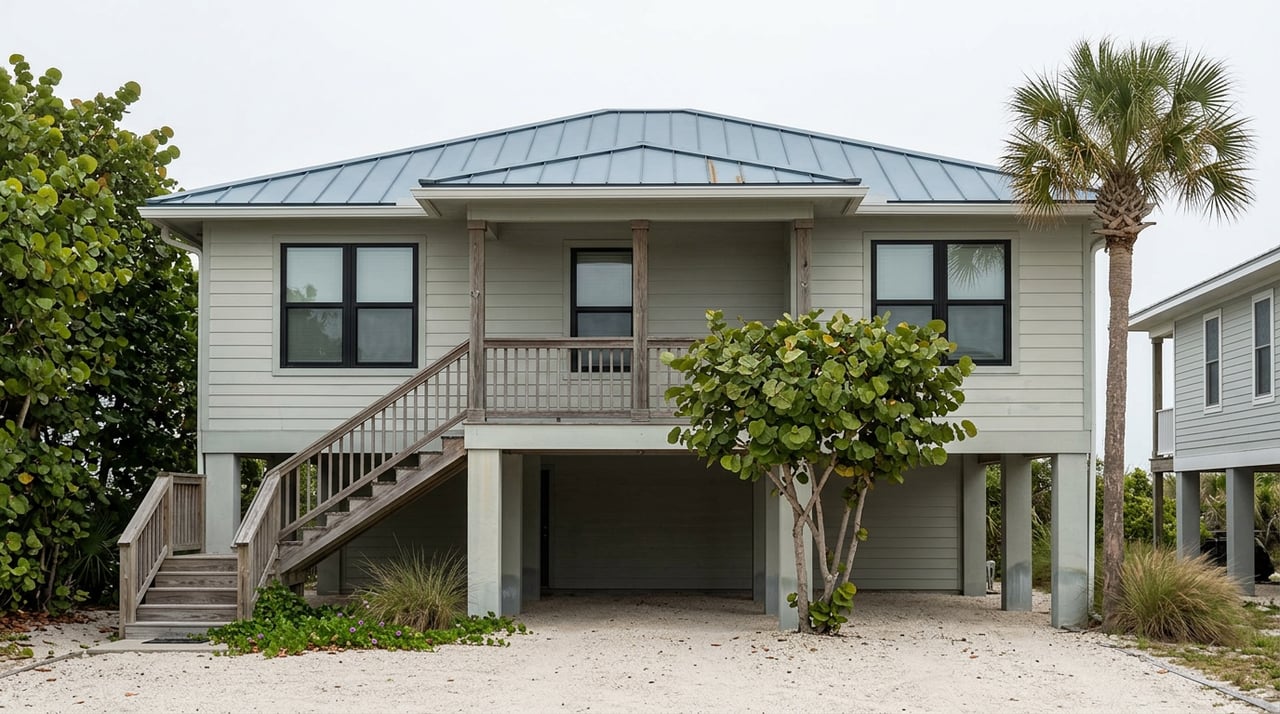
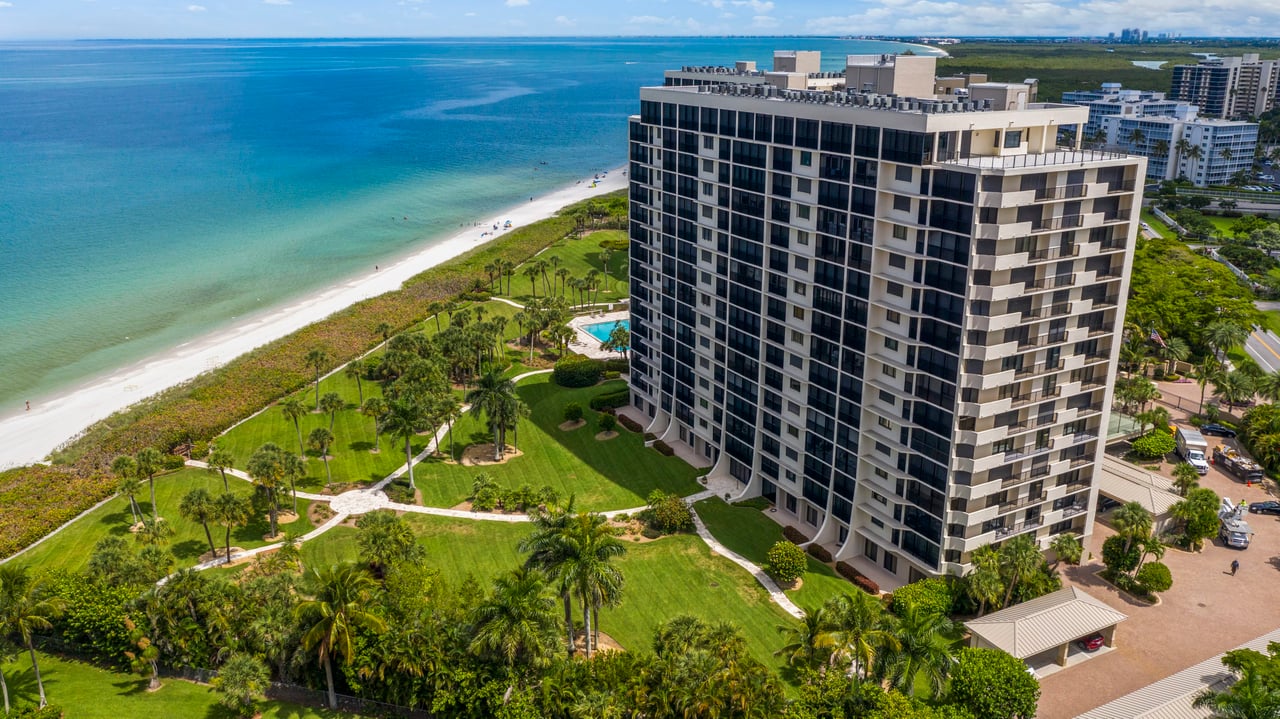
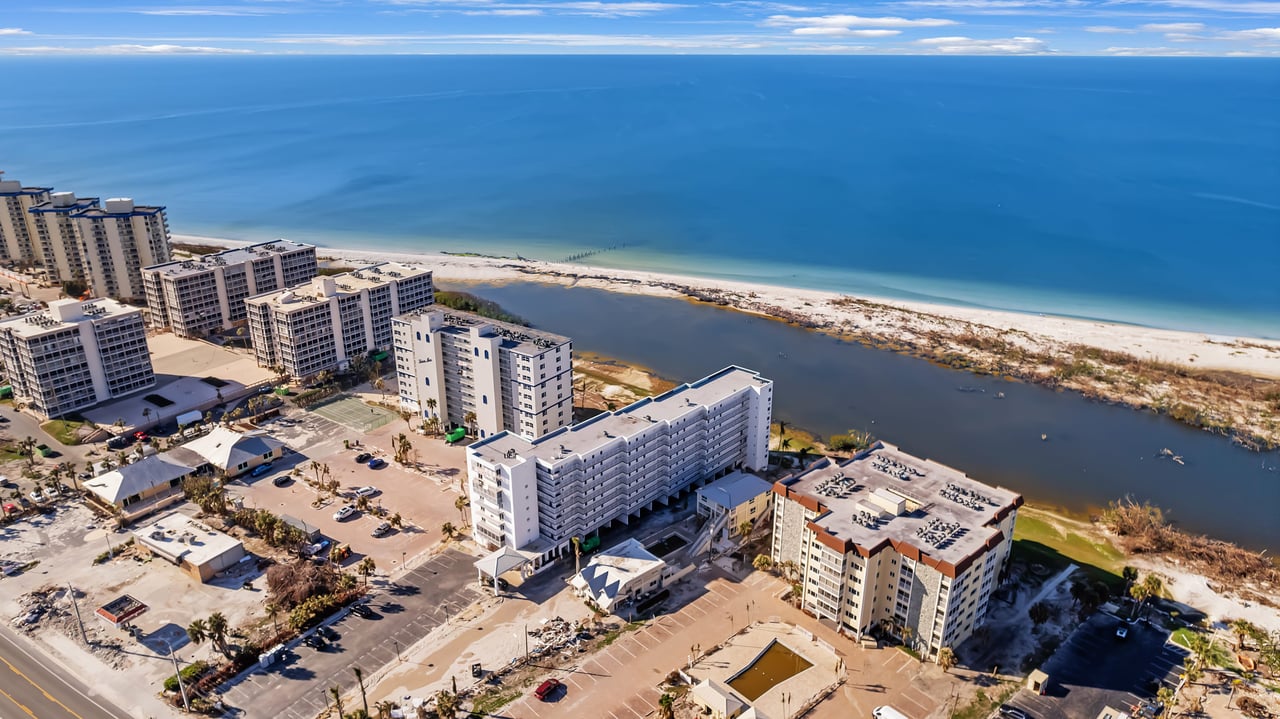
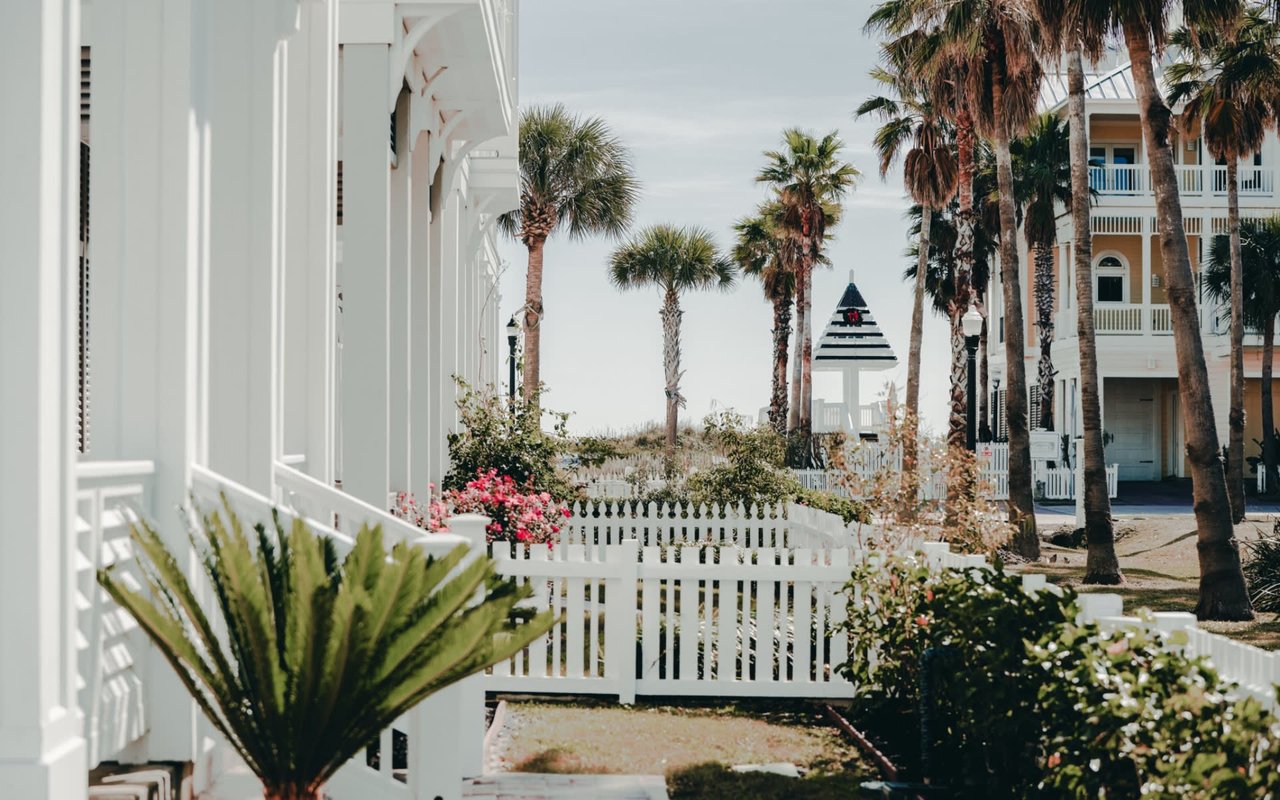
Fort Myers Beach sits on Estero Island and offers the most energetic feel of the three island areas. The Town of Fort Myers Beach describes it as a favorite destination for locals, snowbirds, and vacationers, with seven miles of white sandy Gulf beach and 29 public beach accesses. Estero Boulevard is the island’s only main thoroughfare, which gives the area a compact and distinctly beach-town layout.
If you like having activity around you, Fort Myers Beach stands out. The north end, especially around Times Square, brings together beachfront retail, restaurants, live music, bike racks, and Lynn Hall Memorial Park. Compared with the nearby islands, this is the place that feels most social and most active on a daily basis.
That said, island life here still comes with practical considerations. The area continues to show signs of post-storm rebuilding, and some beach access details can change. The town notes that beach accesses are open, except for Access #17, and some parking areas may be affected by construction timelines.
What daily life feels like
Living on Fort Myers Beach often means being closer to the action. You can expect a stronger mix of visitors, more visible restaurant and entertainment activity, and a setting that feels busier than a typical quiet island community. For many buyers, that is exactly the appeal.
It is also the most car-dependent of the three in practical terms, though still more compact than many mainland neighborhoods. Town-managed beach access parking is paid parking, with rates set at $5 per hour from 9:00 a.m. to 9:00 p.m. That creates a more managed, high-demand coastal rhythm than you may be used to on the mainland.
Getting around on Fort Myers Beach
Fort Myers Beach relies on LeeTran trolley service for island transportation. Some routes are seasonal, which means your day-to-day mobility may shift depending on the time of year. If you are planning to live here full-time or part-time, it helps to think about how often you want to drive versus walk, bike, or use trolley service.
Sanibel: Slower and Nature-First
Sanibel offers a very different version of island living. The city’s messaging centers on slowing down, and its public spaces are built around biking, hiking, and wildlife-centered use. If Fort Myers Beach feels lively and social, Sanibel feels calmer, more preservation-focused, and more intentionally paced.
One of Sanibel’s defining features is its shared-use path system. The city says the network spans more than 26 miles from Lighthouse Beach Park to Blind Pass Bridge and was built so people can get around without an automobile. That creates a daily lifestyle that feels more connected to the outdoors and less dependent on traffic.
Sanibel also has a strong environmental identity. The city notes that its beaches and nearshore waters out to one-half mile offshore are protected under Florida shelling rules, that live shellfish may not be harvested or possessed, and that shelling is prohibited in the J.N. “Ding” Darling National Wildlife Refuge. These are not just visitor tips. They shape what it means to live there.
What daily life feels like
Sanibel is ideal if you value a quieter routine and want nature to play a larger role in daily life. You may spend more time biking to the beach, walking paths, or planning your evening around sunset instead of nightlife. The atmosphere is still social, but it tends to revolve around smaller venues, local gathering spots, art galleries, boutiques, and outdoor activities.
The island is also still in recovery, though the city says all beach parks are open. Residents and visitors are advised to watch for buried debris and use caution in the water and along the shoreline. For buyers, this is a reminder that island living here comes with both beauty and ongoing stewardship.
Rules that shape the lifestyle
Sanibel’s environmental rules are a real part of daily life. Sea turtle nesting season runs from May 1 through October 31, and local ordinances prohibit interior and exterior lights from shining onto the beach. The city also emphasizes turtle-friendly lighting and dark-sky standards.
For some buyers, these rules are a major plus because they help preserve the character of the island. If you are drawn to a more natural, low-light, conservation-minded setting, Sanibel offers something very distinct in Southwest Florida.
Captiva: Quiet and Resort-Like
Captiva feels the most secluded and escape-oriented of the three island options. The Sanibel-Captiva Chamber describes the islands as low-key and quiet, and the mix of lodging and dining on Captiva leans toward resorts, hotels, small inns, cottages, condo rentals, and waterfront restaurants. The overall tone is less town-center driven and more about getting away from it all.
If you picture island living as peaceful mornings, sunset dinners near the water, and a setting that feels intimate rather than bustling, Captiva is likely the closest match. It has a scenic, tucked-away atmosphere that differs from both the social energy of Fort Myers Beach and the structured nature focus of Sanibel.
What daily life feels like
Captiva’s social life tends to center on smaller hospitality spaces and waterfront dining rather than a dense retail or entertainment district. You are more likely to find a relaxed, resort-style rhythm than a busy beach-town schedule. For second-home shoppers and seasonal residents, that can be especially appealing.
Because the island experience here is more secluded, day-to-day planning can feel a bit more intentional. That is often part of the attraction. You are not choosing Captiva for speed or convenience as much as for atmosphere and escape.
Comparing the island lifestyle
Choosing between these island areas is often less about the beach itself and more about how you want your days to feel. Each location offers coastal living, but the lifestyle differences are meaningful.
| Island area | Overall vibe | Mobility | Social rhythm | Best fit for |
|---|---|---|---|---|
| Fort Myers Beach | Lively and commercial | More car-dependent, trolley available | Restaurants, live music, visible activity | Buyers who want energy and easy access to dining and entertainment |
| Sanibel | Slower and preservation-focused | Strong bike and path network | Smaller venues, outdoor recreation, nature-centered living | Buyers who want bikeability, wildlife, and a quieter pace |
| Captiva | Secluded and resort-like | More escape-oriented than practical | Waterfront dining, relaxed resort atmosphere | Buyers who want privacy, scenery, and a tucked-away feel |
What the housing profile suggests
The data also helps explain who is drawn to these islands. Census QuickFacts shows that 55.1% of Fort Myers Beach residents and 54.9% of Sanibel residents are age 65 or older. Owner-occupied housing rates are also high, at 88.7% in Fort Myers Beach and 89.9% in Sanibel.
That profile is consistent with communities that attract retirees, seasonal residents, and second-home owners. It also suggests a more ownership-heavy housing base than you will find in many other markets. If you are looking for a smaller-scale coastal community, that may be part of the appeal.
Housing values also point to different pricing tiers. Census QuickFacts lists the median value of owner-occupied housing units at $642,400 in Fort Myers Beach and $957,300 in Sanibel using 2020-2024 ACS estimates. These are not listing prices, but they do give you a broad sense that Sanibel generally sits at a higher price point.
Seasonality matters on the islands
No matter which island area you prefer, seasonality is part of the lifestyle. The National Weather Service says Southwest Florida’s rainy season runs from May 15 through October 15, and Atlantic hurricane season runs from June 1 through November 30. Visit Fort Myers also notes that sargassum is more common in late spring and summer.
In practical terms, winter and early spring are typically the driest and most visitor-friendly months. Late spring through fall usually brings more humidity, afternoon storms, and stronger storm-preparedness concerns. If you are planning a move, a second home purchase, or a sale, it helps to think beyond the postcard version of island life and consider the full yearly rhythm.
How to choose the right island fit
If you are narrowing your search, start by thinking about the routine you want instead of the address you want. Do you want restaurants and activity close by? Do you want to bike more and drive less? Or do you want a quieter setting that feels removed from the everyday pace of the mainland?
A simple way to frame it is this:
- Choose Fort Myers Beach if you want a livelier beach-town atmosphere with easy access to dining, entertainment, and visible activity.
- Choose Sanibel if you want a slower, bike-friendly, nature-centered lifestyle shaped by conservation and outdoor living.
- Choose Captiva if you want the most secluded, resort-like version of island living with a stronger sense of escape.
The right match often comes down to lifestyle alignment, not just property features. When you understand how each island lives day to day, your home search becomes much more focused.
If you are exploring Fort Myers Beach or the nearby islands, the right guidance can save you time and help you compare options with more clarity. For a private consultation, connect with Haven Group FL.
FAQs
What is daily life like on Fort Myers Beach?
- Fort Myers Beach generally feels lively and social, with restaurants, live music, public beach access points, and a more active beach-town atmosphere than nearby islands.
How is Sanibel different from Fort Myers Beach?
- Sanibel is known for a slower pace, a 26-mile shared-use path system, and a stronger focus on wildlife, shelling protections, and environmental rules that shape everyday living.
What makes Captiva unique for island living?
- Captiva offers a quieter, more secluded, resort-oriented setting with waterfront dining, cottages, inns, and a strong escape-and-unplug feel.
Is Fort Myers Beach walkable or car-dependent?
- Fort Myers Beach is more car-dependent than Sanibel, but it is still compact and has LeeTran trolley service that supports island transportation on certain routes.
What should buyers know about seasonality on Fort Myers Beach and nearby islands?
- The area typically sees drier conditions in winter and early spring, while late spring through fall brings more humidity, afternoon storms, and hurricane-season preparedness concerns.
Are Fort Myers Beach and Sanibel mostly full-time communities?
- Census data suggests both communities have high owner-occupancy rates and older populations, which is consistent with markets that include many retirees, seasonal residents, and second-home owners.