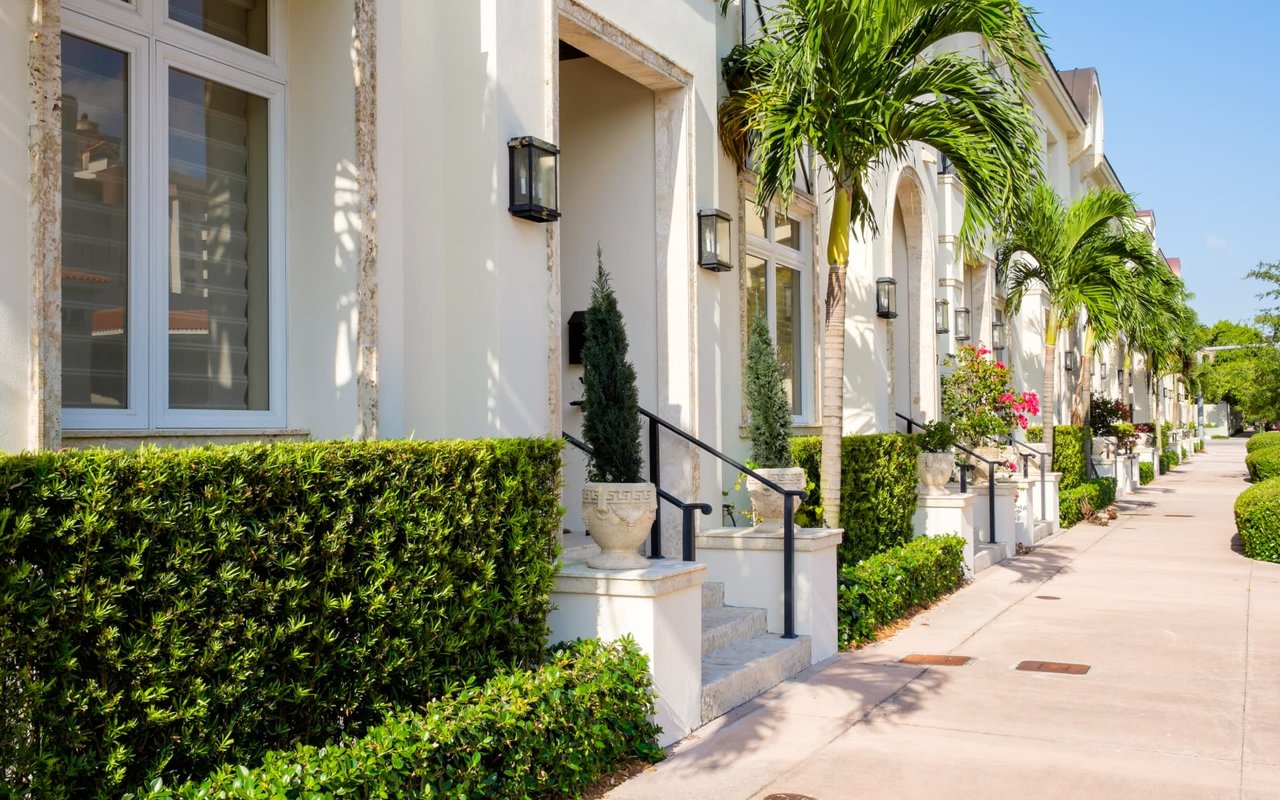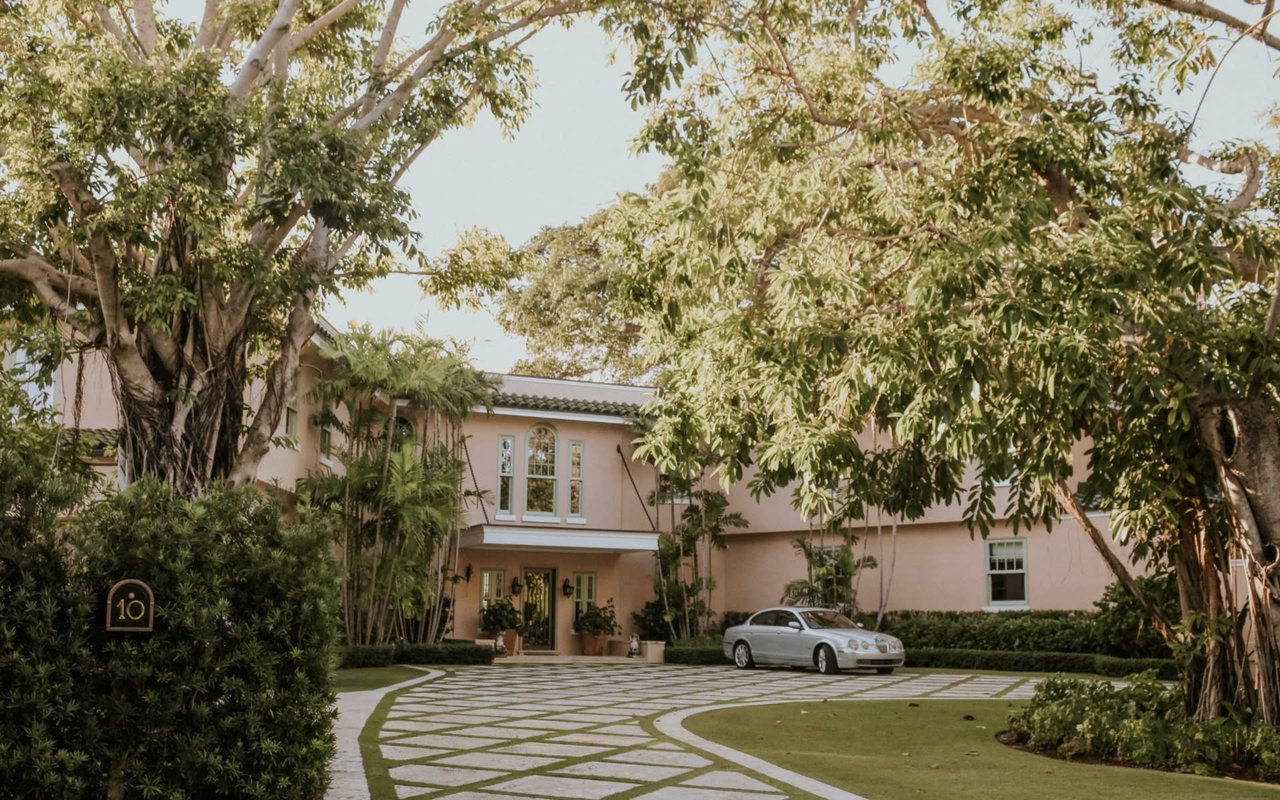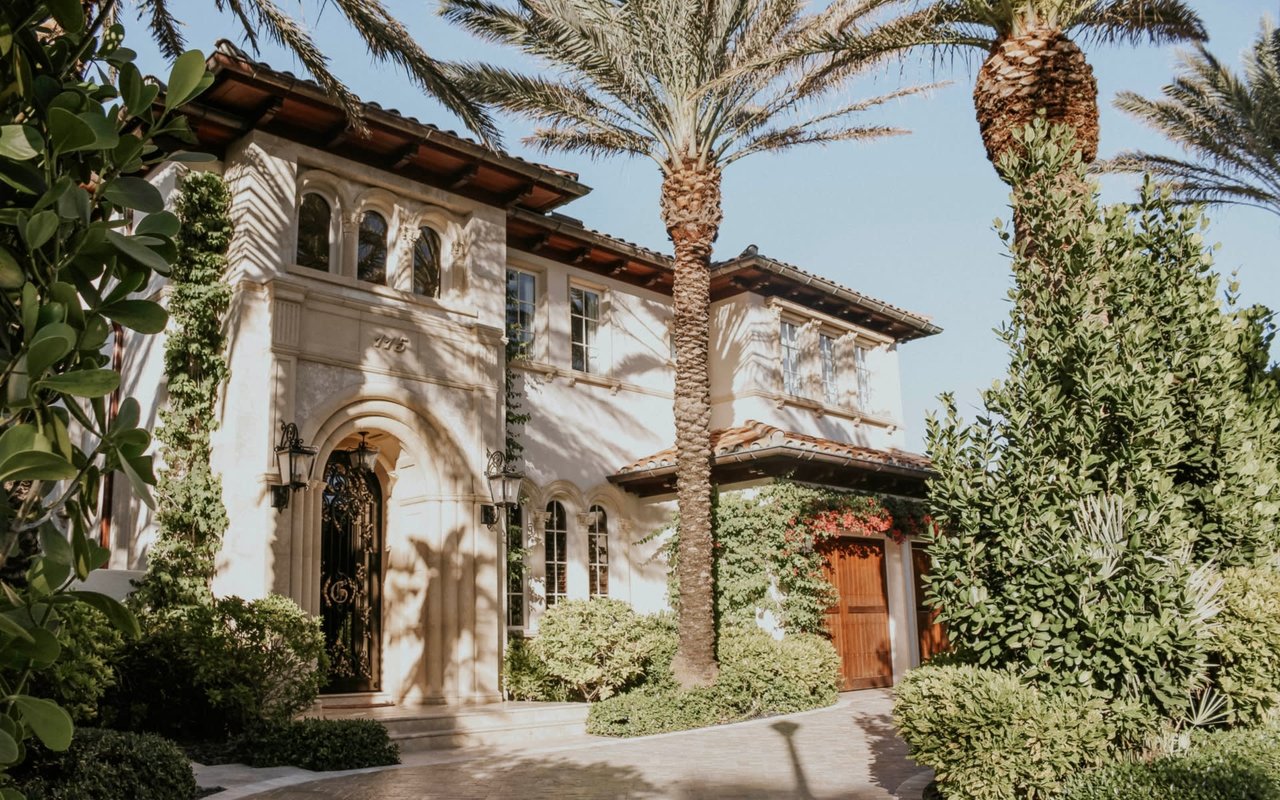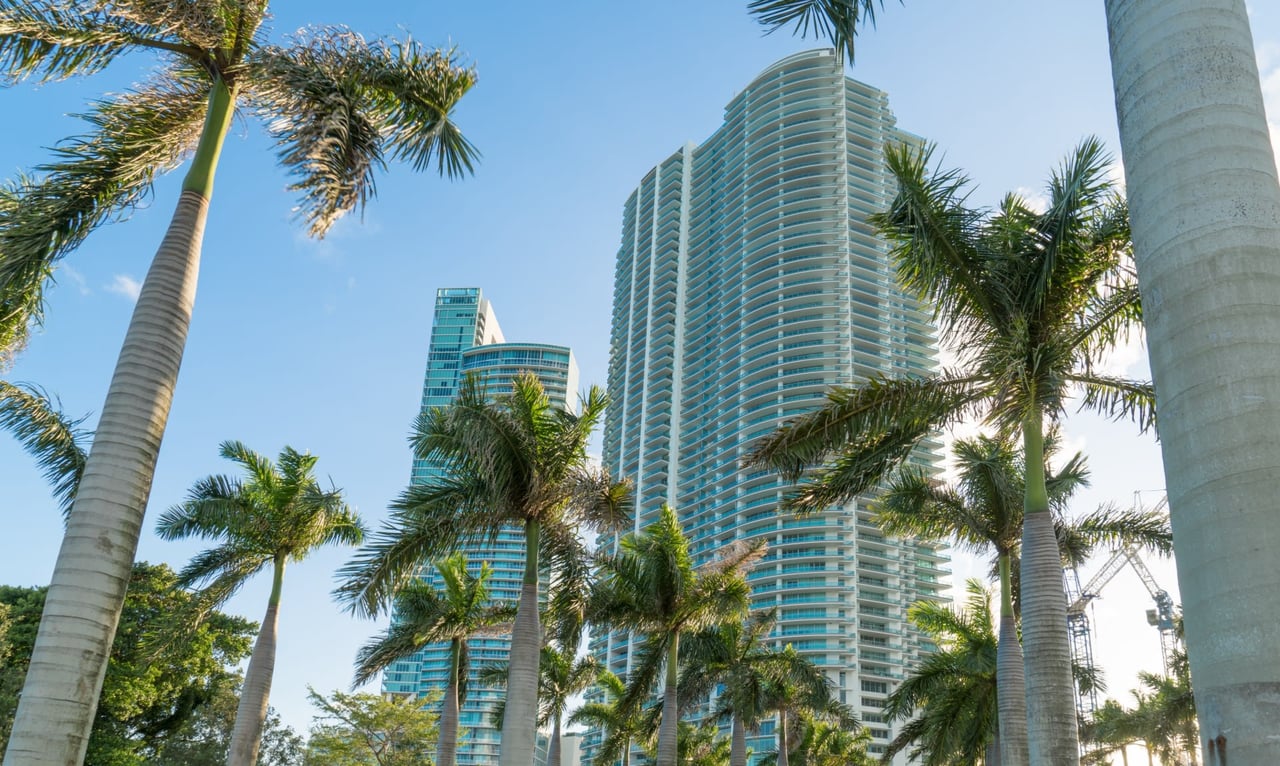
Trying to choose between the energy of downtown and the extra space of the suburbs in Fort Myers? You are not alone. If you are relocating, moving up, or simply rethinking your lifestyle, this choice can shape how your days feel just as much as where you live. This guide breaks down how downtown Fort Myers and suburban Fort Myers compare so you can decide which setting fits your routine, priorities, and budget. Let’s dive in.
Fort Myers offers both lifestyles
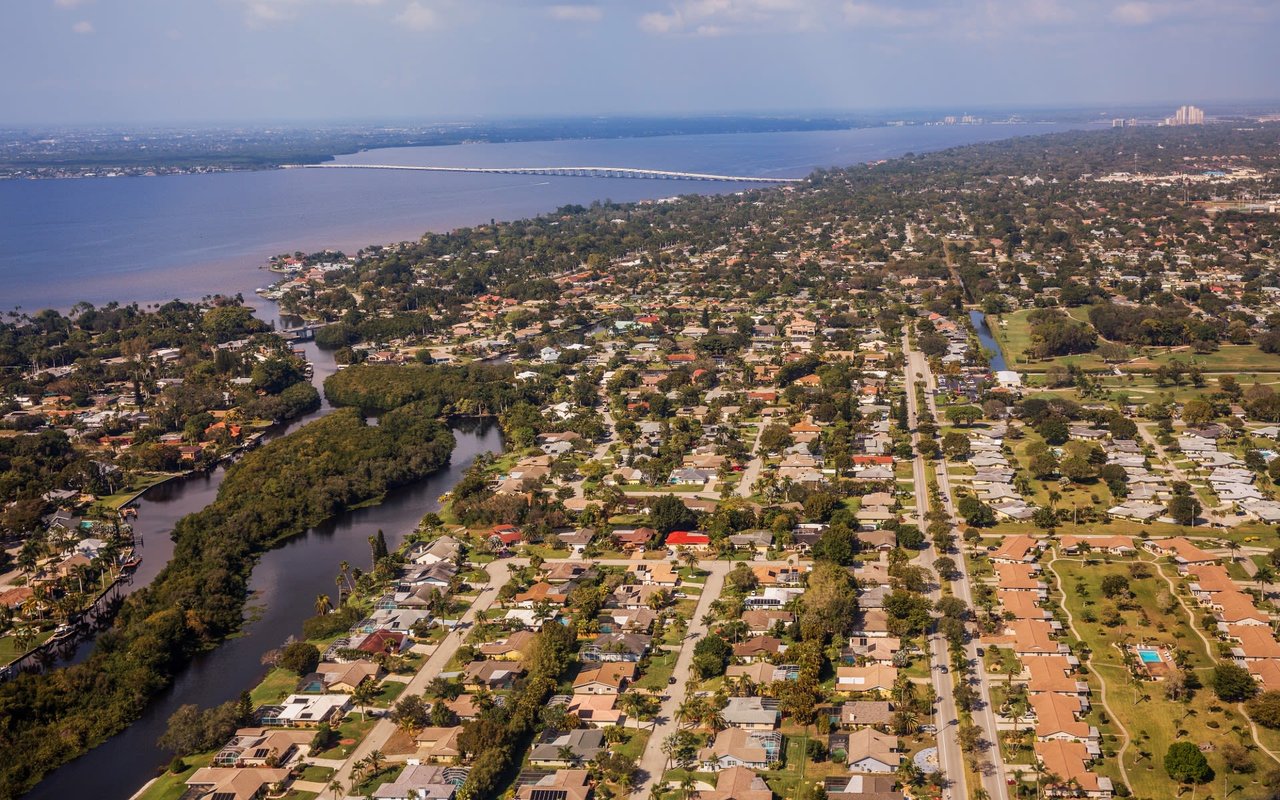
Fort Myers is not a one-style market. Within the city itself, you will find an urban core shaped by the Downtown Smart Code and more suburban-style areas with single-family residential districts.
That matters because this is not just a comparison between different parts of Lee County. It is a true side-by-side choice within Fort Myers, where your day-to-day experience can look very different depending on where you buy.
Citywide, Fort Myers has about 2,168.8 people per square mile, a 49.1% owner-occupied housing rate, a median gross rent of $1,580, a median owner-occupied home value of $384,500, and a mean commute of 25.2 minutes. Those numbers help frame the bigger picture as you weigh convenience, housing style, and daily travel.
Downtown Fort Myers lifestyle
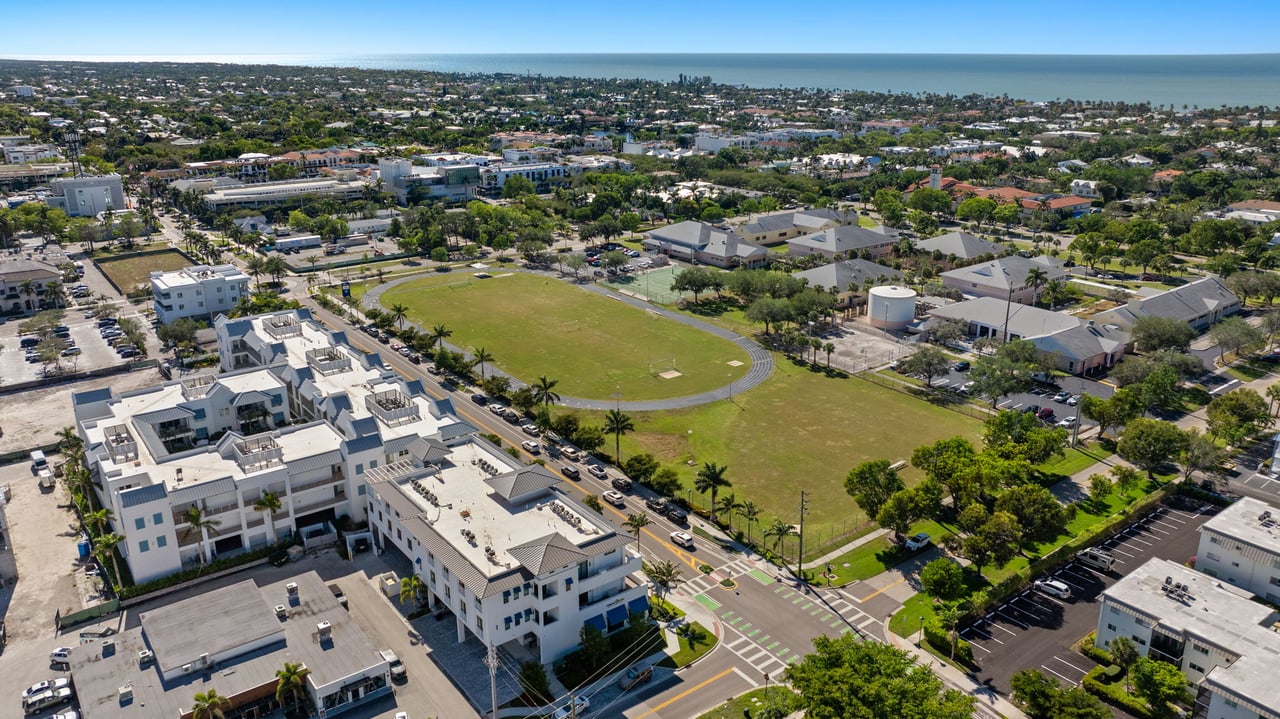
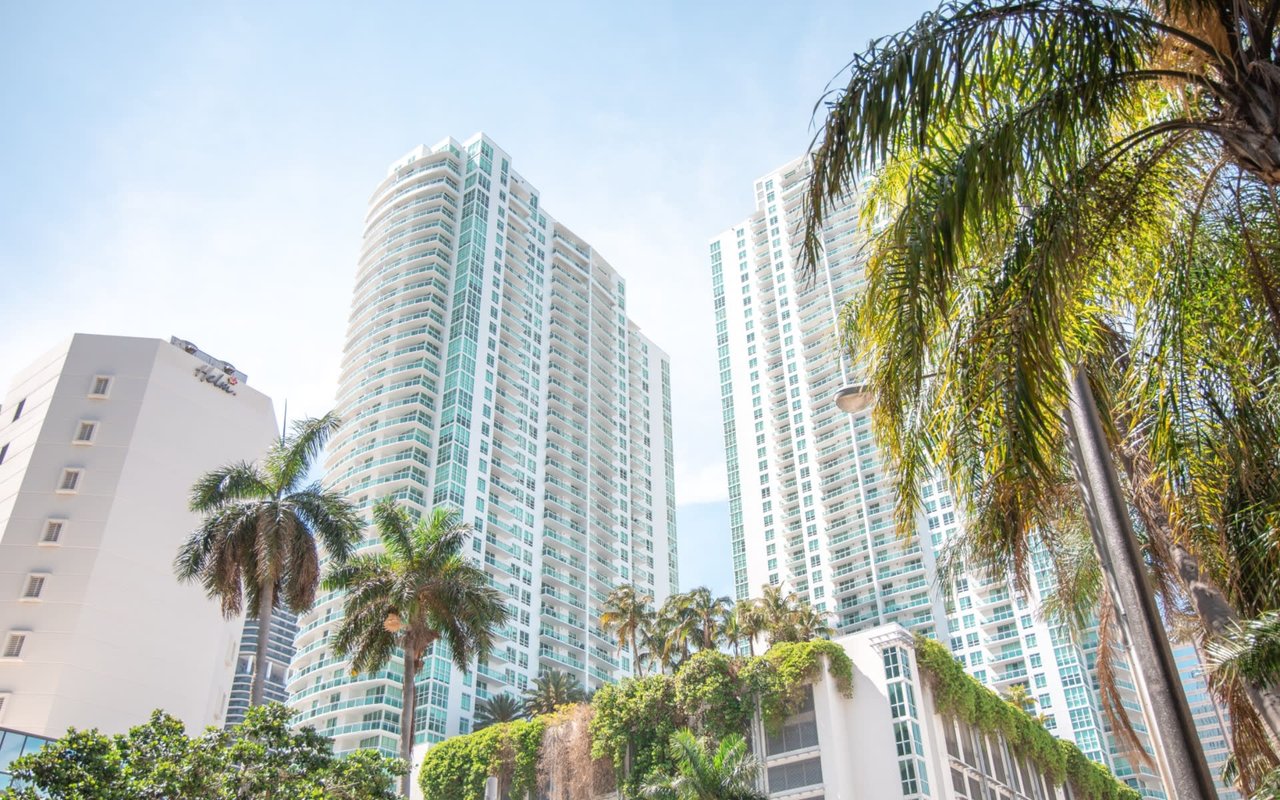
Downtown Fort Myers centers around the historic River District. City and county references describe it as a distinct historic downtown area, which gives it a different feel from more spread-out residential parts of the city.
The downtown development pattern is intentionally pedestrian-oriented. Local code places parking away from the street edge and encourages active ground-floor storefront design with heavy glazing on key streets.
In practical terms, that means downtown is built to feel more walkable and visually active. When you live there, your routine may involve parking once, then walking to restaurants, events, or nearby services.
Events shape daily life downtown
One of the biggest lifestyle differences is the rhythm of public events. The City of Fort Myers highlights recurring activities such as the Fort Myers Farmers Market on Saturdays and Monthly Music Walk.
That creates a setting with more built-in activity. If you enjoy being near gatherings, street life, and a steady calendar of things to do, downtown may feel naturally connected to your pace.
Transit supports downtown living
Transit also plays a bigger role downtown than it does in most suburban areas. Seasonal River District trolley service is active, and LeeTran notes that Blue and Gold Line trolleys provide free access to and from the historic downtown Fort Myers River District.
Downtown is also a clear transit hub through the Rosa Parks Transportation Center. LeeTran routes connect downtown with areas including Tice, Dunbar, Cape Coral, Riverdale, South Fort Myers, and Coconut Point.
If you want the option to mix walking, trolley use, and driving, downtown gives you more ways to move through the city without relying on your car for every stop.
Suburban Fort Myers lifestyle
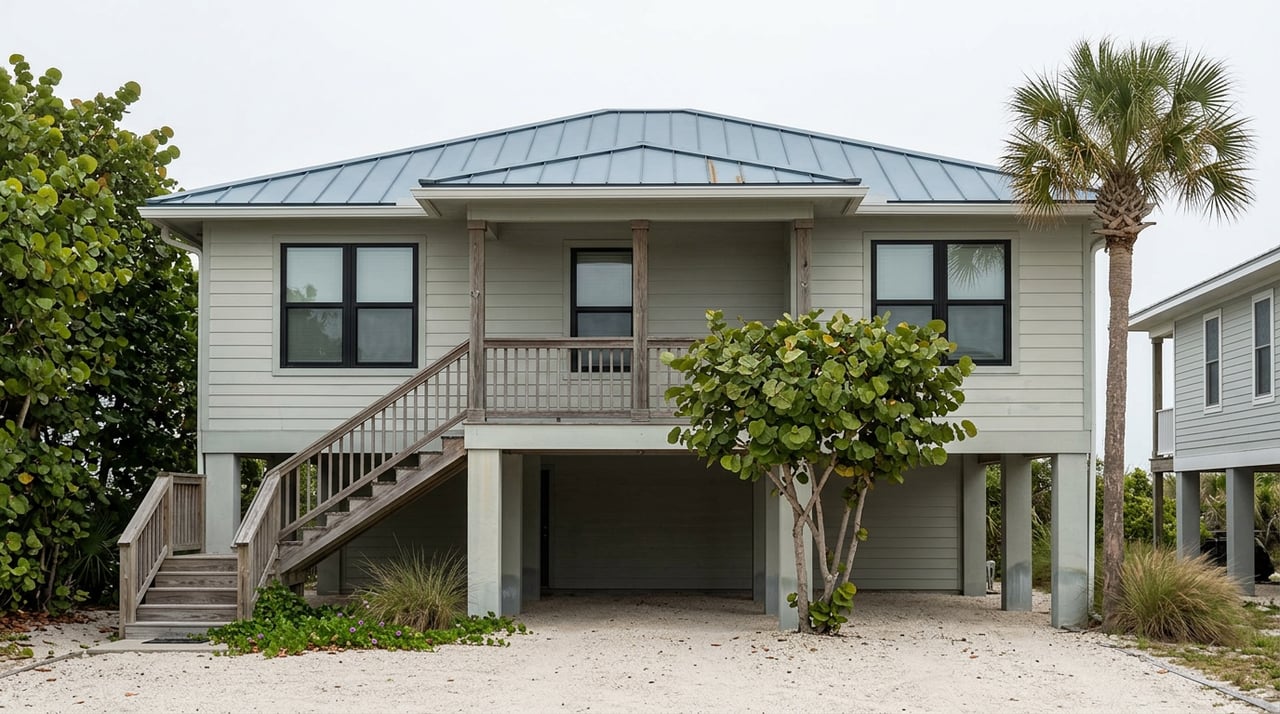
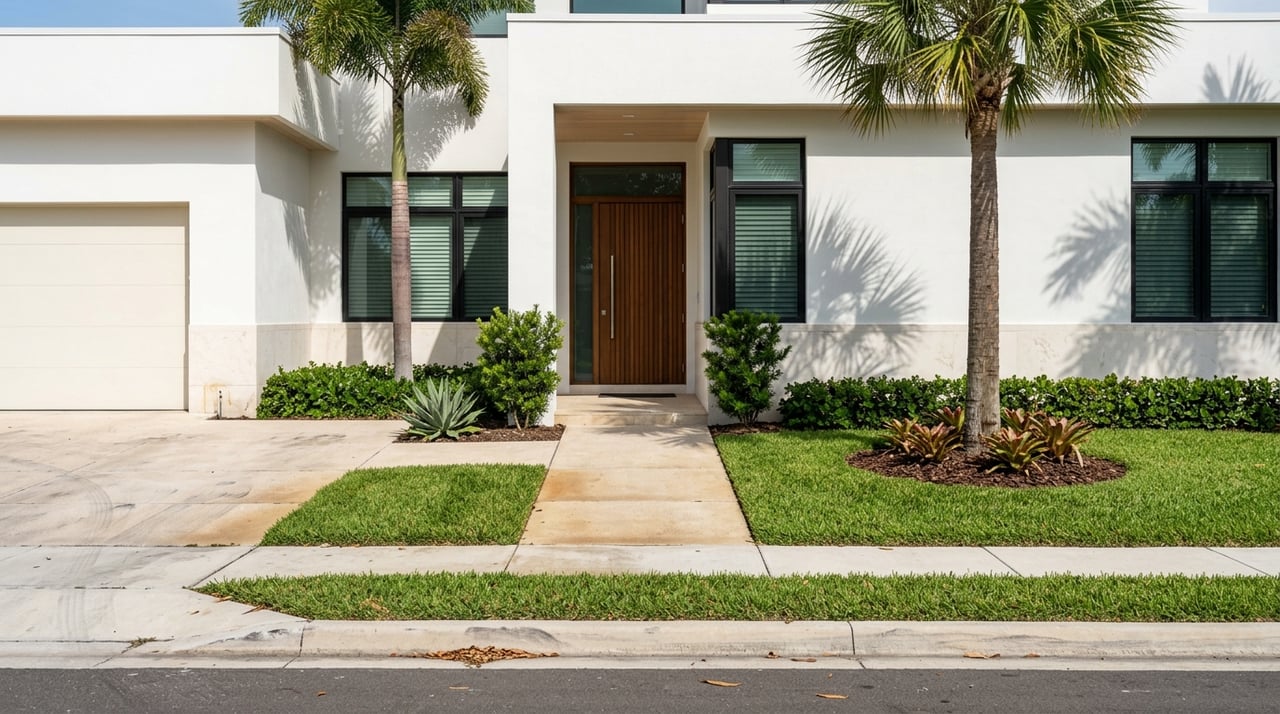
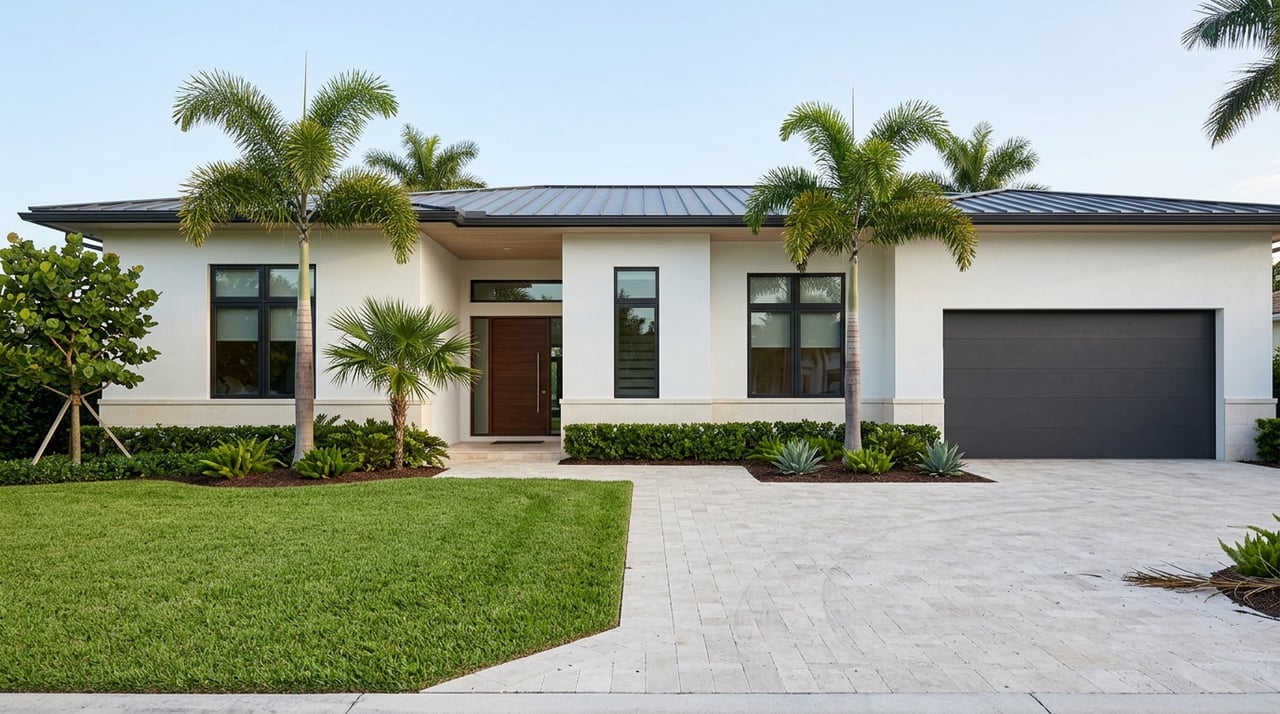
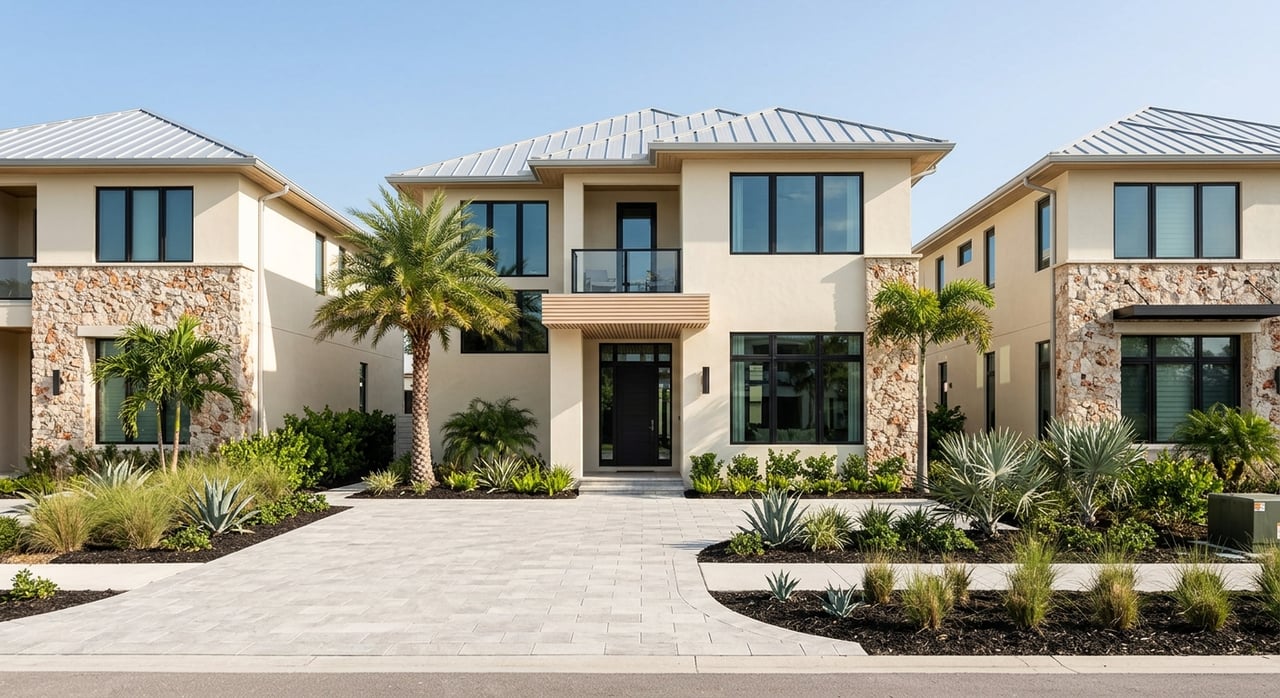
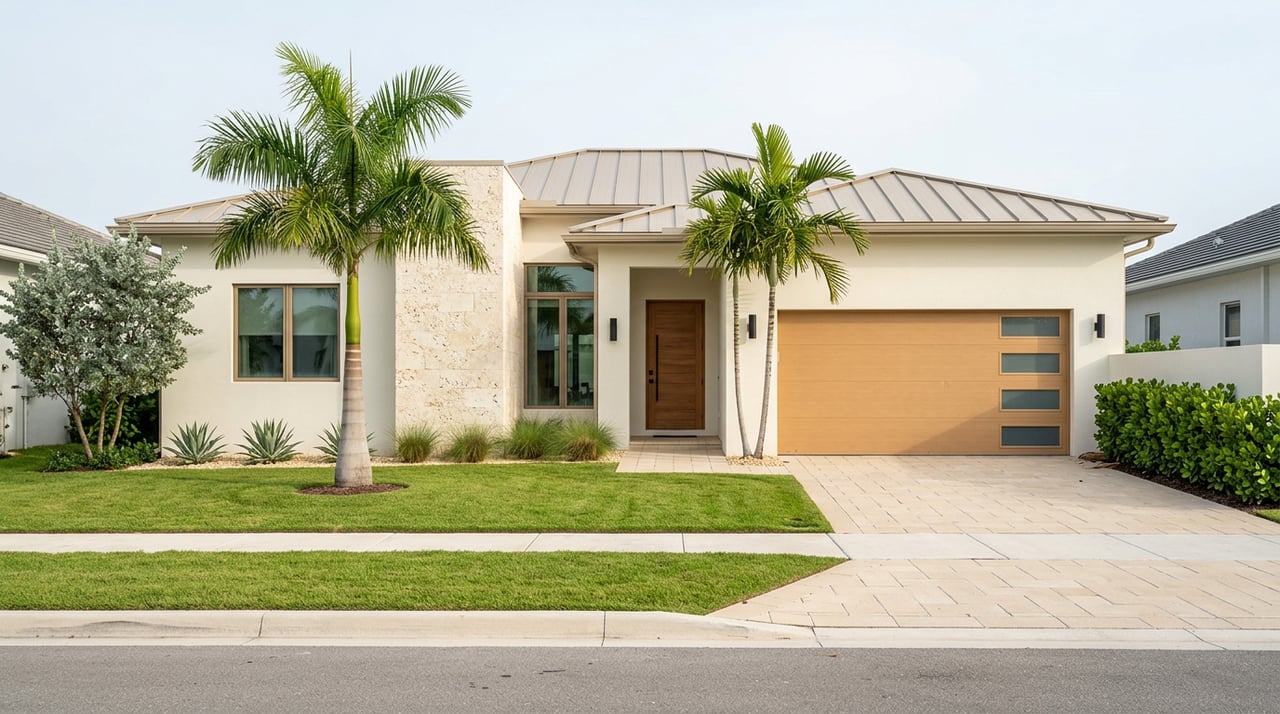
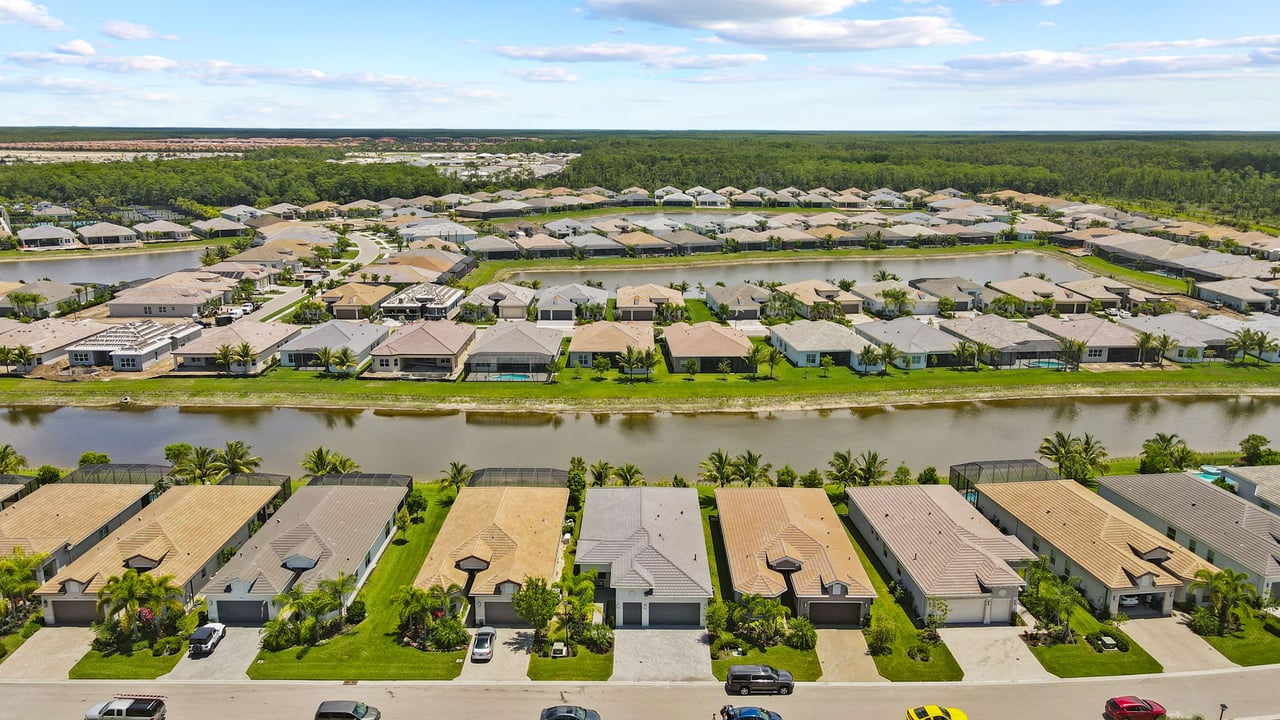
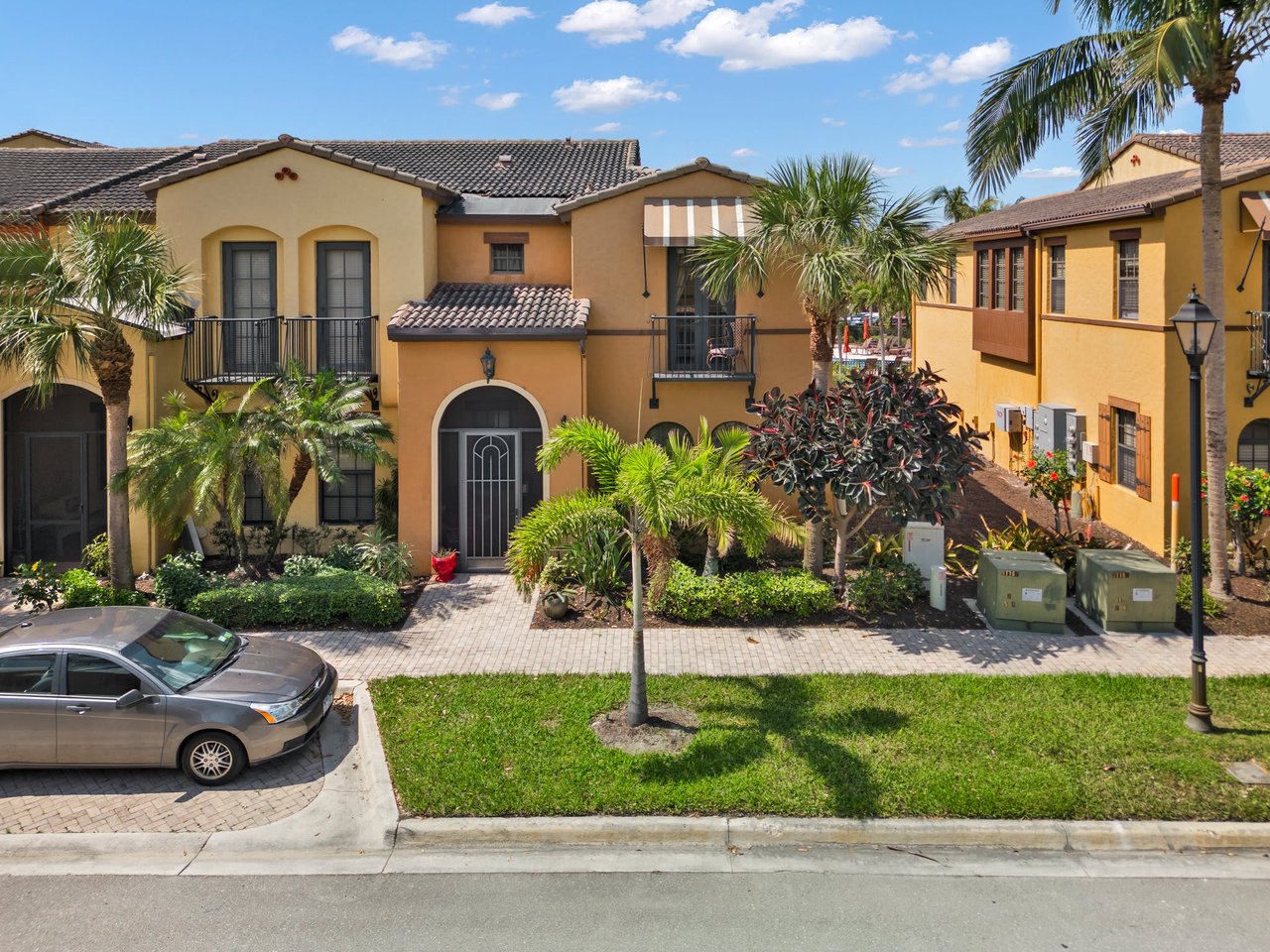
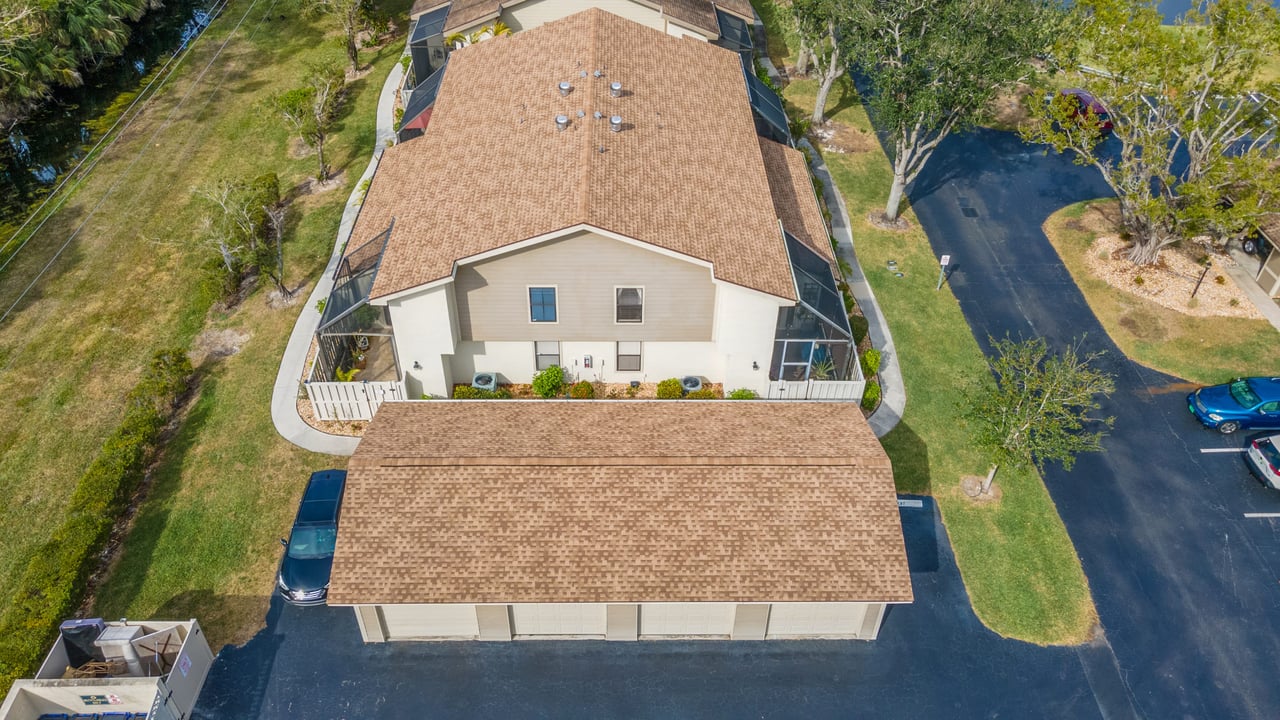
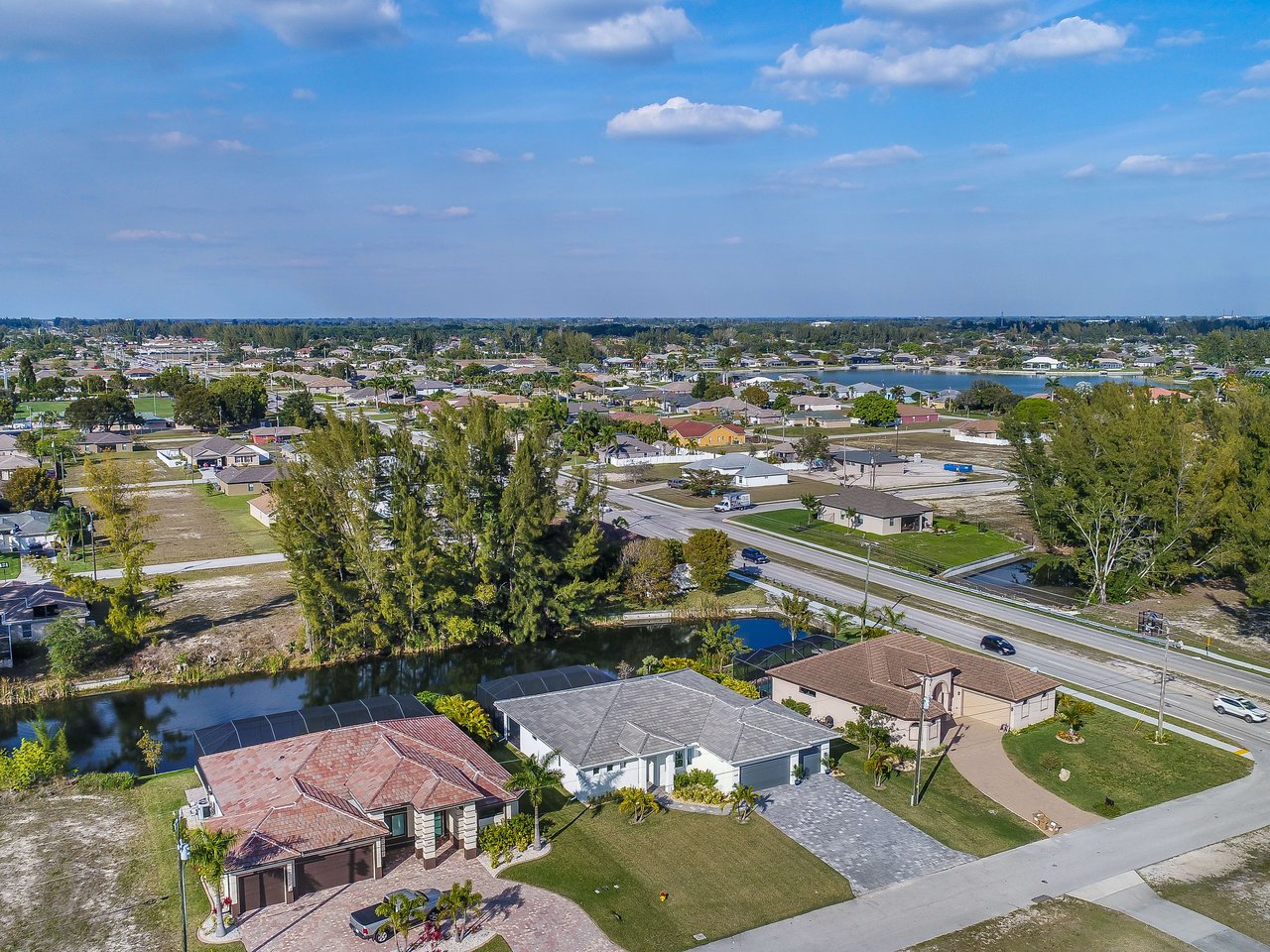
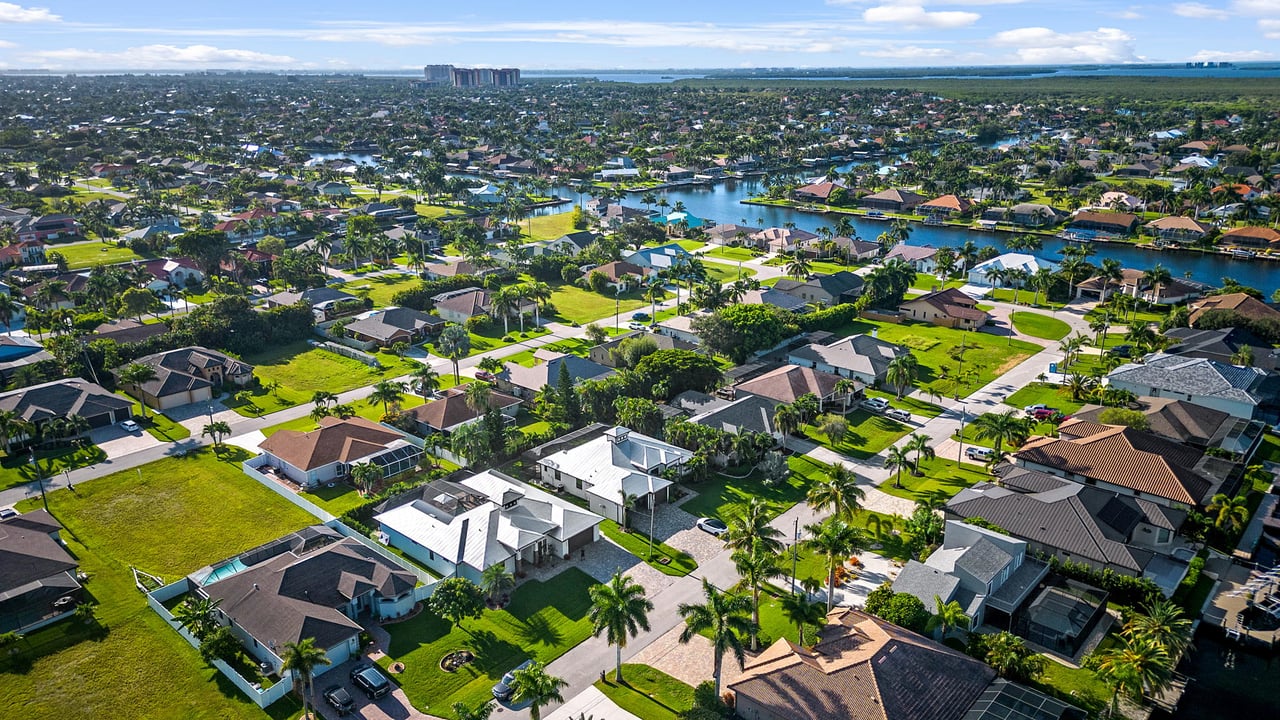
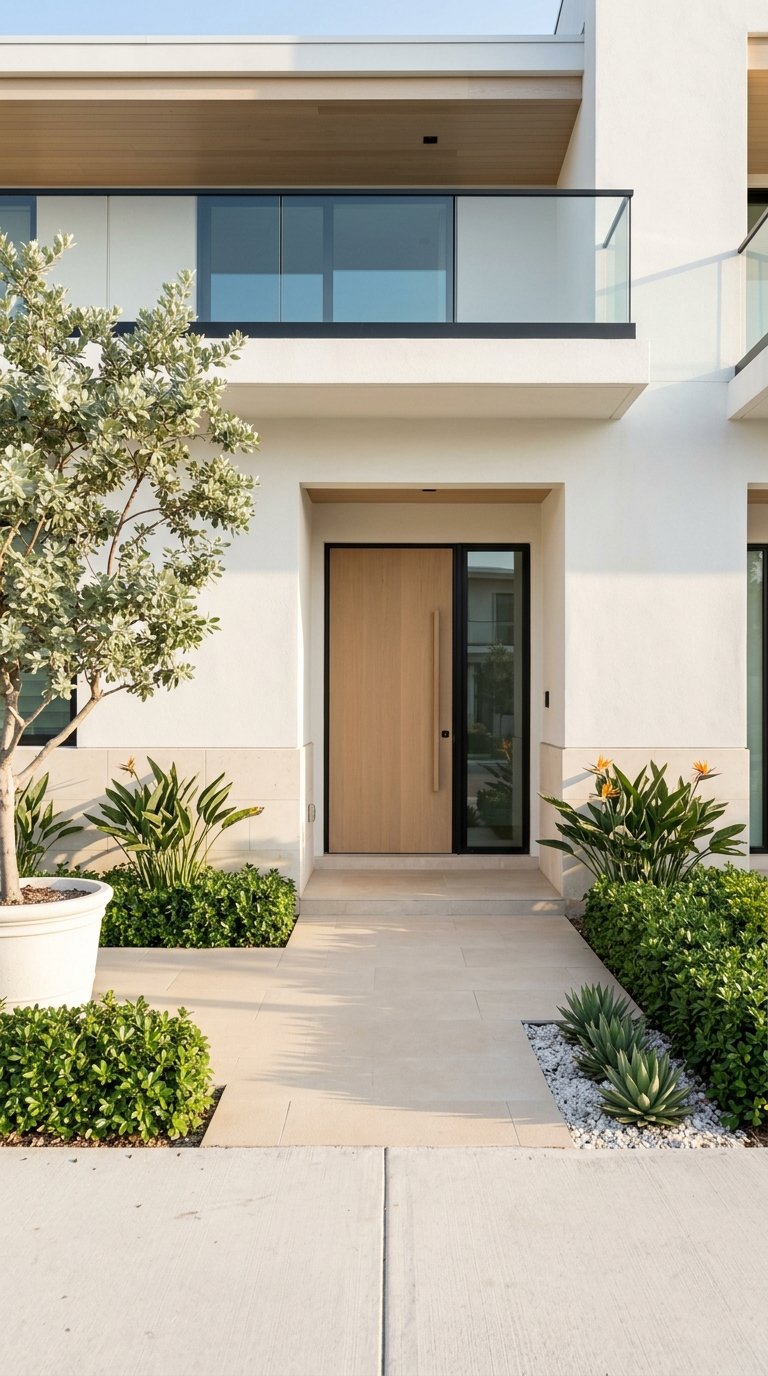
Suburban-style living in Fort Myers usually feels more private and more car-oriented. These areas tend to follow a more traditional neighborhood layout, with driveways, garages, and homes spread across larger residential blocks.
City land-development documents show the kind of geometry often seen in newer subdivisions, including 40-by-98-foot lots, 5-foot side setbacks, and 20-foot front setbacks. That pattern creates a more separated, residential feel than the compact downtown grid.
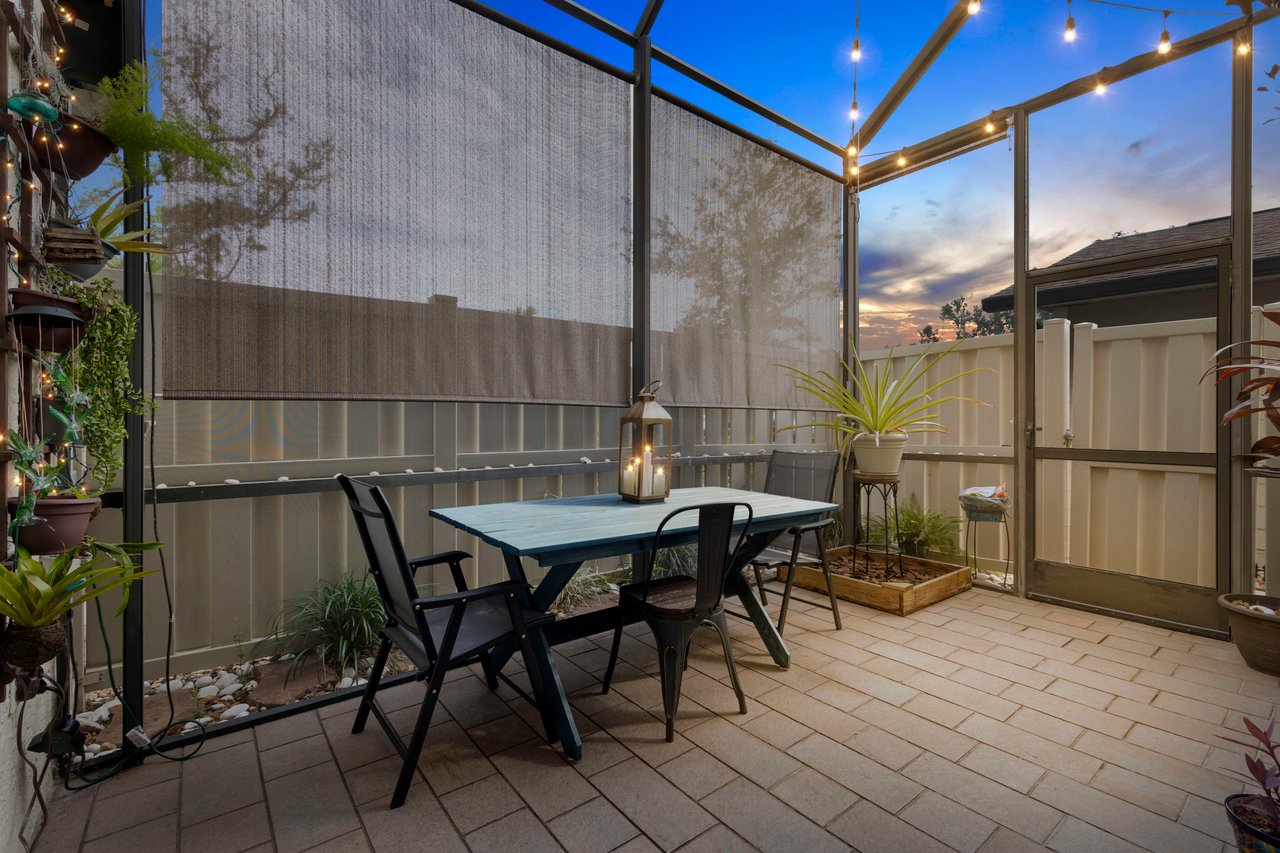
For many buyers, that translates into easier parking, more private outdoor space, and a home layout that feels familiar and practical for daily life. Errands usually involve driving from one destination to the next, rather than walking between stops.
Neighborhood amenities are often broader
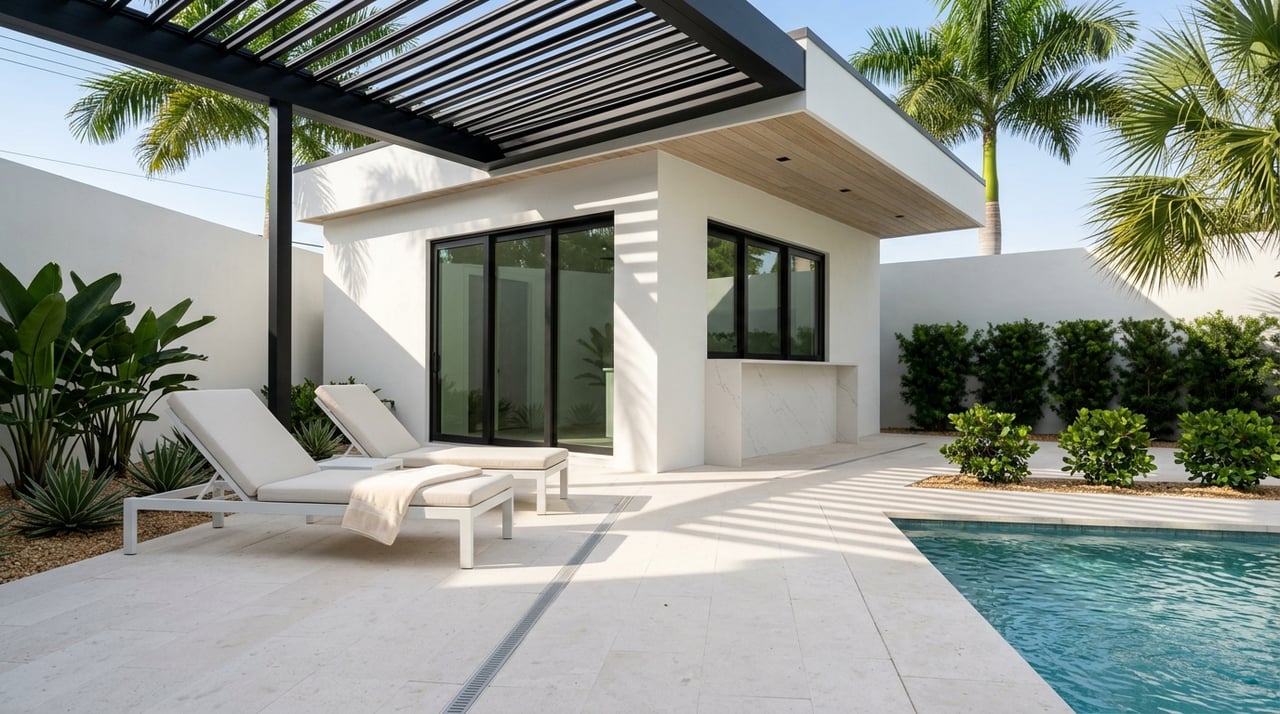
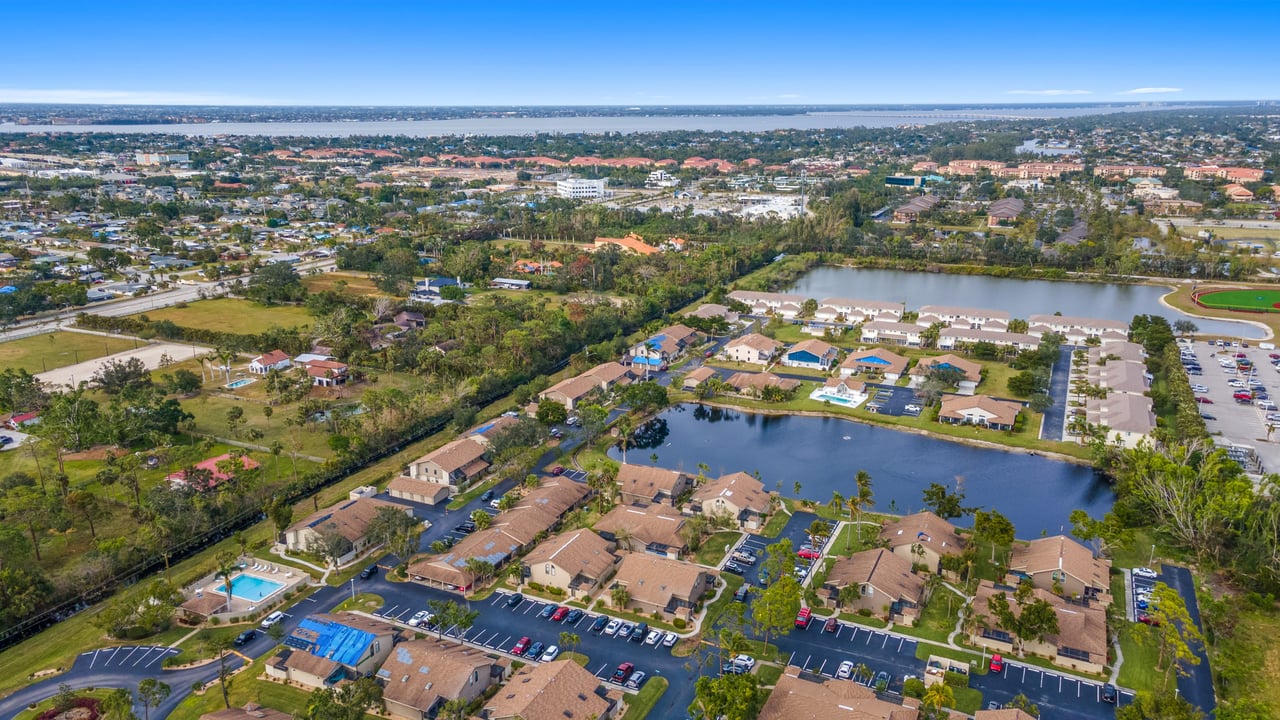
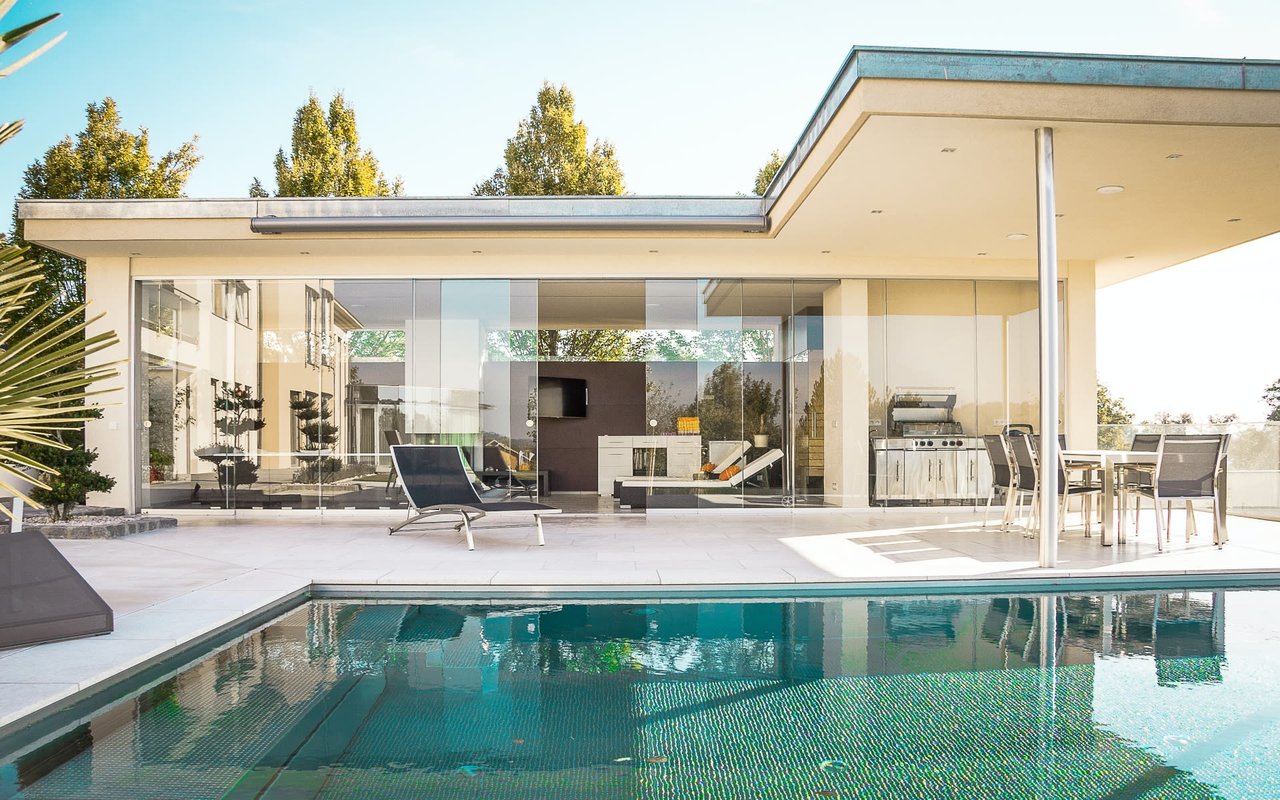
Suburban communities in Fort Myers often place amenities across the neighborhood instead of inside a single building. Local examples include features such as gated entry, clubhouses, heated pools and spas, fitness centers, social spaces, playgrounds, courts, splash areas, and maintained lawns.
That setup can appeal to buyers who want recreation close to home without needing a condo building. It can also be a good fit if you prefer the structure of an HOA-managed community with shared outdoor features.
Housing types and maintenance trade-offs
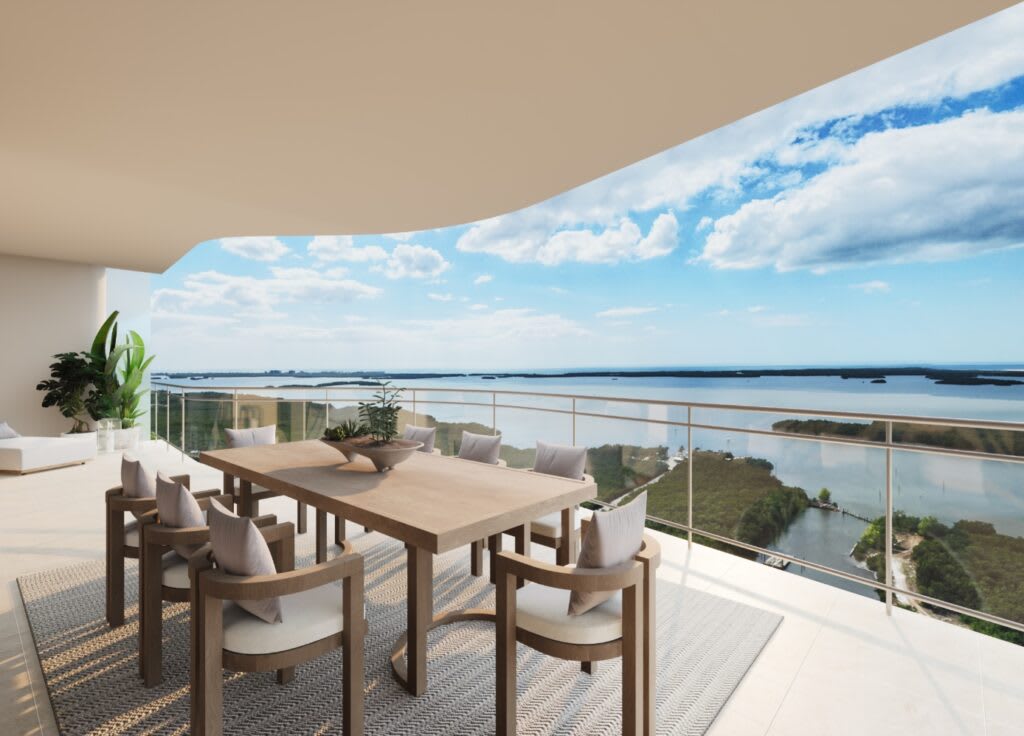
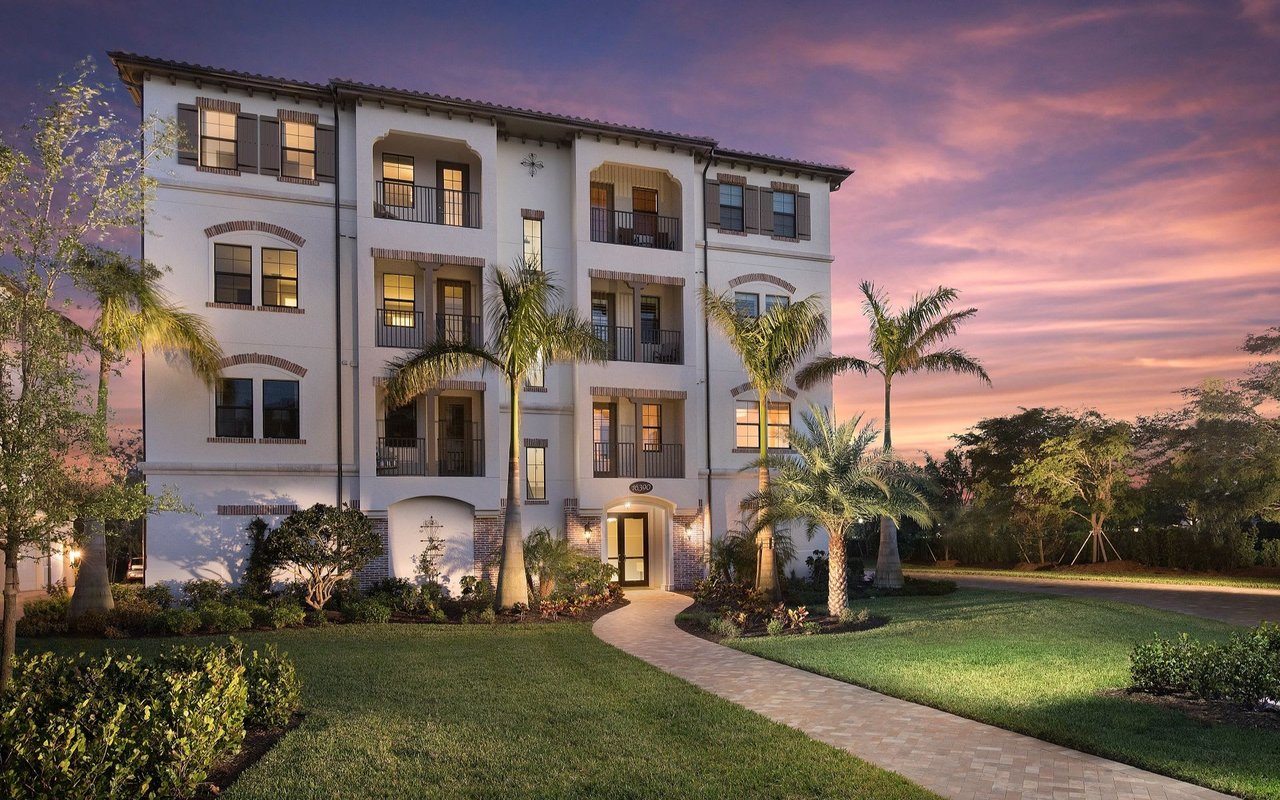
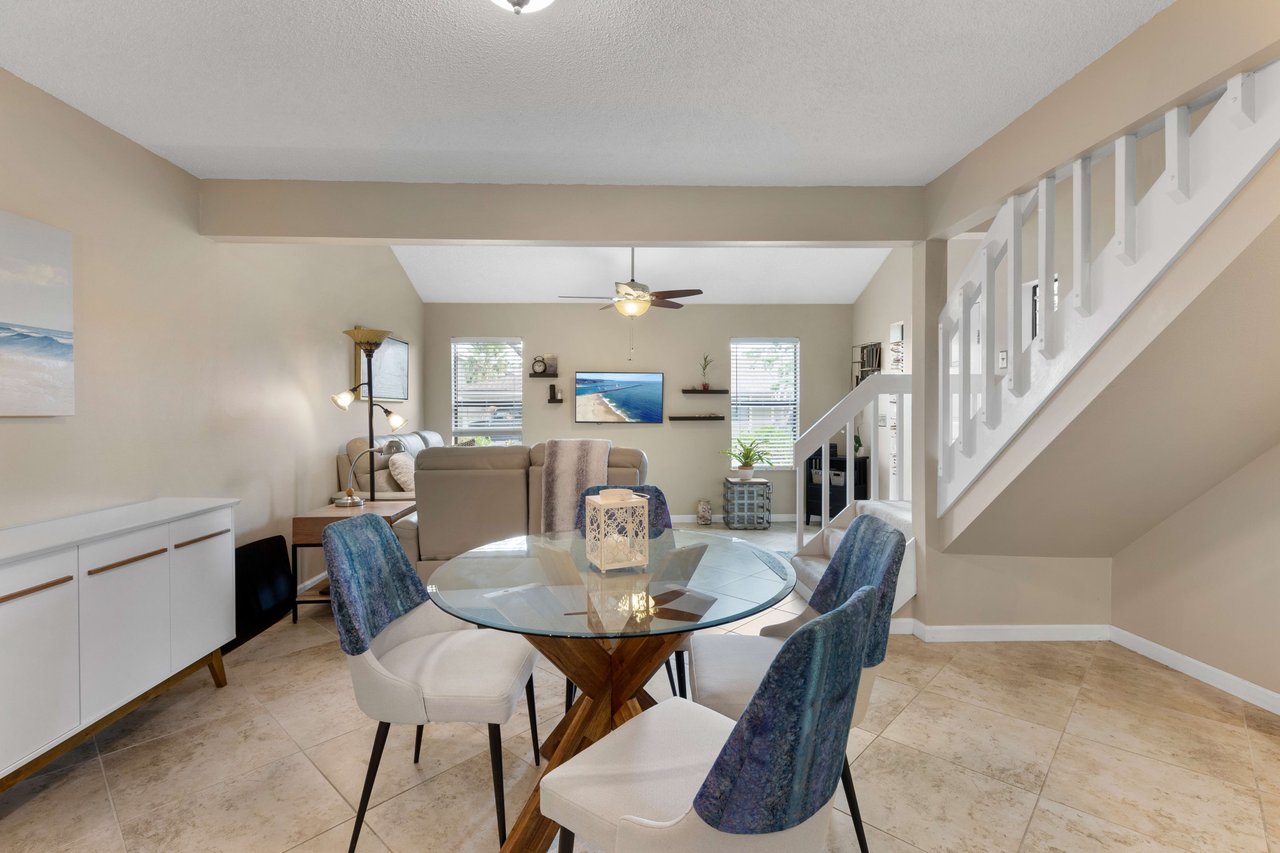
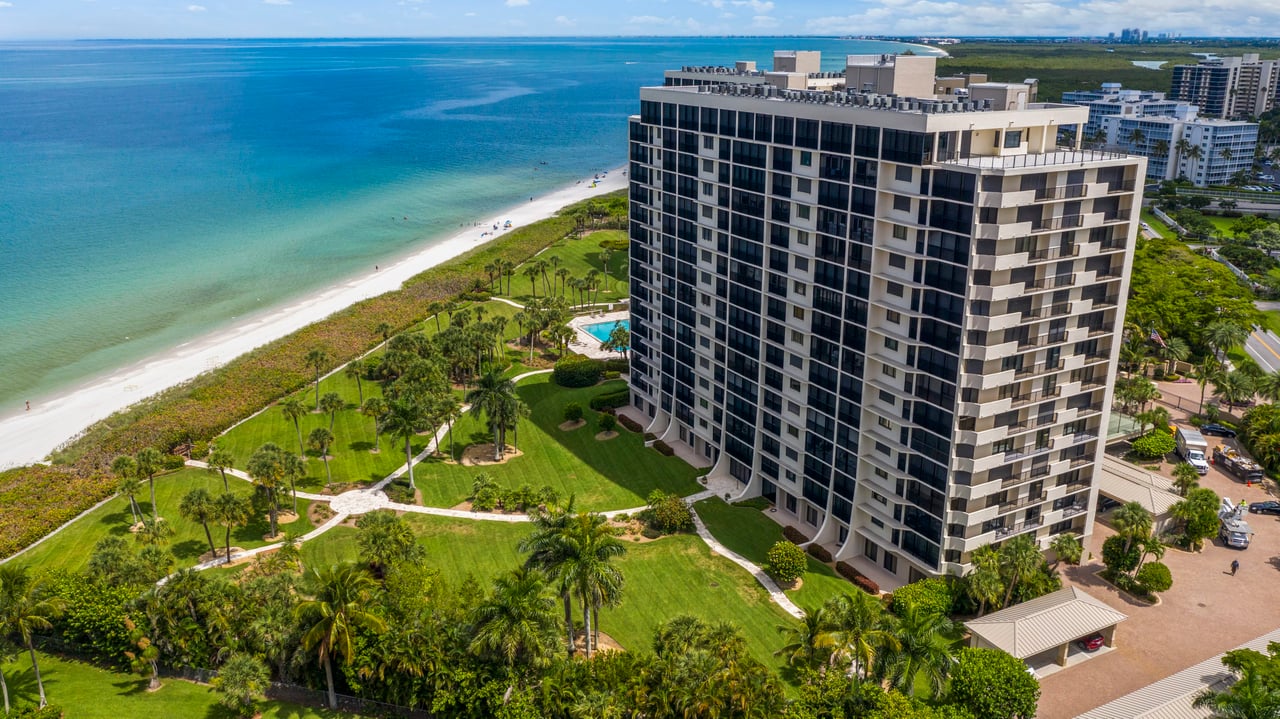
One of the clearest differences between downtown and suburban Fort Myers is the kind of home you are most likely to find. Downtown examples lean toward condos and apartments, while suburban areas more often feature single-family homes in planned communities.
That does not mean every downtown option is the same or every suburban home comes with the same amenities. Still, the broad pattern is clear enough to help guide your search.
What downtown housing often includes
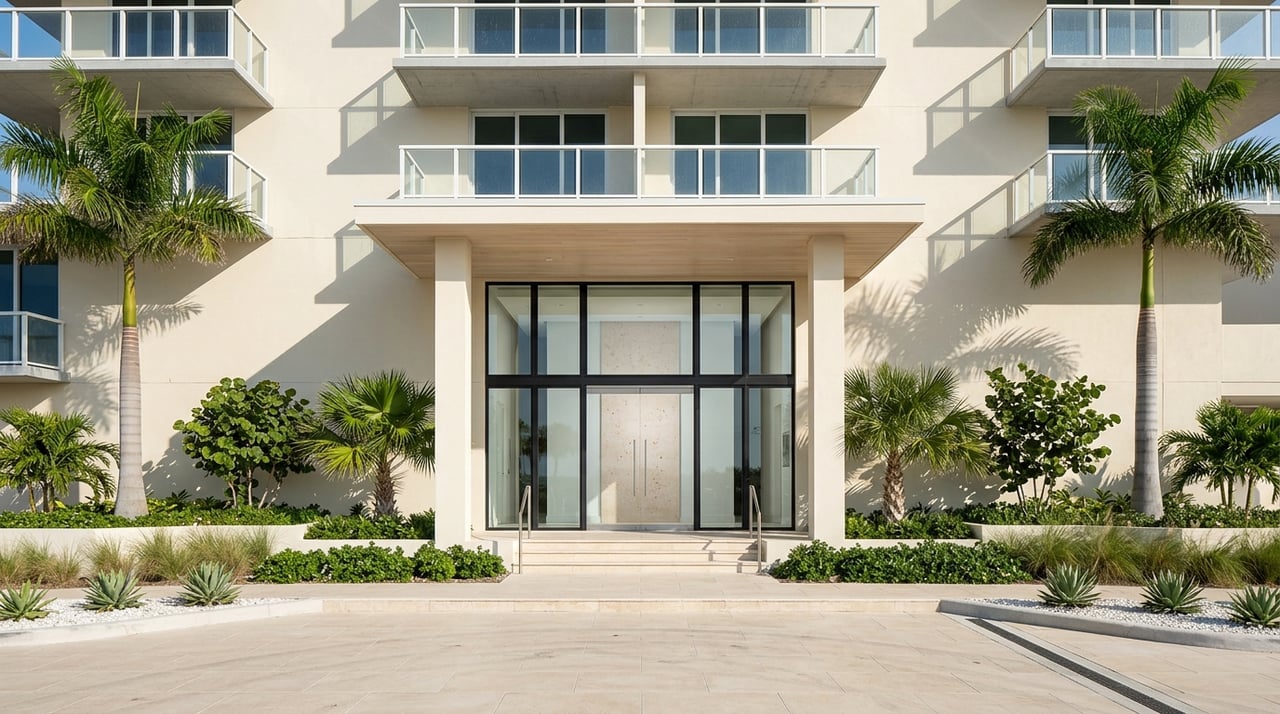
Downtown and near-downtown buildings tend to concentrate amenities within the property itself. Local examples include features such as:
- Pools and spas
- Fitness centers
- Secured access
- Covered or secured parking
- On-site staff
- Community rooms
- Bicycle or kayak storage
- Boat slips in some communities
This setup can support a lower-maintenance lifestyle. If you want to spend less time on exterior upkeep and more time enjoying the area, downtown-style living may check that box.
What suburban housing often includes
Suburban communities usually spread amenities across the development. Depending on the neighborhood, features may include:
- Gated entrances
- Clubhouses
- Pools and splash areas
- Fitness centers
- Basketball, tennis, or pickleball courts
- Playgrounds
- Lawn maintenance
- Landscaped streetscapes
For some buyers, this offers a strong middle ground. You may get more private living space while still enjoying shared amenities nearby.
Walkability versus driving
For many buyers, the real choice comes down to how you want your day to work. Downtown Fort Myers is built around compact blocks, active street fronts, trolley access, and frequent events.
That often creates a park once, then move on foot experience. Even if you still drive regularly, you may use your car less for short outings.
Suburban Fort Myers usually offers the opposite rhythm. You are more likely to drive to restaurants, stores, appointments, and recreation, even if those destinations are only a short distance away.
Neither approach is better for everyone. The right fit depends on whether you value walkability and activity more than extra space and parking simplicity.
Commute and convenience in context
Fort Myers has a mean commute of 25.2 minutes, which suggests that driving still matters for many households across the city. Even if downtown gives you more chances to walk or use transit, most people in Fort Myers still plan their routines with car travel in mind.
That is why it helps to think beyond a map. The better question is not just how far your home is from work or errands, but how you want those trips to feel.
If you prefer compact convenience and more mobility options, downtown may stand out. If you want straightforward car access, easier guest parking, and a quieter residential layout, suburban Fort Myers may feel more natural.
Which buyers often prefer downtown
Downtown Fort Myers is often a strong match if you want:
- A low-maintenance home style
- Walkability and active streets
- Easy access to events
- A more urban building experience
- Amenities built into the property
- The option to use trolley or transit services
This can work especially well for relocators, seasonal buyers, and busy professionals who want convenience and lifestyle energy in one place.
Which buyers often prefer suburban areas
Suburban Fort Myers is often a strong match if you want:
- More private space
- Garage or driveway convenience
- Yard or lawn space
- A traditional neighborhood feel
- Amenity-rich HOA communities
- A daily routine built around driving
This can appeal to move-up buyers, buyers looking for more room, and anyone who prefers a calmer residential setting over a more active downtown environment.
How to make the right choice
If you are torn between the two, start by thinking about your routine rather than just the home itself. Ask yourself where you spend time, how often you drive, and whether you want your surroundings to feel more active or more relaxed.
It also helps to compare maintenance expectations. A condo or apartment-style property may simplify upkeep, while a single-family home may offer more private space but a different ownership experience.
Finally, remember that amenities are community-specific. One downtown building may offer secure access, staff, and river-oriented features, while another may be simpler. The same is true in suburban neighborhoods, where amenity packages can range from basic to extensive.
When you compare options through that lens, the decision usually becomes much clearer.
If you are weighing downtown Fort Myers against suburban living, the best next step is a tailored conversation about your lifestyle, timeline, and priorities. For a private consultation, connect with Haven Group FL.
FAQs
Is downtown Fort Myers walkable compared to suburban Fort Myers?
- Yes. Downtown Fort Myers is designed to be more pedestrian-oriented, with active street-level design, trolley access, and a compact layout that supports walking more than most suburban areas.
Are there condos in downtown Fort Myers?
- Yes. Downtown and near-downtown Fort Myers include condo and apartment-style living, with local examples offering amenities such as pools, fitness centers, secured access, and parking.
Do suburban Fort Myers communities usually have HOA amenities?
- Many do. Local suburban-style communities may include features such as gates, clubhouses, pools, fitness centers, courts, playgrounds, and lawn maintenance.
Is parking easier in suburban Fort Myers than downtown?
- In general, yes. Suburban living usually comes with driveways or garages and a more car-oriented layout, while downtown is designed with less visible parking and a stronger focus on walking.
Does downtown Fort Myers have public transit options?
- Yes. Downtown Fort Myers is served by trolley service and multiple LeeTran routes through the Rosa Parks Transportation Center, making it a more connected transit node than many suburban areas.
How do I choose between downtown and suburban Fort Myers living?
- Start with your daily routine. If you want walkability, events, and low-maintenance living, downtown may fit better. If you want more space, easier parking, and a traditional neighborhood feel, suburban Fort Myers may be the better match.