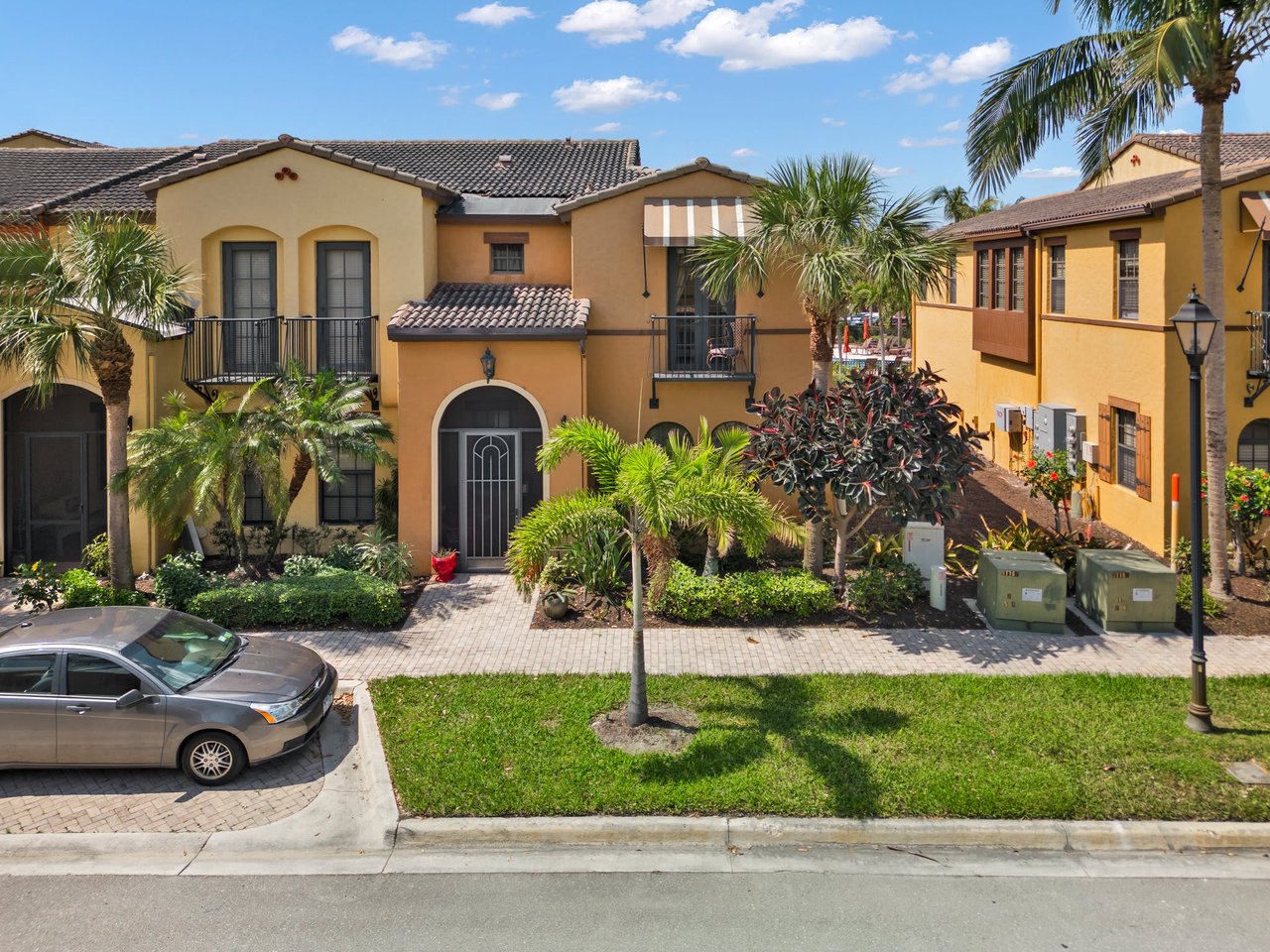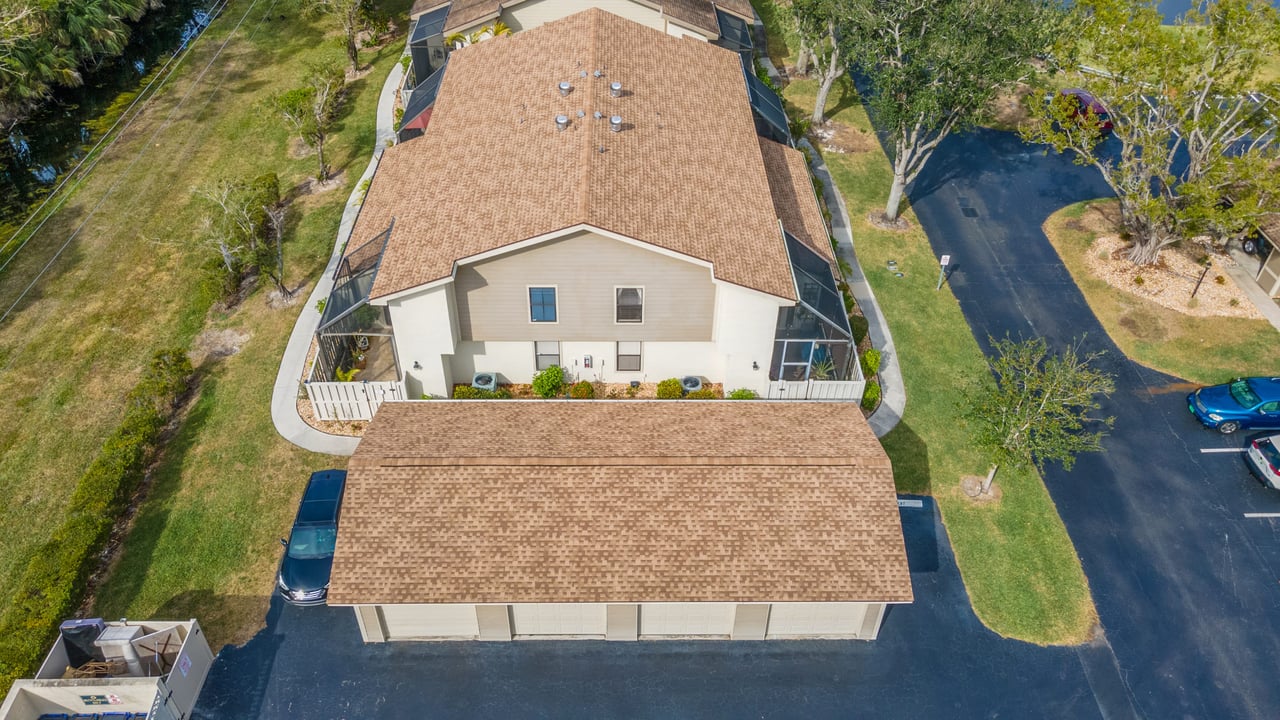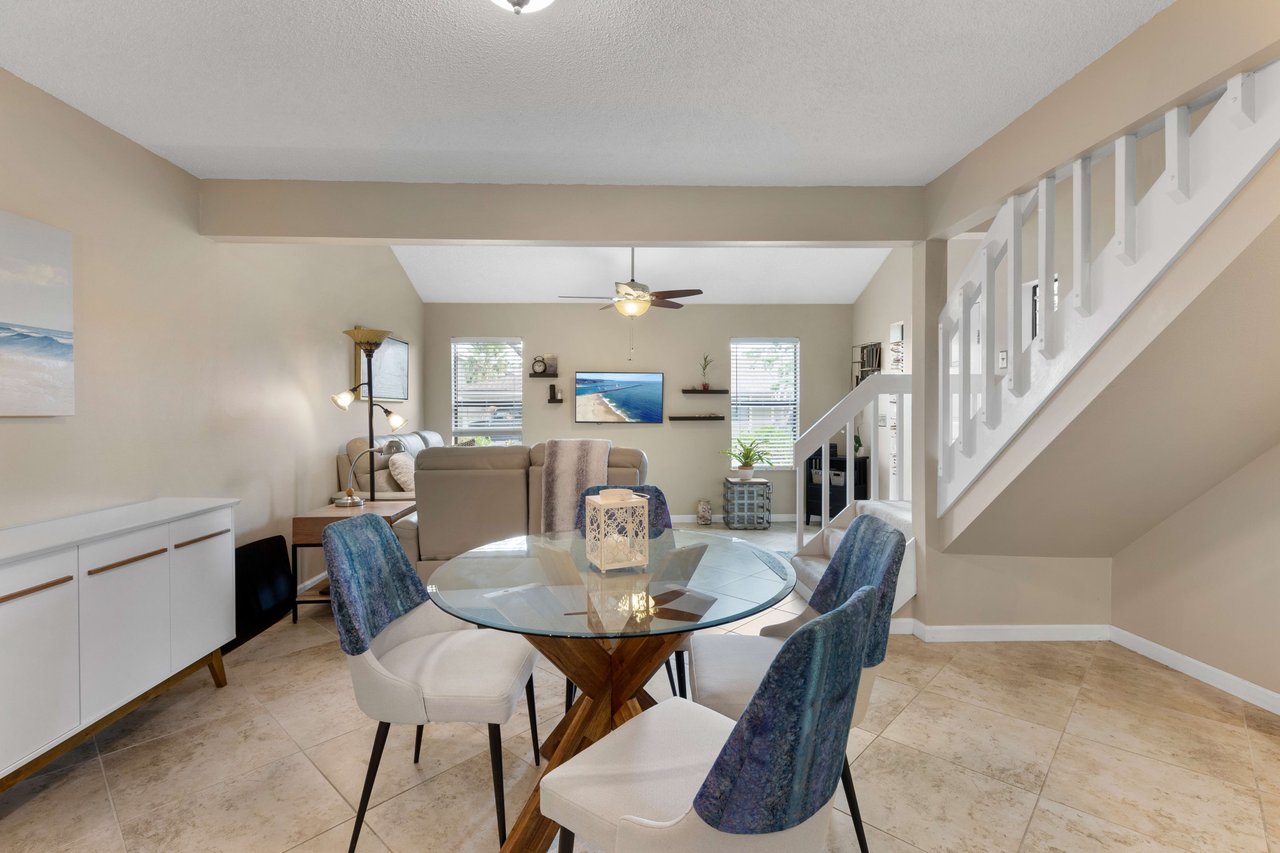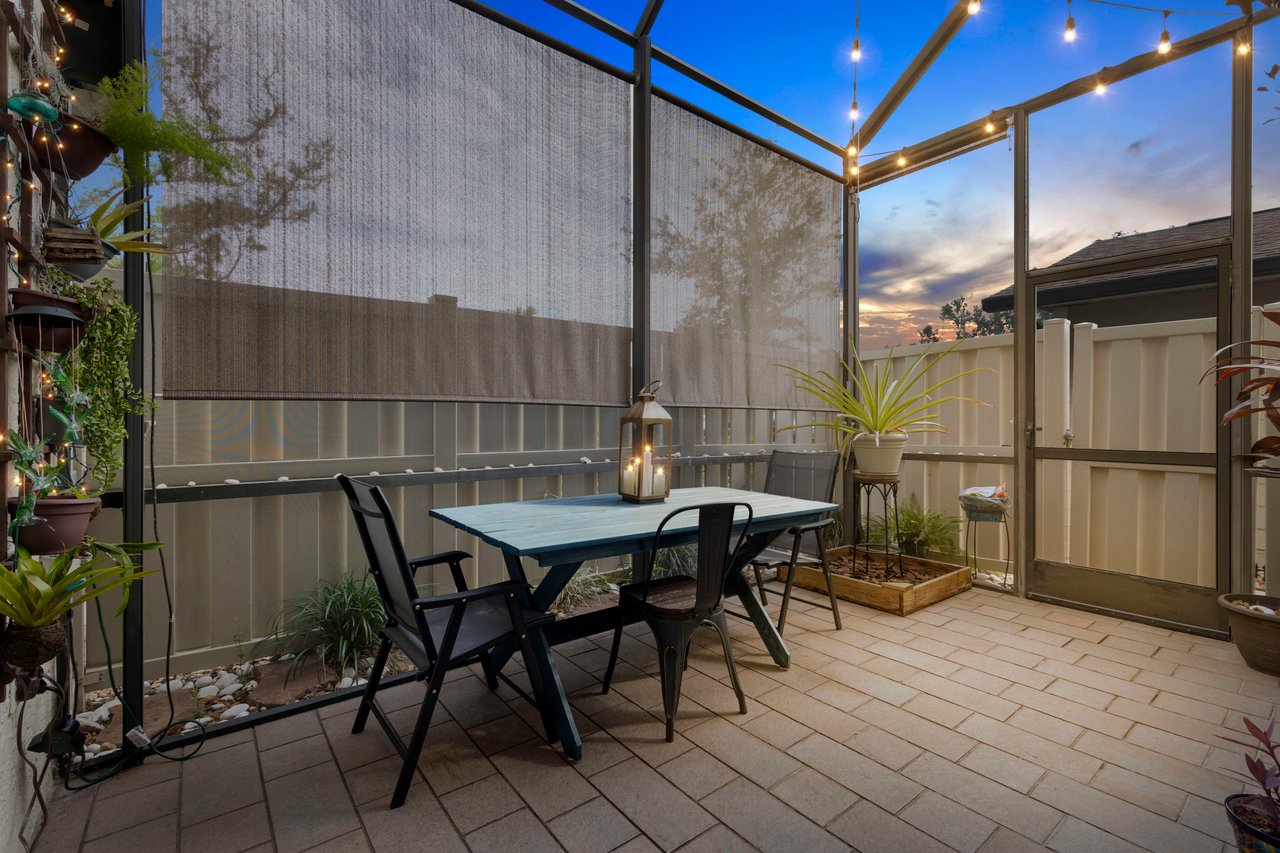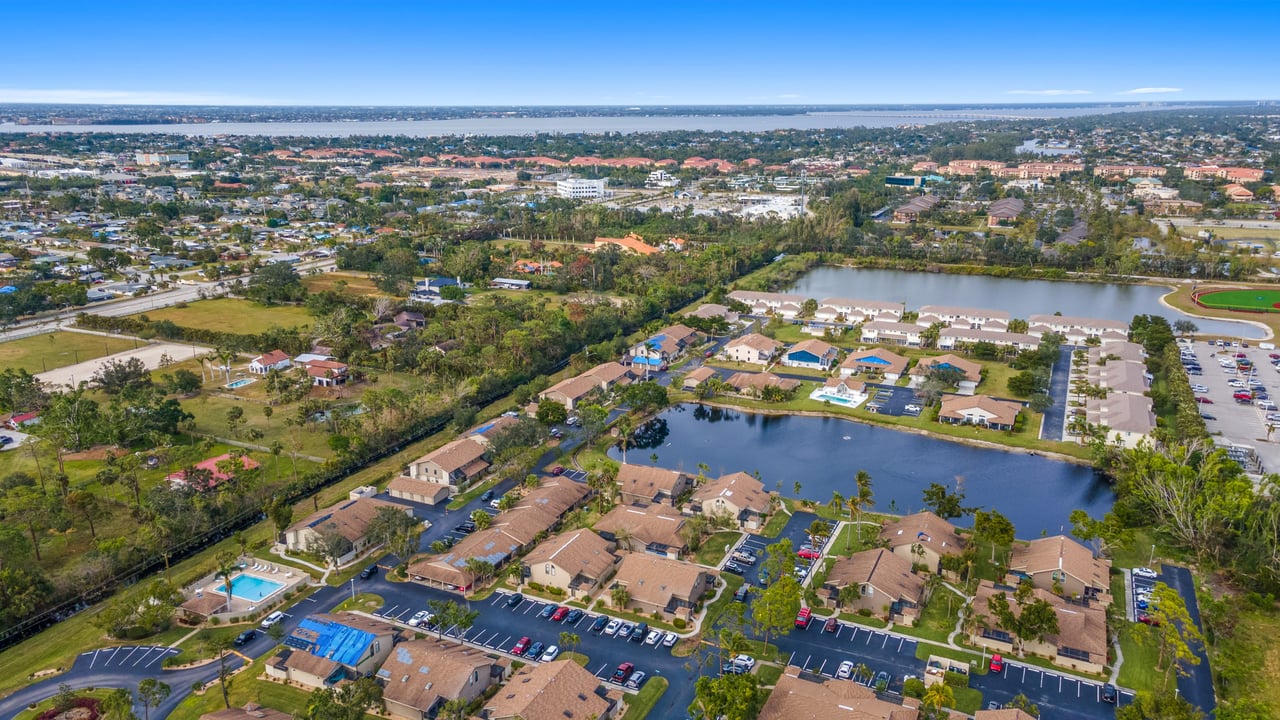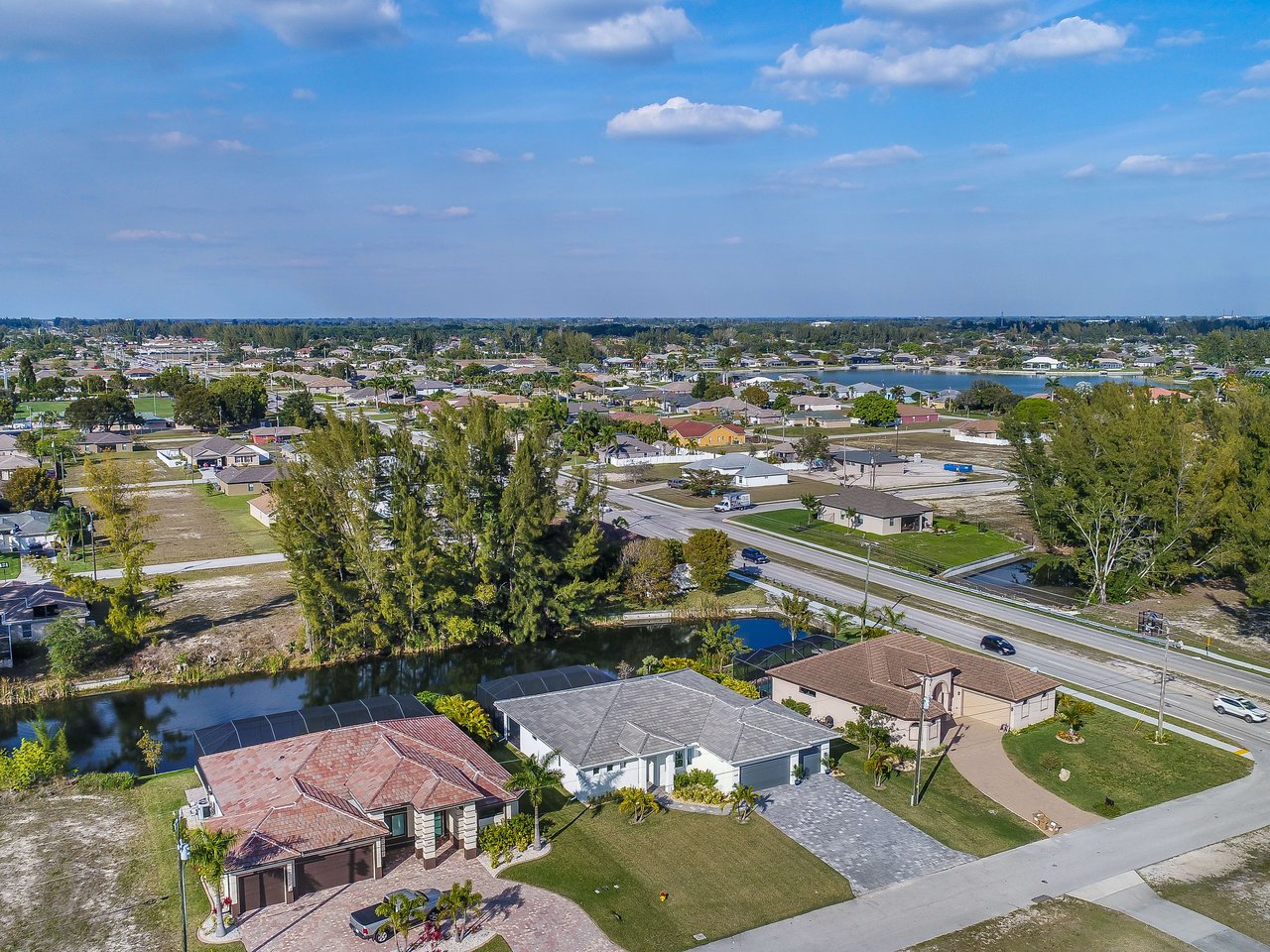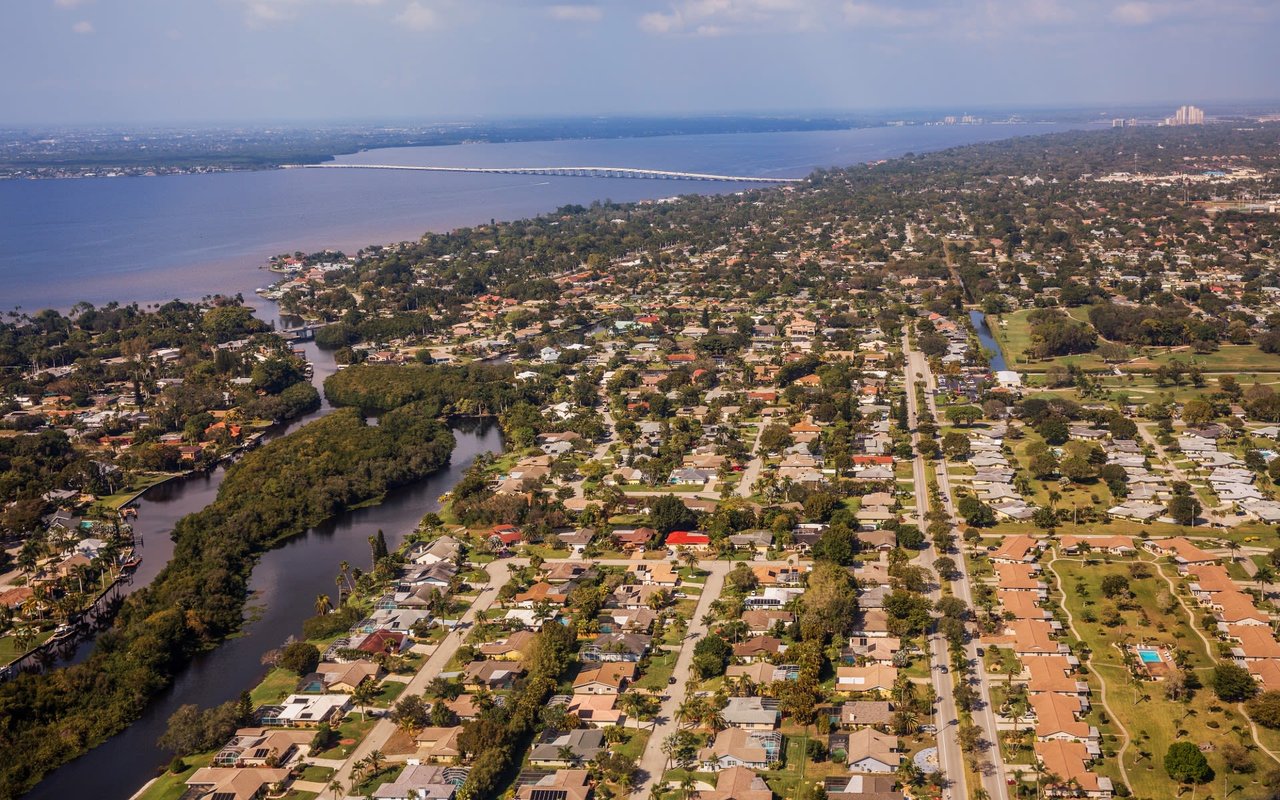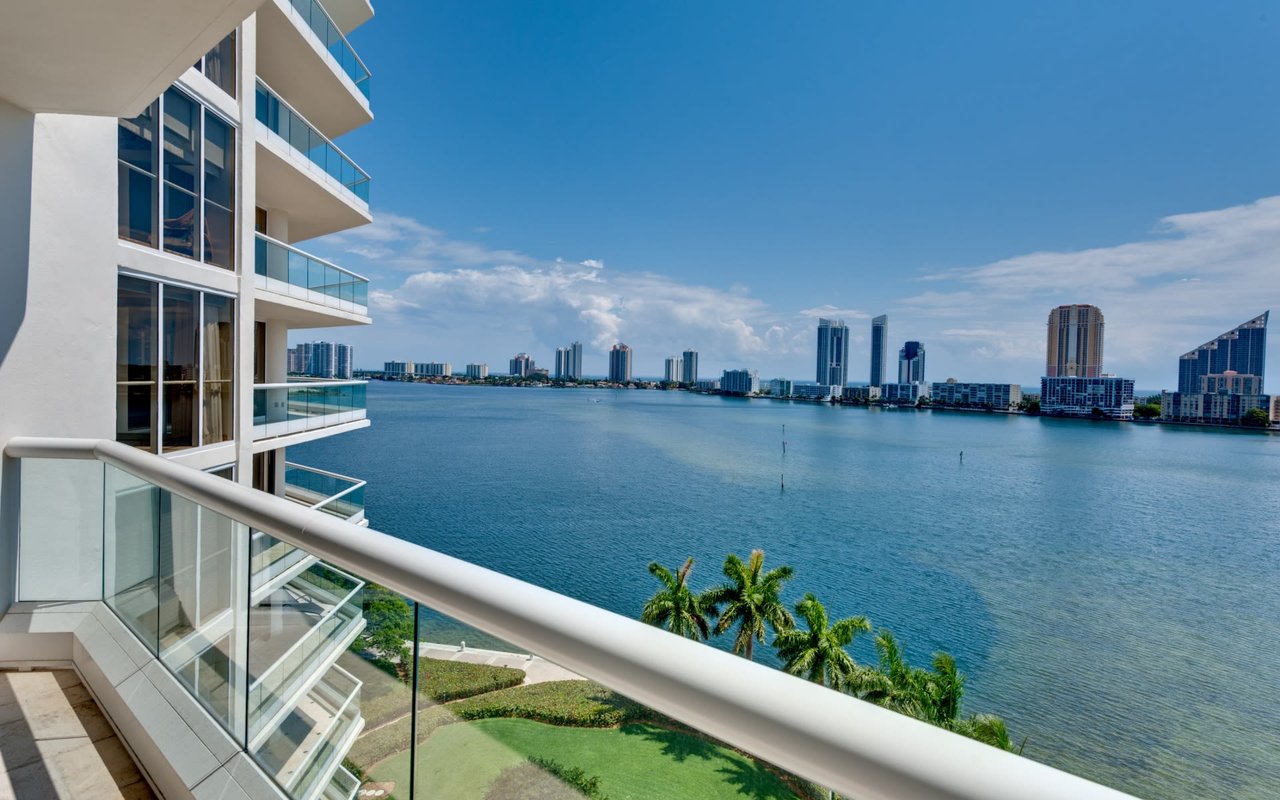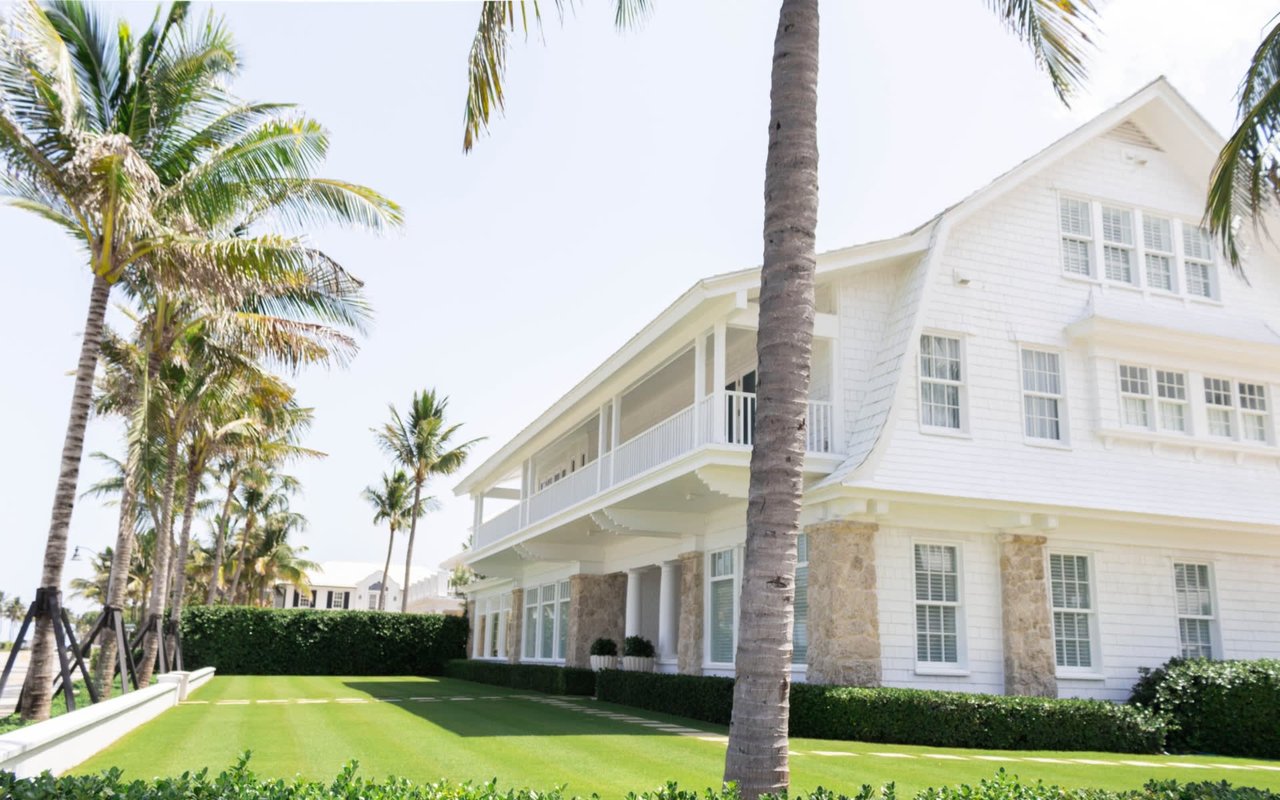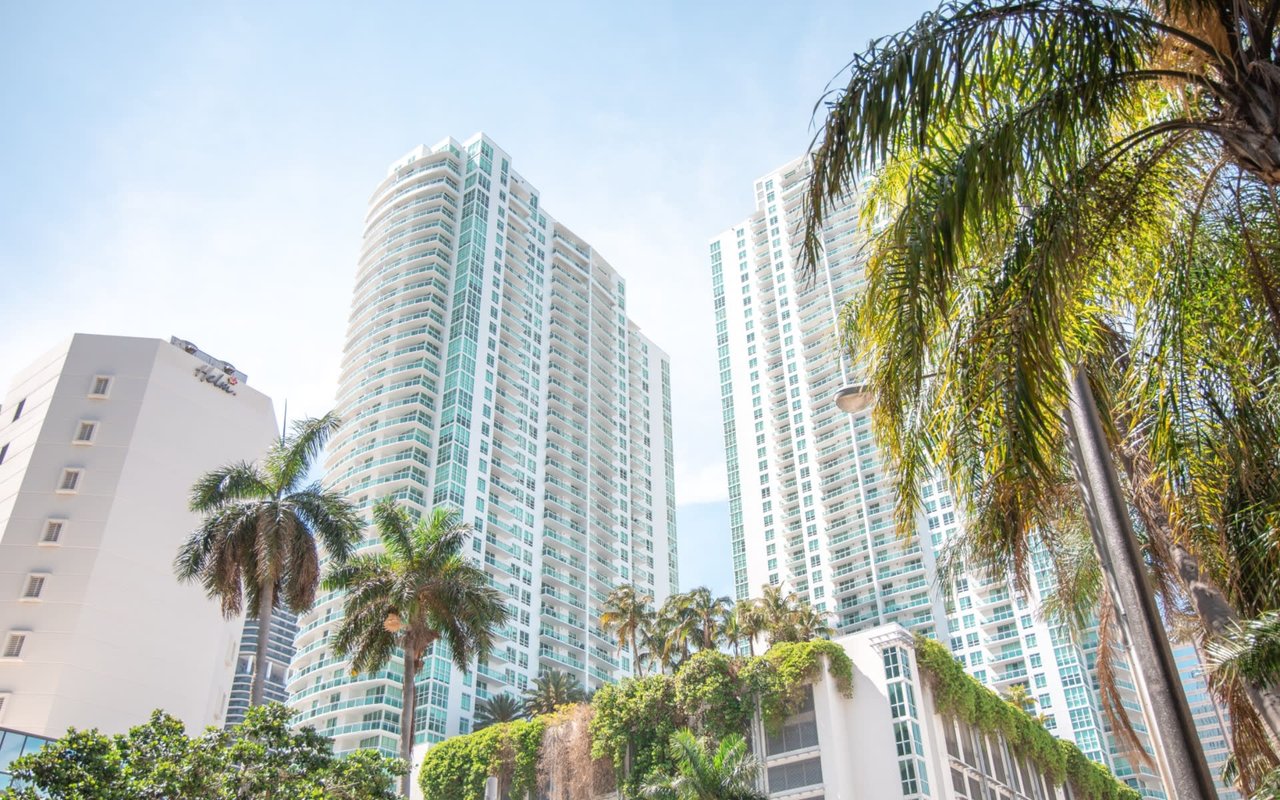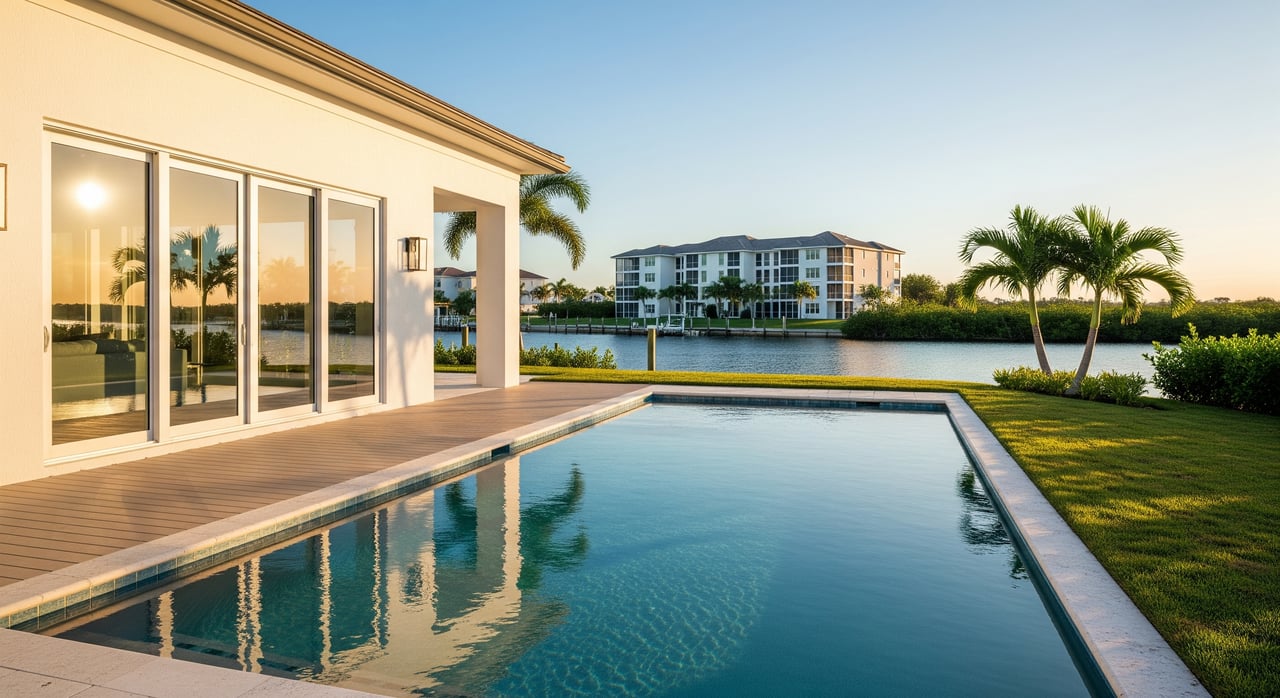
Condo or house in Estero? If you are comparing options, the real question is what it costs to own after closing. Between association dues, insurance, taxes, maintenance, and utilities, the totals can look very different. You want a clear, local way to weigh the tradeoffs so you feel confident in your choice. This guide breaks down each cost, shows you how to build an apples-to-apples worksheet, and flags Estero-specific risks to check. Let’s dive in.
Big differences at a glance
- Condos pool exterior costs into association dues. Single-family homes push most exterior costs to you as needed.
- Condo owners typically carry an HO-6 policy for the interior. Single-family owners carry a full homeowners policy and handle roof and exterior risk directly.
- Dues can include some utilities and amenities for condos. Single-family homes usually pay utilities à la carte.
- Condos may feel more predictable month to month. Houses can be less predictable, with larger one-time expenses like roofs or HVAC.
Cost categories to compare
HOA and condo dues
Condo dues usually cover exterior building care, common area landscaping, pools or fitness centers, management, exterior insurance for the association, and reserves. Single-family HOAs, if present, tend to focus on common areas and have lower dues.
What drives dues up or down:
- Age of the community and the reserve plan
- Amenities like pools, marinas, fitness, and security
- Whether utilities are included
- The association’s insurance costs and storm history
In Estero, waterfront or amenity-heavy communities often carry higher dues. Storm damage history can lead to special assessments. Always review the budget, reserve study, and meeting minutes to see what is covered and what may change.
Insurance in Southwest Florida
Condo owners typically need an HO-6 policy for interior finishes, personal property, and liability, while the association’s master policy handles the structure and common areas. The master policy’s scope matters. Confirm whether coverage is walls-in or only the structure and what that means for your interior.
Single-family owners need a full homeowners policy, and wind or hurricane coverage may have a separate deductible. In Florida, hurricane deductibles are often a percentage of the insured value, which can create large out-of-pocket costs after a named storm. Flood insurance is separate for both condos and houses and is based on FEMA flood maps.
- See state market context from the Florida Office of Insurance Regulation.
- Check flood zones through the FEMA Flood Map Service Center.
Premiums depend on replacement cost, roof age and condition, proximity to the coast, mitigation features, claims history, and deductible structure.
Property taxes and assessments
Property taxes work the same across condos and single-family homes, with value, exemptions, and millage rates driving the bill. Condos can have lower assessed values than comparable single-family homes, but location, lot, and amenities often outweigh property type.
- Look up assessed value and exemptions with the Lee County Property Appraiser.
- Review tax bills and payment details with the Lee County Tax Collector.
Florida’s homestead exemption and Save Our Homes portability rules may impact your future bills if you are moving within the state. Special district assessments vary by neighborhood.
Exterior and capital maintenance
Single-family homes require budgeting for roof replacement, exterior painting or siding, driveways and fencing, irrigation, tree and landscape care, pool equipment, and HVAC replacement. Costs are often lumpy and can be significant.
With condos, the association typically handles exterior and shared systems, which you pay through dues. Predictability depends on reserve adequacy and board decisions. If reserves are not sufficient, owners can face special assessments.
Utilities and operating costs
Plan for electricity, water, sewer, trash, internet or cable, and gas if present. In Florida, electricity is often the largest utility due to air conditioning. Larger houses use more cooling and irrigation water. Some condo communities bundle water, trash, or even certain services into dues.
- Check electricity rate info with Florida Power & Light.
- Review local water and sewer details with Lee County Utilities.
Confirm which utilities are included in condo dues and how they are billed.
Amenities and lifestyle costs
Pools, fitness centers, clubhouses, marinas, and security all influence dues or owner-paid expenses. Condos can reduce exterior upkeep time, which appeals to many downsizers. Single-family homes offer more privacy and flexibility but can add optional costs like pool service and landscaping upgrades.
Reserves and special assessments
Associations should maintain a current reserve study and adequate reserves for future repairs. Low reserves, recent storm claims, and amenity-heavy properties can increase the risk of special assessments. Always ask for the latest reserve study, budget, insurance declarations, and meeting minutes to understand the trajectory of dues and potential assessments.
A simple annual cost worksheet
Use this framework to compare total cost to own each property on an annual basis. Annualize every line item.
- Property taxes
- Pull the latest tax bill and note exemptions.
- Insurance costs
- Single-family: annual homeowners policy plus flood if required.
- Condo: HO-6 interior policy. Confirm what the master policy covers and how it affects your risk.
- HOA or condo dues
- Convert monthly or quarterly dues to an annual figure. Note what is included.
- Maintenance budget
- Single-family: start with 1 to 3 percent of home value per year depending on age and condition. Separate predictable items like lawn or pool service from capital reserves for roof and HVAC.
- Condo: budget for interior upkeep plus a reasonable allowance for assessments based on history and reserves.
- Utilities
- Add electricity, water, sewer, trash, and internet or cable. Use recent bills or provider averages.
- Other costs
- Parking, marina slips, storage lockers, pest control if not included in dues.
Total annual cost = sum of items 1 through 6.
How to annualize big-ticket items
Convert one-time costs into an annual equivalent so you can compare fairly.
- Roof example: $20,000 roof with 20 years of life equals $1,000 per year. If the roof is older, use a shorter remaining life to be conservative.
- Special assessment example: a $9,000 assessment can be shown in full for the year it is due or spread over 3 to 10 years to see the annual burden.
Run sensitivity tests. Model a 20 to 50 percent jump in insurance or a large assessment to see how your budget holds up.
What to collect for each property
For condos
- Current HOA or condo dues, billing frequency, and what they include
- Latest reserve study and current reserve balance
- Master insurance policy type, hurricane deductible amounts, and premium trends
- Any pending or recent special assessments or litigation
- History of dues increases and assessment frequency
- Unit boundaries in condo docs and square footage
- Parking, storage, and amenity fees, including marina slips if applicable
For single-family homes
- 12 months of utility bills
- Age and condition of roof, HVAC, water heater, and pool equipment
- Landscaping and pool service quotes
- Any HOA fees and coverage details
- Evidence of recent major repairs and estimated remaining life of systems
For both
- Latest property tax bill and homestead exemption status
- Flood zone from FEMA maps, any past flood claims, and flood insurance requirements
- Insurance claims history if available
- Commute and distance to essential services to estimate fuel costs
Estero-specific factors to weigh
Hurricane and flood exposure
Estero sits in a coastal Southwest Florida corridor where wind, storm surge, and heavy rainfall can affect insurance, repairs, and resiliency planning. Flood insurance may be required based on FEMA mapping and lender rules. Verify elevation, mitigation features, and deductible structures.
Age and amenities of communities
Older developments or amenity-rich communities may face higher reserve needs and insurance costs. Review reserve studies closely and confirm any planned capital projects.
After-storm contractor market
Following regional storms, labor and material costs can spike. This affects both associations and single-family owners and should be considered in reserve planning and personal maintenance budgets.
Red flags to watch
- Low reserve balances or no recent reserve study
- Frequent or large special assessments in the last 3 to 5 years
- Pending litigation disclosed in association documents
- Master insurance with large hurricane deductibles or interior coverage gaps
- Older roofs or deferred exterior maintenance without documented repairs
Make your choice with confidence
There is no one-size-fits-all answer. If you want predictable dues that wrap many exterior costs into a single payment, a condo can be appealing. If you prefer control and are comfortable planning for larger, less frequent expenses, a single-family home may fit better. Use the annual worksheet, verify insurance and flood exposure, and read association documents closely so your decision reflects true total cost.
If you would like help sourcing accurate local numbers, reviewing association documents, or building a side-by-side for specific properties in Estero, we are here to help. Connect with Haven Group FL for a private, concierge-style consultation.
FAQs
What does a condo HOA usually cover in Estero?
- Typically exterior building maintenance, common areas, association insurance, management, reserves, and amenities; always confirm inclusions in the current budget and bylaws.
How do condo and owner insurance policies interact?
- The association’s master policy covers the structure and common areas, while you carry an HO-6 for interiors and liability; verify master policy scope and deductibles before binding.
How much should I budget for single-family maintenance?
- A common starting point is 1 to 3 percent of home value per year, adjusted for age, condition, and features like pools and large yards.
Will I need flood insurance in Estero?
- It depends on FEMA flood zone and lender rules; check your address with the FEMA Flood Map Service Center and get a flood quote.
How big can hurricane deductibles be in Florida?
- Many policies use a percentage deductible for named storms, often ranging from 1 to 10 percent of the insured value; confirm your exact deductible before purchase.
Where can I verify property taxes for a specific home?
- Use the Lee County Property Appraiser for assessed values and exemptions and the Lee County Tax Collector for bills and payment details.
Which utilities should I compare for an Estero home?
- Electricity, water, sewer, trash, and internet or cable; start with Florida Power & Light and Lee County Utilities for local guidance and rates.