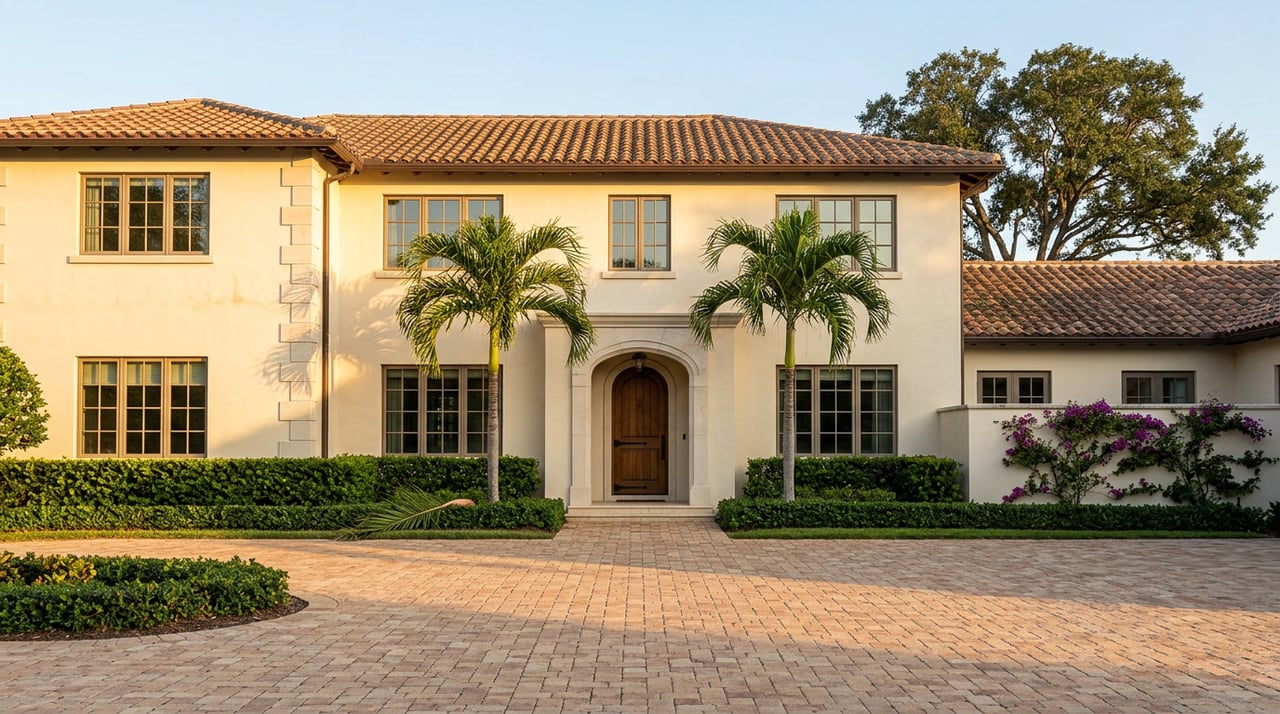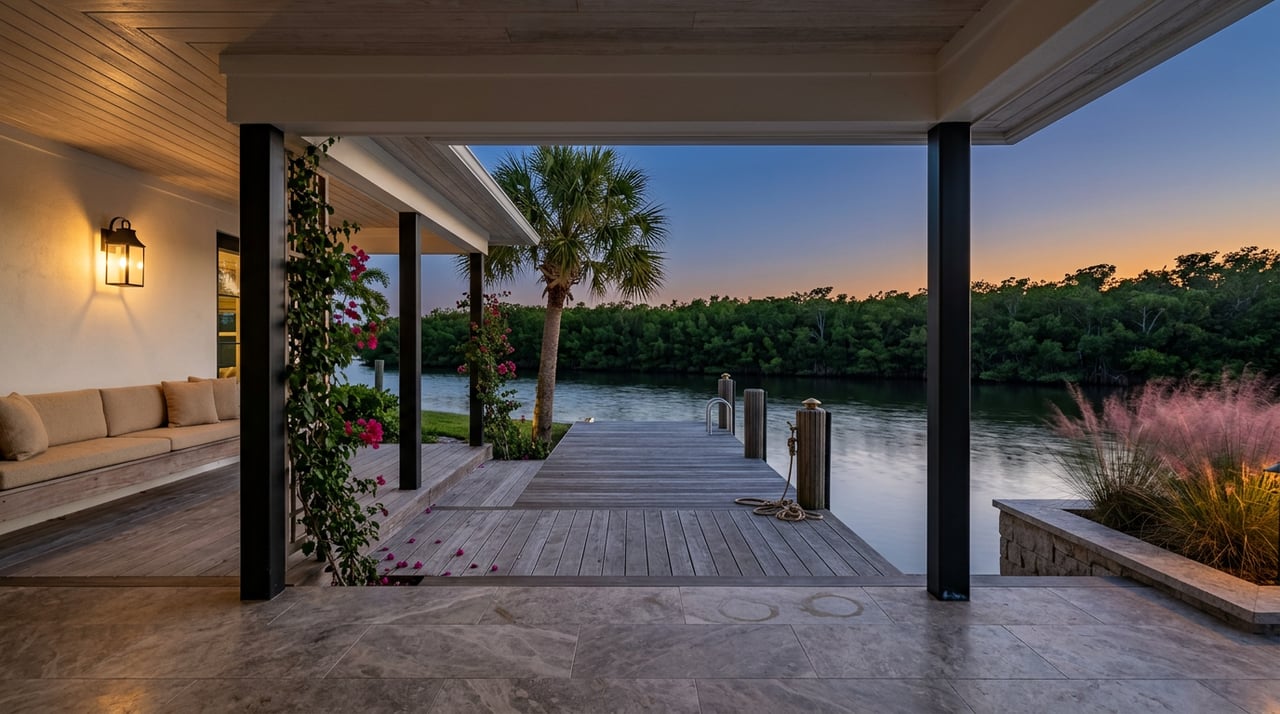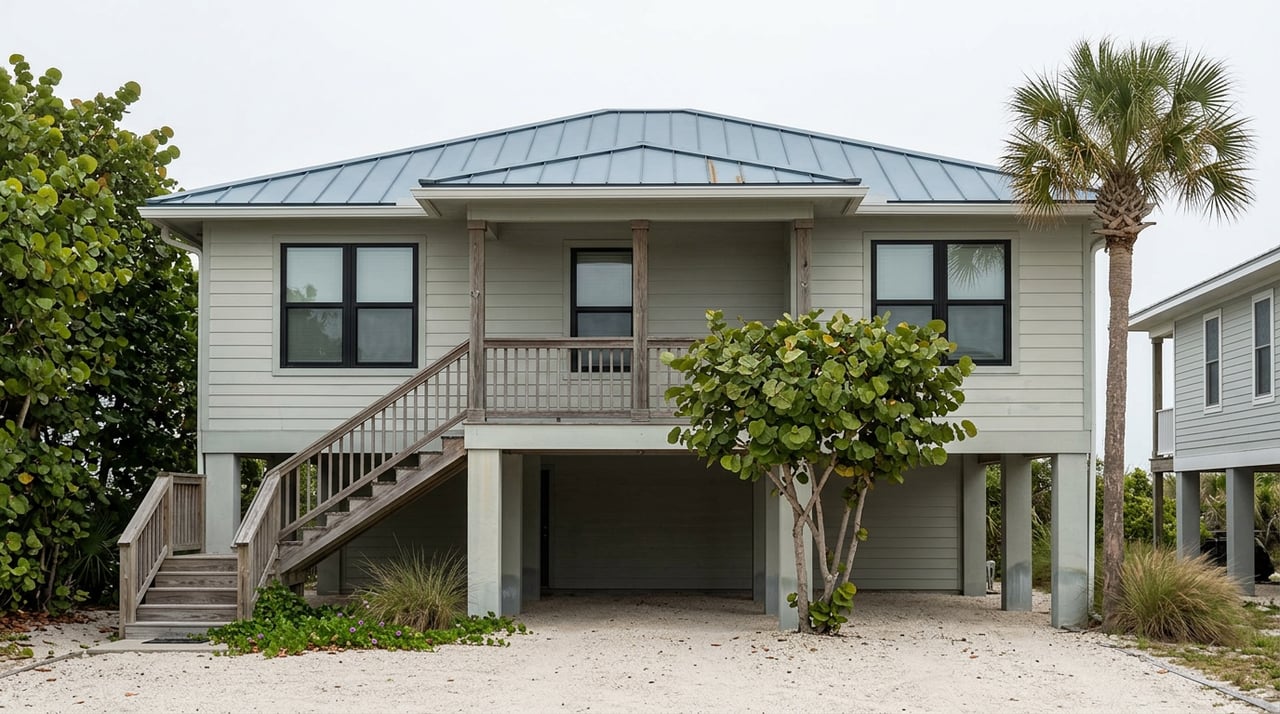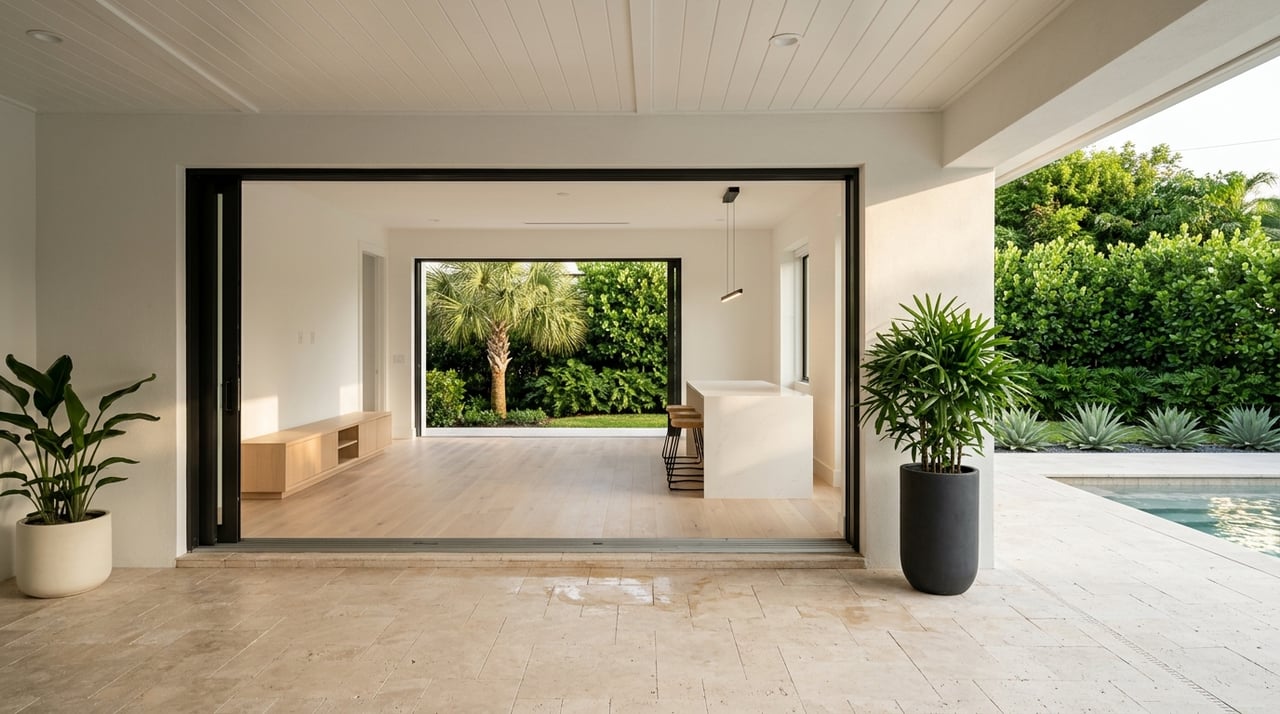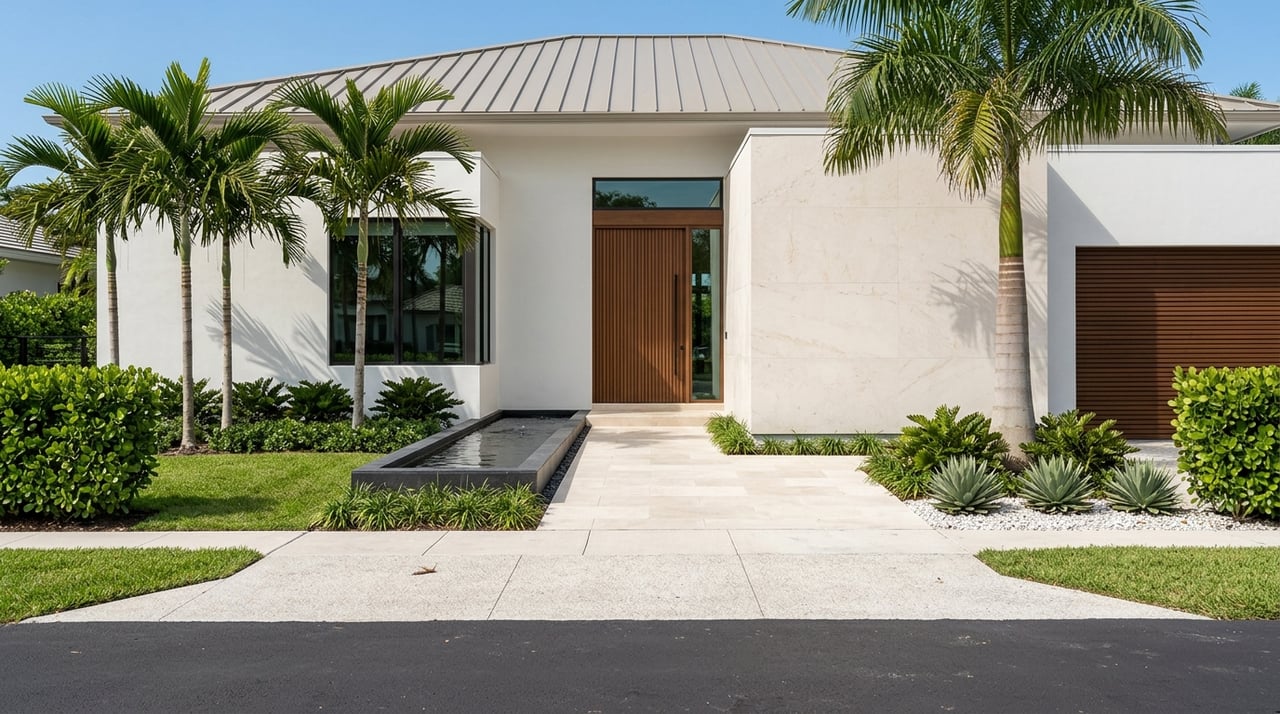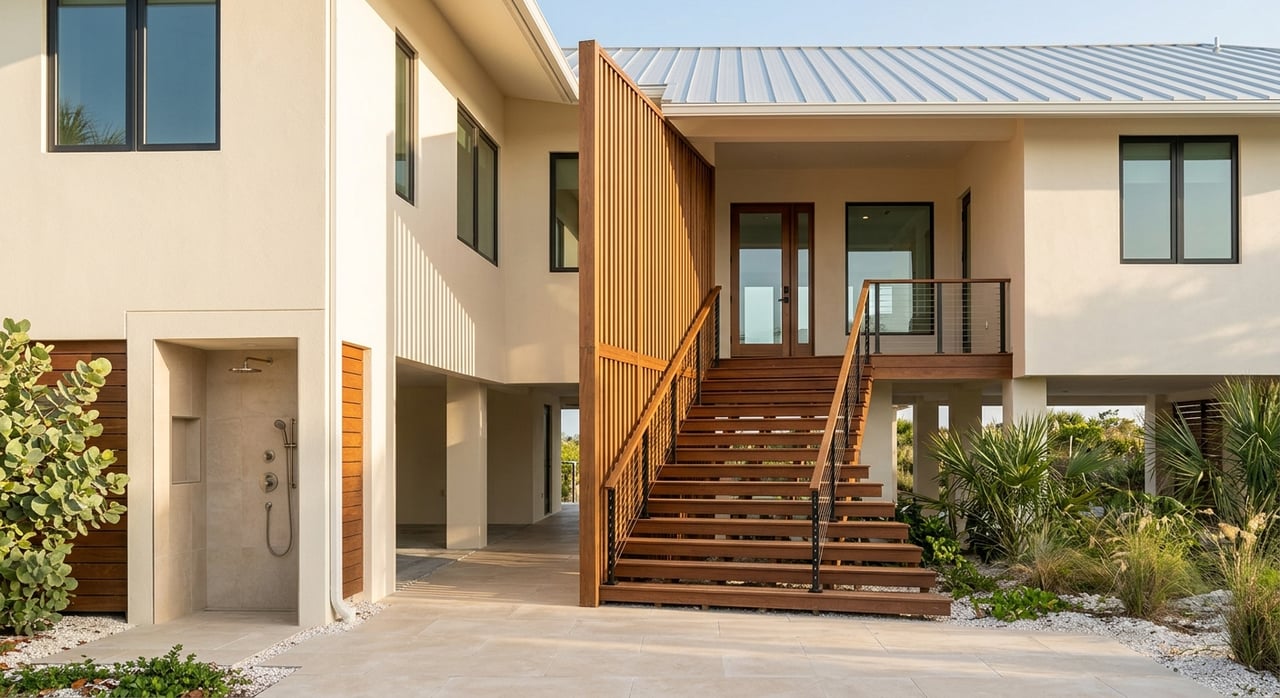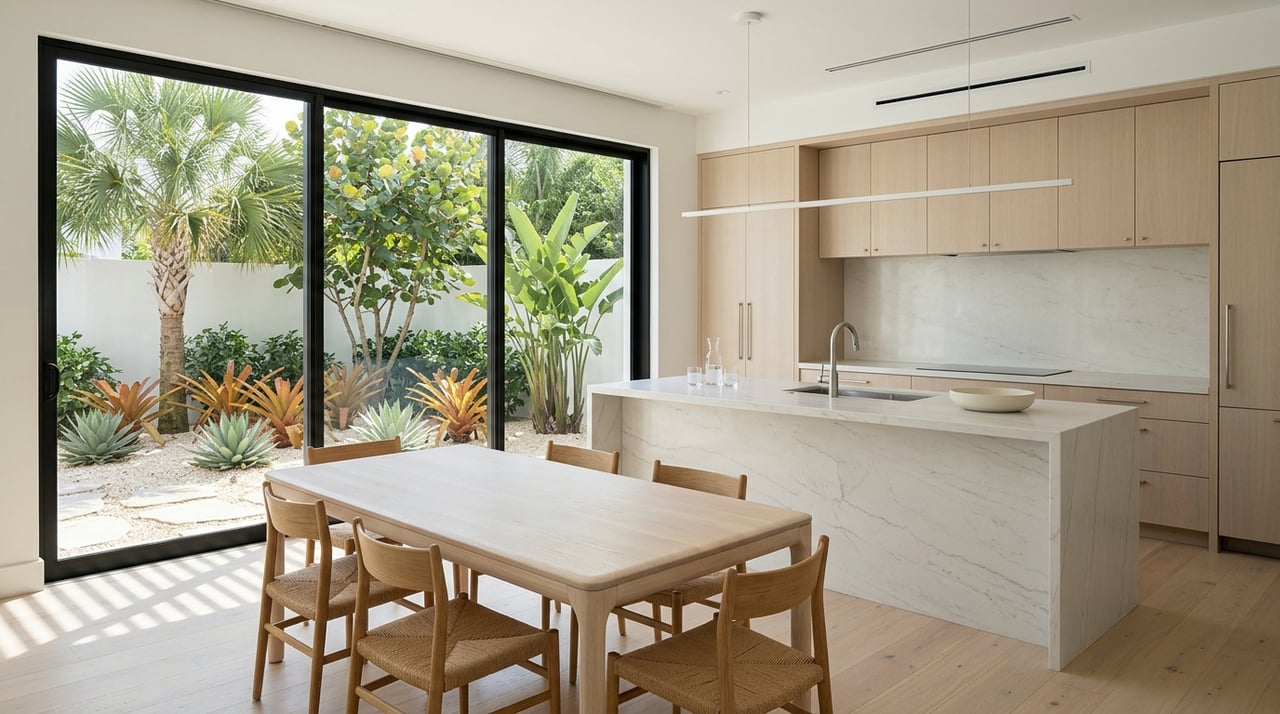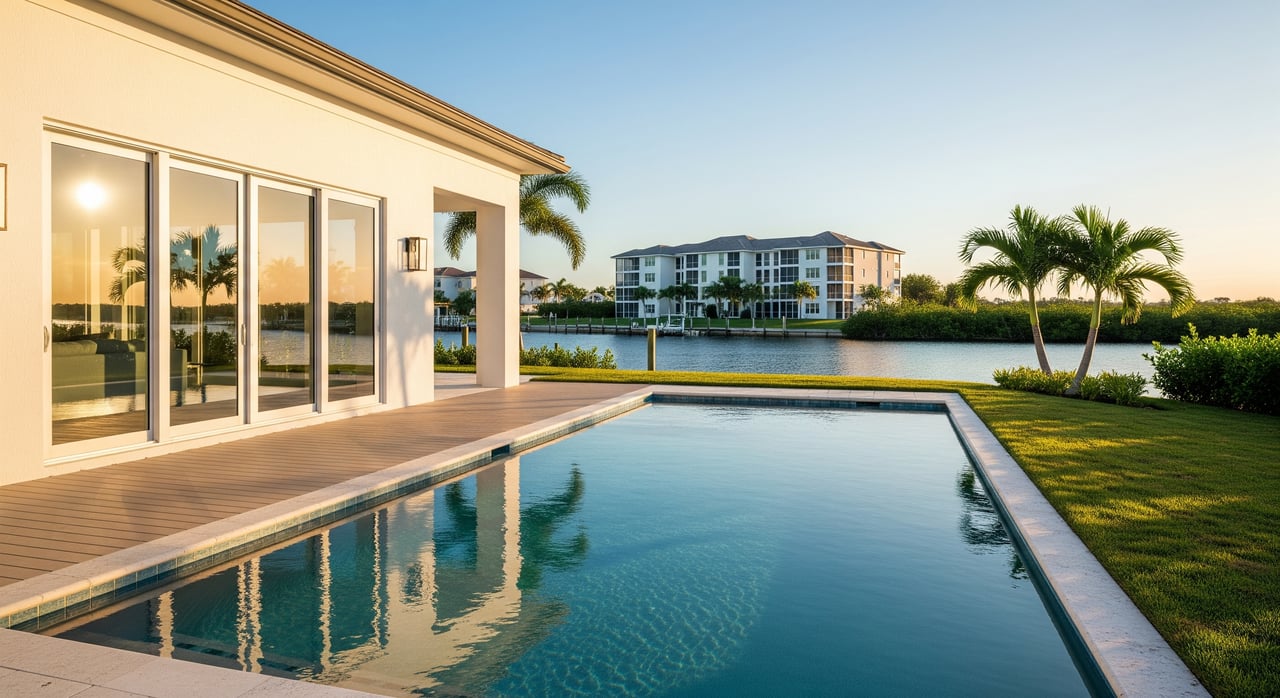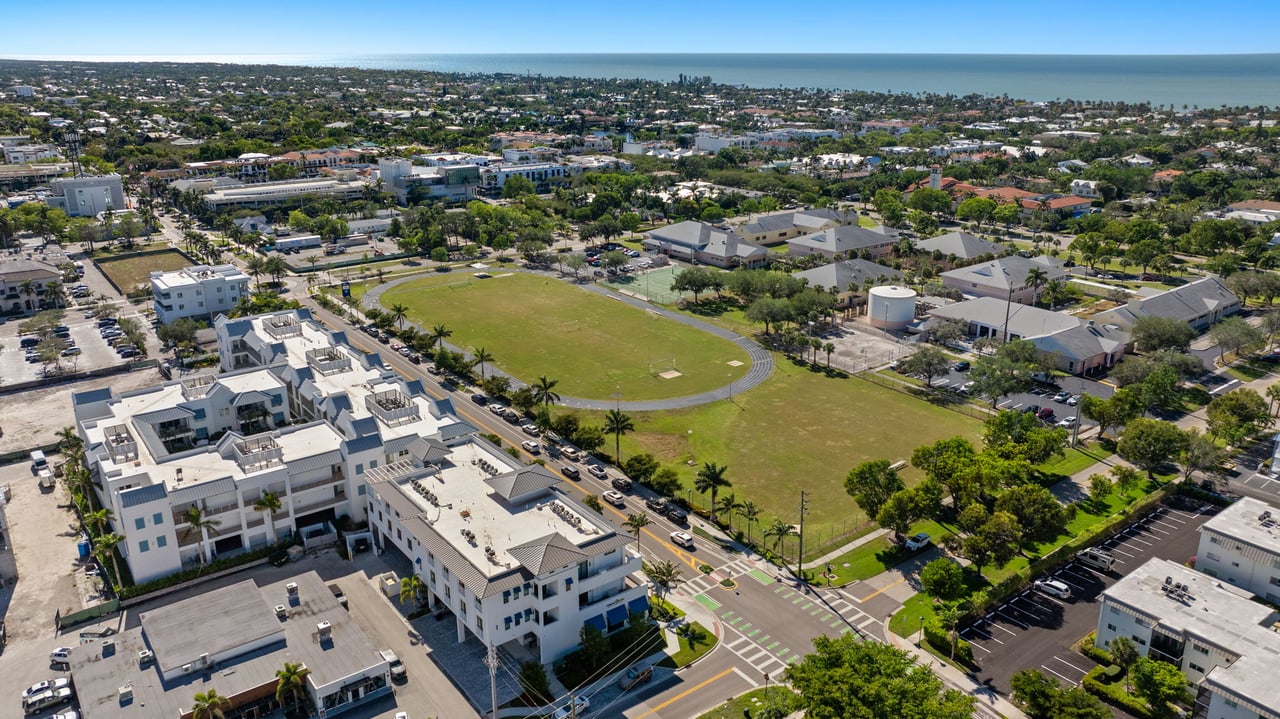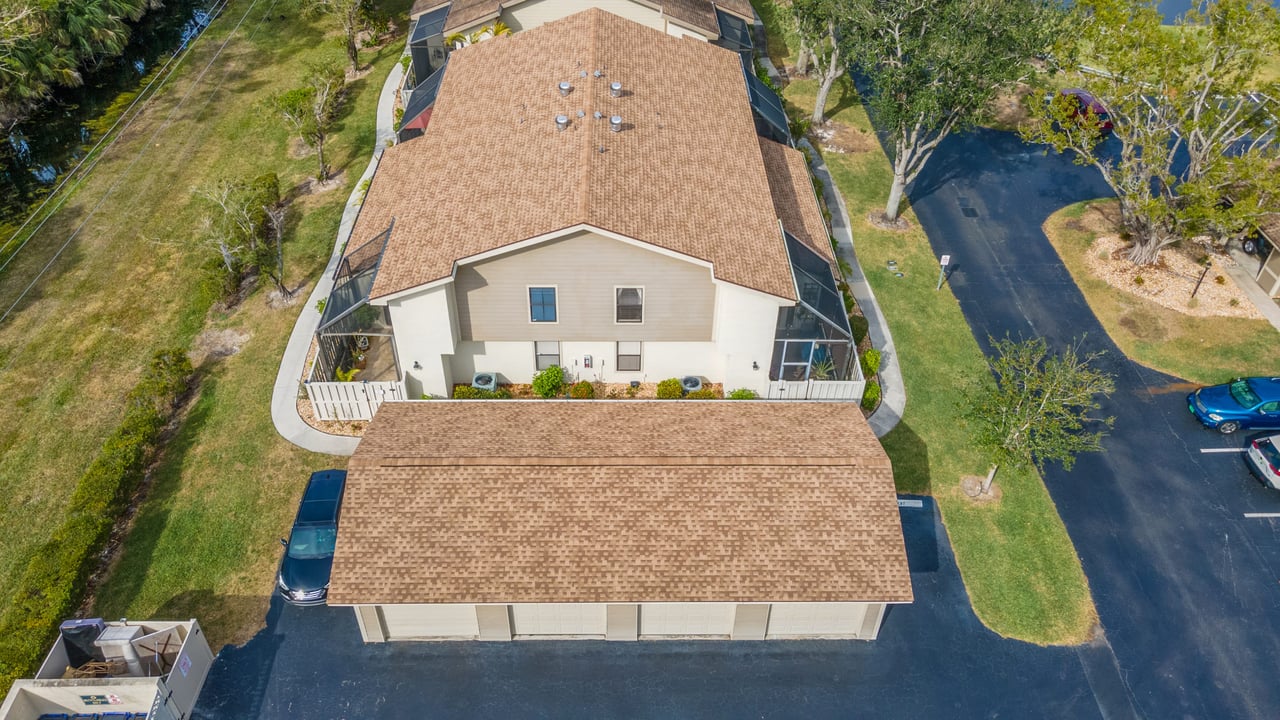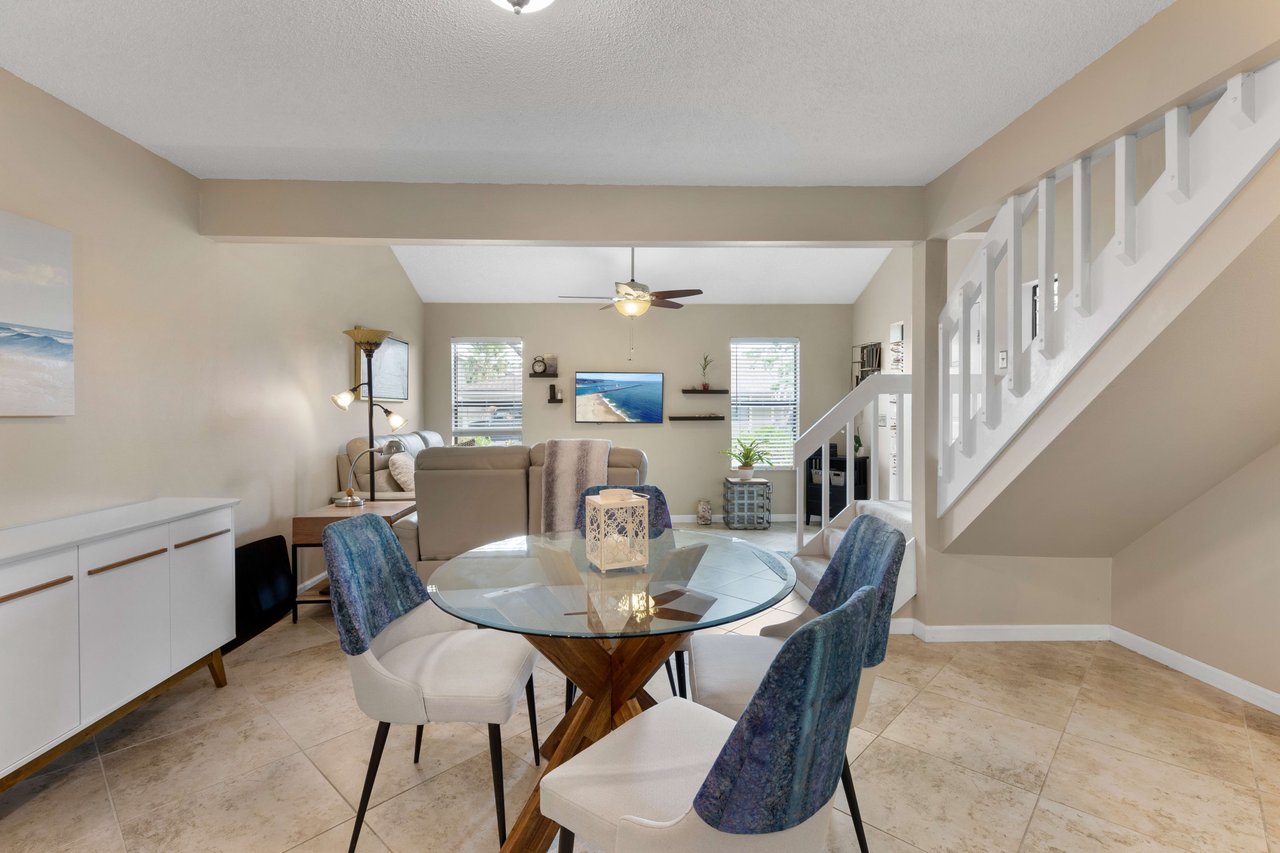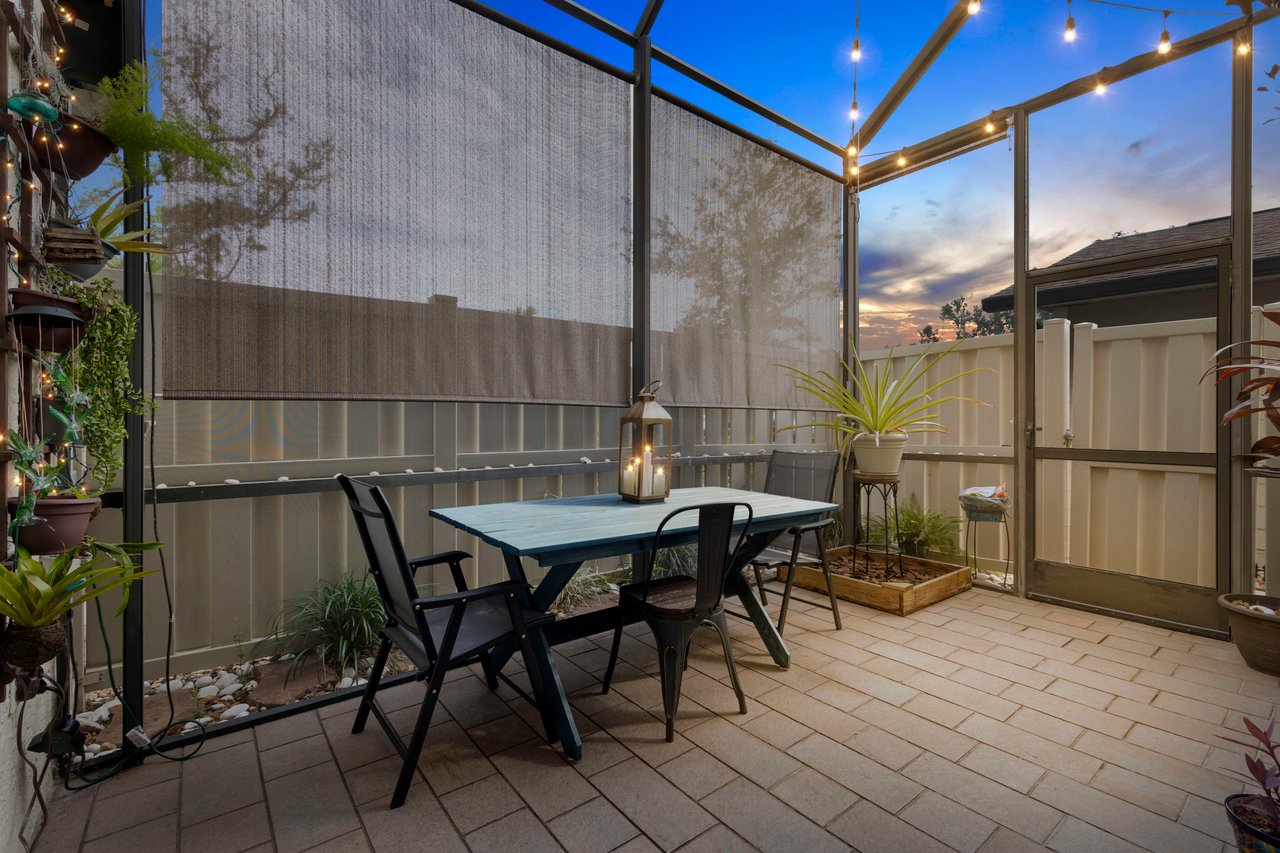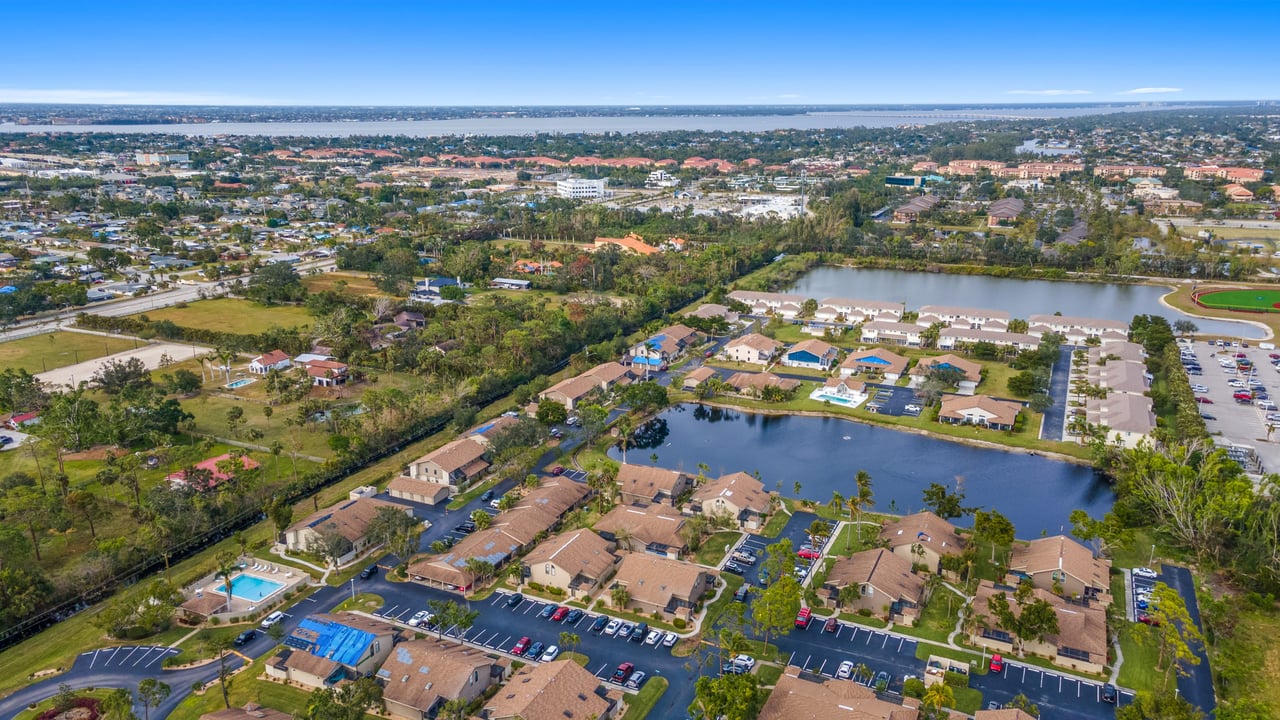
Why would two homes on the same stretch of Estero Boulevard, listed within $50,000 of each other, carry monthly insurance bills that differ by hundreds of dollars? The list price never tells you. The county's flood map barely tells you. The answer sits in a set of documents most buyers don't ask for until the underwriter forces the question: the elevation certificate, the year the concrete was poured, and whether the seller's policy was written before or after April.
That last date matters more than it should for how little attention it's getting. Fort Myers Beach spent the back half of 2025 climbing out of National Flood Insurance Program probation, and by December the town had a new Community Rating System Class 5 designation from FEMA. Most properties insured through the NFIP became eligible for a 25 percent discount on flood premiums for policies issued or renewed on or after April 1, 2026. That date has already passed. Six months in, plenty of resale listings and buyer conversations still price the island as if that discount doesn't exist.
Two homes, one price, two different bills
Ask three sources what a home on Fort Myers Beach sold for this year and you'll get three different numbers. Over the three months ending August 2026, the median sale price came in at $505,000, down 17 percent from the same period a year earlier, with homes averaging 140 days on market compared to 114 the year before. Other trackers put the mid-2026 figure anywhere from the high $400s to the high $500s depending on how they slice condos against single-family sales and how recent their window is.
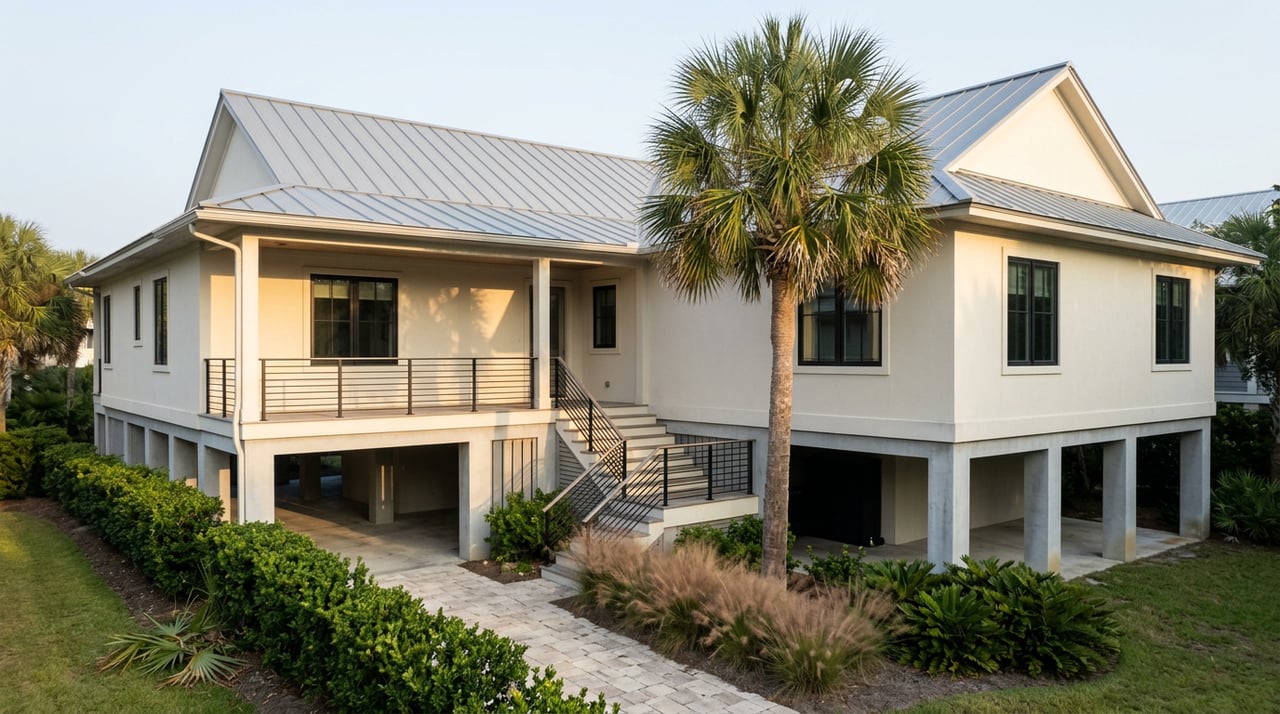
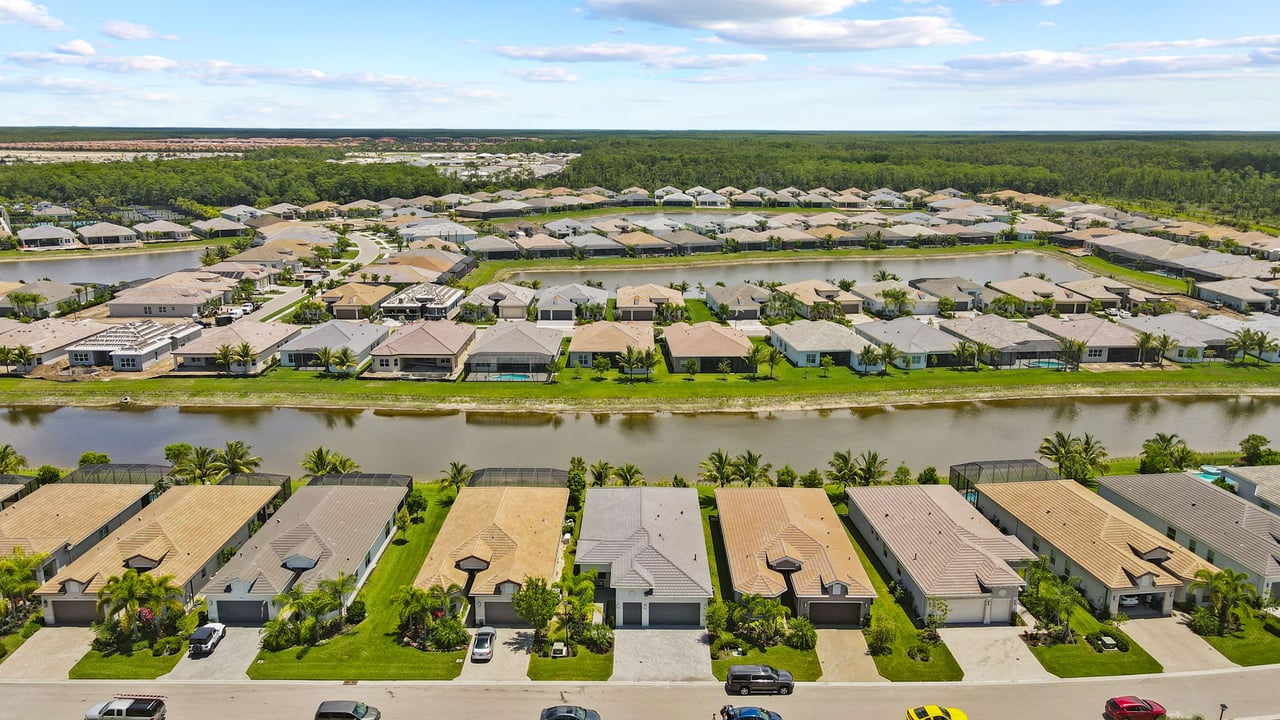
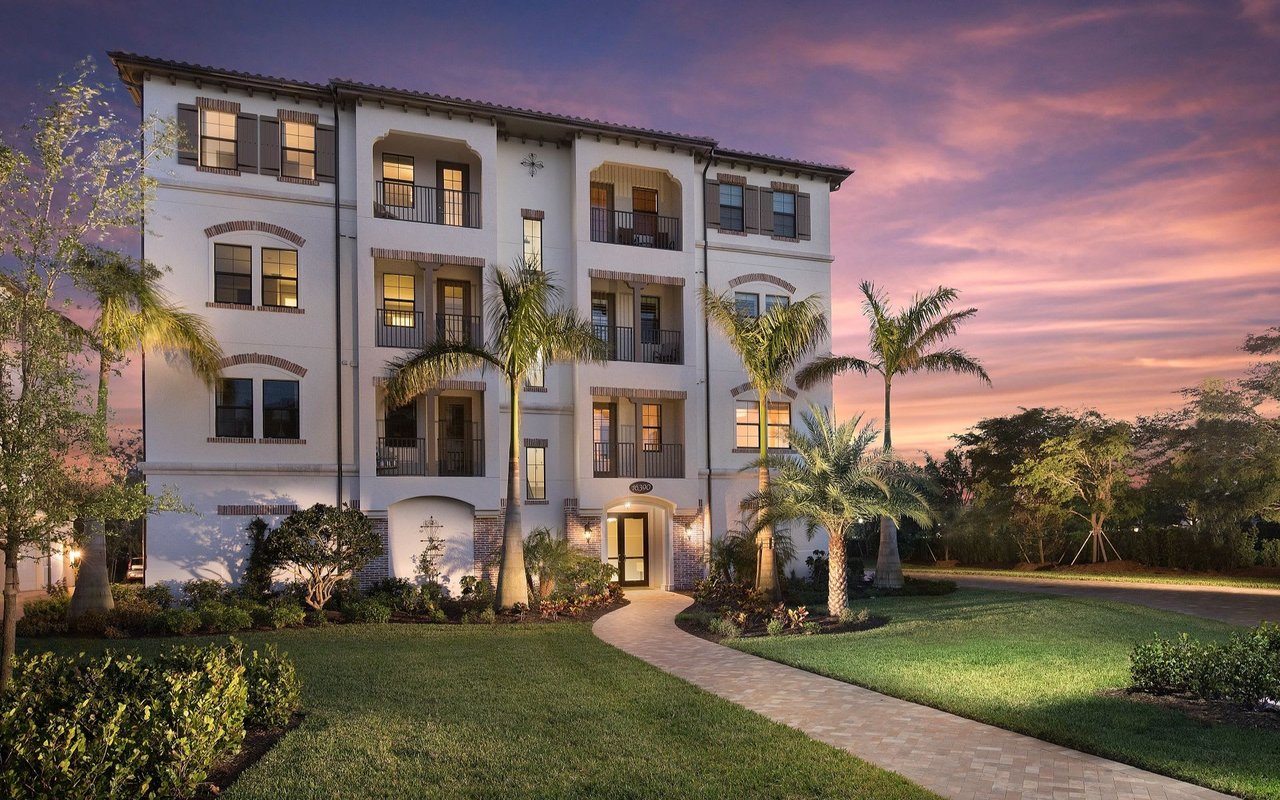
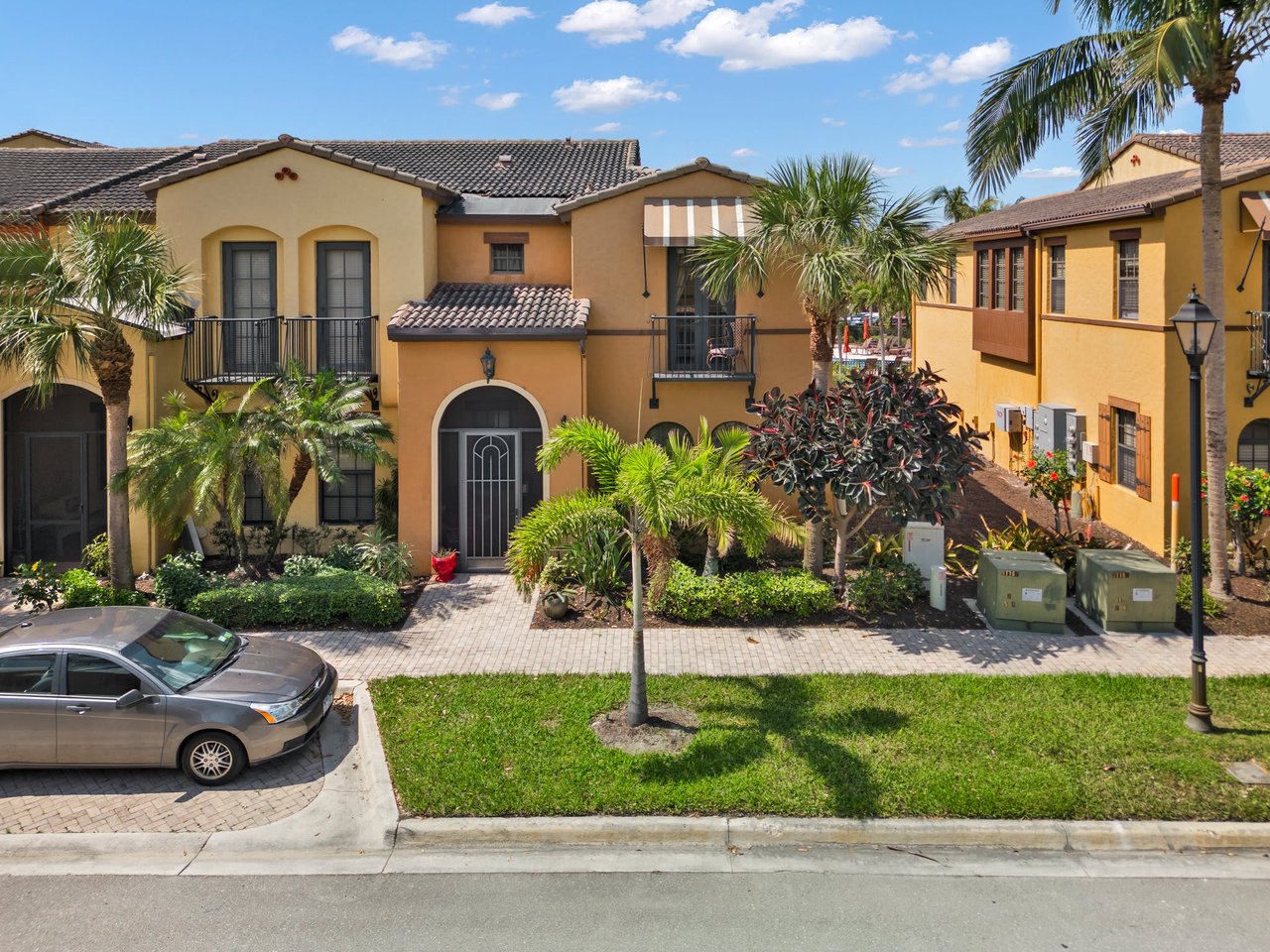
That spread isn't noise. It's a market splitting into two populations that a single median can't describe. One population is legacy construction: pre-Ian stock, older elevation, wood-frame in places, carrying insurance costs that reflect what the building is rather than what the island has become. The other is new construction built to current code, often all-concrete, sitting higher off the ground, and now eligible for a discount that didn't exist a year ago. A single "median home price" flattens both into one number. A buyer comparing two actual houses needs to know which population each one belongs to.
What Class 5 actually buys you
The Community Rating System is a voluntary FEMA program that rewards towns for floodplain management that goes beyond the federal minimum, drainage upgrades, building compliance, public outreach on flood risk. Points earned translate directly into premium discounts for anyone insured through the NFIP in that town. Fort Myers Beach's jump to Class 5 came a month after the town's probation was lifted, and town manager Will McKannay, as reported by WGCU, called the timing a validation of the recovery itself, describing it as proof the town has "turned a corner."
The discount applies at renewal or new policy issuance, not retroactively. A buyer closing on a resale this fall should confirm whether the current policy has already been rewritten under the new rating or whether that saving is still sitting on the table, unclaimed, because nobody asked.
The foot that doubles your premium
Underneath the town-wide rating sits a second layer of math that operates on individual lots, not zip codes. The Town of Fort Myers Beach's own guidance on elevation certificates is blunt about it: for every foot a structure sits above the required Base Flood Elevation, expect roughly a 50 percent drop in the annual flood premium. Go a foot below that elevation instead, and the rate roughly doubles.
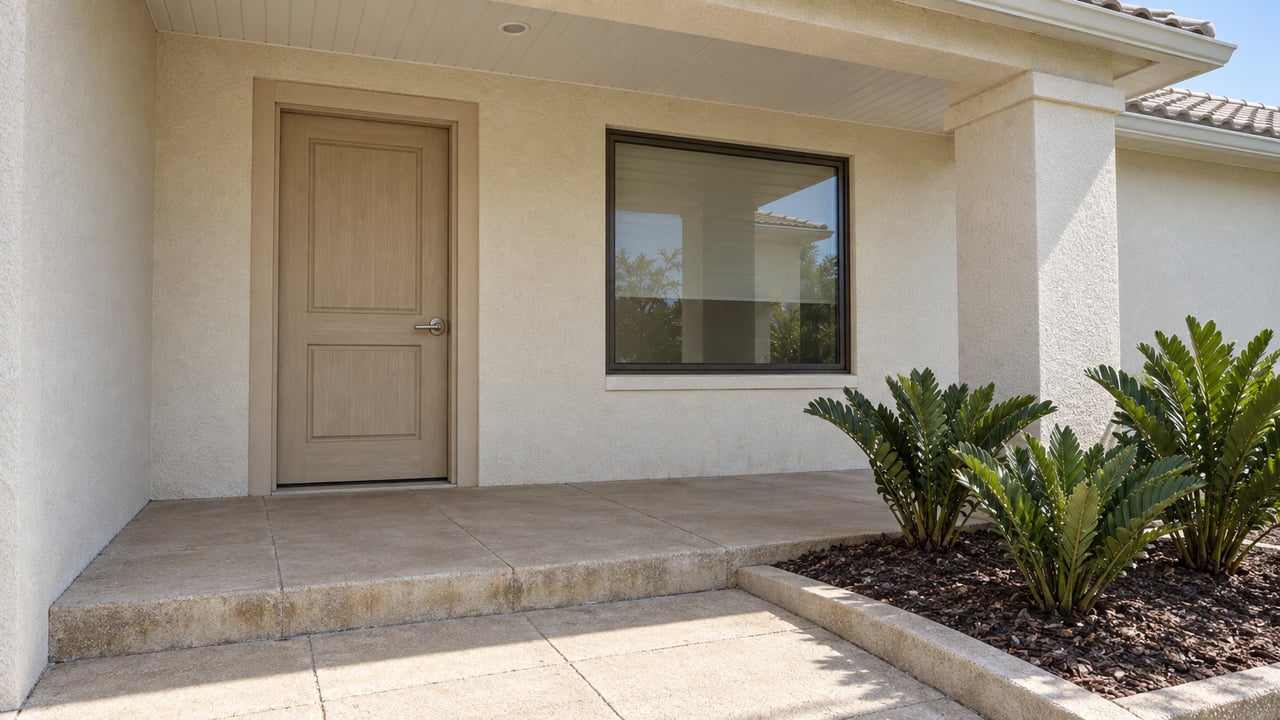
This is why a 1970s cottage on a slab and a 2024 build on the same block, both facing the same flood zone designation on a map, can produce wildly different insurance quotes. The map zone sets the category. The elevation certificate sets the actual number. A seller who can't produce a current certificate isn't hiding something sinister, but a buyer who doesn't ask for one is negotiating blind.
Why the new construction looks different
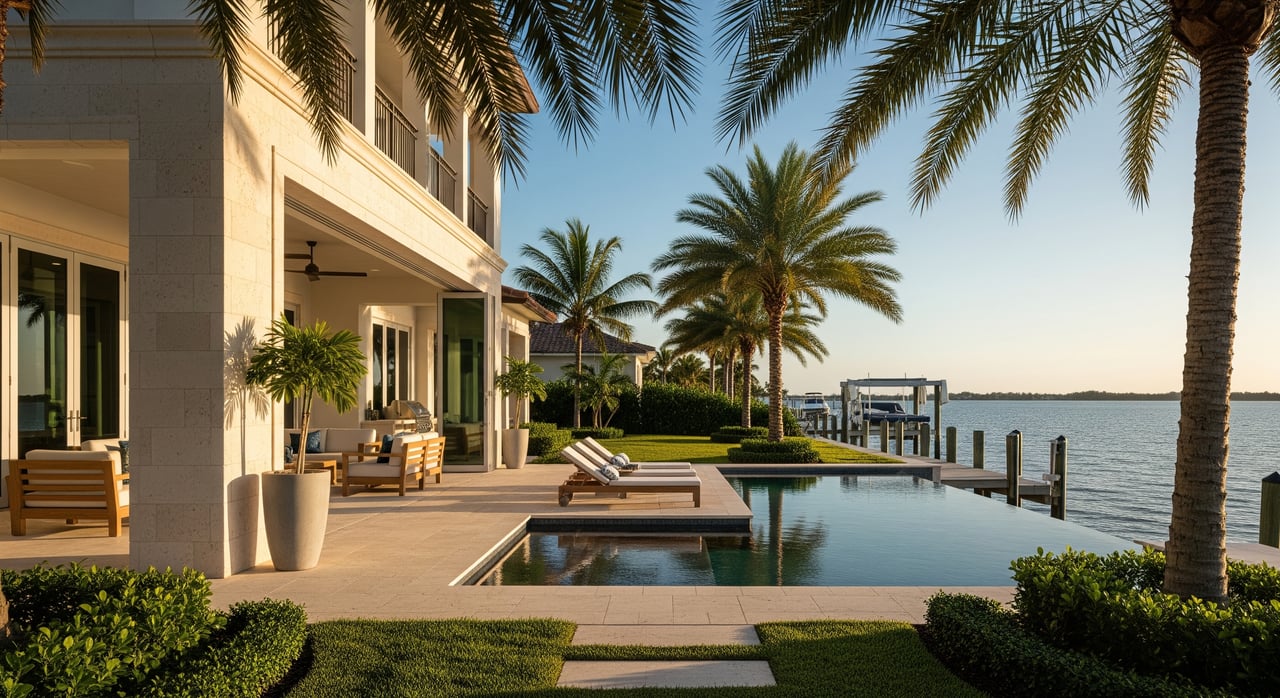
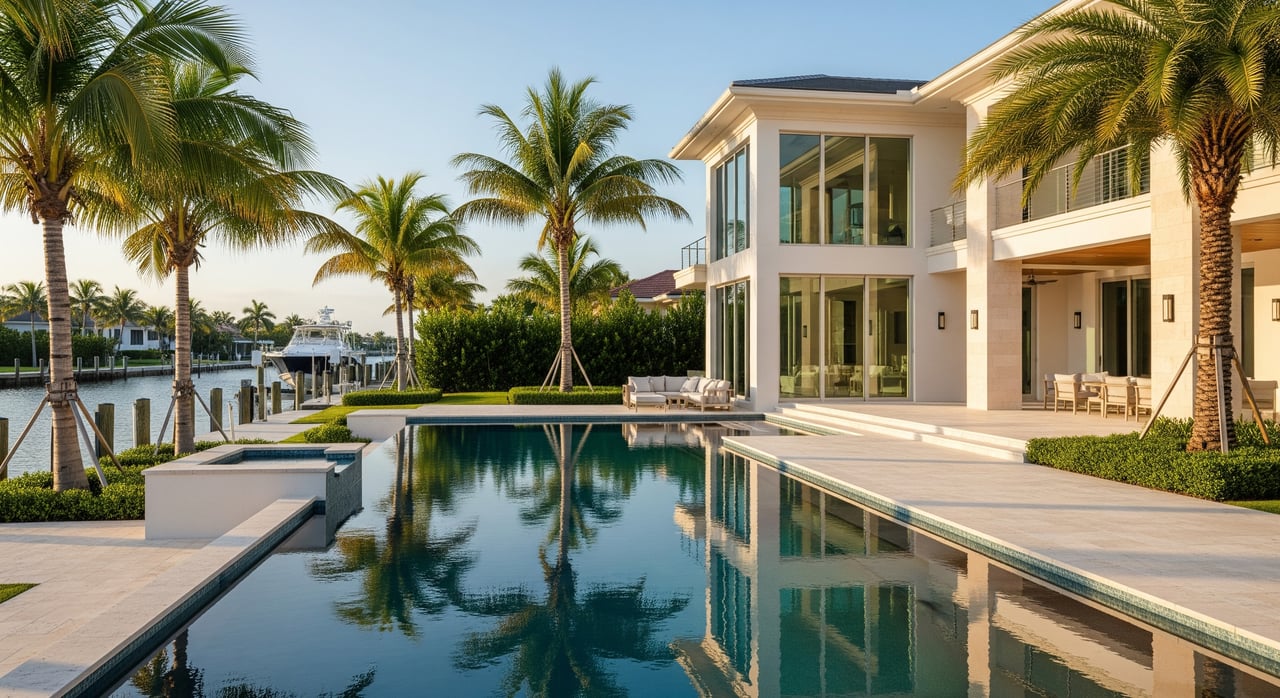
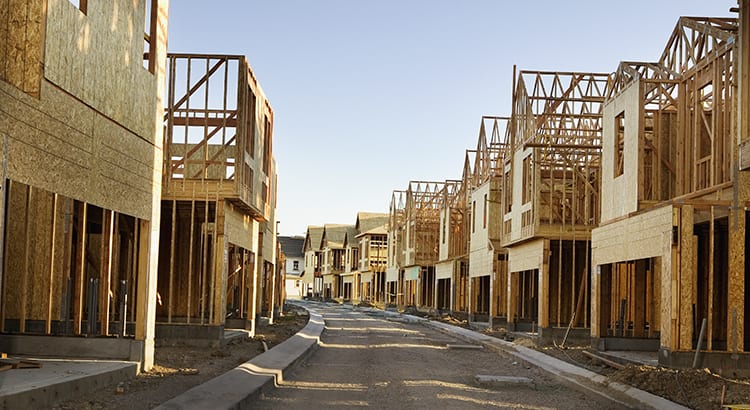
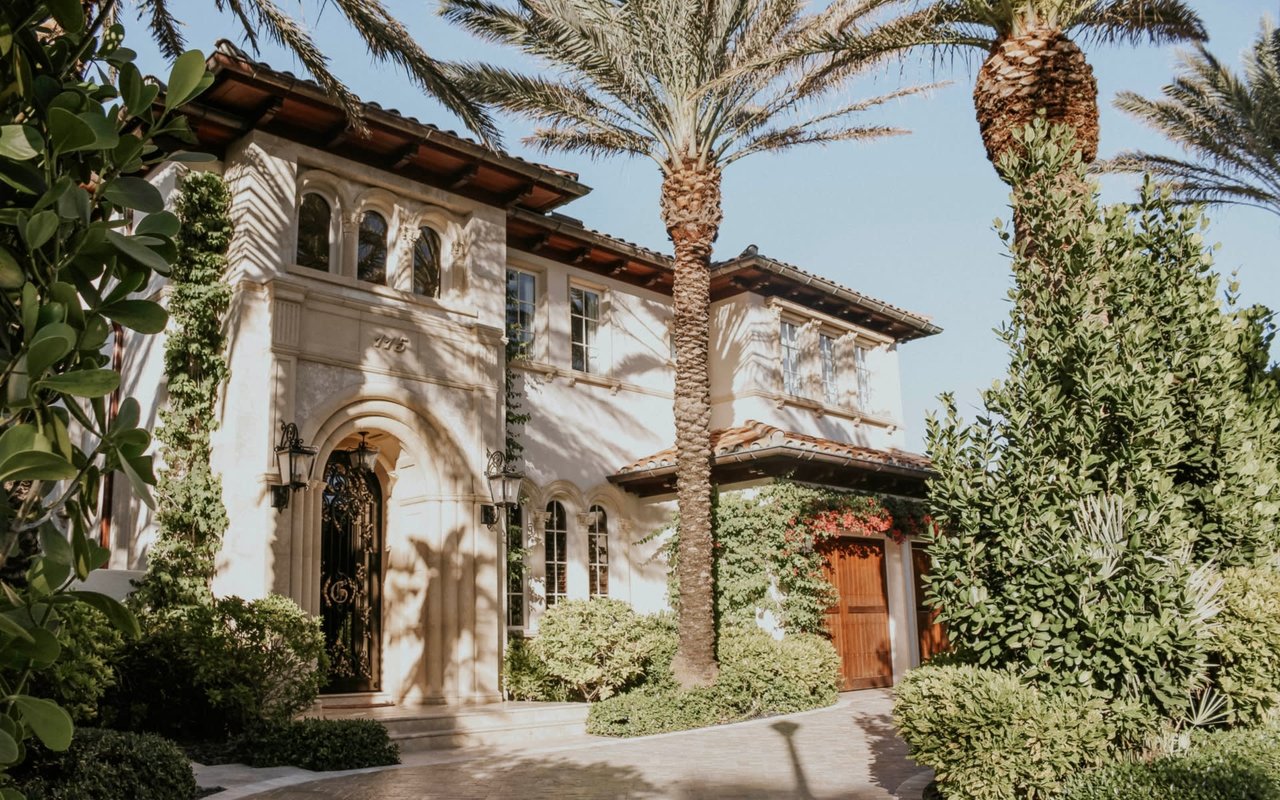
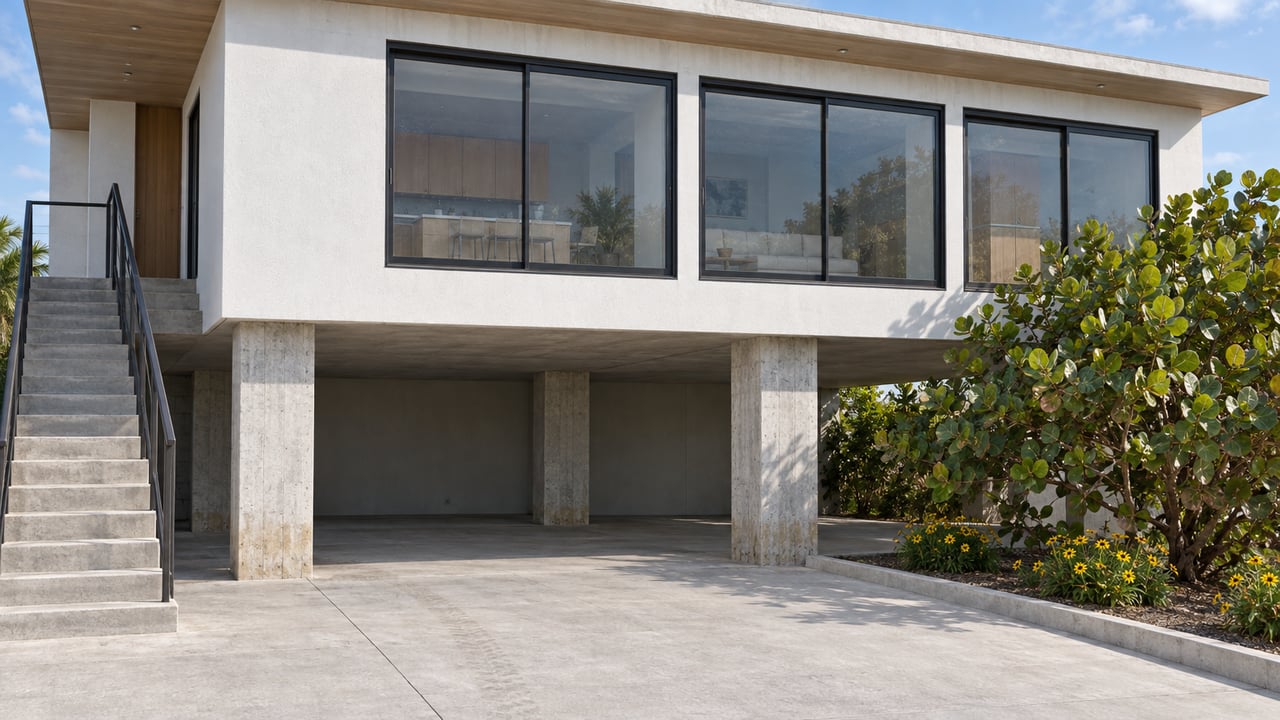
Walk the 700 block of Estero Boulevard on the island's north Gulf side and you'll see six new homes going up where a cluster of ten cottages stood before Hurricane Ian, two of them modular. At 718 Estero Boulevard, Royal Corinthian Homes is building a house where even the interior framing runs through concrete columns, a choice the project's construction superintendent, David Hendrix, put simply: because wind won't push it over and water won't push it over.
As of February 2026, two vacant lots in that former cluster were listed for $1.075 million at 716 Estero Boulevard and $999,000 at 700 Estero Boulevard. Local reporting that month described demand for new-construction lots arriving from the East Coast of Florida, including Fort Lauderdale, Miami Beach, and Boca Raton, and increasingly from New Jersey and New York. That demand centers on building new to current code rather than buying what is already standing.
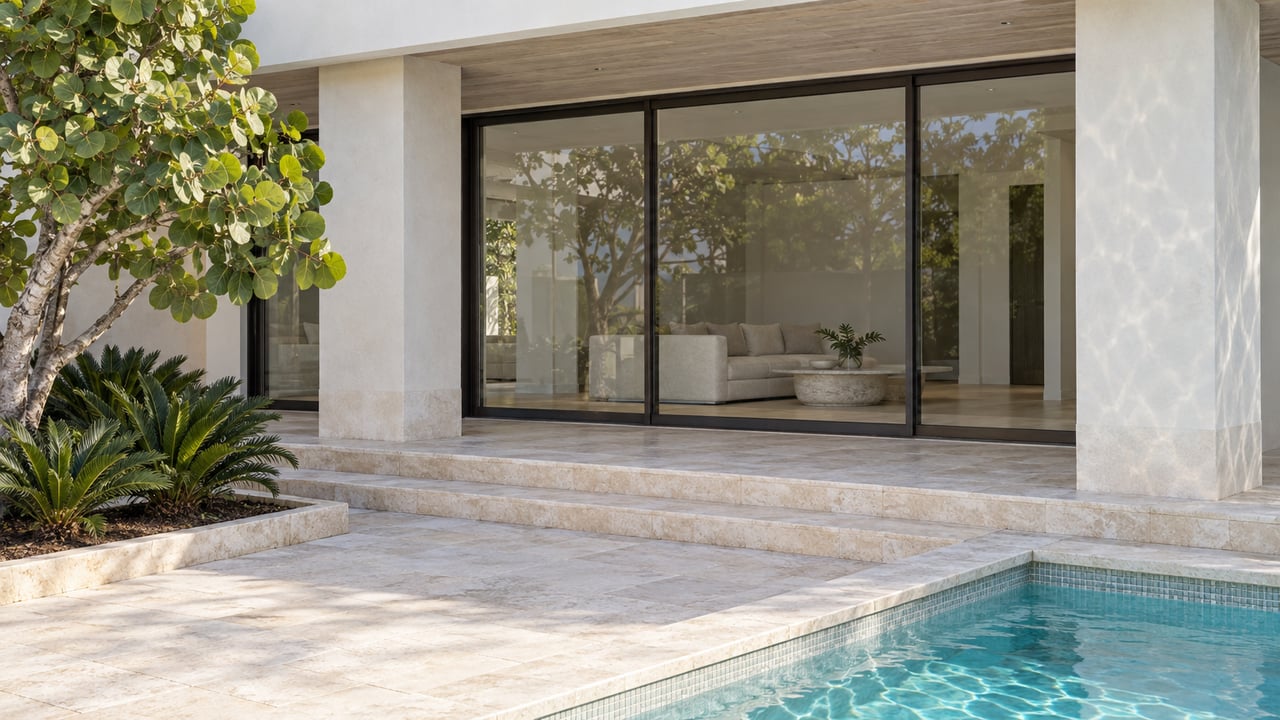
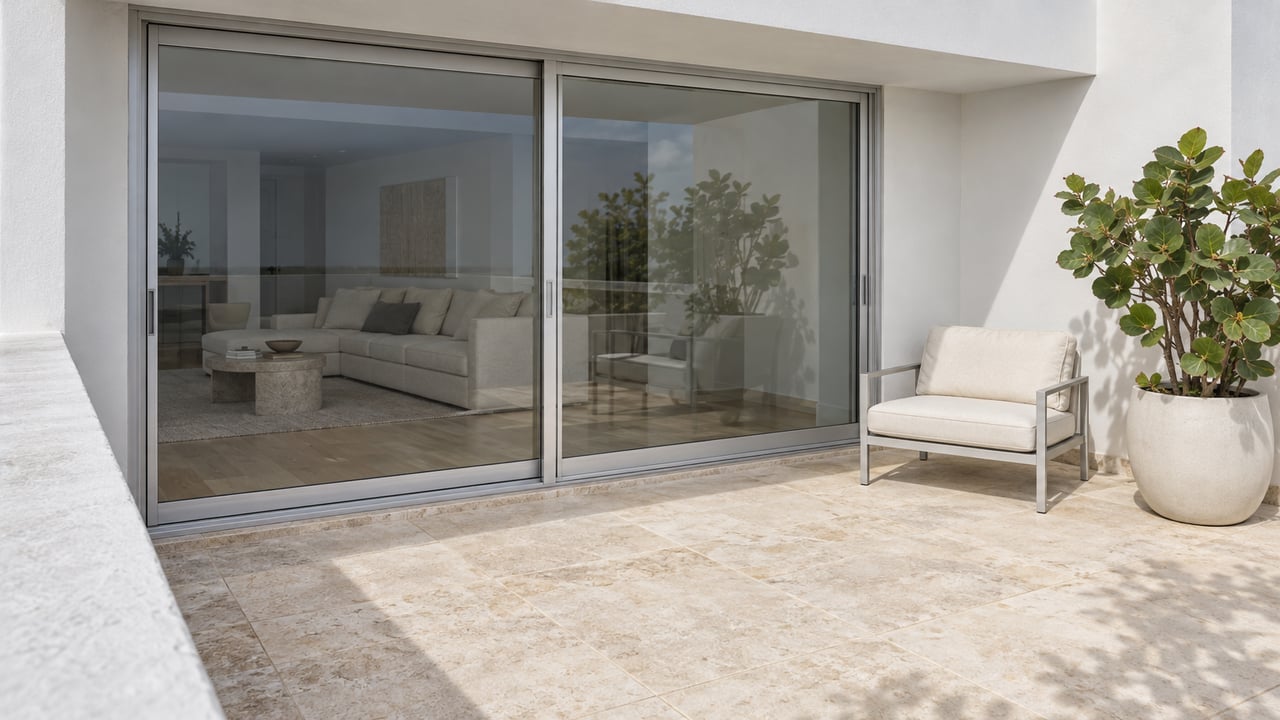
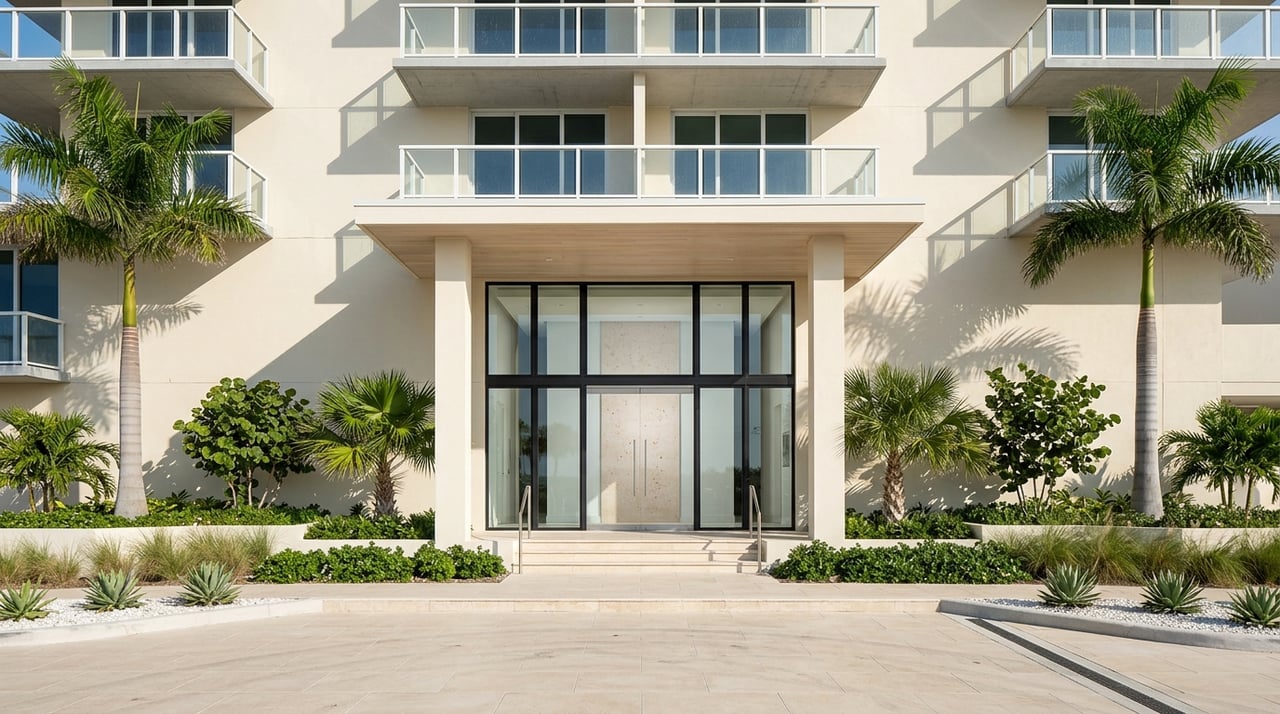
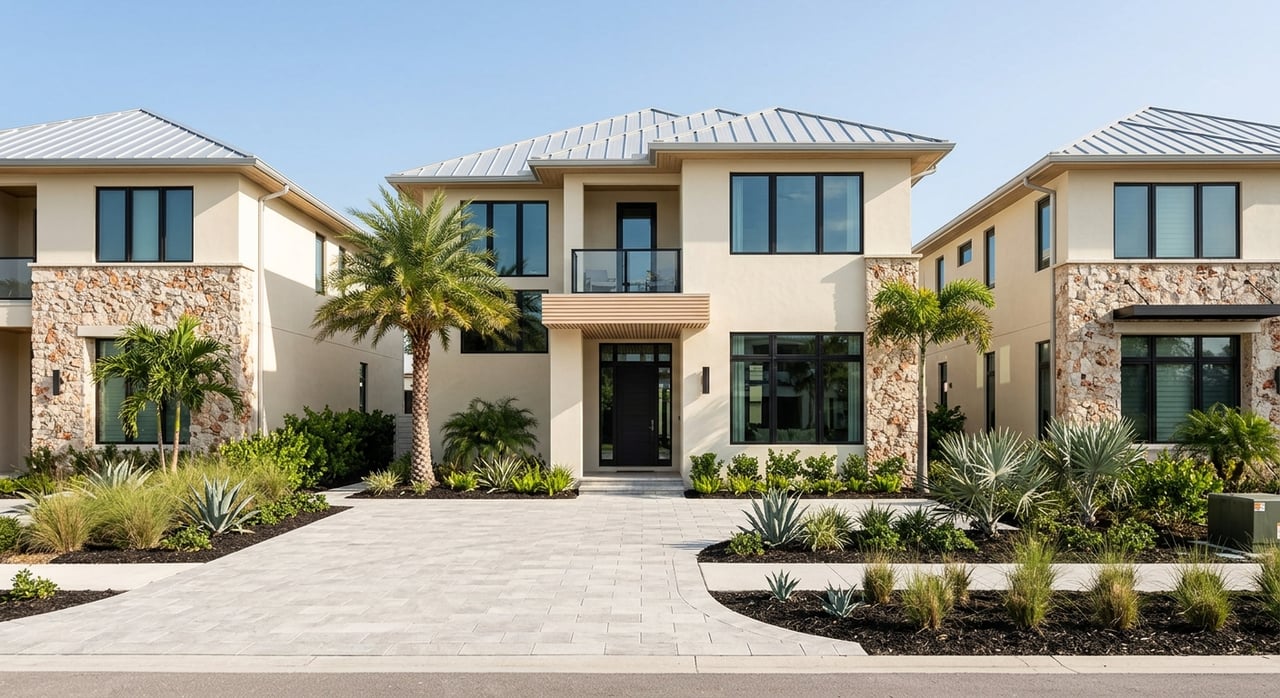
That preference isn't cosmetic. Insurers price concrete block and masonry more favorably than wood-frame construction in a wind market like this one, and a home elevated to current standards starts its insurance history with none of the claims baggage an older structure carries. The premium on new construction isn't just about finishes. It's about what the underwriter sees when they run the file.
The number a $34 million assessment teaches
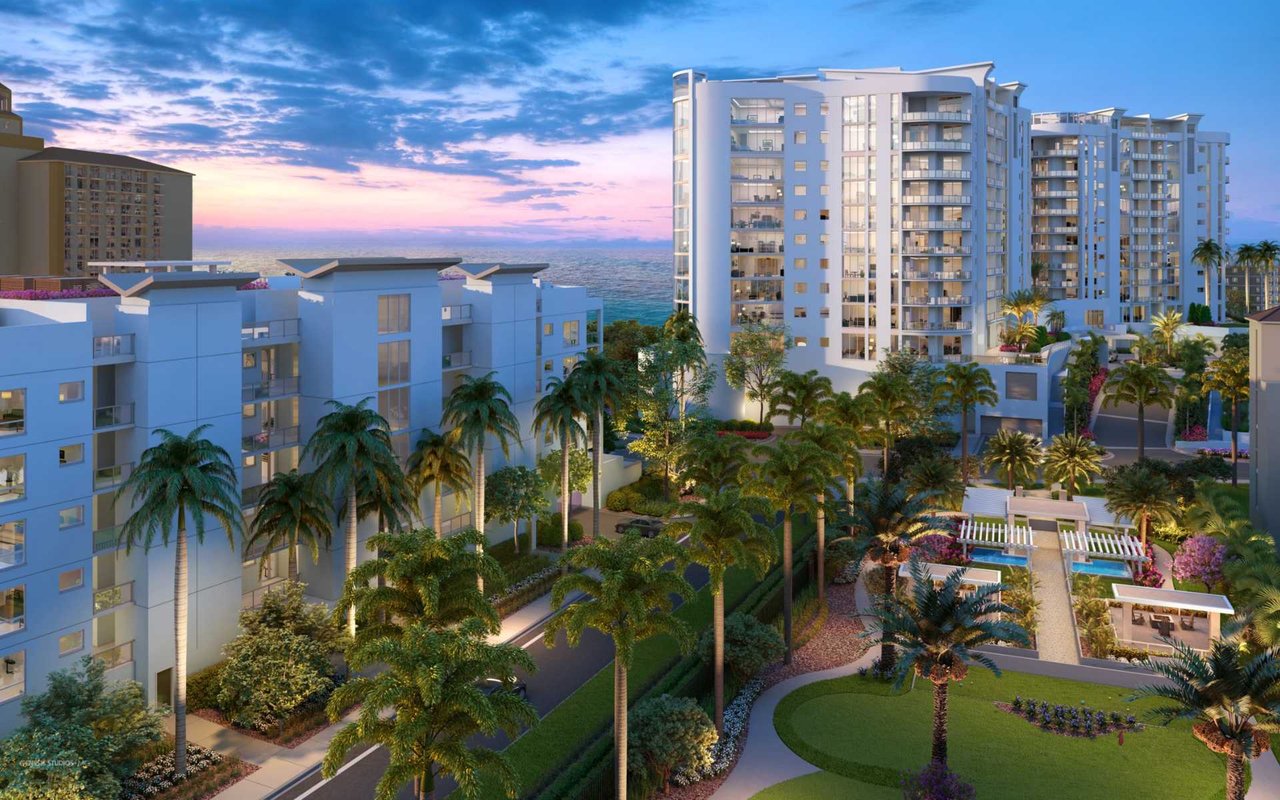
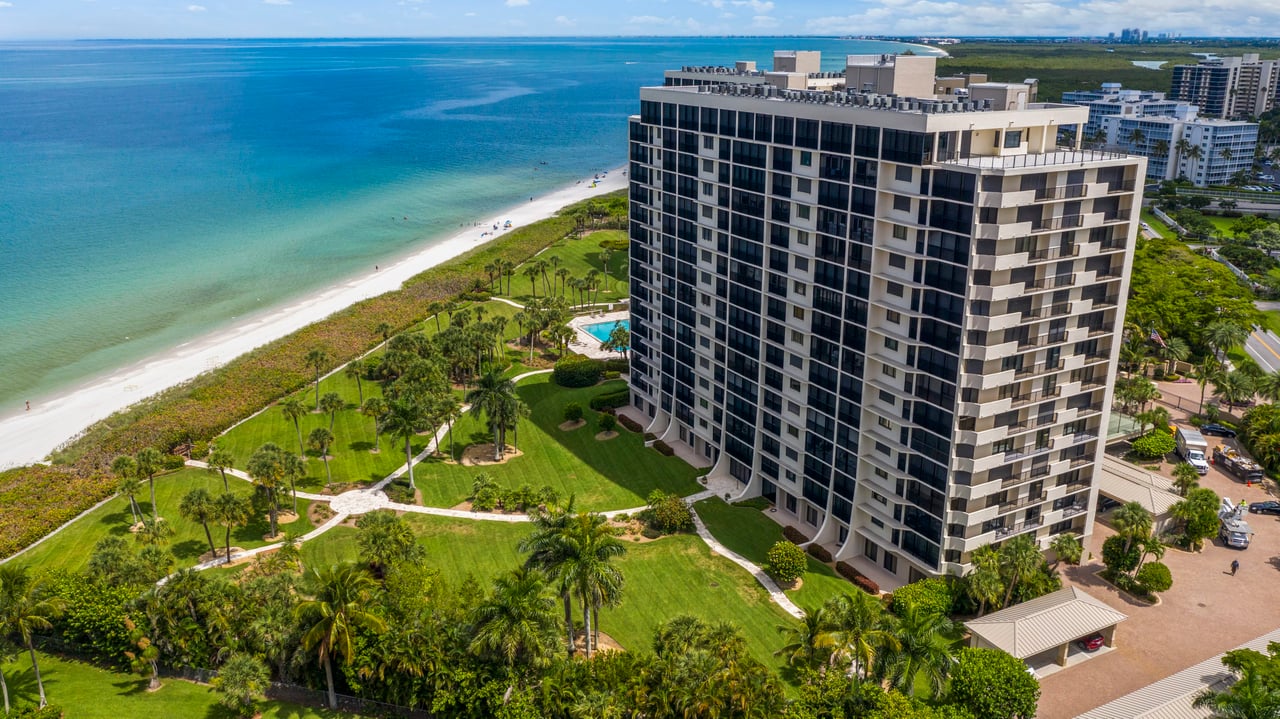
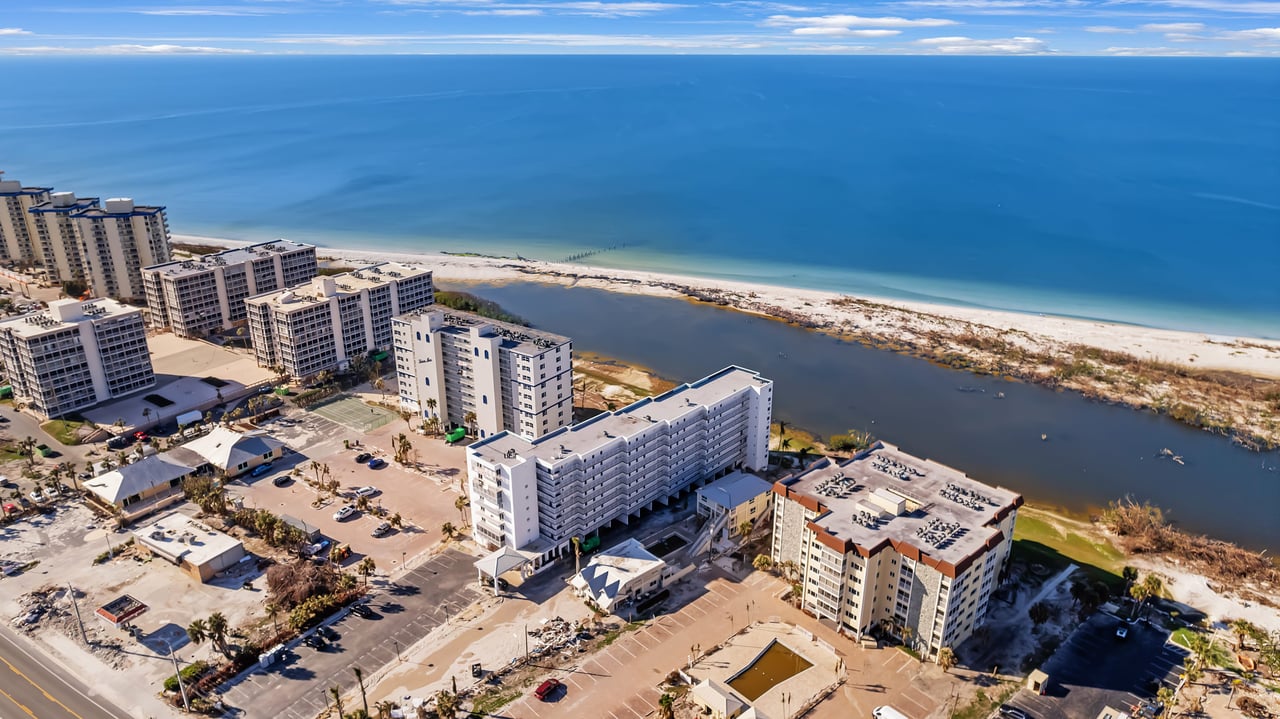
The opposite end of that spectrum is the Estero Island Beach Club, a timeshare built in 1981 on Estero Boulevard that Hurricane Ian destroyed outright. The property's replacement, a 10-story building set back from the road, cleared the Local Planning Agency by a 5-2 vote on its way to the Town Council, with the project's estimated cost near $34 million. Insurance won't come close to covering that figure, which means the roughly 2,200 to 2,300 owners across the building's 75 units are looking at assessments to make up the difference.
Nobody chose this outcome recklessly. A timeshare with that many owners can't simply walk away from 75 units or sell the property out from under thousands of interest holders. But the arithmetic is the same lesson in a more extreme form: when a legacy building's insurance was sized for a 1981 structure and 1981 replacement costs, the gap between what the policy pays and what rebuilding actually costs becomes the owners' problem, and it shows up as a bill nobody saw coming until it arrived.
Mainland, barrier island, or somewhere between
Location on this stretch of coast isn't binary. Wind and flood exposure move on a gradient, and recent projections for the 2025 to 2026 period put it in rough numbers:
| Location type | Typical annual wind/all-peril premium |
|---|---|
| Mainland coastal (Cape Coral, non-beachfront Fort Myers) | Around $3,600 |
| Barrier island, Gulf-front (Sanibel, Captiva) | Around $7,000, roughly double the mainland figure |
Fort Myers Beach sits on its own barrier island, Estero Island, which puts it closer to the second column by geography. But the town's new Class 5 rating is specific to Fort Myers Beach's own floodplain management program. Sanibel and Captiva are separately incorporated with their own NFIP standing, and a buyer weighing all three shouldn't assume one town's discount extends across the causeway. That's a question worth asking directly rather than assuming from the map.
What to ask before you write an offer
- Request the current elevation certificate and confirm the structure's height against the parcel's Base Flood Elevation, not just its flood zone letter
- Ask whether the seller's flood policy has already been rewritten to reflect the town's Class 5 discount, or whether that saving transfers to you at your own renewal
- Confirm construction type and year built, since concrete block and post-code-era framing carry different underwriting outcomes than legacy wood-frame stock
- For any condo or timeshare interest, ask directly about pending or anticipated special assessments tied to rebuild costs, not just the current monthly dues
- Get an actual quote under current rates before you rely on what the seller has been paying, since last year's premium may not reflect this year's rating
None of this replaces a conversation with a licensed insurance agent who can run the specific address. It does mean the conversation is worth having before the offer, not after.
The island is rebuilding in two different registers at once, one measured in poured concrete and elevation certificates, the other in decades-old policies catching up to costs they were never sized for. Knowing which register a specific property belongs to is the difference between a number on a listing sheet and what you'll actually pay to own it.
If you're weighing a home on Fort Myers Beach against something on Sanibel, Captiva, or the mainland side of Lee County, Haven Group can walk the elevation certificate, the construction history, and the current insurance picture with you before you write an offer. Contact us for a private consultation.
This article is general information, not legal, tax or financial advice. Consult a qualified professional about your situation.